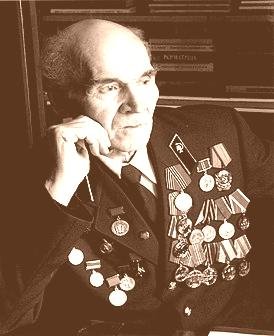
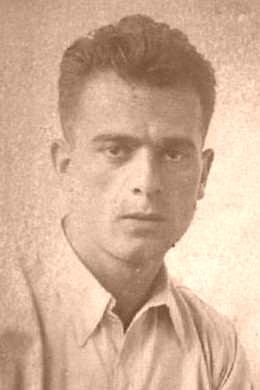

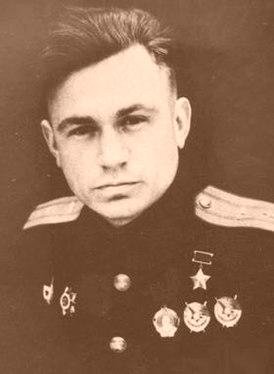


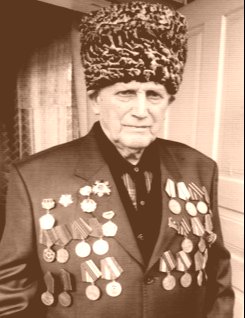
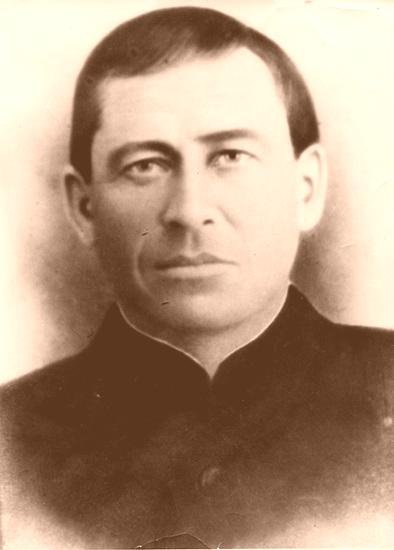
Kirgizov Stepan Grigorievich
""He was born on May 17, 1903 in Ust-Karsk settlement, now an urban-type settlement of Sretensky district of Transbaikal region, in a family of a worker. Until 1919 he lived with his parents. Graduated from elementary school. Since he was 9 he worked at gold mines.
In 1919-1921, he participated in the Civil War in the Far East, fought in a partisan detachment. In 1921, he was dismissed from the army as a minor. Upon returning home, he again worked at the gold mines. In 1925-1927, he served in the Red Army. After the service, he continued his mining business.
In 1930-1941 he worked in the Ust-Karsk department of militia, where he worked his way up from the precinct to the head of the department, later - chairman of the village council, then he was in charge of gold mining and water transport.
Recruitment to the Red Army by the Ust-Kar RVC in July 1941. He graduated from the front courses for junior lieutenants. In battles of the Great Patriotic War he was since December 1941. He fought on the Western, Voronezh and Central Fronts.
On the night of September 26, 1943, the commander of the machine-gun company of the 383rd rifle regiment, Senior Lieutenant S.G. Kirgizov with the company was among the first to cross the Dnieper near the village of Glebovka, Vyshgorod district, Kiev region and supported the crossing of the regiment's units with fire, destroying a significant amount of enemy life and firepower.
According to the Decree of the Presidium of the Supreme Soviet of the USSR on October 17, 1943, for the successful forcing of the Dnieper River north of Kiev, a solid foothold on the West Bank of the Dnieper River and the courage and heroism shown at the same time senior lieutenant Stepan Kirgizov was awarded the title Hero of the Soviet Union with the Order of Lenin and the Gold Star Medal.
In March 1944, during the battles for the liberation of Kamenets-Podolsky, Khmelnitsky region, the 121st Rifle Division, where S.G. Kirgizov fought, together with 127th Tank Regiment and part of the forces of the 63rd Chelyabinsk Brigade took up defense on the western outskirts of the village of Dolzhok.
On March 28, 1944, encircling Kamenets-Podolsky, the German forces launched an offensive simultaneously from the west, north and east. Large forces (about 40 heavy and medium tanks and two infantry battalions) were thrown by the enemy from the side of Rychta and Orinin. Only eight tanks of the 63rd Chelyabinsk Brigade came into battle from the Soviet forces.
Three of the enemy tanks managed to break through to the center of Dolzhka, where the command posts of our units defending the western sector were located. One tank broke into the location of the command post of the machine-gun company of the 383rd rifle regiment. The commander of the machine-gun company, Senior Lieutenant S.G. Kirgizov was killed in the battle with the ""tiger"". He was buried in the village of Dolzhok, Kamenets-Podolsky district.
"
Kirgizov Stepan Grigorievich
""He was born on May 17, 1903 in Ust-Karsk settlement, now an urban-type settlement of Sretensky district of Transbaikal region, in a family of a worker. Until 1919 he lived with his parents. Graduated from elementary school. Since he was 9 he worked at gold mines.
In 1919-1921, he participated in the Civil War in the Far East, fought in a partisan detachment. In 1921, he was dismissed from the army as a minor. Upon returning home, he again worked at the gold mines. In 1925-1927, he served in the Red Army. After the service, he continued his mining business.
In 1930-1941 he worked in the Ust-Karsk department of militia, where he worked his way up from the precinct to the head of the department, later - chairman of the village council, then he was in charge of gold mining and water transport.
Recruitment to the Red Army by the Ust-Kar RVC in July 1941. He graduated from the front courses for junior lieutenants. In battles of the Great Patriotic War he was since December 1941. He fought on the Western, Voronezh and Central Fronts.
On the night of September 26, 1943, the commander of the machine-gun company of the 383rd rifle regiment, Senior Lieutenant S.G. Kirgizov with the company was among the first to cross the Dnieper near the village of Glebovka, Vyshgorod district, Kiev region and supported the crossing of the regiment's units with fire, destroying a significant amount of enemy life and firepower.
According to the Decree of the Presidium of the Supreme Soviet of the USSR on October 17, 1943, for the successful forcing of the Dnieper River north of Kiev, a solid foothold on the West Bank of the Dnieper River and the courage and heroism shown at the same time senior lieutenant Stepan Kirgizov was awarded the title Hero of the Soviet Union with the Order of Lenin and the Gold Star Medal.
In March 1944, during the battles for the liberation of Kamenets-Podolsky, Khmelnitsky region, the 121st Rifle Division, where S.G. Kirgizov fought, together with 127th Tank Regiment and part of the forces of the 63rd Chelyabinsk Brigade took up defense on the western outskirts of the village of Dolzhok.
On March 28, 1944, encircling Kamenets-Podolsky, the German forces launched an offensive simultaneously from the west, north and east. Large forces (about 40 heavy and medium tanks and two infantry battalions) were thrown by the enemy from the side of Rychta and Orinin. Only eight tanks of the 63rd Chelyabinsk Brigade came into battle from the Soviet forces.
Three of the enemy tanks managed to break through to the center of Dolzhka, where the command posts of our units defending the western sector were located. One tank broke into the location of the command post of the machine-gun company of the 383rd rifle regiment. The commander of the machine-gun company, Senior Lieutenant S.G. Kirgizov was killed in the battle with the ""tiger"". He was buried in the village of Dolzhok, Kamenets-Podolsky district.
"
0 comment




2026 © Russian Military Historical Society Developed by Jetmix