


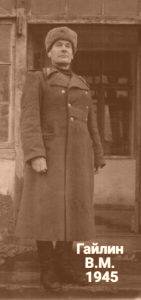


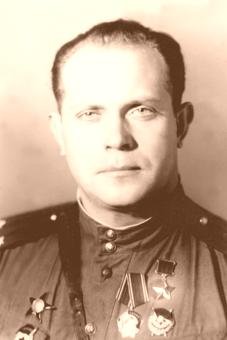

Galaguza Andrey Semyonovich
He was born in 1906 on the 2nd of December in Ukraine, the Dnepropetrovsk region, the Dzerzhinsk district, the village of Krinichok. The family ran its own farm, the family had 5 children, he was the youngest. My grandparents' ancestry comes from Ukraine. In 1920-1939 there was a policy of Ukrainization, it was very difficult and tough, the prodrazverstka (surplus appropriation system) began and at this time the economy of Semyon Galaguz and Elena Kharitonovna collapsed, the economy fell into decline. In the period from 1921 to 1923 one million people died of starvation, and this was the reason for the mass relocation of people to other regions. In 1921 the prodrazverstka was abolished and they introduced a tax in kind - this was when a family was to pay the tax not the whole but partially. In 1920 on the 28th of December the decree on the Union of Ukraine and the SSR was signed. In 1925 the family moved to Kurmansay, the Chkalov region, the Dombarovsky district. The wagons of the settlers went in units, rode on oxen, along the way there were good and bad people who sympathized, who gave food and water, but there were also bad people. In the city Elena Kharitonovna's bulls were stolen. In the fall of 1925 they came to Kurmansay, built dugouts and began to live. There were no animals, they were engaged in gardening. In Kurmansay my great-grandfather got married to another refugee from the Ukraine, Maria Pudovna. They had seven children in 1941. After some time the children began to work on a collective farm, Andrey worked on a tractor, then as a foreman of a tractor team. In 1939 he was elected chairman of the collective farm "May 1". On the 30th of July, 1941, he was taken to the front. When Andrew was taken, his father was no longer alive and his mother Elena Haritonovna remained in the family of the son and moved with them to Ashebutak. She helped raise her grandchildren, collected hemp, made butter from it, collected corn and made flour from it, mixed corn flour with hemp cake and baked griddle cakes. Grandmother Lena taught her granddaughters to knit socks and mittens in the evenings and then they sent the products to the front, and during the day the girls worked on the collective farm in the field. The eldest daughter worked as a combine harvester. The grandmother worked in the field from the age of 11, their mother Maria Pudovna worked as a coal heaver at a mine working for bread rations. So women and children accelerated the Victory by their labor. (Military life) He was called up in the Dombarovsky regional military commissariat of the Chkalovsky region, the Dombarovsky district, and served on the 3rd Belorussky front in the military unit 31A. His combat path began on the Volga river near the city of Yuryatino and was finished it Prague. He went through the war as an ordinary sapper. During the fighting he participated in such operations as the defensive battle of Moscow. From the 2nd of October till the 5th of December, 1941, - the Kalinin defensive operation. From the 9th of October till the 4th of December, 1941 - the counteroffensive of the Soviet troops near Moscow. From the 5th of December, 1941, - the Kalinin offensive operation. From the 5th of December, 1941, till the 8th of January, 1942, - the Sychevo-Vyazma offensive operation. Frim the 8th of January till the 30th of January, 1942, - the Rzhevskaya offensive operation. From the 3rd of March till the 24th of April, 1942, - the Rzhev-Sychevskaya offensive operation. From the 30th of July till the 6th of September, 1942, - the Rzhev-Sychevskaya offensive operation. From the 25th of November till the 20th of December, 1942, - Rzhev-Vyazma offensive operation. From the 2nd of March till the 1st of April, 1943, - Spas-Demensk offensive operation. From the 7th of August till the 20th of August, 1943, - the offensive operation in the Yelnya area. From the 28th of August till the 5th of September, 1943, - the Smolensk offensive operation. From the 15th of September till the 2nd of October, 1943, - the offensive operation in the Orsha direction. From the 12th of October till the 2nd of December, 1943, - the 5th strike, the defeat of the Germans in Belarus. In June and July 1944 - the Vitebsk-Orsha offensive operation. From the 23rd of June till the 28th of June, 1944, - (the operation of the 5th strike) the Minsk offensive operation. From the 29th of June till the 4th of July, 1944, - (the operation of the 5th strike) the Vilnius offensive operation. From the 5th of July till the 20th of July, 1944, - (the operation of the 5th strike) the Kaunas offensive operation. From the 28th of July till the 20th of August, 1944, - (the operation of the 5th strike) the Gumbinnen offensive operation. From the 16th of October till the 27th of October, 1944, - the Insterburg-Konigsberg offensive operation. From the 13th of January till the 27th of January, 1945, - the East Prussian offensive operation of the 3rd and 2nd Belorussian fronts. From the 13th of January till the 25th of April, 1945, - the destruction of the East Prussian enemy group to the south-west of the city of Koenigsberg. From the 13th of March till the 29th of March, 1945, - the Prague offensive operation. From the 6th of May till the 11th of May, 1945. For this fighting path he was awarded: the order of the Patriotic War of the second degree, the Order of the Red Star, the order of Glory of the third degrees, the badge “Excellent Sapper’, the medal “For the Victory over Germany, the medal “20 years of the Victory”. From his stories about the war: “The battle subsided and Andrey and his friends sat down for a smoke. Andrey found a dirty lump of sugar in his pocket, put it in his mouth and began to suck it. Suddenly his friend on the left fell, a moment later his friend on the right fell. Andrey thought that it was his turn but this did not happen and he remained alive. He said that before each battle, before each work on mine clearance, they said goodbye to their comrades since the work of a sapper was accompanied with great risk. (Post-war life) In 1945 Andrey's family moved to the village of and Kurmansai was attached to Aschebutak, the Stalin collective farm at that time. And he returned from the war in 1946, worked in a blacksmith shop, on a tractor, at that time grain was taken home to dry, they also brought it to their house to dry, the whole hall was covered in grain. According to my grandmother's stories, I know that my great-grandfather was a kind man, respected in the village, everyone respected him. He was an excellent host, he and his wife had a very beautiful garden, always grew very beautiful flowers. My grandmother told me how my great-grandfather took her fishing, how my grandmother dug worms. How they caught crayfish together. I also learned from the stories that he was very fond of his grandchildren, he had 13 of them. In 1968 he was ill for a long time and then died. Ashebutak (from Kirghiz) - a sour and bitter branch. In 1918 Musa Jalil came to the village and lived for some time. He taught illiterate people, took them to the Komsomol and led an educational program.
Galaguza Andrey Semyonovich
He was born in 1906 on the 2nd of December in Ukraine, the Dnepropetrovsk region, the Dzerzhinsk district, the village of Krinichok. The family ran its own farm, the family had 5 children, he was the youngest. My grandparents' ancestry comes from Ukraine. In 1920-1939 there was a policy of Ukrainization, it was very difficult and tough, the prodrazverstka (surplus appropriation system) began and at this time the economy of Semyon Galaguz and Elena Kharitonovna collapsed, the economy fell into decline. In the period from 1921 to 1923 one million people died of starvation, and this was the reason for the mass relocation of people to other regions. In 1921 the prodrazverstka was abolished and they introduced a tax in kind - this was when a family was to pay the tax not the whole but partially. In 1920 on the 28th of December the decree on the Union of Ukraine and the SSR was signed. In 1925 the family moved to Kurmansay, the Chkalov region, the Dombarovsky district. The wagons of the settlers went in units, rode on oxen, along the way there were good and bad people who sympathized, who gave food and water, but there were also bad people. In the city Elena Kharitonovna's bulls were stolen. In the fall of 1925 they came to Kurmansay, built dugouts and began to live. There were no animals, they were engaged in gardening. In Kurmansay my great-grandfather got married to another refugee from the Ukraine, Maria Pudovna. They had seven children in 1941. After some time the children began to work on a collective farm, Andrey worked on a tractor, then as a foreman of a tractor team. In 1939 he was elected chairman of the collective farm "May 1". On the 30th of July, 1941, he was taken to the front. When Andrew was taken, his father was no longer alive and his mother Elena Haritonovna remained in the family of the son and moved with them to Ashebutak. She helped raise her grandchildren, collected hemp, made butter from it, collected corn and made flour from it, mixed corn flour with hemp cake and baked griddle cakes. Grandmother Lena taught her granddaughters to knit socks and mittens in the evenings and then they sent the products to the front, and during the day the girls worked on the collective farm in the field. The eldest daughter worked as a combine harvester. The grandmother worked in the field from the age of 11, their mother Maria Pudovna worked as a coal heaver at a mine working for bread rations. So women and children accelerated the Victory by their labor. (Military life) He was called up in the Dombarovsky regional military commissariat of the Chkalovsky region, the Dombarovsky district, and served on the 3rd Belorussky front in the military unit 31A. His combat path began on the Volga river near the city of Yuryatino and was finished it Prague. He went through the war as an ordinary sapper. During the fighting he participated in such operations as the defensive battle of Moscow. From the 2nd of October till the 5th of December, 1941, - the Kalinin defensive operation. From the 9th of October till the 4th of December, 1941 - the counteroffensive of the Soviet troops near Moscow. From the 5th of December, 1941, - the Kalinin offensive operation. From the 5th of December, 1941, till the 8th of January, 1942, - the Sychevo-Vyazma offensive operation. Frim the 8th of January till the 30th of January, 1942, - the Rzhevskaya offensive operation. From the 3rd of March till the 24th of April, 1942, - the Rzhev-Sychevskaya offensive operation. From the 30th of July till the 6th of September, 1942, - the Rzhev-Sychevskaya offensive operation. From the 25th of November till the 20th of December, 1942, - Rzhev-Vyazma offensive operation. From the 2nd of March till the 1st of April, 1943, - Spas-Demensk offensive operation. From the 7th of August till the 20th of August, 1943, - the offensive operation in the Yelnya area. From the 28th of August till the 5th of September, 1943, - the Smolensk offensive operation. From the 15th of September till the 2nd of October, 1943, - the offensive operation in the Orsha direction. From the 12th of October till the 2nd of December, 1943, - the 5th strike, the defeat of the Germans in Belarus. In June and July 1944 - the Vitebsk-Orsha offensive operation. From the 23rd of June till the 28th of June, 1944, - (the operation of the 5th strike) the Minsk offensive operation. From the 29th of June till the 4th of July, 1944, - (the operation of the 5th strike) the Vilnius offensive operation. From the 5th of July till the 20th of July, 1944, - (the operation of the 5th strike) the Kaunas offensive operation. From the 28th of July till the 20th of August, 1944, - (the operation of the 5th strike) the Gumbinnen offensive operation. From the 16th of October till the 27th of October, 1944, - the Insterburg-Konigsberg offensive operation. From the 13th of January till the 27th of January, 1945, - the East Prussian offensive operation of the 3rd and 2nd Belorussian fronts. From the 13th of January till the 25th of April, 1945, - the destruction of the East Prussian enemy group to the south-west of the city of Koenigsberg. From the 13th of March till the 29th of March, 1945, - the Prague offensive operation. From the 6th of May till the 11th of May, 1945. For this fighting path he was awarded: the order of the Patriotic War of the second degree, the Order of the Red Star, the order of Glory of the third degrees, the badge “Excellent Sapper’, the medal “For the Victory over Germany, the medal “20 years of the Victory”. From his stories about the war: “The battle subsided and Andrey and his friends sat down for a smoke. Andrey found a dirty lump of sugar in his pocket, put it in his mouth and began to suck it. Suddenly his friend on the left fell, a moment later his friend on the right fell. Andrey thought that it was his turn but this did not happen and he remained alive. He said that before each battle, before each work on mine clearance, they said goodbye to their comrades since the work of a sapper was accompanied with great risk. (Post-war life) In 1945 Andrey's family moved to the village of and Kurmansai was attached to Aschebutak, the Stalin collective farm at that time. And he returned from the war in 1946, worked in a blacksmith shop, on a tractor, at that time grain was taken home to dry, they also brought it to their house to dry, the whole hall was covered in grain. According to my grandmother's stories, I know that my great-grandfather was a kind man, respected in the village, everyone respected him. He was an excellent host, he and his wife had a very beautiful garden, always grew very beautiful flowers. My grandmother told me how my great-grandfather took her fishing, how my grandmother dug worms. How they caught crayfish together. I also learned from the stories that he was very fond of his grandchildren, he had 13 of them. In 1968 he was ill for a long time and then died. Ashebutak (from Kirghiz) - a sour and bitter branch. In 1918 Musa Jalil came to the village and lived for some time. He taught illiterate people, took them to the Komsomol and led an educational program.
0 comment




2026 © Russian Military Historical Society Developed by Jetmix