


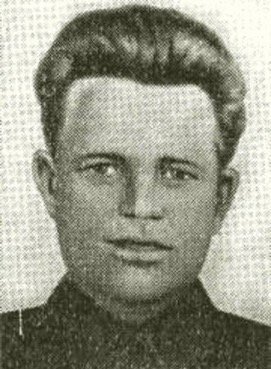


Dmitry Baranov
Rank: Corporal
My father Dmitry Baranov was born in 1910 in the city of Saratov. In 1938, he moved to Rtishchevo. As soon as the Great Patriotic War began, he was drafted into the Red Army. He was an ordinary soldier, a driver; he went through the entire war from 1941 and reached Berlin with a Victory in 1945.
He began his military service on the Volkhov Front, as part of the 83rd Separate Road Maintenance Battalion. The 83rd SRMB passed a glorious path on the Volkhov, Leningrad, and 2nd Belorussian Fronts. It performed the tasks of ensuring the smooth movement of vehicles and military equipment on the front-line roads. Its fighters, following on the heels of the advancing troops, repaired and built bridges, cleared the roadbed of obstacles created by the Nazis and resulting from destruction, including in urban areas. During the Great Patriotic War, the 83rd Battalion defended Leningrad.
The only transport route through Ladoga Lake was the Road of Life. During periods of navigation - on the water, in winter - on the ice. This road from September 12, 1941 to March 1943 connected the besieged Leningrad with the country. The first column of 60 GAZ-AA vehicles (better known as "polutorka") on November 22 went to Kobona for food. Dmitry Baranov was among the drivers. He told me:"There are two streams of cars, at a certain distance there are traffic controllers, mostly women. There is a constant cannonade: the road of life was only fifteen kilometers away from the front line. The situation is completely calm, without the slightest fuss. First of all, children who were exhausted by hunger were taken out of Leningrad. The doors of the cabins were open wide so that I could jump out when the car fell through the ice."
The 2nd Shock Army of the Volkhov Front broke the siege of Leningrad in January 1943, and in January 44, as part of the Leningrad Front, it was the first to launch an offensive from the Oranienbaum bridgehead for the complete liberation of the city on the Neva and the region from the Nazi invaders. The battalion was constantly shelled by long-range artillery and aircraft. At one of them Dmitry was wounded. The battalion commander then gave an order: do not send corporal Baranov to the hospital-otherwise they would not see him again. Cure in our infirmary!
There were many cases when death came very close, but it was Dmitry Baranov's fate to stay alive. In the early spring of 1945, Soviet troops approached the Oder River. On April 16, the Berlin operation began. The troops of the 2nd Belorussian Front, including the 83rd Separate Battalion, crossed the Oder River North of Berlin under the cover of artillery fire and a smoke screen from the boats of the Baltic Fleet, and defeated the strong Stettin group of the Nazis. Advanced formations of the 2nd Belorussian Front, including the 2nd Sshock Aarmy, which included the 83rd Battalion, reached the Elbe River and met with the allies.
The war left deep wounds in the lives of millions of people, including those who were taken to Germany for slave labor. After the Victory, they were immediately deported to their homeland. And the 83rd Battalion received a new task - to organize feeding points throughout Germany at intervals of 30-40 km.
After the war, Dmitry Baranov returned to his Homeland in September 1945. He continued to work peacefully as a driver and raised his daughters. He has 8 grandchildren and 12 great-grandchildren.
Dmitry Baranov
Rank: Corporal
My father Dmitry Baranov was born in 1910 in the city of Saratov. In 1938, he moved to Rtishchevo. As soon as the Great Patriotic War began, he was drafted into the Red Army. He was an ordinary soldier, a driver; he went through the entire war from 1941 and reached Berlin with a Victory in 1945.
He began his military service on the Volkhov Front, as part of the 83rd Separate Road Maintenance Battalion. The 83rd SRMB passed a glorious path on the Volkhov, Leningrad, and 2nd Belorussian Fronts. It performed the tasks of ensuring the smooth movement of vehicles and military equipment on the front-line roads. Its fighters, following on the heels of the advancing troops, repaired and built bridges, cleared the roadbed of obstacles created by the Nazis and resulting from destruction, including in urban areas. During the Great Patriotic War, the 83rd Battalion defended Leningrad.
The only transport route through Ladoga Lake was the Road of Life. During periods of navigation - on the water, in winter - on the ice. This road from September 12, 1941 to March 1943 connected the besieged Leningrad with the country. The first column of 60 GAZ-AA vehicles (better known as "polutorka") on November 22 went to Kobona for food. Dmitry Baranov was among the drivers. He told me:"There are two streams of cars, at a certain distance there are traffic controllers, mostly women. There is a constant cannonade: the road of life was only fifteen kilometers away from the front line. The situation is completely calm, without the slightest fuss. First of all, children who were exhausted by hunger were taken out of Leningrad. The doors of the cabins were open wide so that I could jump out when the car fell through the ice."
The 2nd Shock Army of the Volkhov Front broke the siege of Leningrad in January 1943, and in January 44, as part of the Leningrad Front, it was the first to launch an offensive from the Oranienbaum bridgehead for the complete liberation of the city on the Neva and the region from the Nazi invaders. The battalion was constantly shelled by long-range artillery and aircraft. At one of them Dmitry was wounded. The battalion commander then gave an order: do not send corporal Baranov to the hospital-otherwise they would not see him again. Cure in our infirmary!
There were many cases when death came very close, but it was Dmitry Baranov's fate to stay alive. In the early spring of 1945, Soviet troops approached the Oder River. On April 16, the Berlin operation began. The troops of the 2nd Belorussian Front, including the 83rd Separate Battalion, crossed the Oder River North of Berlin under the cover of artillery fire and a smoke screen from the boats of the Baltic Fleet, and defeated the strong Stettin group of the Nazis. Advanced formations of the 2nd Belorussian Front, including the 2nd Sshock Aarmy, which included the 83rd Battalion, reached the Elbe River and met with the allies.
The war left deep wounds in the lives of millions of people, including those who were taken to Germany for slave labor. After the Victory, they were immediately deported to their homeland. And the 83rd Battalion received a new task - to organize feeding points throughout Germany at intervals of 30-40 km.
After the war, Dmitry Baranov returned to his Homeland in September 1945. He continued to work peacefully as a driver and raised his daughters. He has 8 grandchildren and 12 great-grandchildren.
0 comment




2026 © Russian Military Historical Society Developed by Jetmix