


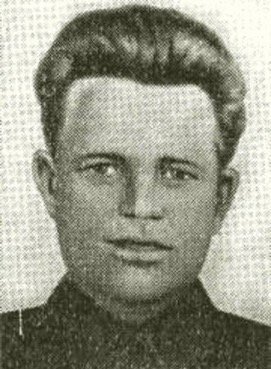


Vera Beganova (Shopina)
The story was told Vera Beganova:
I was born on May 22, 1921 in the Kursk Region, Skorodnyansky District, Yuryevsky Village Council in the village of second Ivanovka. During the war years, I lived in my village.
The Nazis drove young people to Germany in the autumn of 1942. I was on the list. In Germany, I was sent to a military factory where they made shells. I only worked at the factory for two weeks. I stuffed the shells with paper to help bring the Victory over the enemy closer, although I knew what it would mean for me. Two weeks later, I and three girls ran away from there. But the police was already waiting for us in the woods. We were moved from prison to prison. So I went through five prisons. In every one, they tried to break us, beat us, and made us say what they wanted us to say. We were silent. There was a trial. I was sentenced to be hanged. After the trial, we were forced to move a huge pile of coal in thirty minutes from one place to another. In the morning of the next day we were driven to the railway. But they didn't hang us. They put us in cars and took us somewhere.
To the Auschwitz-Brzezinka concentration camp. We had numbers pinned on our hands on the morning of February 22, 1943. I was listed as #36215. They made us take off our clothes, cut our hair, and took us to the "bathhouse". And the "bath" was like this: first we were driven into the steam room and kept under hot steam for a very, very long time. I couldn't breathe. I was suffocating, and many people fainted. After the steam room, we were sent to another room under an ice shower, where we were also kept for a very long time. After the "bath" we were put on a draft. So, in the draft, we stood until late in the evening. Only later I learned that this "bath" was for disinfection (the strongest ones remained alive). Not many survived this "bath".
In the evening we were given clothes: a striped dress and a thin striped jacket without lining. On the head - a gauze handkerchief, and on the feet - shoes (shugi on a wooden sole). I had a red triangle sewn on my clothes (the triangles were green and blue, and the political prisoners had red ones), and a cross was painted on my back in red paint. Only those who were to be destroyed had crosses. Even now, many years later, I am horrified when I remember this terrible cross.
We were quarantined for two weeks. We were barely fed. Many could not survive these tests. The survivors were driven to work. We were driven to work to the beat of drums, which were beaten by Jews. I was on the 101st team. I remember a police fanatic. I don't remember his name. We called him the seven-headed Serpent. I remember him for the rest of my life: tall, thin, always carrying a bone stick, and a dog next to him.
There was a Yugoslav teacher in our team. She didn't have time to check in with everyone else. So this monster dragged her out of the barracks and beat her on the head with a stick until her eyes popped out of their sockets. But he didn't rest until her body was a bloody wound. Only then did he made the prisoners carry the corpse to the pile of the dead.
And at work, for fun, the seven-headed Serpent killed the prisoner, painted her with paints, sat her on a stretcher in some position and forced the prisoners to carry the corpse to the camp.
Jews were burned in families. I remember one elderly woman. On this day, Jews were burned. They were hiding, shouting. The police put them in cars and took them to the crematorium. There was a yell from everywhere. This woman was lying at the feet of a policeman, begging to keep her daughter alive, so that she could work, because she was still very young. They suffered a lot. But these beasts enjoyed the torment.
We continued to work. We were fed once a day with salty soup from a rutabaga. At two or three o'clock, half a liter of balanda was brought to work. We drank and worked again. We were bullied in every possible way and knelt on small stones for a long time. There were huge rats in the barracks. Many died at night, and the rats immediately gnawed the corpses.
We worked mainly in quarries, cutting stones. One day I collapsed from exhaustion. I was sent to the barracks for the sick. I thought that I would be treated, gain strength. And there it turned out that people were starving to death. I was there for a week. We were only fed Balanda twice. I begged to be sent back to work, said that I was healthy. And I was sent to work.
Early one morning, I made my way to the kitchen where the rutabaga truck was being unloaded. I only took one rutabaga from the car, but a policewoman noticed me. She beat me with a stick until I lost consciousness. I was thrown into a pile of corpses near the crematorium. During the day, this pile of corpses was not burned, and at night I regained consciousness from the cold and reached my barracks. For the mean time, I was spared death. I just really wanted to live!
At the end of December 1944, about 300 of us were taken to another camp, a small one. It was also surrounded by electric barbed wire. In this camp, we only worked at night at the factory. And in April 1945, we were loaded into wagons and taken out of this camp. For a long time we moved and were brought to Prague. The people from the Red Cross approached the train, and many prisoners were taken away. And the rest of us were taken on. Brought to a dead end. Here men were selected and shot in a small wood, not far from the train.
Here planes arrived, and the bombing began, but the train was not touched. After the bombing, we were driven for another day. But on May 8, in the evening, the train suddenly stopped. Someone opened doors. How much joy and tears there were when we saw our liberators! We were given frozen potatoes. After that, we were taken to be fed. I got in line. They poured half a pot into a plate. It was impossible to do more, because our bodies were very exhausted. We were like skeletons. I really wanted to eat, so I joined the queue for the second time. The Polish woman noticed me, but poured another half Cup. And I got in line for the third time. Seeing me, the woman escorted me out, explaining that I can't eat too much at once, I can die. How I cried... I was so hurt and so hungry.
Years go by, and the horrors are not forgotten. And now, in peacetime, I wake up from nightmares. I want to shout to the whole world: People! Be vigilant! Take care of the world! Save the clear sky for your children! Let their childhood be cloudless and happy!!!.... Died on February 20, 1999.
Vera Beganova (Shopina)
The story was told Vera Beganova:
I was born on May 22, 1921 in the Kursk Region, Skorodnyansky District, Yuryevsky Village Council in the village of second Ivanovka. During the war years, I lived in my village.
The Nazis drove young people to Germany in the autumn of 1942. I was on the list. In Germany, I was sent to a military factory where they made shells. I only worked at the factory for two weeks. I stuffed the shells with paper to help bring the Victory over the enemy closer, although I knew what it would mean for me. Two weeks later, I and three girls ran away from there. But the police was already waiting for us in the woods. We were moved from prison to prison. So I went through five prisons. In every one, they tried to break us, beat us, and made us say what they wanted us to say. We were silent. There was a trial. I was sentenced to be hanged. After the trial, we were forced to move a huge pile of coal in thirty minutes from one place to another. In the morning of the next day we were driven to the railway. But they didn't hang us. They put us in cars and took us somewhere.
To the Auschwitz-Brzezinka concentration camp. We had numbers pinned on our hands on the morning of February 22, 1943. I was listed as #36215. They made us take off our clothes, cut our hair, and took us to the "bathhouse". And the "bath" was like this: first we were driven into the steam room and kept under hot steam for a very, very long time. I couldn't breathe. I was suffocating, and many people fainted. After the steam room, we were sent to another room under an ice shower, where we were also kept for a very long time. After the "bath" we were put on a draft. So, in the draft, we stood until late in the evening. Only later I learned that this "bath" was for disinfection (the strongest ones remained alive). Not many survived this "bath".
In the evening we were given clothes: a striped dress and a thin striped jacket without lining. On the head - a gauze handkerchief, and on the feet - shoes (shugi on a wooden sole). I had a red triangle sewn on my clothes (the triangles were green and blue, and the political prisoners had red ones), and a cross was painted on my back in red paint. Only those who were to be destroyed had crosses. Even now, many years later, I am horrified when I remember this terrible cross.
We were quarantined for two weeks. We were barely fed. Many could not survive these tests. The survivors were driven to work. We were driven to work to the beat of drums, which were beaten by Jews. I was on the 101st team. I remember a police fanatic. I don't remember his name. We called him the seven-headed Serpent. I remember him for the rest of my life: tall, thin, always carrying a bone stick, and a dog next to him.
There was a Yugoslav teacher in our team. She didn't have time to check in with everyone else. So this monster dragged her out of the barracks and beat her on the head with a stick until her eyes popped out of their sockets. But he didn't rest until her body was a bloody wound. Only then did he made the prisoners carry the corpse to the pile of the dead.
And at work, for fun, the seven-headed Serpent killed the prisoner, painted her with paints, sat her on a stretcher in some position and forced the prisoners to carry the corpse to the camp.
Jews were burned in families. I remember one elderly woman. On this day, Jews were burned. They were hiding, shouting. The police put them in cars and took them to the crematorium. There was a yell from everywhere. This woman was lying at the feet of a policeman, begging to keep her daughter alive, so that she could work, because she was still very young. They suffered a lot. But these beasts enjoyed the torment.
We continued to work. We were fed once a day with salty soup from a rutabaga. At two or three o'clock, half a liter of balanda was brought to work. We drank and worked again. We were bullied in every possible way and knelt on small stones for a long time. There were huge rats in the barracks. Many died at night, and the rats immediately gnawed the corpses.
We worked mainly in quarries, cutting stones. One day I collapsed from exhaustion. I was sent to the barracks for the sick. I thought that I would be treated, gain strength. And there it turned out that people were starving to death. I was there for a week. We were only fed Balanda twice. I begged to be sent back to work, said that I was healthy. And I was sent to work.
Early one morning, I made my way to the kitchen where the rutabaga truck was being unloaded. I only took one rutabaga from the car, but a policewoman noticed me. She beat me with a stick until I lost consciousness. I was thrown into a pile of corpses near the crematorium. During the day, this pile of corpses was not burned, and at night I regained consciousness from the cold and reached my barracks. For the mean time, I was spared death. I just really wanted to live!
At the end of December 1944, about 300 of us were taken to another camp, a small one. It was also surrounded by electric barbed wire. In this camp, we only worked at night at the factory. And in April 1945, we were loaded into wagons and taken out of this camp. For a long time we moved and were brought to Prague. The people from the Red Cross approached the train, and many prisoners were taken away. And the rest of us were taken on. Brought to a dead end. Here men were selected and shot in a small wood, not far from the train.
Here planes arrived, and the bombing began, but the train was not touched. After the bombing, we were driven for another day. But on May 8, in the evening, the train suddenly stopped. Someone opened doors. How much joy and tears there were when we saw our liberators! We were given frozen potatoes. After that, we were taken to be fed. I got in line. They poured half a pot into a plate. It was impossible to do more, because our bodies were very exhausted. We were like skeletons. I really wanted to eat, so I joined the queue for the second time. The Polish woman noticed me, but poured another half Cup. And I got in line for the third time. Seeing me, the woman escorted me out, explaining that I can't eat too much at once, I can die. How I cried... I was so hurt and so hungry.
Years go by, and the horrors are not forgotten. And now, in peacetime, I wake up from nightmares. I want to shout to the whole world: People! Be vigilant! Take care of the world! Save the clear sky for your children! Let their childhood be cloudless and happy!!!.... Died on February 20, 1999.
0 comment



2026 © Russian Military Historical Society Developed by Jetmix