


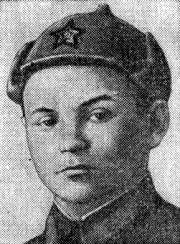

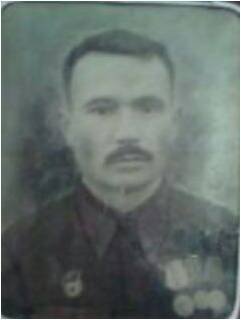


Pavel Baryshev
Branch of Service: Land Forces, Air Force (except for Naval Aviation), Coast Guard, NKVD troops, Border Guards.
This story is about my own grandfather from a simple Soviet family, whose members defended our Homeland during the Great Patriotic War.
Pavel Baryshev, was born in 1896, participated in three wars: the First World War in 1914, the Civil War in 1918, and the Great Patriotic War, in which he fought from 1941 to 1945.
In the Priestensky District, cattle were driven away from the front line to safe places in order to preserve the livestock at the beginning of the war. Pavel was assigned to drive cattle in the direction of the village of Ukolovo in the Belgorod Region, but not far from Rossosha, Pavel was sent to the front along with his fellow villagers. He could not say goodbye to his home and family — the war was rushing him. Military unit where he had got into, was sent to Stalingrad. Pavel was a stable boy in the wagon trains all the war, but his rifle was always ready to repel the enemy.
He witnessed the capture of Paulus' army at Stalingrad. After the war, he often talked about it. Sometimes he remembered that when he was traveling with the train at Stalingrad, they were photographed by photojournalists, and after the war these shots could be seen in the newsreel "The Battle of Stalingrad".
In this battle he was seriously wounded.
After the battle, they could not find him, and at home, they received a death notice, where he was still considered missing. Although his grave is located in the cemetery of the village of Troitsky in a well-groomed condition. My mother (wife of Gennady's son Tamara) takes care of it.
Pavel accidentally, barely alive, was found in a deep groun hole by a friend, a fellow villager Yegor (nicknamed "Zheryak"). After he was sent to the hospital, and at home at this time they were already reading an ominous notice.
In fact, it was different. Pavel after recovery, wrote a letter home from the hospital that he was wounded, but, thank God, alive.
After recovering, Pavel returned to his unit, which continued the offensive in the Kursk region. And when there was a battle near Prokhorovka, in our village of Troitsky, one could see the searchlights and the glow from Prokhorovka, like a thunderstorm. We were all very worried about my father, because we knew that he was there. After the war, my father told us that the chimney from the hut was visible, but he could not reach it. "Together the unit of the Soviet Army, Pavel Baryshev reached Berlin.
He returned home with a Victory and a letter of thanks signed by the Supreme Commander-in-Chief I. Stalin.
Until 1951, he worked for the collective farm in his village as a stable man. He raised four sons and four daughters, and was very fond of his wife Darya. At home, he often was singing his favorite "Katyusha". However, the splinters in the lungs made themselves felt. Pavel did not have to enjoy a peaceful life and home warmth for a long time.... He passed away in 1951.
At the time when the head of the family was fighting on the war fronts, Darya, his wife, worked as a milkmaid for the collective farm. All the men went to the front, and the heavy men's work fell on the women's shoulders. The Chairman of the collective farm Sergey Smolnikov also went to war, and Darya was appointed in his place as a hardworking and responsible woman. He had to work in the field (plowed on cows), and on the farm, but the women believed in Victory and tried to help the front: they grew bread, collected parcels with food and warm things. Darya was a great worker, and she taught her children not to be afraid of the difficulties of life.
The children of Pavel and Darya also made a significant contribution to the Victory over the Nazis.
Their eldest daughter Olga Barysheva went to Moscow to study accounting, where she was caught by the war.Olga joined the militia. As part of this group, she dropped unexploded mines and shells from houses roofs, and participated in extinguishing fires. After the war, she married, stayed in Moscow, raised two daughters. She worked as an accountant for the rest of her life, and did not forget to visit her dear parents and siblings who lived in the village.
The second daughter of Pavel Zinaida, born in 1923, graduated from the Kursk Medical School (1941). Immediately all graduates of the school were sent to the army, and only two weeks later they were allowed to go home to say goodbye to their relatives. Zinaida worked as a senior nurse in the evacuation hospital #2704 from June 27, 1941 to November 1945. She participated in the siege of Leningrad. She reached Poland with the Soviet Army after the blockade.
The third daughter of the Baryshev family, Lidia, born in 1927, took an active part in clearing roads from snow during the second world war for the passage of Soviet military equipment: tanks, cars, guns. Lydia Pavlovna transported the wounded from s. Prilepy to the village volodymyrivka or Verhnelenskoe to the hospital, which was temporarily located in school.In 1945, Lidia Pavlovna entered the Kursk pedagogical school. After graduating from pedagogical school, she worked at her native school as a primary school teacher, and then as a Director of this school.
The other five children of Pavel Yakovlevich Baryshev helped their parents at home, in the fields, and on the collective farm. There was enough work for everyone.
All the sons of the Baryshev family served in the Soviet Army. All eight children received education and professions to their liking.This is the fate of an inconspicuous but unprecedented feat of service to the Motherland of an ordinary Verkhneploskovskaya family, which continued the great traditions of our heroic people in a dashing years.
Pavel Baryshev
Branch of Service: Land Forces, Air Force (except for Naval Aviation), Coast Guard, NKVD troops, Border Guards.
This story is about my own grandfather from a simple Soviet family, whose members defended our Homeland during the Great Patriotic War.
Pavel Baryshev, was born in 1896, participated in three wars: the First World War in 1914, the Civil War in 1918, and the Great Patriotic War, in which he fought from 1941 to 1945.
In the Priestensky District, cattle were driven away from the front line to safe places in order to preserve the livestock at the beginning of the war. Pavel was assigned to drive cattle in the direction of the village of Ukolovo in the Belgorod Region, but not far from Rossosha, Pavel was sent to the front along with his fellow villagers. He could not say goodbye to his home and family — the war was rushing him. Military unit where he had got into, was sent to Stalingrad. Pavel was a stable boy in the wagon trains all the war, but his rifle was always ready to repel the enemy.
He witnessed the capture of Paulus' army at Stalingrad. After the war, he often talked about it. Sometimes he remembered that when he was traveling with the train at Stalingrad, they were photographed by photojournalists, and after the war these shots could be seen in the newsreel "The Battle of Stalingrad".
In this battle he was seriously wounded.
After the battle, they could not find him, and at home, they received a death notice, where he was still considered missing. Although his grave is located in the cemetery of the village of Troitsky in a well-groomed condition. My mother (wife of Gennady's son Tamara) takes care of it.
Pavel accidentally, barely alive, was found in a deep groun hole by a friend, a fellow villager Yegor (nicknamed "Zheryak"). After he was sent to the hospital, and at home at this time they were already reading an ominous notice.
In fact, it was different. Pavel after recovery, wrote a letter home from the hospital that he was wounded, but, thank God, alive.
After recovering, Pavel returned to his unit, which continued the offensive in the Kursk region. And when there was a battle near Prokhorovka, in our village of Troitsky, one could see the searchlights and the glow from Prokhorovka, like a thunderstorm. We were all very worried about my father, because we knew that he was there. After the war, my father told us that the chimney from the hut was visible, but he could not reach it. "Together the unit of the Soviet Army, Pavel Baryshev reached Berlin.
He returned home with a Victory and a letter of thanks signed by the Supreme Commander-in-Chief I. Stalin.
Until 1951, he worked for the collective farm in his village as a stable man. He raised four sons and four daughters, and was very fond of his wife Darya. At home, he often was singing his favorite "Katyusha". However, the splinters in the lungs made themselves felt. Pavel did not have to enjoy a peaceful life and home warmth for a long time.... He passed away in 1951.
At the time when the head of the family was fighting on the war fronts, Darya, his wife, worked as a milkmaid for the collective farm. All the men went to the front, and the heavy men's work fell on the women's shoulders. The Chairman of the collective farm Sergey Smolnikov also went to war, and Darya was appointed in his place as a hardworking and responsible woman. He had to work in the field (plowed on cows), and on the farm, but the women believed in Victory and tried to help the front: they grew bread, collected parcels with food and warm things. Darya was a great worker, and she taught her children not to be afraid of the difficulties of life.
The children of Pavel and Darya also made a significant contribution to the Victory over the Nazis.
Their eldest daughter Olga Barysheva went to Moscow to study accounting, where she was caught by the war.Olga joined the militia. As part of this group, she dropped unexploded mines and shells from houses roofs, and participated in extinguishing fires. After the war, she married, stayed in Moscow, raised two daughters. She worked as an accountant for the rest of her life, and did not forget to visit her dear parents and siblings who lived in the village.
The second daughter of Pavel Zinaida, born in 1923, graduated from the Kursk Medical School (1941). Immediately all graduates of the school were sent to the army, and only two weeks later they were allowed to go home to say goodbye to their relatives. Zinaida worked as a senior nurse in the evacuation hospital #2704 from June 27, 1941 to November 1945. She participated in the siege of Leningrad. She reached Poland with the Soviet Army after the blockade.
The third daughter of the Baryshev family, Lidia, born in 1927, took an active part in clearing roads from snow during the second world war for the passage of Soviet military equipment: tanks, cars, guns. Lydia Pavlovna transported the wounded from s. Prilepy to the village volodymyrivka or Verhnelenskoe to the hospital, which was temporarily located in school.In 1945, Lidia Pavlovna entered the Kursk pedagogical school. After graduating from pedagogical school, she worked at her native school as a primary school teacher, and then as a Director of this school.
The other five children of Pavel Yakovlevich Baryshev helped their parents at home, in the fields, and on the collective farm. There was enough work for everyone.
All the sons of the Baryshev family served in the Soviet Army. All eight children received education and professions to their liking.This is the fate of an inconspicuous but unprecedented feat of service to the Motherland of an ordinary Verkhneploskovskaya family, which continued the great traditions of our heroic people in a dashing years.
0 comment




2026 © Russian Military Historical Society Developed by Jetmix