


Peter Zakharov
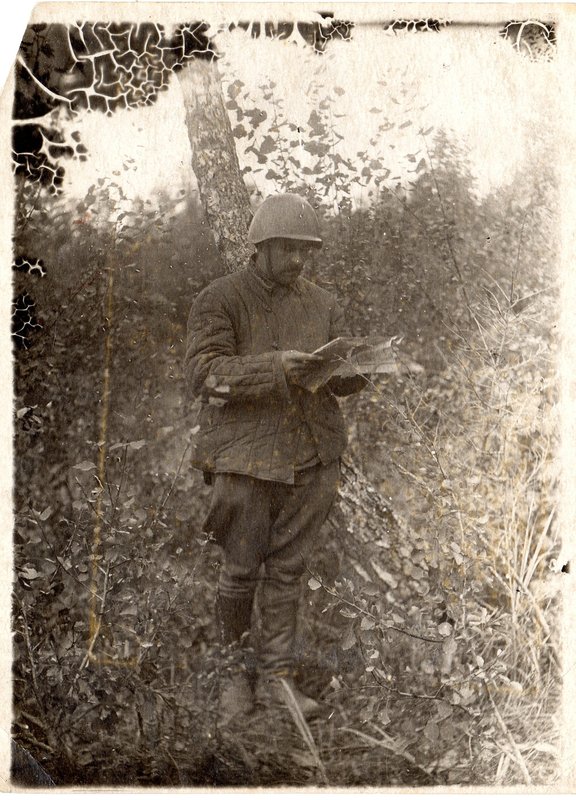
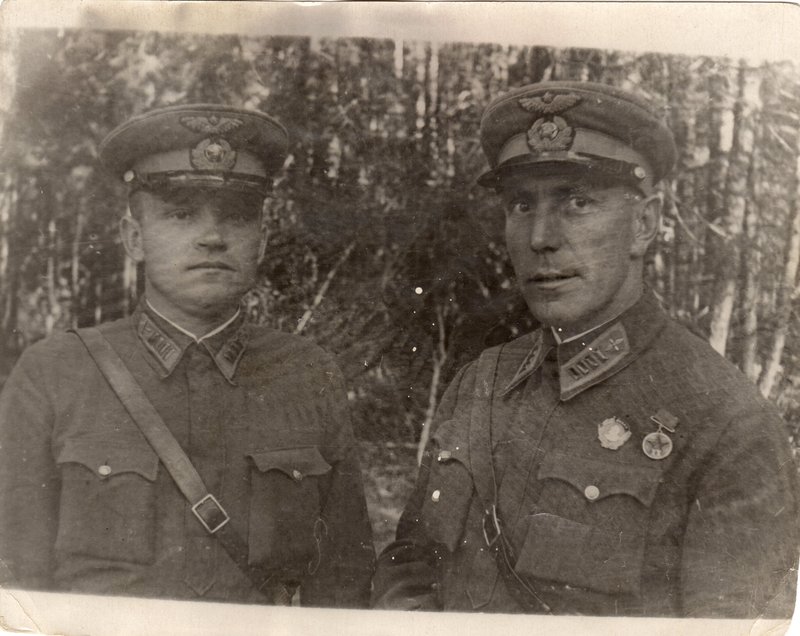
Peter Zakharov was born on 06.06.1906 (the day and month are inaccurate). He was born and grew up in Moscow, at 1/12 Ogareva Street. He worked before the draft and after the war in the "Russian electric community "Dynamo" (contemporary Moscow Electric Machine-Building Plant "Dynamo" named after S. Kirov).
In August 1941, Peter was called up at the age of 35, in the ranks of the active army to fight the German invaders. He was enlisted in the 28th Tank Brigade (24.10.1941 — 07.02.1943). The brigade later became the 28th Guards Tank Brigade
On October 22, 1941, the brigade concentrated in the Kubinka area and departed for the Western front on October 23, 1941. On October 25, 1941 it came under the operational control of the 16th Army. From October 26, 1941, it suffered significant losses in the battle for Skirmanovo. On November 21, 1941, the brigade entered the reserve of the 16th Army for replenishment and engaged in combat training.
On March 25, 1942, the brigade was placed under the operational command of the 30th Army.
On August 23, 1942, the brigade was withdrawn to the reserve of the Kalinin Front.
On September 21, 1942, the brigade became part of the 39th Army and was busy with replenishment.
On December 27, 1943, during an attack of Tiger tanks near the village of Sinyavki, one of them got stuck in a crater and was abandoned by the crew. Tankers of the 28th Guards Tank Brigade managed to pull it out and bring it to their position. The tank was completely serviceable, and the brigade command decided to use it in a combat. The crew of "Tiger" consisted of six people: a tank commander Guards Lieutenant Revyakin, the driver- Guard Petty Officer Kilivnik, commander of the gun — Guards Sergeant Ilichevsky, the commander of the turret guard Sergeant Codikow, gunner guard Sergeant Akulov. According to the brigade's documents, "the crew mastered it within two days. The crosses were painted over, and two stars were drawn on the turret instead and the word "Tiger" was written on it. The first battle of the captured tank was held on January 6, 1944, when, together with one T-34 and one T-70, it broke into the village of Sinyavki and, having dug in the tanks, held this locality for two days, allowing our infantry to gain a foothold on the achieved line.
Peter Zakharov
Peter Zakharov was born on 06.06.1906 (the day and month are inaccurate). He was born and grew up in Moscow, at 1/12 Ogareva Street. He worked before the draft and after the war in the "Russian electric community "Dynamo" (contemporary Moscow Electric Machine-Building Plant "Dynamo" named after S. Kirov).
In August 1941, Peter was called up at the age of 35, in the ranks of the active army to fight the German invaders. He was enlisted in the 28th Tank Brigade (24.10.1941 — 07.02.1943). The brigade later became the 28th Guards Tank Brigade
On October 22, 1941, the brigade concentrated in the Kubinka area and departed for the Western front on October 23, 1941. On October 25, 1941 it came under the operational control of the 16th Army. From October 26, 1941, it suffered significant losses in the battle for Skirmanovo. On November 21, 1941, the brigade entered the reserve of the 16th Army for replenishment and engaged in combat training.
On March 25, 1942, the brigade was placed under the operational command of the 30th Army.
On August 23, 1942, the brigade was withdrawn to the reserve of the Kalinin Front.
On September 21, 1942, the brigade became part of the 39th Army and was busy with replenishment.
On December 27, 1943, during an attack of Tiger tanks near the village of Sinyavki, one of them got stuck in a crater and was abandoned by the crew. Tankers of the 28th Guards Tank Brigade managed to pull it out and bring it to their position. The tank was completely serviceable, and the brigade command decided to use it in a combat. The crew of "Tiger" consisted of six people: a tank commander Guards Lieutenant Revyakin, the driver- Guard Petty Officer Kilivnik, commander of the gun — Guards Sergeant Ilichevsky, the commander of the turret guard Sergeant Codikow, gunner guard Sergeant Akulov. According to the brigade's documents, "the crew mastered it within two days. The crosses were painted over, and two stars were drawn on the turret instead and the word "Tiger" was written on it. The first battle of the captured tank was held on January 6, 1944, when, together with one T-34 and one T-70, it broke into the village of Sinyavki and, having dug in the tanks, held this locality for two days, allowing our infantry to gain a foothold on the achieved line.
0 comment



2026 © Russian Military Historical Society Developed by Jetmix