


Victor Kamoylikov
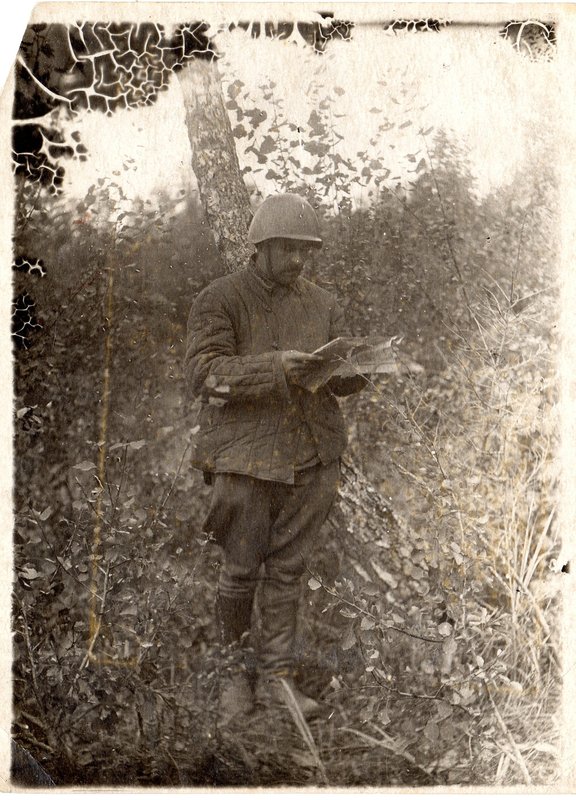
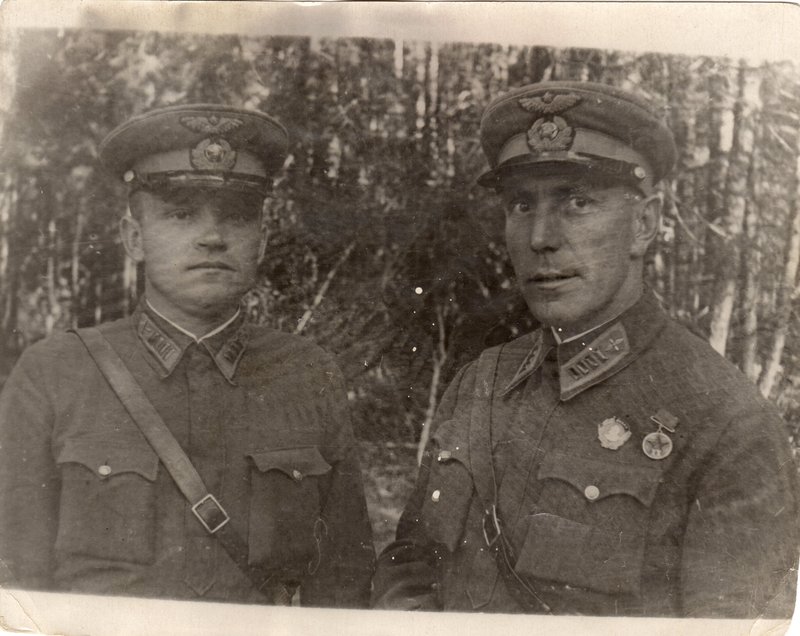
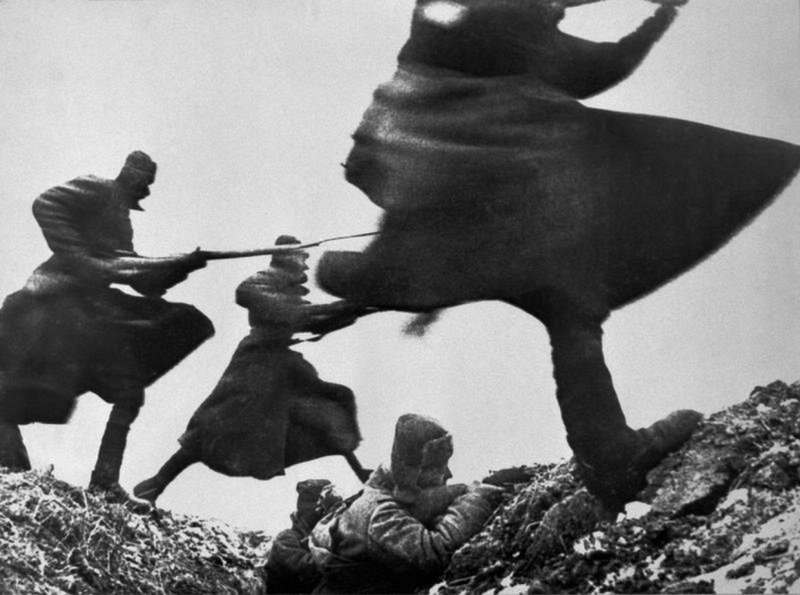
My father, Viktor kamoylikov, volunteered for the front in January 1943, when he was not even 18 years old. He fought in a company of submachine gunners of the 180th Guards Rifle Regiment of the 60th Division of the 5th Shock Army. In the first battle, he showed heroism and courage in taking the heights in Borvenki (Ukraine), for which he was awarded the Order of the Red Star. The division distinguished itself in the Battle of the Dnieper. In September 1943 the division as part of the 12th Army of the South-Western Front, freeing the city of Pavlograd, went to the Dnieper south of the city of Dnepropetrovsk, and force a crossing near the village of Petro-Svystunove, seized a foothold in villages and Voiskovoe and Vovnigy. After seizing the bridgehead, the 60th Guards Division was withdrawn to the reserve, and then transferred to Zaporozhye. In October 1943, the city of Zaporozhye was liberated and preparations began for crossing the Dnieper. For the courage and heroism shown during the crossing of the Dnieper, my father was awarded the Order of Glory of the III Degree. After the battle of the Dnieper, the division participated in the Nikopol-Krivoy Rog Offensive, the liberation of the city of Nikopol. In late 1943, the 60th Guards Rifle Division became a part of the 6th Army of the 3rd Ukrainian Front, and by mid-1944, part of the 5th Shock Army. It participated in the Bereznegovato-Snigirev Operation, crossed the Southern Bug and Dniester rivers. My father heroically went the battle path to Berlin and was awarded with thank-you lists and awards, including medals "For the liberation of Warsaw", "For the victory over Germany in the Great Patriotic war", "For the capture of Berlin", awarded the Order of the Patriotic War I Degree. The 60th Guards Rifle Division put the winning point in the war in the assault on Berlin. It captured its last battle line on April 26, 1945, in the heart of Berlin, a few hundred meters from the Reichstag.
Victor Kamoylikov
My father, Viktor kamoylikov, volunteered for the front in January 1943, when he was not even 18 years old. He fought in a company of submachine gunners of the 180th Guards Rifle Regiment of the 60th Division of the 5th Shock Army. In the first battle, he showed heroism and courage in taking the heights in Borvenki (Ukraine), for which he was awarded the Order of the Red Star. The division distinguished itself in the Battle of the Dnieper. In September 1943 the division as part of the 12th Army of the South-Western Front, freeing the city of Pavlograd, went to the Dnieper south of the city of Dnepropetrovsk, and force a crossing near the village of Petro-Svystunove, seized a foothold in villages and Voiskovoe and Vovnigy. After seizing the bridgehead, the 60th Guards Division was withdrawn to the reserve, and then transferred to Zaporozhye. In October 1943, the city of Zaporozhye was liberated and preparations began for crossing the Dnieper. For the courage and heroism shown during the crossing of the Dnieper, my father was awarded the Order of Glory of the III Degree. After the battle of the Dnieper, the division participated in the Nikopol-Krivoy Rog Offensive, the liberation of the city of Nikopol. In late 1943, the 60th Guards Rifle Division became a part of the 6th Army of the 3rd Ukrainian Front, and by mid-1944, part of the 5th Shock Army. It participated in the Bereznegovato-Snigirev Operation, crossed the Southern Bug and Dniester rivers. My father heroically went the battle path to Berlin and was awarded with thank-you lists and awards, including medals "For the liberation of Warsaw", "For the victory over Germany in the Great Patriotic war", "For the capture of Berlin", awarded the Order of the Patriotic War I Degree. The 60th Guards Rifle Division put the winning point in the war in the assault on Berlin. It captured its last battle line on April 26, 1945, in the heart of Berlin, a few hundred meters from the Reichstag.
0 comment



2026 © Russian Military Historical Society Developed by Jetmix