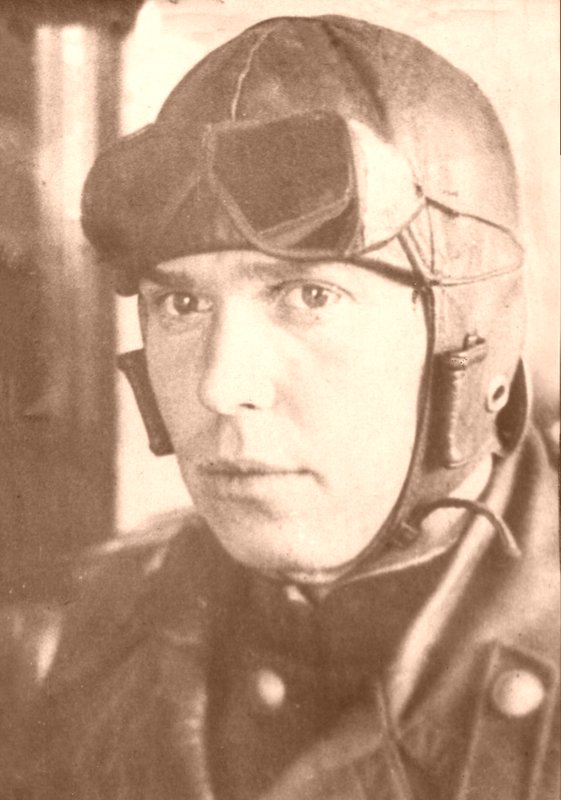
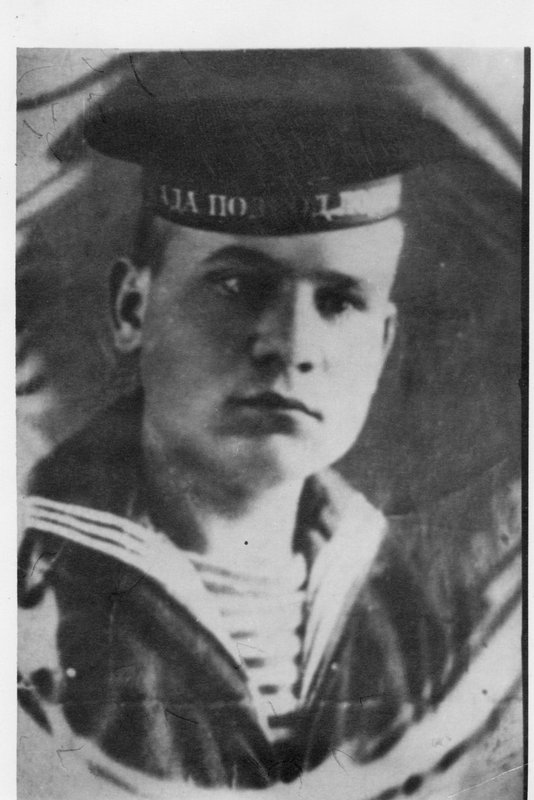
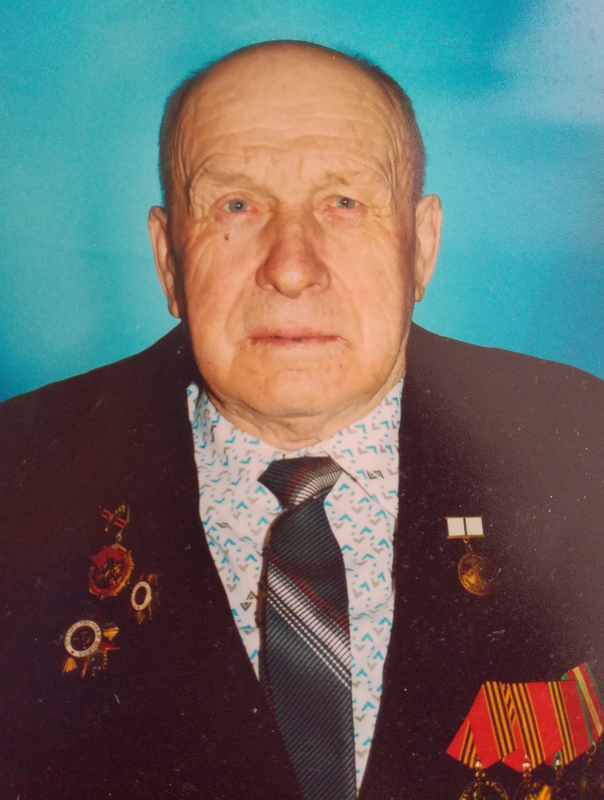
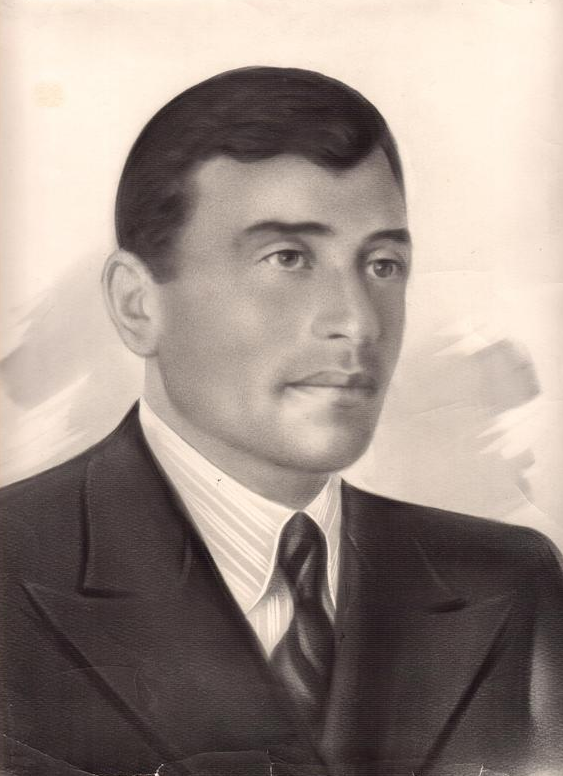
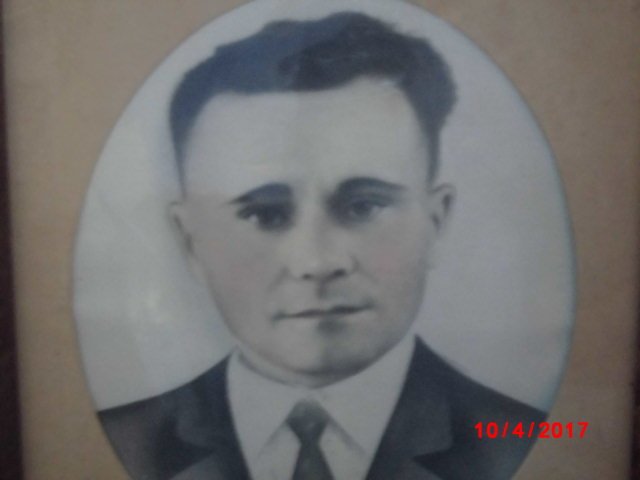
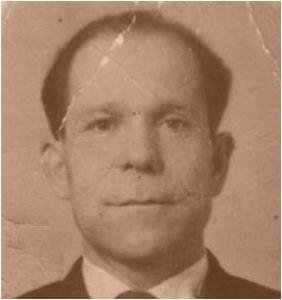
Konovalov Fyodor Vasilyevich
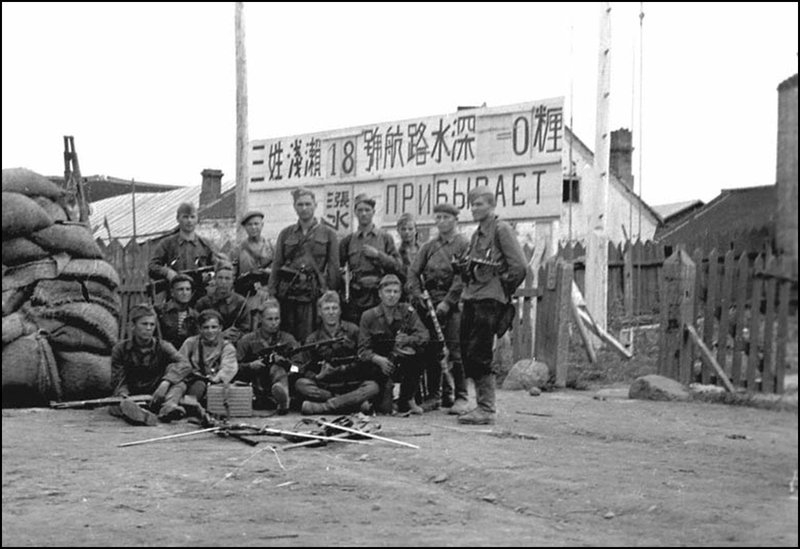
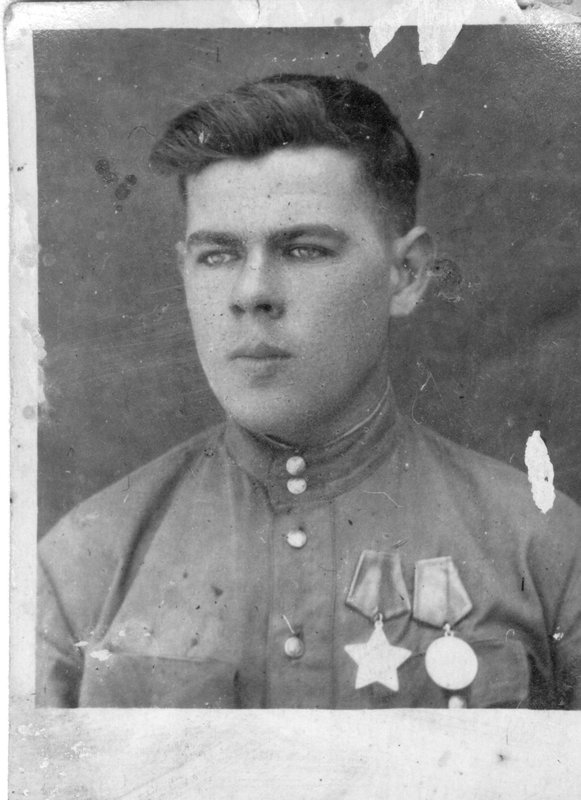
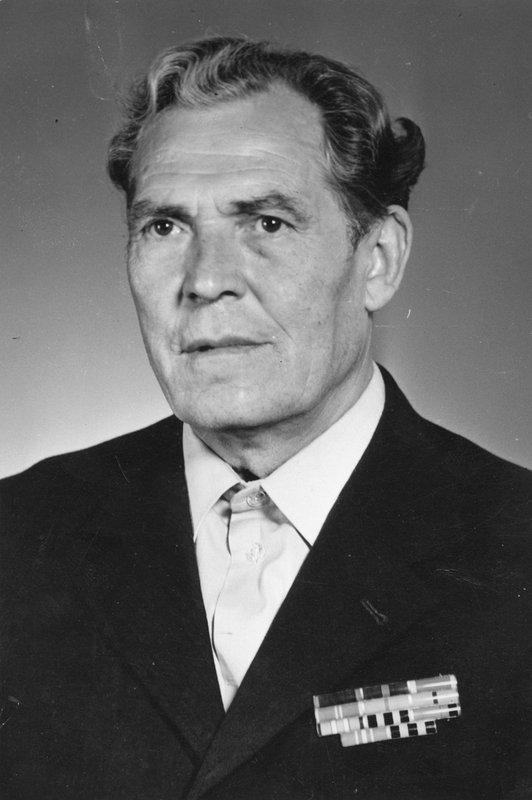
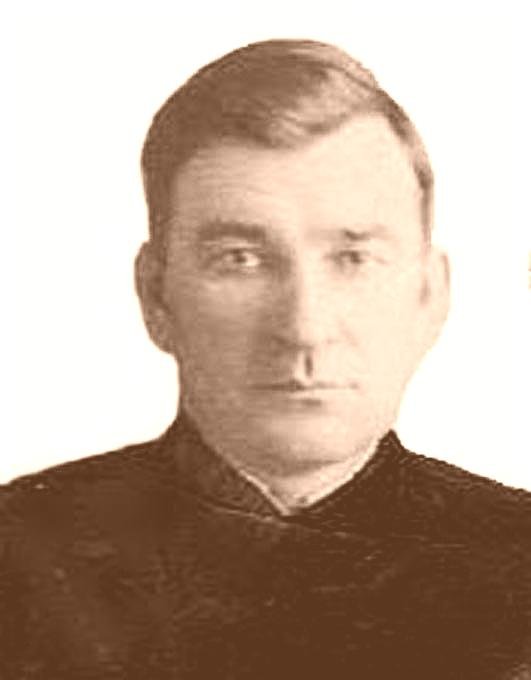
My great-grandfather, Konovalov Fyodor Vasilyevich, was born on July 05, 1918 in the village Shiroky Buerak, now - Volsky district of Saratov region, and on 01.01.1938 was called up to the Red Army as a border guard in the town of Peremyshl, where he served as a conscript in the NKVD (92 POGO NKVD 6A SZF). Today, Peremyshl is a Polish town Przemysl, near the border with Ukraine. The city was then divided by the border in the middle - along the channel of the river San. The eastern part belonged to the USSR, the western part - to the enemy, was part of the Governorate General (former Polish territories occupied by the Germans). My great-grandfather was supposed to be demobilized (complete his military service) in May and early June 1941, but ... he served as a machine-tool engineer - he knew how to set up and shoot weapons, including machine guns, there was no one to replace him at that time, and he was asked to wait for a month for his demobilisation. This month resulted in five years, six injuries and a long, long combat journey ... to Berlin. During Operation Barbarossa, the 17th Wehrmacht Army was to quickly seize (30 minutes) the bridges over the San River, occupy Peremyshl and move to Lviv and Kyiv. Our defense was based on Peremyshl fortification, the position of the 99th Rifle Division and the 92nd Border Guard Unit (where served my great-grandfather). Soldiers of the 92nd Frontier Division were the first to engage with the Nazi invaders. At 4:10 a.m. on June 22, 1941, German troops broke through the border with the USSR near Peremyshl. After art. training, they began forcing the San River on rafts and rubber boats. But as soon as the Germans entered the bridge across the river and reached its middle, the border guards opened fire. The German advance troops tried to bypass the bridge from upstream and downstream, but the border guards would not let them do so. According to eyewitnesses, the Germans were washing themselves in their own blood. The Soviet fighters and commanders fought to the last breath. Nechaev, the Deputy Chief of the Border Guard, fought back from enemies to the last moment, and then, left alone, blew up both himself and approaching fascists with a grenade, stepping into immortality. And my great-grandfather with his easel machine gun "in the battle for the Motherland at 151 in the Medik area for two days (22-23-24.06.41) held back the onslaught of the fascists, with his courage inspiring the fighters. He was left alone with an easel machine gun, securing a new position with units of the Red Army, and when leaving the battle under heavy gun fire, he carried an easel machine gun” Weight of the Degtyarev machine gun, then in service - 14.3 kg empty, box with a belt for 200/250 rounds of 8/9.4 kg, for which was presented on June 24, 1941 to the Order of the Red Star. But the Germans still seized the Peremyshl... Though on June 23rd the Red Army repulsed it! It was the first town to be liberated by the Red Army, just on the second day after the war. It alone would have been enough for eternal pride for my ancestor, but...he went through the whole war, serving in the intelligence service. He graduated from the Higher Border School in 1943 (of course, there were no others during the Great Patriotic War) and welcomed the Victory in the title of captain in Berlin by signing the Reichstag. Behind his back at the end of the war there were six wounds (three light and three heavy) and three funeral notices. Now in Russia and Germany there is his surname on the mass graves... When we were in Berlin, my mother and I specifically came to the Reichstag walls to worship the memory of our grandfather and great-grandfather. My great-grandfather lived a good, honest, though not very long life - 65 years (apparently, the war wounds made themselves known), raised good children. And all his life he was sincerely proud of his Homeland and there was no holiday more important and sacred for him than Victory Day. We will never forget about his feat!