Mikhailov Ferapont Mikhailovich
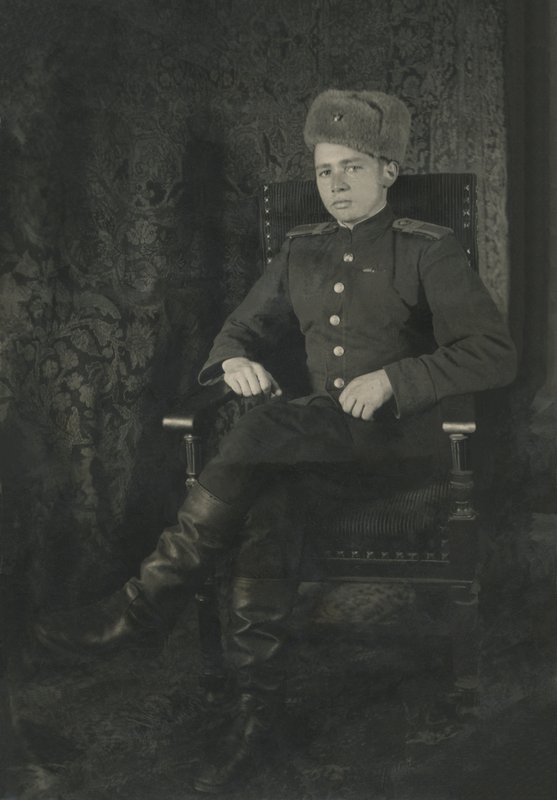
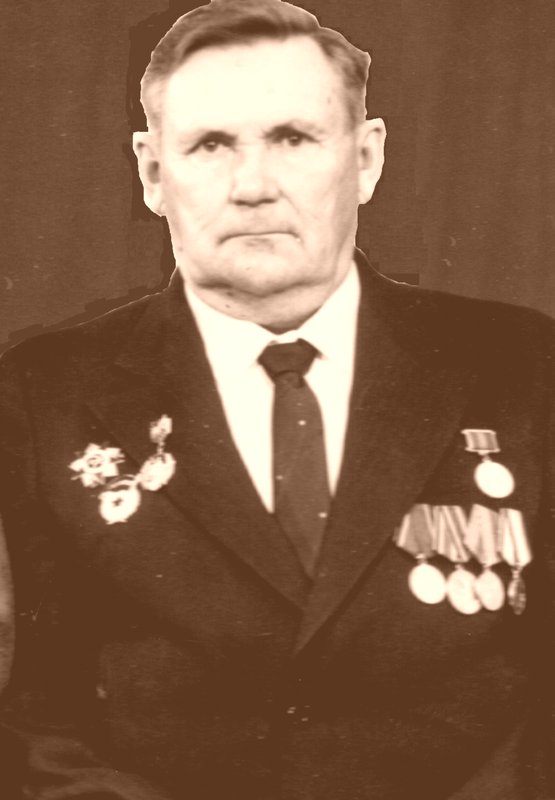
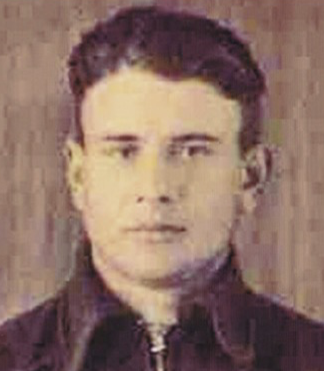
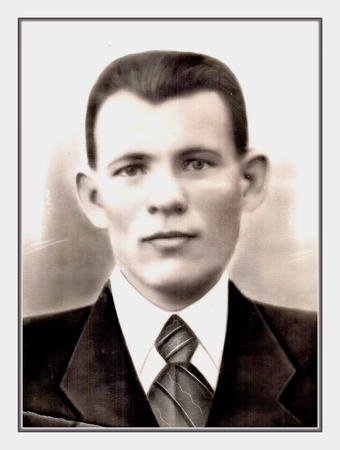
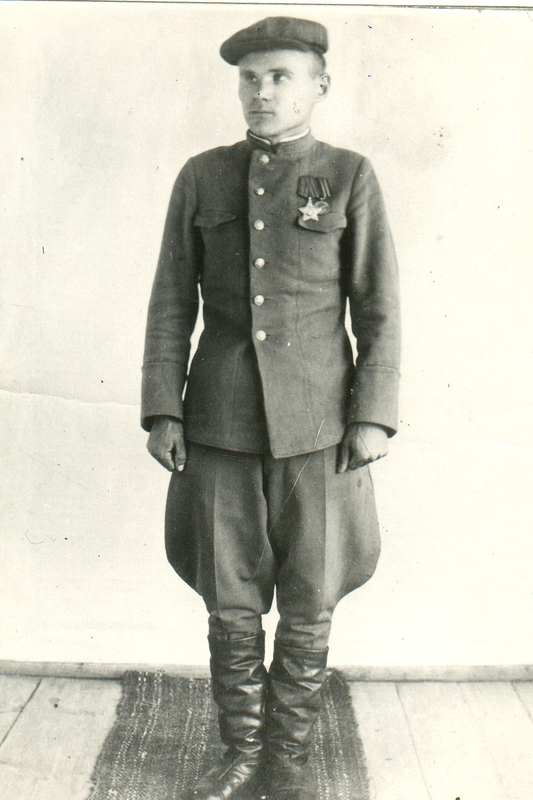
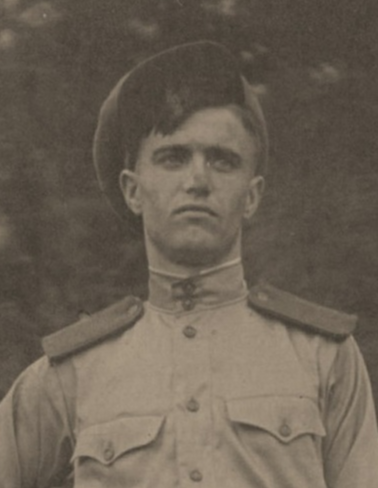
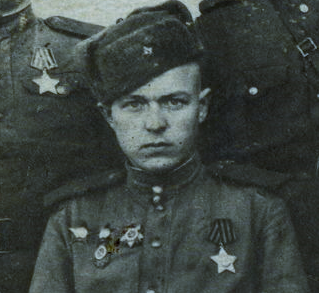
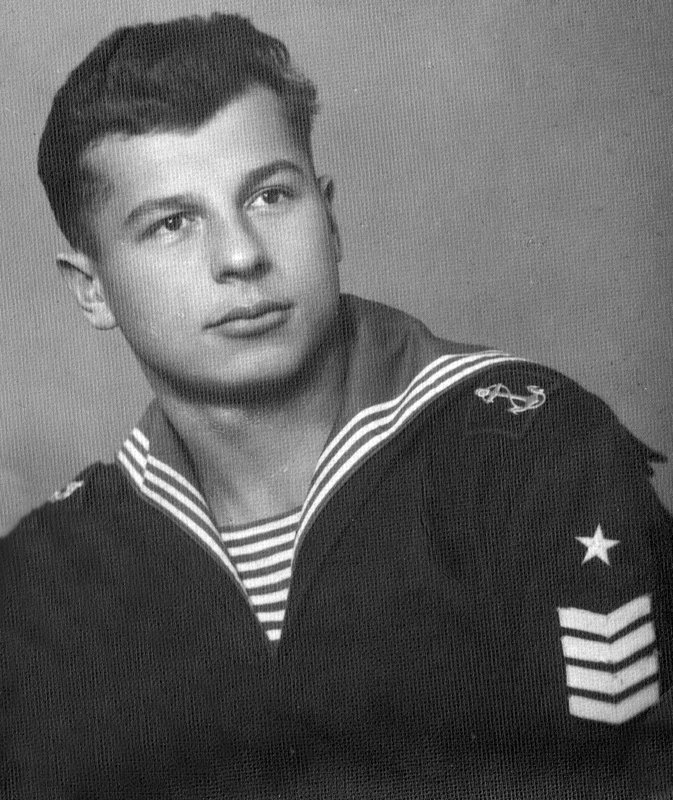
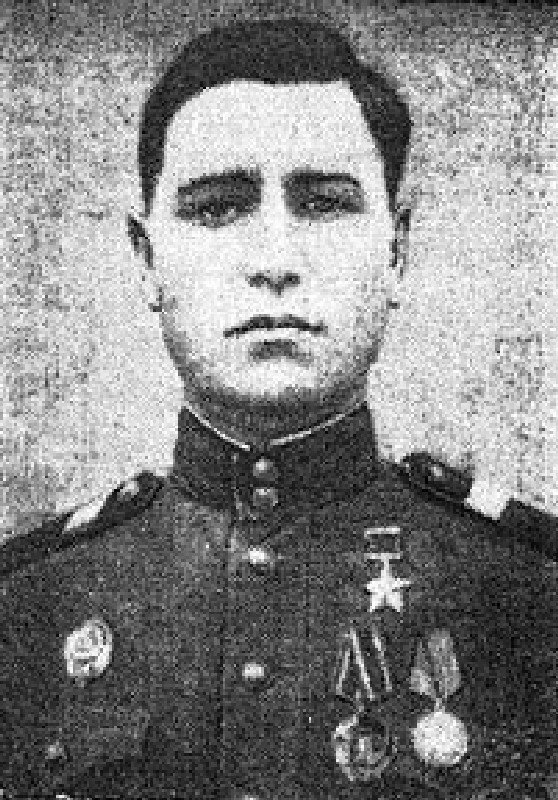
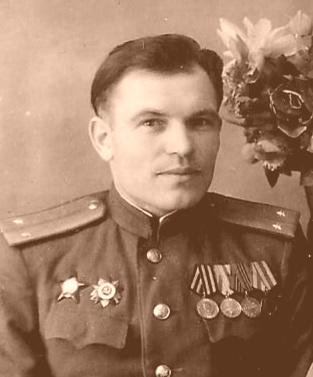
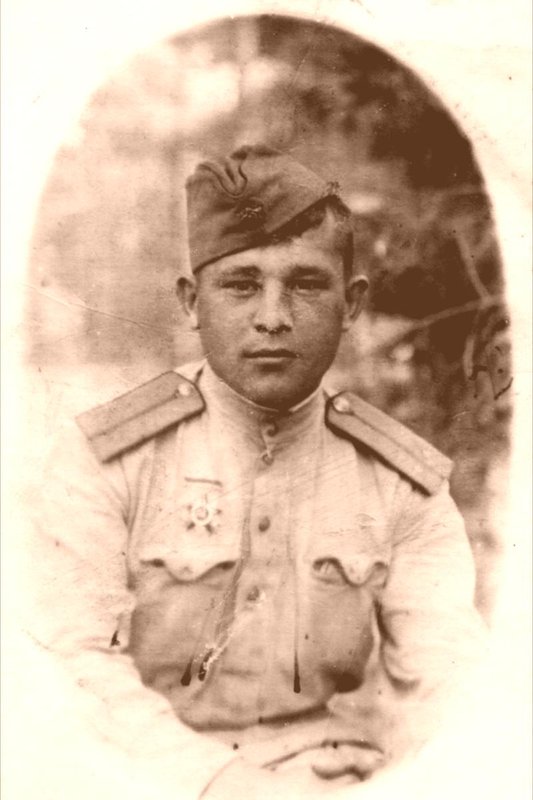
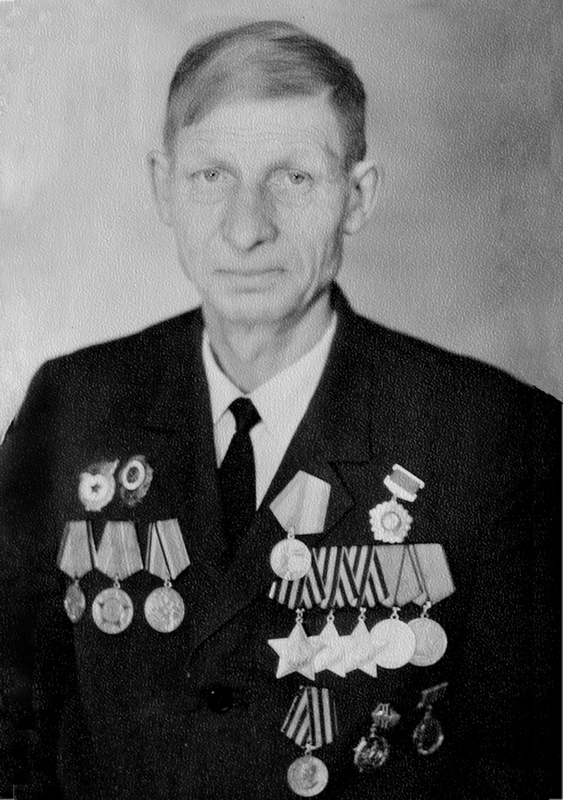
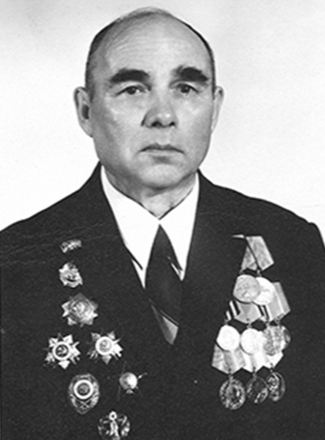
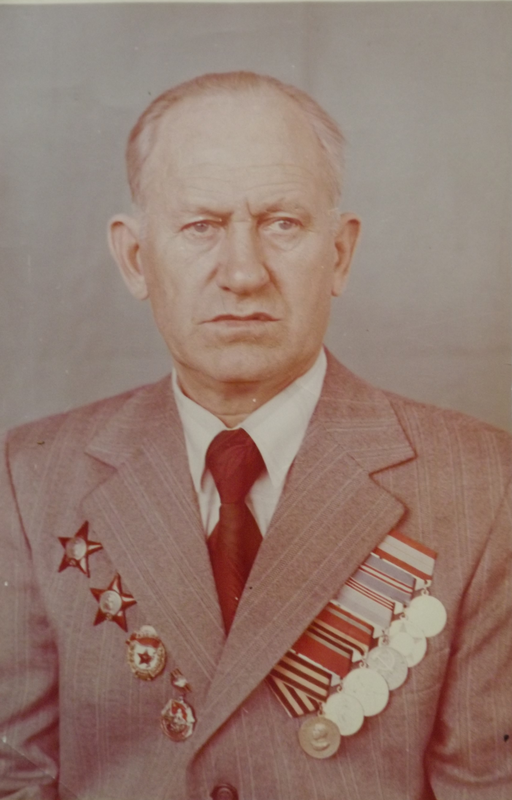
Mikhailov Ferapont Mikhailovich was born on December 27, 1918, in the Urmarsky district of the Chuvash Republic. Before the war he moved to the city of Kazan, the capital of the Tatar ASSR. Не was drafted into Red in the fall of 1939 by the Molotov Military Commissariat of the city of Kazan. He went through the Great Patriotic War from the first to the last day as a Senior Sergeant, Squad Commander of the Reconnaissance Platoon of the 115th Cavalry Regiment of the 8th Cavalry Far Eastern Debrecen Division. For valor and courage he was awarded the Orders of Bogdan Khmelnitsky III degree, the Red Star and the Patriotic War II degree, two medals "For Courage", the medal "For Victory over Germany in the Great Patriotic War of 1941-1945." in the Great Patriotic War. _x000D_
In 1985, in honor of the 40th anniversary of Victory, Mikhailov Ferapont Mikhailovich was awarded the Order of the Patriotic War of the 1st degree. He had many thanks from the Higher Command for participating in the capture of large regional centers, important strongholds of the Germans and railway junctions in Ukraine, Bessarabia, Poland, Hungary and Czechoslovakia. _x000D_
Everyone went through hardship at war, but reconnaissance survey was always ahead after all and felt it stronger. From the memoirs of Ferapont Mikhailovich: _x000D_
“The cavalry corps of General Sokolov entered the breakthrough. The 8th Cavalry Division was targeting the enemy rail and road junction of Modra. Our regiment went in vanguard under the Regiment Commander, a native of Kazan, Major Girfanov from the division of Major General P.A. Khrustalev. Reconnaissance survey on the 70-kilometer route of the regiment and on the outskirts of the city was entrusted to my recon squad. We worked accurately and used our experience. The execution of every order was associated with risk. _x000D_
However, there were some curious stories along the way. So, in one of the villages, where we entered in order to compare the map with the testimony of local residents, we stumbled upon 14 sleeping German officers in the house. Not at a loss, I shouted for them to surrender, since the village was allegedly occupied by the Russians. So we took them prisoners and sent half-naked from the village under the guard of only one soldier. _x000D_
In another village, right from under the nose of the Germans, we seized a staff carriage._x000D_
To deliver reports say: "the village is occupied by the Germans, the Germans are sleep", or "the street along the route is free", to the regiment, which followed a few kilometers behind the main group of recons. To turn around as quickly as possible through the same German-occupied village, to catch up and join the regiment, and be ready for the next immediate reconnaissance mission, this was possible only up to the very experienced soldiers. _x000D_
And this time, we carried out the order when approaching the city of Modra. The regiments captured the city with battle. For a successful operation, the squad was awarded orders, and the author of these lines was awarded the Order of Bohdan Khmelnitsky. _x000D_
In the history of the Great Patriotic War, cavalrymen showed glory and courage in the military missions. Just to remember the bloody battles during the pursuit of the enemy, especially near the city of Orsha, when Hitler ordered to destroy the "Russian locust cavalry". The horses went through extreme hardships, too. _x000D_
The picture of the terrible carnage near the Dubno station, where the "invincible" Germans found their end, remained in my memory. Here, our cavalrymen attacked the enemy in full-profile trenches as soon as the morning milky fog had cleared up. We did not expect the trenches at such a proximity as 15 metres from us, but our mortars were good fellows. They were the first to open fire. The Germans got what they deserved, and we got our share of losses, too. _x000D_
On the Victory Day May 9, 1945 upon returning from the mission, we met a group of soldiers and officers at the edge of the forest. They shouted hurray, threw up their caps, hugged, kissed in unrestrained joyful intoxication with joy. It was Victory! Unconditional Act of German Surrender to the Armed Forces of the Soviet Army! Our joy knew no bounds! However, the war is not over for us yet. _x000D_
_x000D_
Besides the German SS, there were also the Vlasovites, who did not recognize the Act of Surrender. To avoid provocation on their part, we were ordered to move urgently to Prague. But the Vlasovites were cowards, they did not show resistance. In the first village they greeted us with music, and their women and children, dressed up nicely ran towards the Reconnaissance Cavalrymen. _x000D_
My reconnaissance squad was ordered to follow 60 kilometers ahead and meet the regiment for further movement in the morning. Having passed more than half of the road, we found ourselves in the forest in the midst of retreating German motorized unit, stretching for more than 20 kilometers. _x000D_
I sent a report that the road was occuppied by wermacht, and the regiment had to move along a different route. _x000D_
As for us, we went straight through this German unit. Hundreds of guns of all types and calibers, directed in our direction, were silent. A thousand cars bunched up close in 4-5 rows, running into each other. _x000D_
And we, the four reconnaissance cavalrymen, had managed to squeeze between the cars that stood close to each other, bypass them and pass under the anti-aircraft guns pointed at the sky, under the gloomy glances of sworn enemies. It was like a terrible dream. It was hard to believe that we were peacefully moving among the Germans, though under a great nervous tension, who fired at you yesterday and brought innumerable calamities to our people. But it was for real. Having traveled 80 kilometers that day to the indicated area of the meeting with our regiment, we, exhausted, fell deeply asleep about midnight. In an early sunny morning, woken by the singing of birds, we drove onto the shosse and met a vigorous cavalry regiment under the command of my fellow countryman Major Girfanov, who was aware of the story with the German unit. It was the second peaceful day of the long-awaited Victory, the Victory of the Russian people over German fascism, and for us reconnaissance officers it was doubly long-awaited, wonderful and unforgettable." _x000D_
_x000D_
Ferapont Mikhailov is a fine-art and graphic artist. The first work he created after the war in 1947 was called “The cavalry recons”. His linocuts are dedicated to military themes: "Before the battle", "Gathering of commanders", "For the Motherland!" other. Until the end of his life, he was the chairman of the Council of War Veterans of the Tatar branch of the Art Fund of the RSFSR. Ferapont Mikhailov died on July 18, 1987. _x000D_
We are proud of him and will always remember him with love.