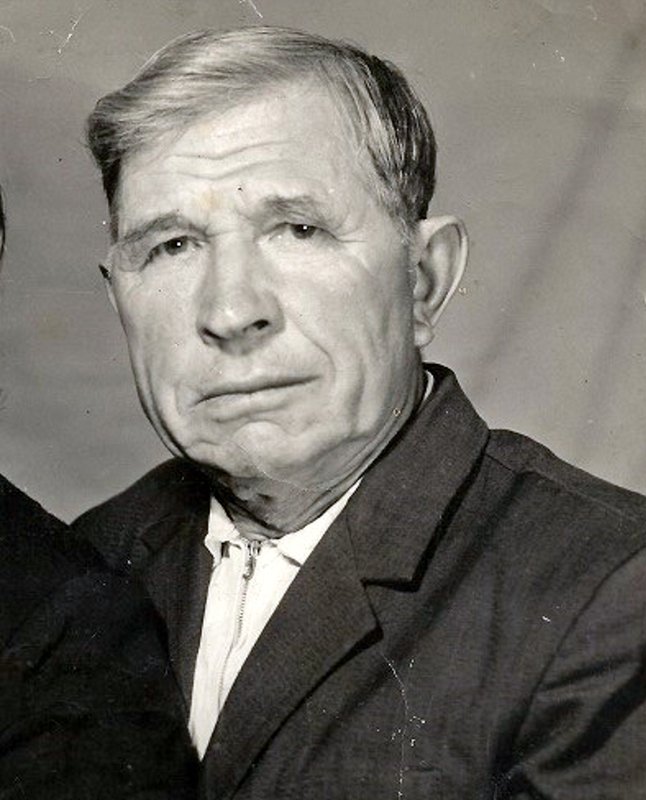
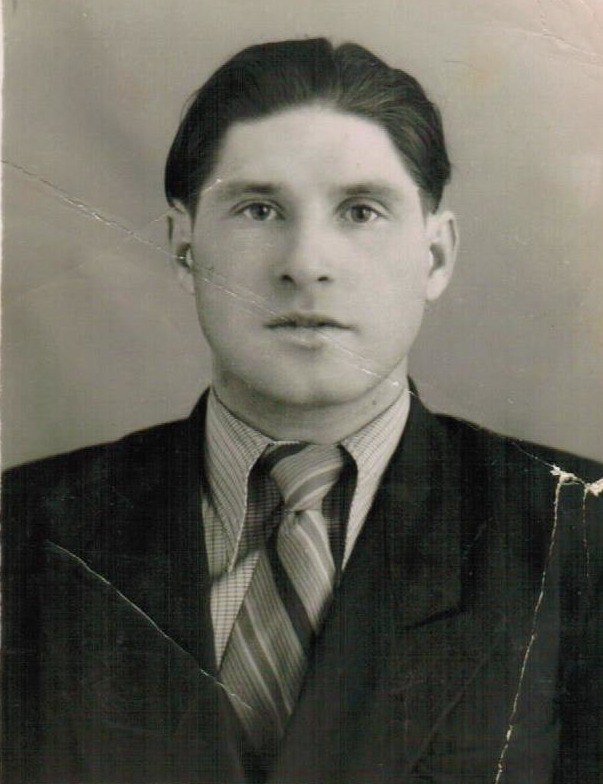
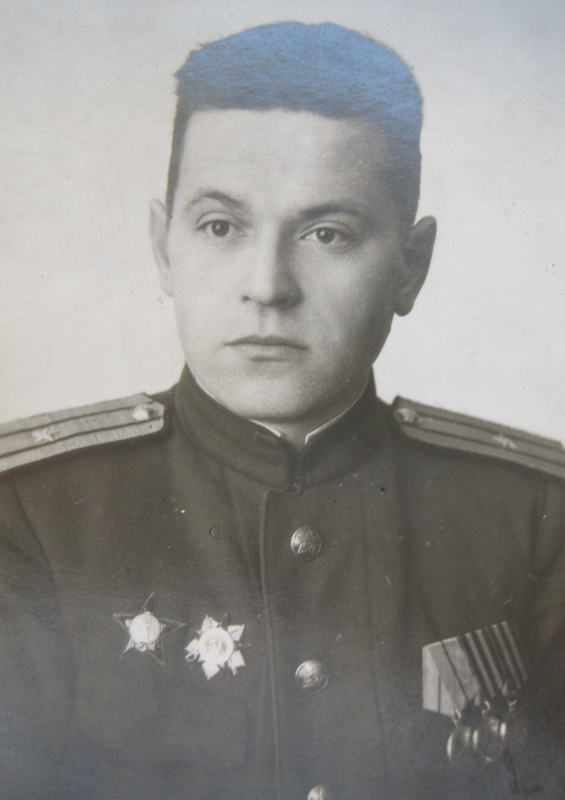
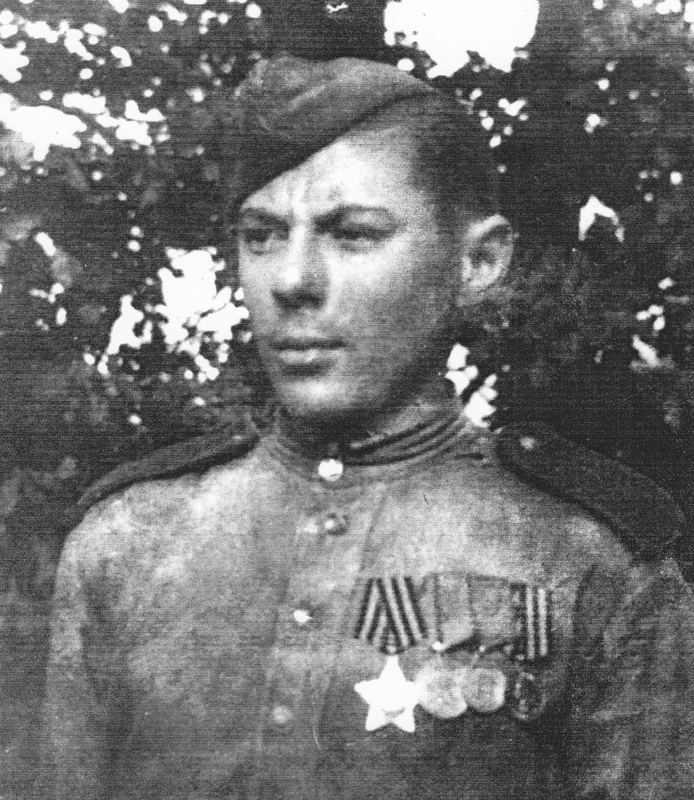
Repkin Akim Vasilyevich
Repkin Akim Vasilyevich_x000D_
_x000D_
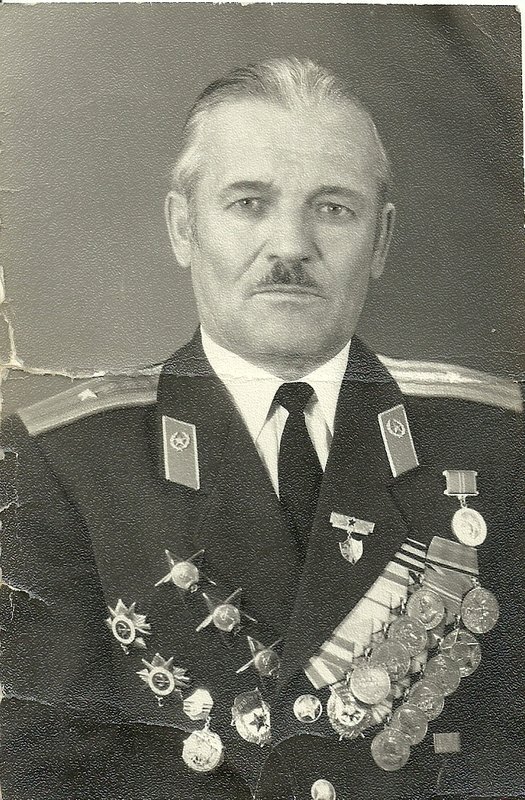
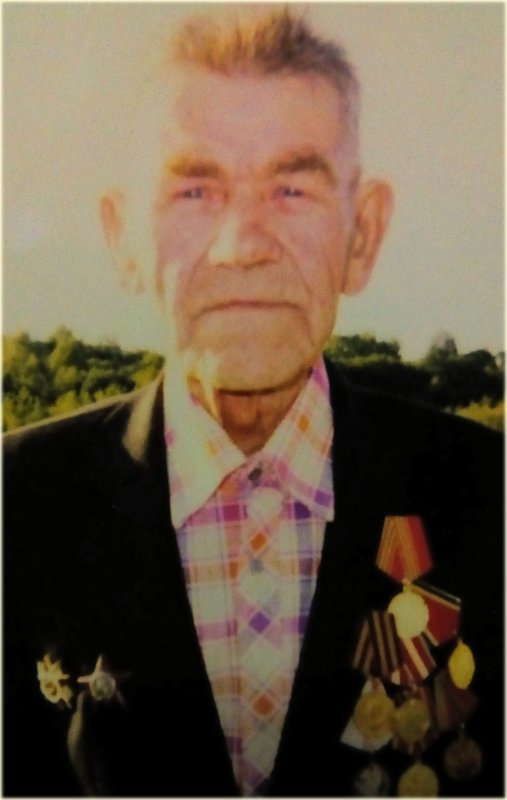
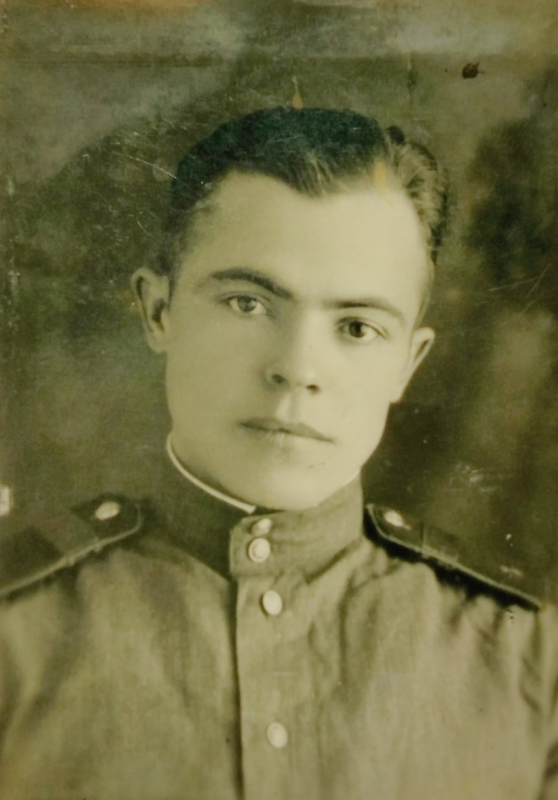
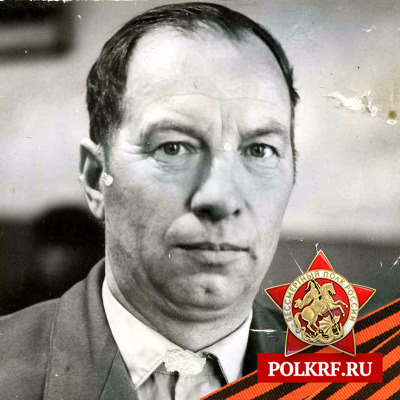
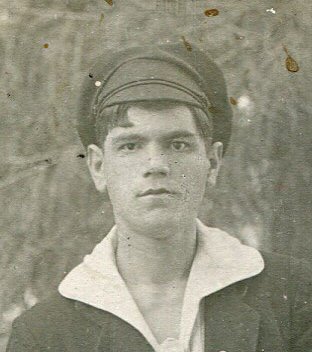
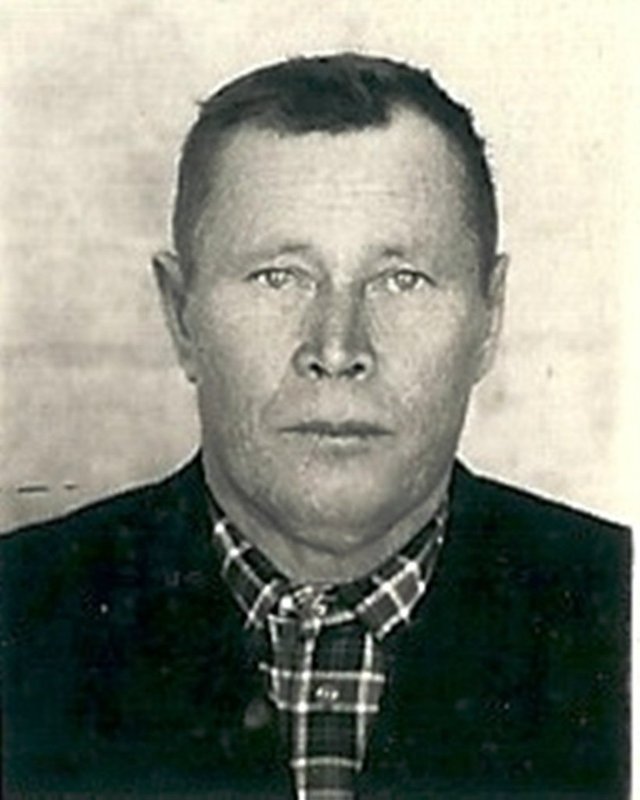
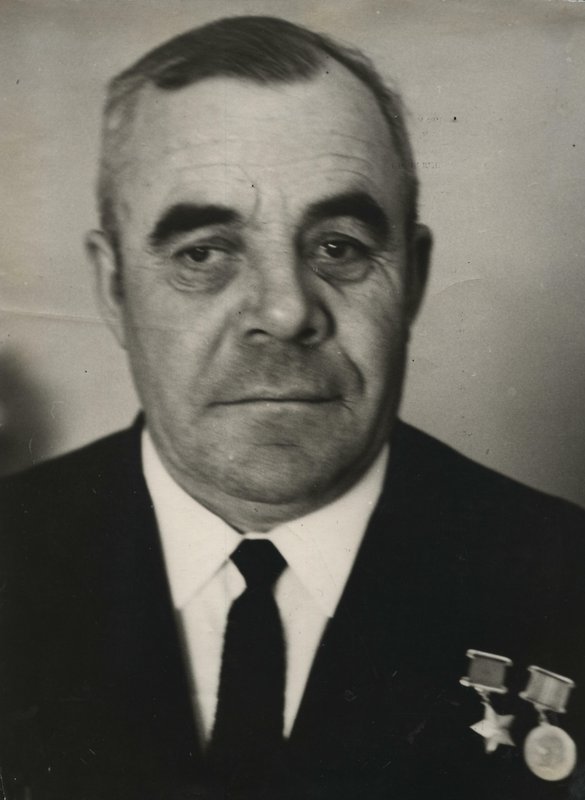
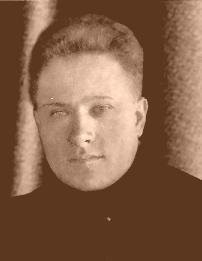
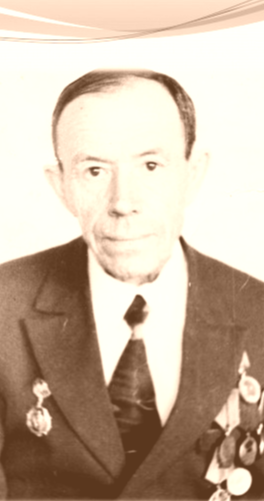
Rank: Senior sergeant. Branch of service: army, air force (except marine aviation), the coast guard, the troops of the NKVD border troops. In every city and village of our country, former veterans live. And although they are becoming fewer and fewer every year, but those who survived, keep the memory of the departed sacred. The memory of them lives on in the people. I want to tell you about our fellow countryman, hero of the Soviet Union, Akim Vasilyevich Repkin. Akim Vasilyevich Repkin was born on September 20, 1914 in the village of Harkeevka in the Starooskolsky district in the family of a poor peasant. He graduated from elementary school. He started his working life very early. At the age of thirteen, his father sent him to work for kulak. At the age of sixteen, Komsomol member Akim Repkin worked at a mine in the Donbass. Here, in 1936, he was drafted into the army. From 1936 to 1939, he served in the Red Army in the far East. After demobilization, he remained to live and work in the city of Blagoveshchensk. When the war began, he asked to go to the front as a volunteer. The regiment in which Akim Vasilyevich was enlisted was arriving at the South-Western front, near Kharkiv. Here in October 1941, the baptism of fire took place. 1942. German-fascist hordes are rushing to the Volga. The battle of Stalingrad, a fierce, harsh, and persistent battle unprecedented in the history of war, began. The battalion in which Repkin served was assigned the task of crossing the don river, breaking through the enemy's defenses in the direction of the city of Serafimovich. Prepared carefully. They tied up a raft from improvised materials, loaded weapons and ammunition on it. And at nightfall, at a signal, they threw themselves into the water. "Go ahead, guys!" - the squad leader hurried his men. The cannonade did not abate. At first, the indiscriminate firing of the enemy became more focused. The soldiers stormed the German fortifications. The enemy's defense line was breached, and the task was completed. Then there was the gum, which was also forced. After Kursk and Orel again water barrier-the Dnieper. The Nazis were firing heavily. The sappers took shelter in the coastal Bush. No violent counterattack, no heavy fire of the enemy could not prevent the crossing. For two days, pontoons were transporting people, equipment, ammunition, and medicines without sleep or rest. And when the sounds of battle rolled away far beyond the Dnieper, the sappers began to build a floating pontoon bridge, which soon crossed the army. The offensive continued. And Akim Vasilyevich attached to his tunic the medal "for bravery", received for the courage shown during the crossing of the Dnieper. In the spring of 1944, the order of the Red Star was added to the military awards. This is for crossing the Prut river. In the second half of January 1945, the 49th separate motorized pontoon bridge battalion under the leadership of Colonel Borodin reached the Oder near the city of Steinau. Intelligence reported that the only surviving bridge in the area was mined. In the evening, the Deputy commander of the fourth tank army, major General Poluektov, drove up to the group of pontoons. Opening the car door, he called senior Lieutenant Krupnikov to his side. "Tankers need a bridge. Are there any specialists in mine clearance? " - " we will find it, comrade General!" The execution of combat missions by the battalion commander has placed on Repkina. The Junior Sergeant put the platoon on the car and headed for the bridge. The soldiers were forced to spread out, dashing and crawling forward for two kilometers due to heavy mortar fire. When the bridge was two hundred meters away, Repkin left the soldiers in place, and he and private Akhmetov, Komsomol Famankhin crawled to the road, then ditched to the bridge. At a convenient moment they removed the sentries. A green rocket shot up into the gray sky: the way is clear! On the same day late in the evening the battalion was alerted and was ordered to secure the crossing of troops over the Oder near the town Cabin. Junior Sergeant Repkin's squad was the first to reach the river. The landing party was already at the shore. After 10 minutes, the first pontoon, loaded to the limit of the infantry, sailed off the shore. Repkin was driving the pontoon. The rapid current and floating ice floes made it difficult to move. There were the booming shots of guns and mortars, machine-gun bursts, and the unbearable screeching of bombs. Shells split the ice floes. Skilfully maneuvering between the bursts of shells and mines, between the ice floes, Repkin resolutely led his pontoon to the Western shore. And when the landing party, having caught on a piece of land, entered the battle, Akim Vasilyevich sent his pontoon after another group of fighters. And again, the shells burst, again the shrapnel. For two days, Akim Repkin's Department worked under continuous fire without rest or sleep. It transported 2 infantry battalions, 10 guns, 3 tanks, and many other weapons and ammunition across the Oder, which ensured the capture and consolidation of a bridgehead on the left Bank of the river. On April 10, 1945, by decree of the Presidium of the Supreme Soviet of the USSR, Akim Vasilievich Repkin was awarded the Rank Hero of the Soviet Union for successfully crossing the Oder and for his heroism and courage. At the same time, he joined the CPSU(b). The war ended for Repkin on April 28, 1945. While participating in the assault on Berlin, he was seriously wounded. He learned about the victory in the hospital. After the war, Akim Vasilyevich was demobilized. Lived in Carscom district of the Chita region, then moved to his native village Kharchevka of Volodymyrovsky village Council. In the early 60s, Akim Vasilyevich worked as the head of a dairy farm in the village of Vladimirovka. At the same time, he was given an apartment in the city of Stary Oskol, where he moved the whole family. But Akim Vasilyevich never forgot his small homeland. He constantly came and met with young people, industry leaders and ordinary residents of the village. At the invitation of the pioneers of the Vladimirskaya secondary school, Akim Vasilievich repeatedly visited the school and talked with the children. The Museum of the Vladimirskaya secondary school contains photos of A.V. Repkin and a note written by Him on February 5, 1972. When once again Akim Vasilyevich was invited to a meeting with students, he wrote that he was glad to be invited and that he would definitely fulfill the request of the students. But, unfortunately, the shattered health did not allow this meeting to take place. In the late 80's, on May 11, 1989, Akim Vasilyevich died. The Motherland has not forgotten the hero's feat. In honor of Akim Vasilyevich named one of the streets of Stary Oskol, his bust installed in alle Heroes. His memory will be passed down from century to century. And we will be proud that we had a chance to live on the same land together with our famous countryman – Repkin Akim Vasilyevich.