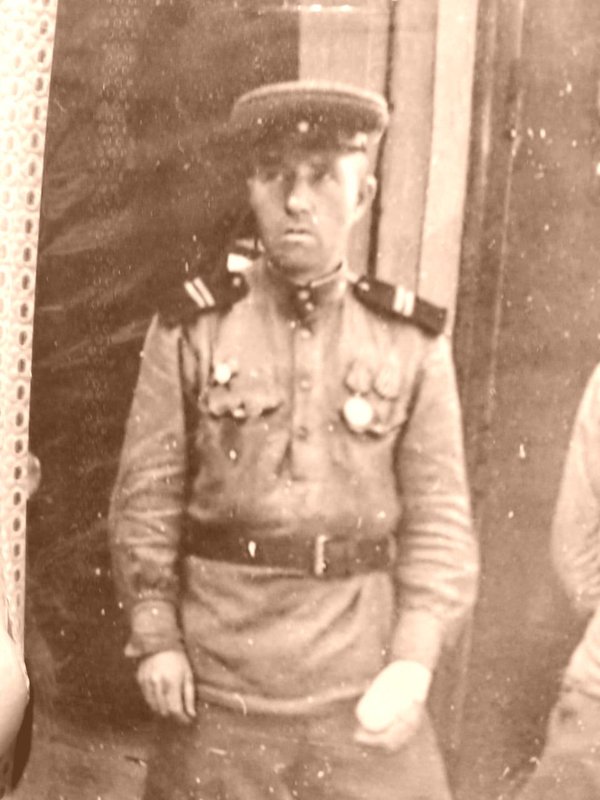
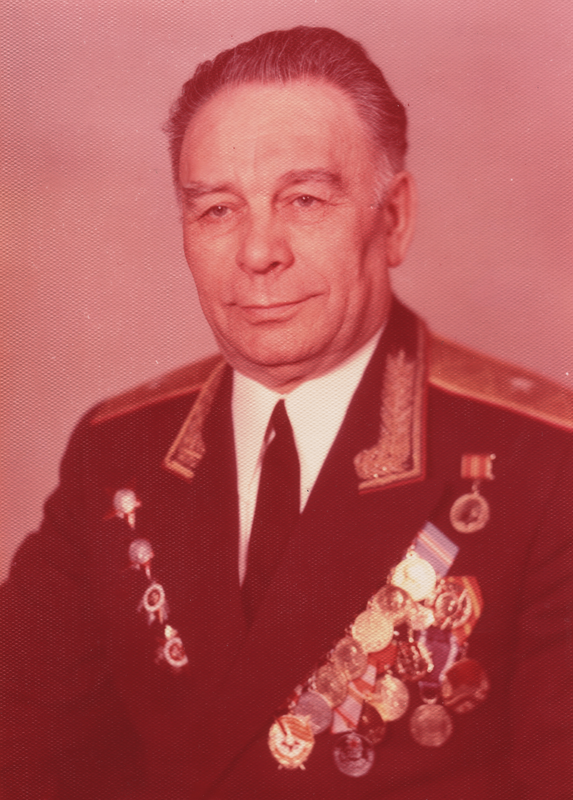
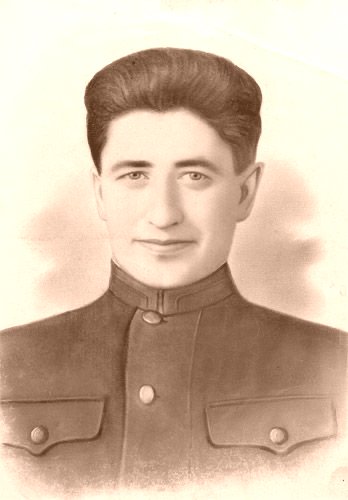
Kvashnin Vladlen Yegorovich
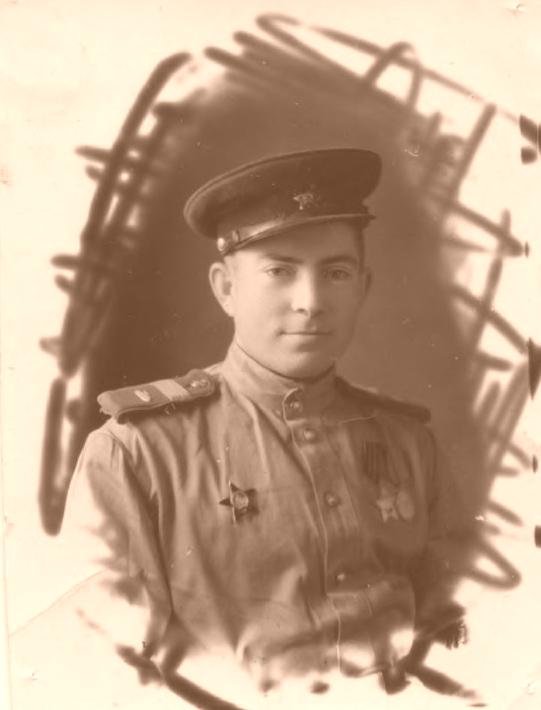
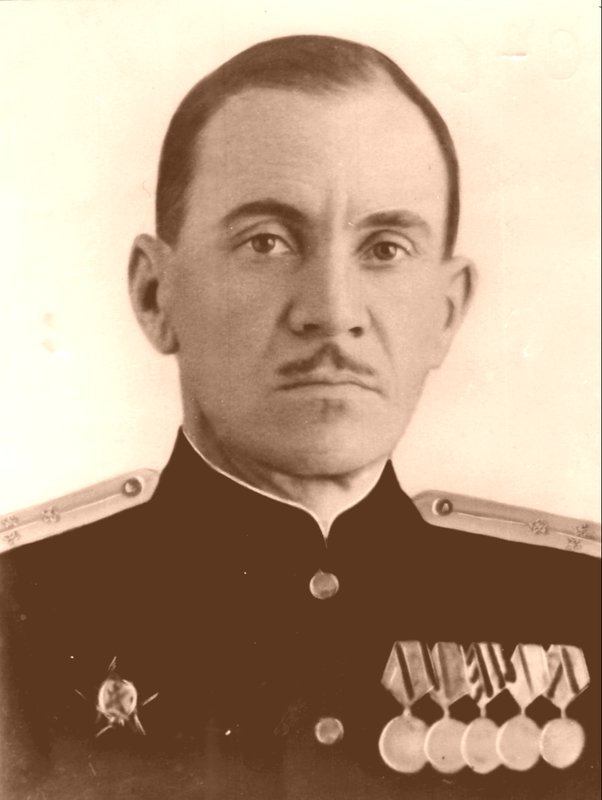
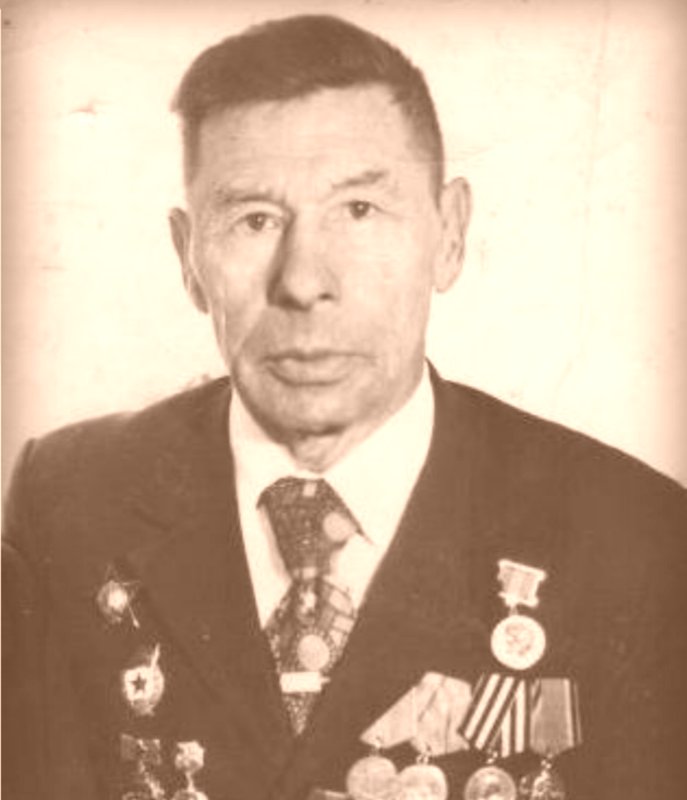
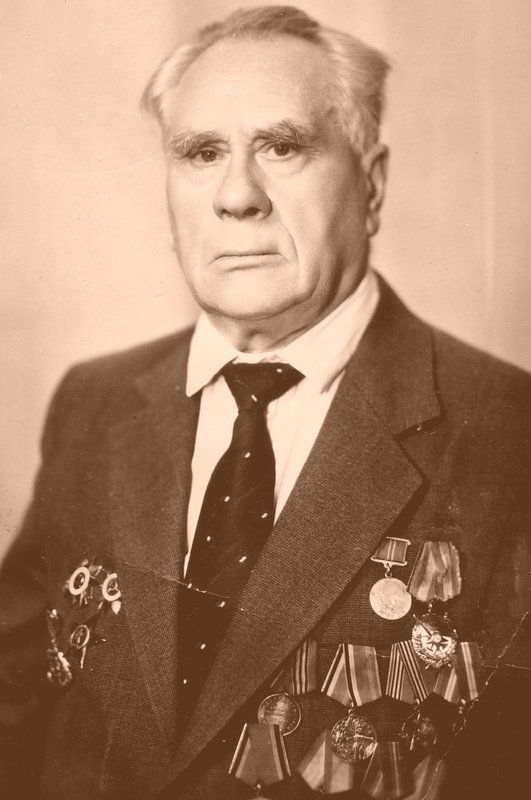
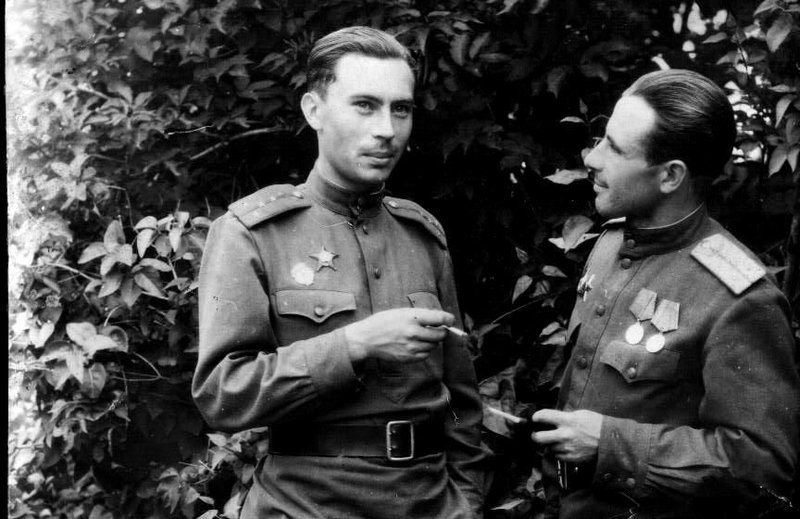
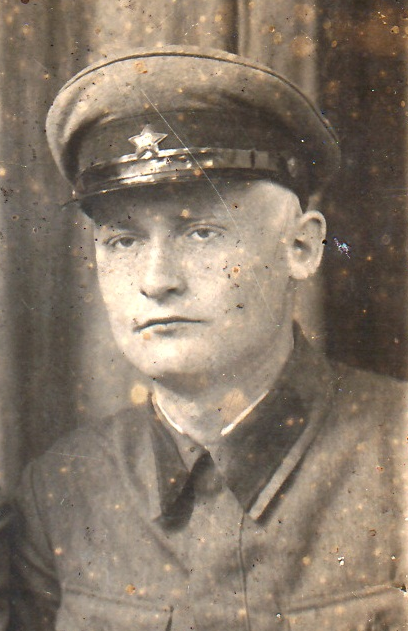
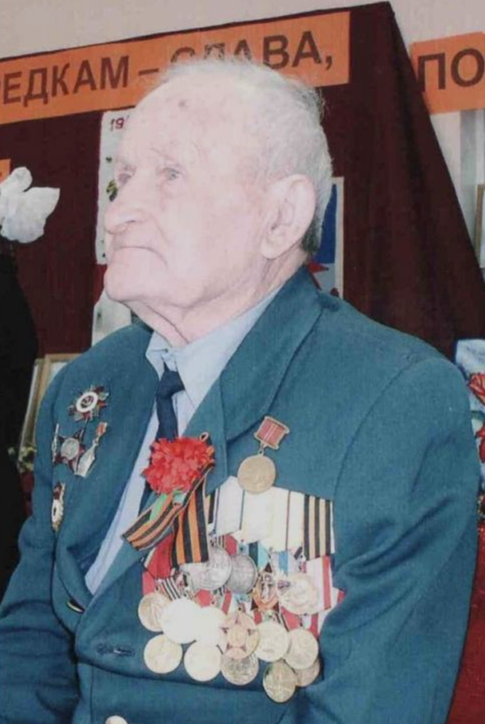
Rank: Red Army soldier. Branch of service: army, air force (except marine aviation), the coast guard, NKVD border troops. Division: 284th rifle division (1st formation). Vladlen Egorovich Kvashnin is a Hero of War. My great-grandfather id a veteran of the Great Patriotic War, infantryman, knight of the order of Glory of the III degree, of the order of the Red Star, of the order of the Patriotic War of II degree, order of Patriotic War of the I degree. Despite all the difficulties and hardships that had to be endured during the war of 1941-1945, great-grandfather considers himself a happy person. He had to fight four times as part of the 284-79 guards’ order-bearing Zaporozhye division, which being part of the 62-8 guards’ army of V. I. Chuikov, fought its way from Stalingrad to Berlin. The division was formed in Tomsk in 1941 from Komsomol members and the youth of Tomsk, Novosibirsk, Kemerovo regions, and the Altai territory. After its formation, it left for the Bryansk frontline. After intense combat at Kostornaya station, the division was withdrawn to Krasnoufimsk for reformation. Here, the sailors of the Pacific fleet joined the division. In September 1942, the division recaptured Mamayev Kurgan from the Nazis and defended this important mount until the end of the battle of Stalingrad. My great-grandfather recalls: "The view of the city on this night has been ingrained into my memory for a lifetime. The entire wide channel of the Volga river was engulfed in bright flames: oil, diesel fuel, and gasoline, which seeped from the oil storage as a result of bombing and shelling, was burning. The signalmen and part of the sapper battalion were the first to cross. The rest of the units followed, under heavy artillery and mortar fire. Immediately, we entered the battle for the Red October Factory, captured by the Germans. Then the division received Chuikov's order to storm Mamaev Kurgan, which in the operational maps was called height 102 and was important in the battles for Stalingrad. The enemy placed its air guidance stations, artillery and mortar observation posts on Mamayev Kurgan and, from this height, adjusted their fire. The slightest movement of our troops was immediately suppressed by fire. The enemy was attacking incessantly, but the Siberians were as immovable as a mountain. Stalin's order No. 227 - "Not a step back!" - was executed. The battle of Stalingrad ended. For another month, the division where my great-grandfather served stayed on its line. After the battle of Stalingrad, the division became known as the 79th guards’ Red Banner, after a short break and reinforcement, on June 19, 1943, it made an offensive. On September 13, 1943, the division liberated the city of Zaporozhye, for which it received the honorary name "Zaporozhye". Vladlen Yegorovich also participated in the battle of Kursk, liberated Ukraine, Moldova, Romania, and Bulgaria. After the war, he worked as a foreman of a field team, developing virgin lands. He does a lot of work on the military and patriotic education of young people, often visits schoolchildren. Author: Anton Tishchenko, 11 years old, MKOU Yarkovskaya SOSH, Novosibirsk region, Dovolensky district.
Kvashnin Vladlen Yegorovich
Rank: Red Army soldier. Branch of service: army, air force (except marine aviation), the coast guard, NKVD border troops. Division: 284th rifle division (1st formation). Vladlen Egorovich Kvashnin is a Hero of War. My great-grandfather id a veteran of the Great Patriotic War, infantryman, knight of the order of Glory of the III degree, of the order of the Red Star, of the order of the Patriotic War of II degree, order of Patriotic War of the I degree. Despite all the difficulties and hardships that had to be endured during the war of 1941-1945, great-grandfather considers himself a happy person. He had to fight four times as part of the 284-79 guards’ order-bearing Zaporozhye division, which being part of the 62-8 guards’ army of V. I. Chuikov, fought its way from Stalingrad to Berlin. The division was formed in Tomsk in 1941 from Komsomol members and the youth of Tomsk, Novosibirsk, Kemerovo regions, and the Altai territory. After its formation, it left for the Bryansk frontline. After intense combat at Kostornaya station, the division was withdrawn to Krasnoufimsk for reformation. Here, the sailors of the Pacific fleet joined the division. In September 1942, the division recaptured Mamayev Kurgan from the Nazis and defended this important mount until the end of the battle of Stalingrad. My great-grandfather recalls: "The view of the city on this night has been ingrained into my memory for a lifetime. The entire wide channel of the Volga river was engulfed in bright flames: oil, diesel fuel, and gasoline, which seeped from the oil storage as a result of bombing and shelling, was burning. The signalmen and part of the sapper battalion were the first to cross. The rest of the units followed, under heavy artillery and mortar fire. Immediately, we entered the battle for the Red October Factory, captured by the Germans. Then the division received Chuikov's order to storm Mamaev Kurgan, which in the operational maps was called height 102 and was important in the battles for Stalingrad. The enemy placed its air guidance stations, artillery and mortar observation posts on Mamayev Kurgan and, from this height, adjusted their fire. The slightest movement of our troops was immediately suppressed by fire. The enemy was attacking incessantly, but the Siberians were as immovable as a mountain. Stalin's order No. 227 - "Not a step back!" - was executed. The battle of Stalingrad ended. For another month, the division where my great-grandfather served stayed on its line. After the battle of Stalingrad, the division became known as the 79th guards’ Red Banner, after a short break and reinforcement, on June 19, 1943, it made an offensive. On September 13, 1943, the division liberated the city of Zaporozhye, for which it received the honorary name "Zaporozhye". Vladlen Yegorovich also participated in the battle of Kursk, liberated Ukraine, Moldova, Romania, and Bulgaria. After the war, he worked as a foreman of a field team, developing virgin lands. He does a lot of work on the military and patriotic education of young people, often visits schoolchildren. Author: Anton Tishchenko, 11 years old, MKOU Yarkovskaya SOSH, Novosibirsk region, Dovolensky district.
0 comment




2026 © Russian Military Historical Society Developed by Jetmix