Back to
album
album
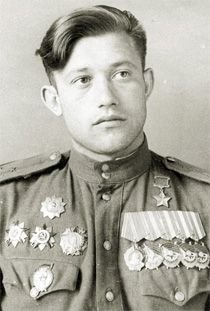


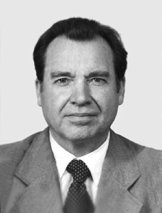
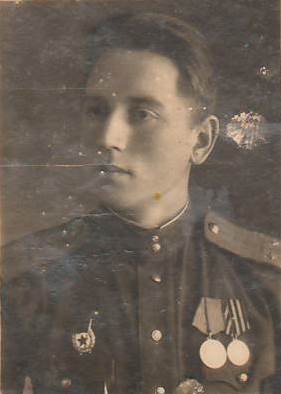
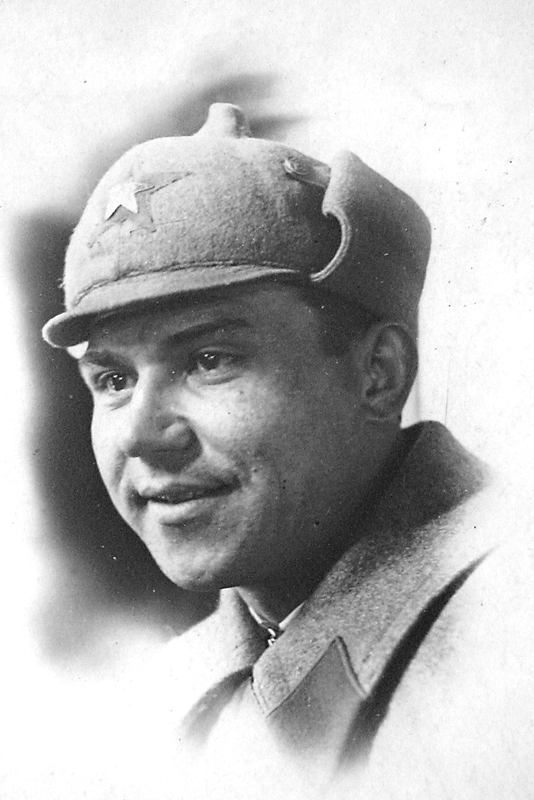
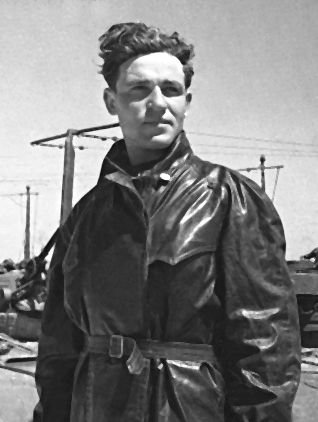


Zhukov Alexey Ivanovich
Title: Red Army man. Troops: Ground Forces, Air Force (except marine aviation), Coast Guard, NKVD, Border Guard. Division: 160th Rifle Division of the Brest Red Banner Division. My grandfather, Alexey Ivanovich Zhukov, was born on August 18 (5th in old style), 1911 in the village of Pereborovo, Suzdal district, Vladimir province. His father - Ivan Nikiforovich Zhukov - died in World War I. His mother, left with two young children in her arms, got married a second time. The family moved to Moscow in the early 20s (1922?), where in 1923 the twins were born - my grandfather's brother and sister, and in 1925 - one more sister. My grandfather, as the eldest child in the family, from an early age helped my stepdad to make furniture. His hands were golden; besides, my grandfather painted very well. After graduating from school, my grandfather went to work at the Electrical Plant in 1929 - first as a worker, but soon became an artist. He joined VKP(b). In 1933 he got married, in 1934 my mother was born, and my grandfather was taken to the army for 3 years - he served in Manchuria. In 1937, my mother had a sister. When the war broke out, the next day, 23.06.1941, my grandfather voluntarily went to the military committee - then almost everyone did so. Where he served for the first months - now there is no one to ask, somewhere near Moscow, and in the autumn he was surrounded. One or two people came out of the entourage at a time, otherwise there was no way out. Grandfather was saved by the fact that some peasant gave him his clothes. Grandfather got to Moscow, came home to see his relatives for a short while, and again went to the military committee. But having seen for these months how things really were at the front, he said that he was unlikely to return, and asked his younger sister, who was then 18 years old, not to leave his children, because my grandmother, his wife, was ill, on disability. My grandfather went missing. The last letter from my grandfather was in January 1942. According to the PPS 1469 and the 1297th JV, it can be understood that at that time he served in the 160-2nd SD (the 33rd Army of the FJ). 33rd Army that was betrayed - so they say! During that period between January and March 1942, during the Rzhevsko-Vyazemskaya operation, the 33rd Army was almost completely killed. Only a few managed to get out of the encirclement. They did not surrender to the last. When the disparate groups lost hope of getting out and the commander shot himself, soldiers immediately hung themselves on their waist straps. And the commander Yefremov, leaving the entourage, was seriously wounded in the battle (having received three wounds) and, not wanting to be captured, shot himself. I read that even the Germans buried him with honors, paying tribute to his courage! I can only assume that if my grandfather died at this time, being a member of the 1297th Rifle Regiment, it was somewhere near the village of Izoski, or the nearest villages. Of course, all our life we wanted to know something... But for now - alas.
Zhukov Alexey Ivanovich
Title: Red Army man. Troops: Ground Forces, Air Force (except marine aviation), Coast Guard, NKVD, Border Guard. Division: 160th Rifle Division of the Brest Red Banner Division. My grandfather, Alexey Ivanovich Zhukov, was born on August 18 (5th in old style), 1911 in the village of Pereborovo, Suzdal district, Vladimir province. His father - Ivan Nikiforovich Zhukov - died in World War I. His mother, left with two young children in her arms, got married a second time. The family moved to Moscow in the early 20s (1922?), where in 1923 the twins were born - my grandfather's brother and sister, and in 1925 - one more sister. My grandfather, as the eldest child in the family, from an early age helped my stepdad to make furniture. His hands were golden; besides, my grandfather painted very well. After graduating from school, my grandfather went to work at the Electrical Plant in 1929 - first as a worker, but soon became an artist. He joined VKP(b). In 1933 he got married, in 1934 my mother was born, and my grandfather was taken to the army for 3 years - he served in Manchuria. In 1937, my mother had a sister. When the war broke out, the next day, 23.06.1941, my grandfather voluntarily went to the military committee - then almost everyone did so. Where he served for the first months - now there is no one to ask, somewhere near Moscow, and in the autumn he was surrounded. One or two people came out of the entourage at a time, otherwise there was no way out. Grandfather was saved by the fact that some peasant gave him his clothes. Grandfather got to Moscow, came home to see his relatives for a short while, and again went to the military committee. But having seen for these months how things really were at the front, he said that he was unlikely to return, and asked his younger sister, who was then 18 years old, not to leave his children, because my grandmother, his wife, was ill, on disability. My grandfather went missing. The last letter from my grandfather was in January 1942. According to the PPS 1469 and the 1297th JV, it can be understood that at that time he served in the 160-2nd SD (the 33rd Army of the FJ). 33rd Army that was betrayed - so they say! During that period between January and March 1942, during the Rzhevsko-Vyazemskaya operation, the 33rd Army was almost completely killed. Only a few managed to get out of the encirclement. They did not surrender to the last. When the disparate groups lost hope of getting out and the commander shot himself, soldiers immediately hung themselves on their waist straps. And the commander Yefremov, leaving the entourage, was seriously wounded in the battle (having received three wounds) and, not wanting to be captured, shot himself. I read that even the Germans buried him with honors, paying tribute to his courage! I can only assume that if my grandfather died at this time, being a member of the 1297th Rifle Regiment, it was somewhere near the village of Izoski, or the nearest villages. Of course, all our life we wanted to know something... But for now - alas.
0 comment




2026 © Russian Military Historical Society Developed by Jetmix