Back to
album
album
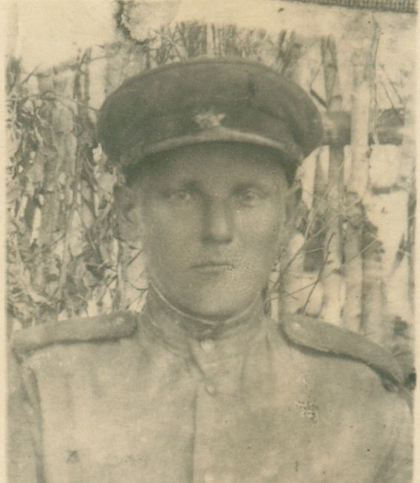
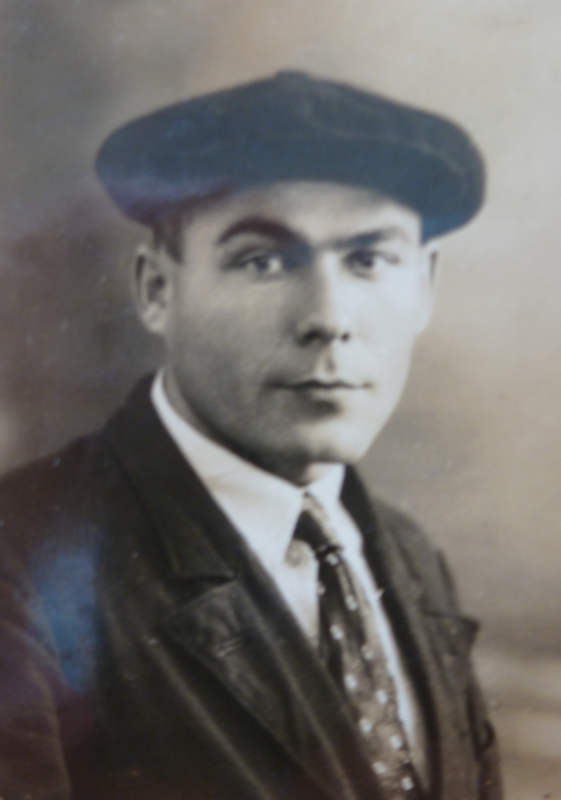
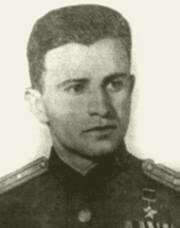
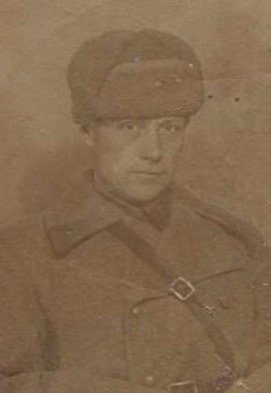
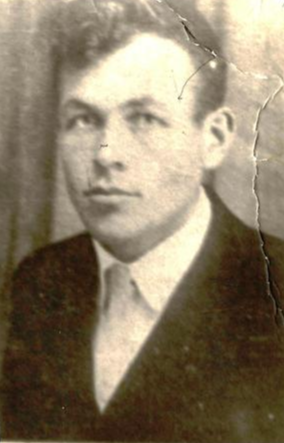
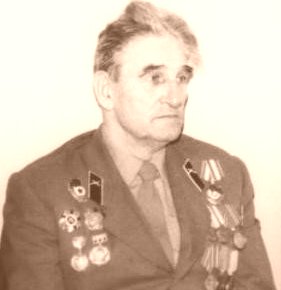


Zubchenko Pavel Terentyevich
Almost all boys are attracted by military uniforms. Pavel was no exception, in 1940 he entered the Kemerovo military school, which he graduated on July 22, 1941. By order of the People's Commissar of Defense, cadet Zubchenko was awarded the military rank of lieutenant and platoon commander. After which he was sent to the Volga Military District of the city of Kazan, and in September he already took part in the battles on the Bryansk front. In February 1942, by order of the Front Commander, Lieutenant Zubchenko was recalled to intelligence courses in the city of Yelets, Oryol Region, after which he was sent to the 269th division of the 3rd army of the Bryansk Front as the commander of a separate reconnaissance company with the rank of senior lieutenant. He stayed in the reconnaissance company until May 24, 1942. By order of the chief of artillery, he was transferred to the post of chief of staff of a mortar division. On the Oryol-Kursk Bulge, on July 3, 1943, Senior Lieutenant Zubchenko was seriously wounded by shrapnel in the chest and leg and was sent to a hospital in the city of Ivanovo. After being cured, he was sent to the Central Front as a battery commander in a separate guards 35th mortar brigade, already in the rank of captain. Pavel Zubchenko by that time was only 25 years old, but he had already seen and experienced a lot, he already had military and life experience. The captain knew the value of human life, he understood that at any minute, even a second, it could end. He was respected and loved. Pavel was a real Siberian - strong, healthy, hardy, savvy, courageous, balanced, he was not afraid of difficulties. Moreover, the soldiers, having found out that their commander had played the accordion before the war, got him an accordion somewhere. Pavel mastered this musical instrument in a short time. In moments of calm and relaxation, he played the accordion and sang along with the soldiers "In the forest at the front", "Katyusha", "Ogonyok" and other songs of the wartime. He could easily go into a circle with a fiery dance. The soul of the Siberian did not become stale either. This is evidenced by the following fact. It was 1944. The Soviet army fought fierce battles for every meter of its native land. By this time, Crimea and Ukraine were liberated. The liberation of Belarus began. The Nazis committed atrocities - they killed, burned everything in their path. Once, during a lull, a boy of 12-13 years old was brought to Captain Zubchenko. With tears in his eyes, he said that the Germans had already set fire to the village, not far from the location of the battery, and now they are driving all the women and children into the barn in order to burn them alive. Kostik, that was the name of the boy, managed to hide. Zubchenko reported the situation to the regiment commander, after which it was decided to immediately attack the Nazis. When the battery approached the village, women could be heard screaming in horror, children were crying. The attack was so fierce that the Germans were forced to retreat hastily, and fortunately did not have time to set fire to the shed. And again screams, tears, but already tears of joy. Everyone thanked our soldiers. And Kostya again approached Captain Zubchenko, it turned out that the boy's father had died, the mother had been shot by the Germans a few days ago. The boy did not know what to do, where to go, there were no relatives in the village, and the village itself, too. The captain took the boy with him. In the battery, the first thing they did was fed, shod, dressed, and at the opportunity Zubchenko sent Kostyk to his parents, who already lived in Sorokino. The boy lived here for several years. He helped with the housework, because only women remained in the family. For saving children and women, Pavel Terentyevich Zubchenko received a commendation from the Supreme Commander-in-Chief Marshal of the Soviet Union Stalin. Guard Captain Zubchenko walked the front roads together with his comrades all the way to Berlin. Pavel Terentyevich was demobilized in 1947. He worked as a military commander in one of the Moscow universities, got married, returned to his native land. On December 14, 1990, the heart of Captain Zubchenko's guard stopped.
Zubchenko Pavel Terentyevich
Almost all boys are attracted by military uniforms. Pavel was no exception, in 1940 he entered the Kemerovo military school, which he graduated on July 22, 1941. By order of the People's Commissar of Defense, cadet Zubchenko was awarded the military rank of lieutenant and platoon commander. After which he was sent to the Volga Military District of the city of Kazan, and in September he already took part in the battles on the Bryansk front. In February 1942, by order of the Front Commander, Lieutenant Zubchenko was recalled to intelligence courses in the city of Yelets, Oryol Region, after which he was sent to the 269th division of the 3rd army of the Bryansk Front as the commander of a separate reconnaissance company with the rank of senior lieutenant. He stayed in the reconnaissance company until May 24, 1942. By order of the chief of artillery, he was transferred to the post of chief of staff of a mortar division. On the Oryol-Kursk Bulge, on July 3, 1943, Senior Lieutenant Zubchenko was seriously wounded by shrapnel in the chest and leg and was sent to a hospital in the city of Ivanovo. After being cured, he was sent to the Central Front as a battery commander in a separate guards 35th mortar brigade, already in the rank of captain. Pavel Zubchenko by that time was only 25 years old, but he had already seen and experienced a lot, he already had military and life experience. The captain knew the value of human life, he understood that at any minute, even a second, it could end. He was respected and loved. Pavel was a real Siberian - strong, healthy, hardy, savvy, courageous, balanced, he was not afraid of difficulties. Moreover, the soldiers, having found out that their commander had played the accordion before the war, got him an accordion somewhere. Pavel mastered this musical instrument in a short time. In moments of calm and relaxation, he played the accordion and sang along with the soldiers "In the forest at the front", "Katyusha", "Ogonyok" and other songs of the wartime. He could easily go into a circle with a fiery dance. The soul of the Siberian did not become stale either. This is evidenced by the following fact. It was 1944. The Soviet army fought fierce battles for every meter of its native land. By this time, Crimea and Ukraine were liberated. The liberation of Belarus began. The Nazis committed atrocities - they killed, burned everything in their path. Once, during a lull, a boy of 12-13 years old was brought to Captain Zubchenko. With tears in his eyes, he said that the Germans had already set fire to the village, not far from the location of the battery, and now they are driving all the women and children into the barn in order to burn them alive. Kostik, that was the name of the boy, managed to hide. Zubchenko reported the situation to the regiment commander, after which it was decided to immediately attack the Nazis. When the battery approached the village, women could be heard screaming in horror, children were crying. The attack was so fierce that the Germans were forced to retreat hastily, and fortunately did not have time to set fire to the shed. And again screams, tears, but already tears of joy. Everyone thanked our soldiers. And Kostya again approached Captain Zubchenko, it turned out that the boy's father had died, the mother had been shot by the Germans a few days ago. The boy did not know what to do, where to go, there were no relatives in the village, and the village itself, too. The captain took the boy with him. In the battery, the first thing they did was fed, shod, dressed, and at the opportunity Zubchenko sent Kostyk to his parents, who already lived in Sorokino. The boy lived here for several years. He helped with the housework, because only women remained in the family. For saving children and women, Pavel Terentyevich Zubchenko received a commendation from the Supreme Commander-in-Chief Marshal of the Soviet Union Stalin. Guard Captain Zubchenko walked the front roads together with his comrades all the way to Berlin. Pavel Terentyevich was demobilized in 1947. He worked as a military commander in one of the Moscow universities, got married, returned to his native land. On December 14, 1990, the heart of Captain Zubchenko's guard stopped.
0 comment



2026 © Russian Military Historical Society Developed by Jetmix