Back to
album
album
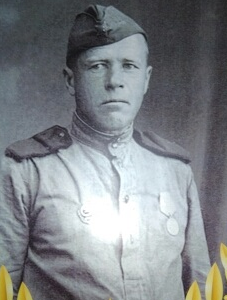

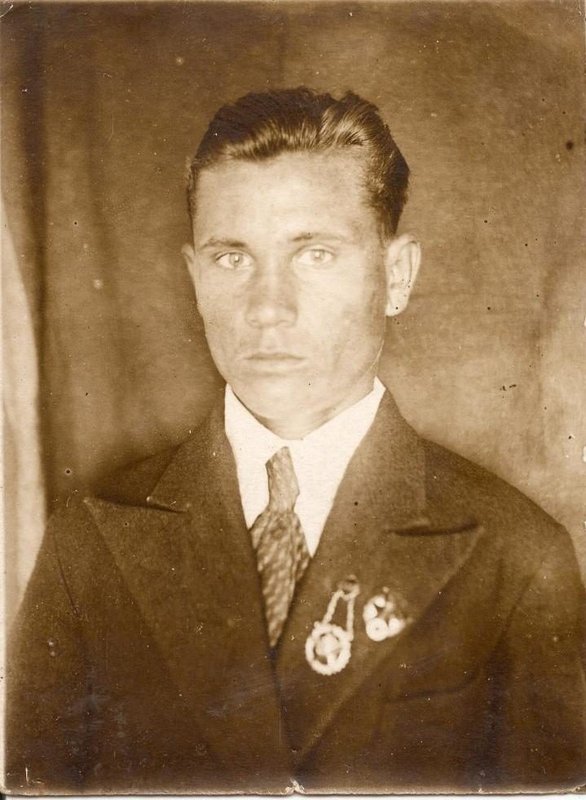
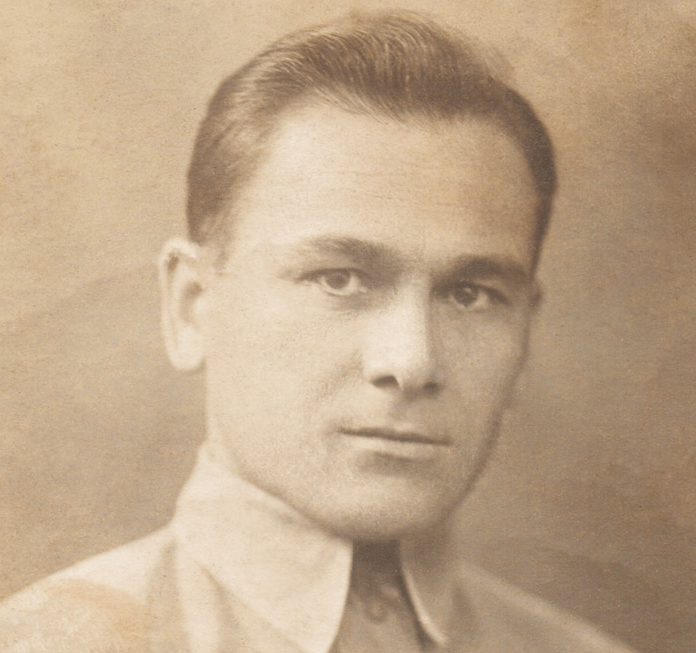
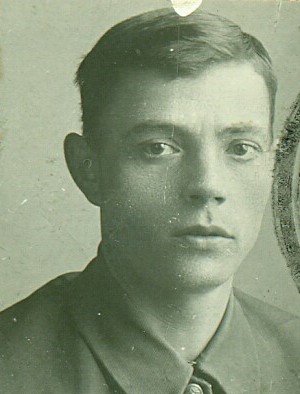
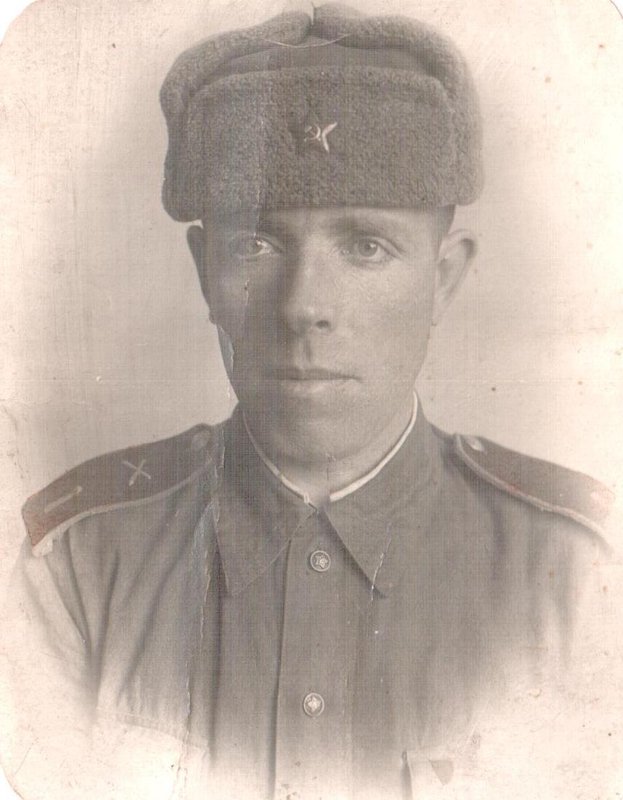
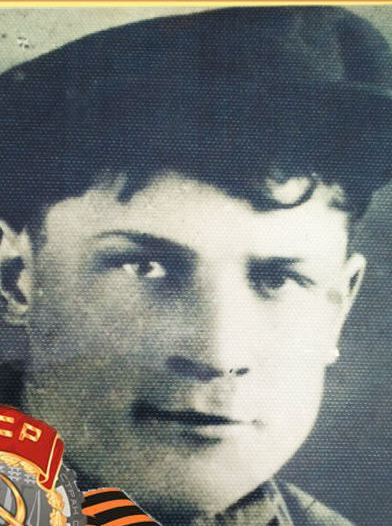
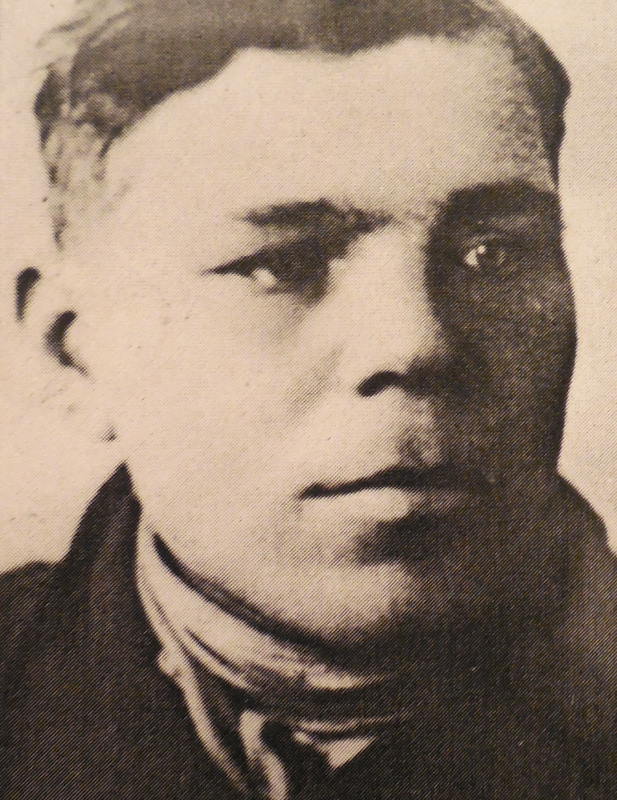
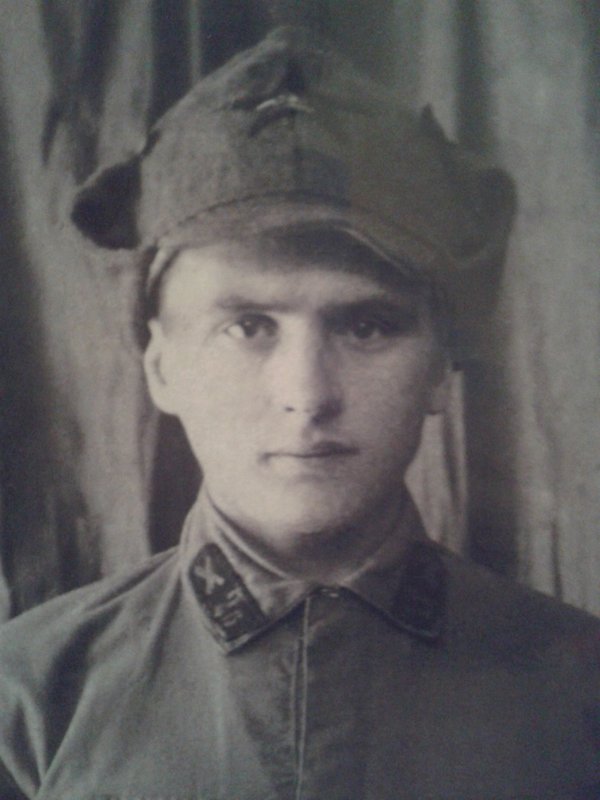
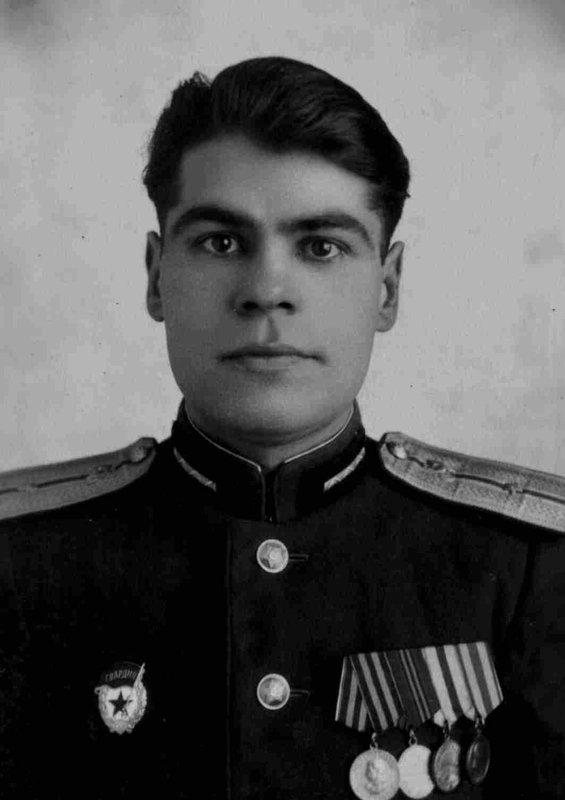
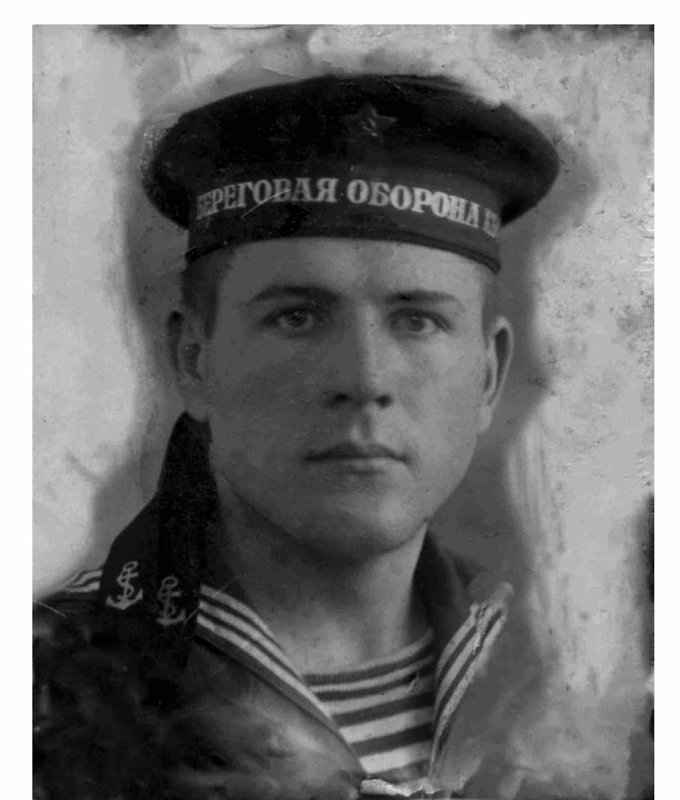
Lukin Ivan Ivanovich
CITY: Tambov region Pichaevsky district with. Kutli DATE OF BIRTH: 03/26/1916 DATE OF DEATH: 07/23/1996 HISTORY: Title: Red Army. Branch of the service: Ground Forces, Air Force (except naval aviation), coastal service, NKVD troops, border troops. Subdivision: 1st Separate Motorized Rifle Order of Lenin Red Banner Special Purpose Division. F.E.Dzerzhinsky. A direct participant in the hostilities of the Second World War was Lukin Ivan Ivanovich, a native of the village Kutli Pichaevsky district of the Tambov region. He was born in the family of the baker Lukin Ivan Yakovlevich and housewife Lukina Pelageya Fedorovna on March 26, 1916. After finishing 7 classes, Ivan Ivanovich went to work in Moscow where he worked from October 1933 to March 1934 as a mechanic at a gas plant. Nature rewarded Ivan Ivanovich with a high growth (190 cm) and a strong physique, which allowed him to perform the most difficult work. In those days, working conditions were very difficult, but Ivan Ivanovich was very efficient and hardworking, which allowed him to become a leader in production, and in the same year he was invited to work as a miner at the bridge construction trust. This trust built a metro in Moscow, in connection with which Ivan Ivanovich Lukin can be safely called a full-fledged metro builder. On May 26, 1937, Ivan Ivanovich Lukin completed his driving courses and successfully passed the exams for the right to drive trucks, continuing his career in Moscow but already as a driver of the road trust of the Kievsky district of Moscow. In August 1937, Ivan Ivanovich was drafted into the Soviet Red Army, to a military unit called "730 air base". The service took place in the town of Voroshilov, Primorsky Territory. In July 1940, Ivan Ivanovich Lukin, for his conscientious attitude towards his official duties, was appointed commander of the 730 squadron of the Red Army air base. It was in this call that Ivan Ivanovich had to find his first war, as historians call it, the clash on Lake Khasan, and in 1939 the battle on Khankhin Gol on the border of Mongolia and Manchukuo. After demobilization in August 1940, Ivan Ivanovich did not work for a long time as a driver in the 31st automobile-building trust in Moscow, and on June 22, 1941, he was mobilized by the Khimchensky Regional Military Commissariat of Moscow into the active red army in the 1st regiment of the Order of Lenin OMSDON of the NKVD troops. The most important event of the first year of the war for all Soviet people was the battle of Moscow, which lasted almost seven months - from September 30, 1941 to April 20, 1942. By the beginning of the "Battle of Moscow" the situation on the Soviet-German front was extremely difficult. Having seized a significant part of the European territory of Russia, blocking Leningrad, the enemy rushed to Moscow. The enemy troops occupied a favorable operational-strategic position and, as before, had superiority in manpower and equipment. The Soviet command was forced to keep significant forces on the border with Turkey and Japan, Germany's allies. The Nazi command linked the fate of the entire war against the USSR with the capture of Moscow. Unable to immediately capture Moscow, the Wehrmacht command prepared an operation codenamed Typhoon, which provided for the dismemberment of the defense of our troops by three powerful strikes of tank groups from the regions of Dukhovshchina, Roslavl and Shostka in the eastern and northeastern directions, the encirclement and destruction of the troops of the Western and Reserve fronts. In order to raise the morale of the Red Army as well as the entire Soviet people, on November 7, 1941, a parade of Soviet troops was held in Moscow, from where the servicemen went immediately to the front. Subsequently, the Wehrmacht's plans to capture Moscow were destroyed, and the Soviet troops threw the enemy back in different directions up to two hundred kilometers from Moscow. Participated in the protection and defense of Moscow, for which he was awarded the medal "For the Defense of Moscow". Lukin Ivan Ivanovich finished the Great Patriotic War in Germany. After finishing the hostilities, the echelon with the soldiers was heading home, as Ivan Ivanovich thought, but he was wrong, the echelon headed past the house to the far east, where the war with Japan flared up. As a result, Ivan Ivanovich was demobilized only in 1946. After the war years, he began his career in 1948 as a driver of the Competition artel, where he worked until May 1952, and from May 1952 began working as a driver in the Interdistrict Department of Selhozsnab. For success in work and outstanding organizational talent, in January 1953 Ivan Ivanovich Lukin became the head of the Interdistrict Department "Selhozsnab", and in May 1961 he became the head of the section of the RO "Selkhoztekhnika" pesticides and agricultural machines. In Morshansk "Selkhoztekhnika" Ivan Ivanovich worked in various positions until 1984, from where he retired on a well-deserved pension. Lukin Ivan Ivanovich was a very sociable, kind and sympathetic person, unfortunately he did not survive to this day, but left behind a memory of his good deeds and deeds.
Lukin Ivan Ivanovich
CITY: Tambov region Pichaevsky district with. Kutli DATE OF BIRTH: 03/26/1916 DATE OF DEATH: 07/23/1996 HISTORY: Title: Red Army. Branch of the service: Ground Forces, Air Force (except naval aviation), coastal service, NKVD troops, border troops. Subdivision: 1st Separate Motorized Rifle Order of Lenin Red Banner Special Purpose Division. F.E.Dzerzhinsky. A direct participant in the hostilities of the Second World War was Lukin Ivan Ivanovich, a native of the village Kutli Pichaevsky district of the Tambov region. He was born in the family of the baker Lukin Ivan Yakovlevich and housewife Lukina Pelageya Fedorovna on March 26, 1916. After finishing 7 classes, Ivan Ivanovich went to work in Moscow where he worked from October 1933 to March 1934 as a mechanic at a gas plant. Nature rewarded Ivan Ivanovich with a high growth (190 cm) and a strong physique, which allowed him to perform the most difficult work. In those days, working conditions were very difficult, but Ivan Ivanovich was very efficient and hardworking, which allowed him to become a leader in production, and in the same year he was invited to work as a miner at the bridge construction trust. This trust built a metro in Moscow, in connection with which Ivan Ivanovich Lukin can be safely called a full-fledged metro builder. On May 26, 1937, Ivan Ivanovich Lukin completed his driving courses and successfully passed the exams for the right to drive trucks, continuing his career in Moscow but already as a driver of the road trust of the Kievsky district of Moscow. In August 1937, Ivan Ivanovich was drafted into the Soviet Red Army, to a military unit called "730 air base". The service took place in the town of Voroshilov, Primorsky Territory. In July 1940, Ivan Ivanovich Lukin, for his conscientious attitude towards his official duties, was appointed commander of the 730 squadron of the Red Army air base. It was in this call that Ivan Ivanovich had to find his first war, as historians call it, the clash on Lake Khasan, and in 1939 the battle on Khankhin Gol on the border of Mongolia and Manchukuo. After demobilization in August 1940, Ivan Ivanovich did not work for a long time as a driver in the 31st automobile-building trust in Moscow, and on June 22, 1941, he was mobilized by the Khimchensky Regional Military Commissariat of Moscow into the active red army in the 1st regiment of the Order of Lenin OMSDON of the NKVD troops. The most important event of the first year of the war for all Soviet people was the battle of Moscow, which lasted almost seven months - from September 30, 1941 to April 20, 1942. By the beginning of the "Battle of Moscow" the situation on the Soviet-German front was extremely difficult. Having seized a significant part of the European territory of Russia, blocking Leningrad, the enemy rushed to Moscow. The enemy troops occupied a favorable operational-strategic position and, as before, had superiority in manpower and equipment. The Soviet command was forced to keep significant forces on the border with Turkey and Japan, Germany's allies. The Nazi command linked the fate of the entire war against the USSR with the capture of Moscow. Unable to immediately capture Moscow, the Wehrmacht command prepared an operation codenamed Typhoon, which provided for the dismemberment of the defense of our troops by three powerful strikes of tank groups from the regions of Dukhovshchina, Roslavl and Shostka in the eastern and northeastern directions, the encirclement and destruction of the troops of the Western and Reserve fronts. In order to raise the morale of the Red Army as well as the entire Soviet people, on November 7, 1941, a parade of Soviet troops was held in Moscow, from where the servicemen went immediately to the front. Subsequently, the Wehrmacht's plans to capture Moscow were destroyed, and the Soviet troops threw the enemy back in different directions up to two hundred kilometers from Moscow. Participated in the protection and defense of Moscow, for which he was awarded the medal "For the Defense of Moscow". Lukin Ivan Ivanovich finished the Great Patriotic War in Germany. After finishing the hostilities, the echelon with the soldiers was heading home, as Ivan Ivanovich thought, but he was wrong, the echelon headed past the house to the far east, where the war with Japan flared up. As a result, Ivan Ivanovich was demobilized only in 1946. After the war years, he began his career in 1948 as a driver of the Competition artel, where he worked until May 1952, and from May 1952 began working as a driver in the Interdistrict Department of Selhozsnab. For success in work and outstanding organizational talent, in January 1953 Ivan Ivanovich Lukin became the head of the Interdistrict Department "Selhozsnab", and in May 1961 he became the head of the section of the RO "Selkhoztekhnika" pesticides and agricultural machines. In Morshansk "Selkhoztekhnika" Ivan Ivanovich worked in various positions until 1984, from where he retired on a well-deserved pension. Lukin Ivan Ivanovich was a very sociable, kind and sympathetic person, unfortunately he did not survive to this day, but left behind a memory of his good deeds and deeds.
0 comment




2026 © Russian Military Historical Society Developed by Jetmix