Back to
album
album
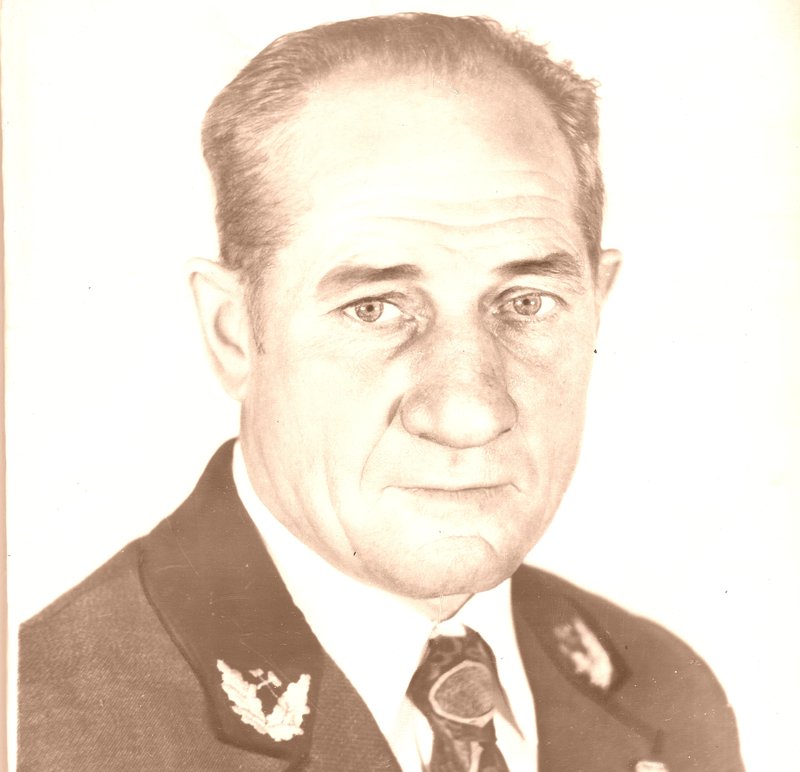
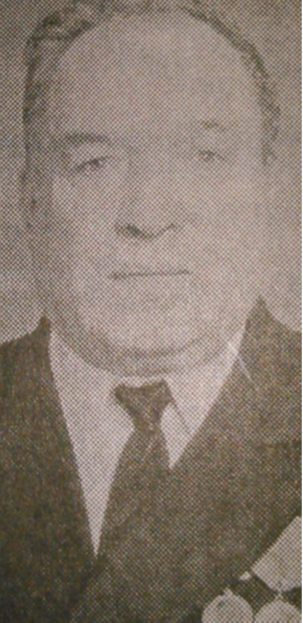
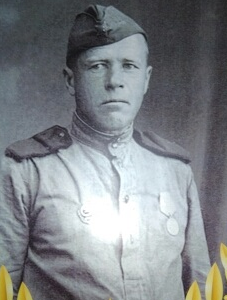

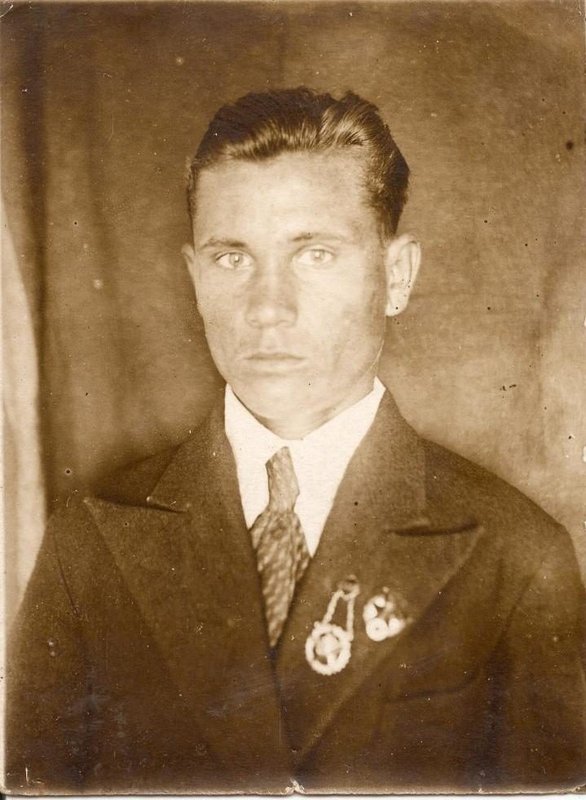
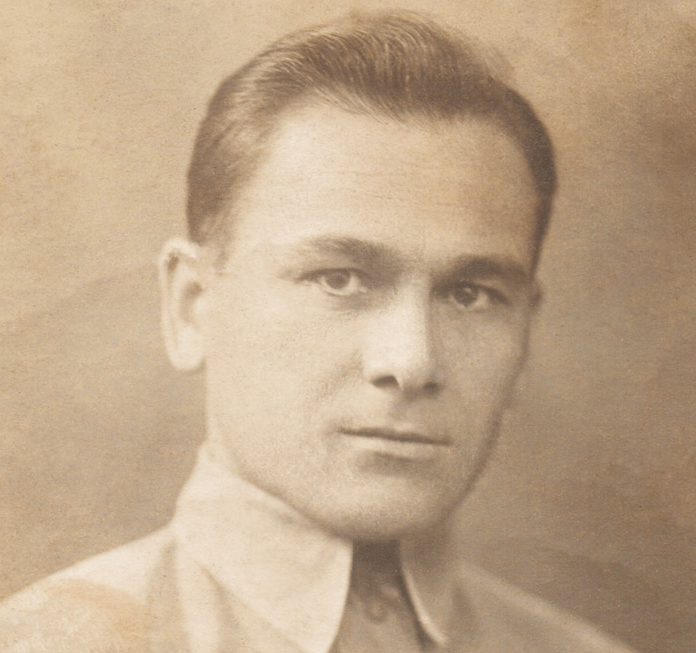
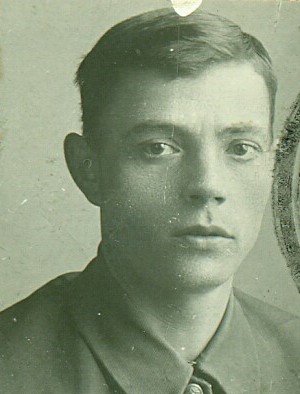
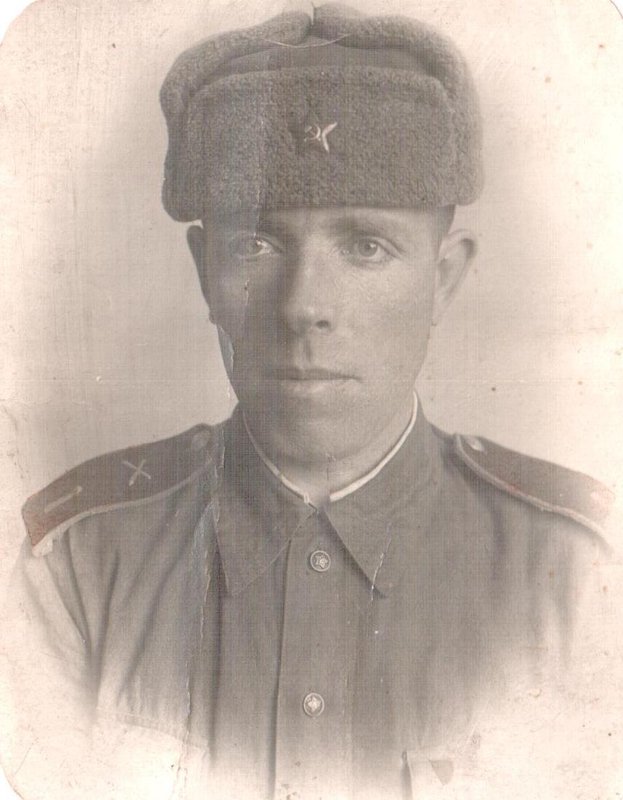
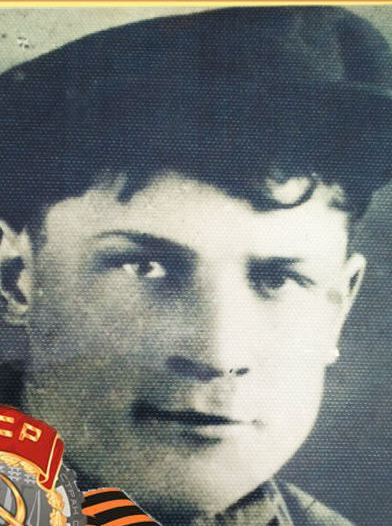
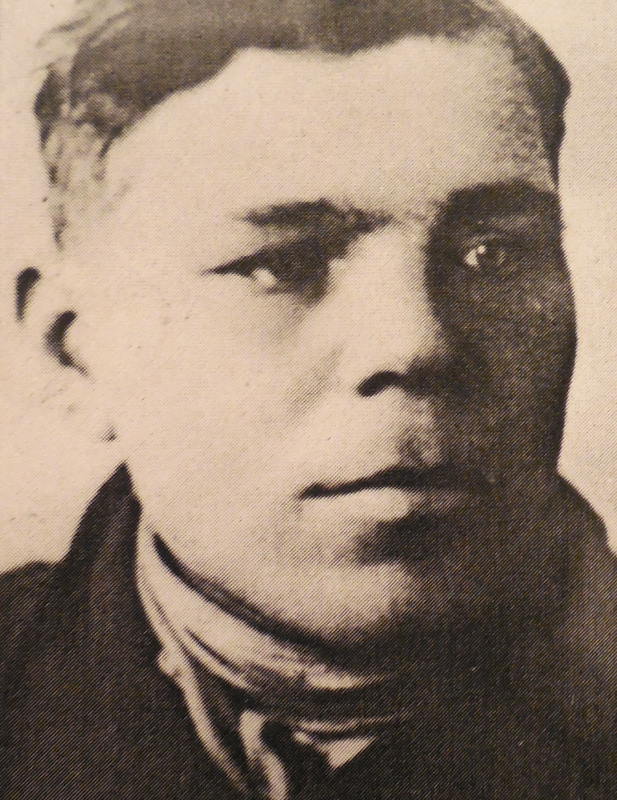
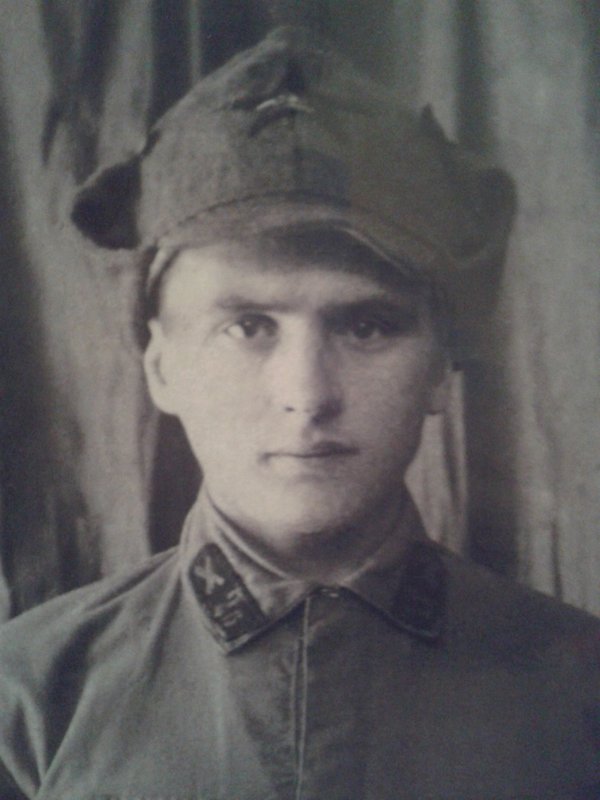
Levchenko Alexey Eremeevich
PLACE OF BIRTH: Krasny village, Ladozhskiy district, Krasnodar territory. DATE OF BIRTH: 01.01.1904. DATE of DEATH: 22.10.1941 HISTORY: Rank: Lieutenant. Corps: Ground Forces, Air Forces (except naval aviation), the coast guard, troops of the NKVD, the border guards. Division: 353rd Dneprodzerzhinsk Rifle Red Banner Division. "On Wednesday, October 22, 1941, in the morning, after a short but powerful artillery preparation, the enemy launched an offensive on the front of the 353rd rifle division and tried to capture Crimea village. The report of the division's political Department noted that " despite massive mortar fire, all enemy attacks were repulsed with heavy losses for them." Small groups of motorized infantry and tanks operated in other areas. All attacks by the 13th Panzer division and the SS brigade “Leibstandarte SS Adolf Hitler” were repulsed. But the Soviet troops also suffered losses. In two days, they lost three 45-mm, five 76-mm anti-aircraft guns and two 120-mm mortars. Before nightfall, the enemy fired heavy artillery and mortar fire at the battle formations of the 68th Cavalry, 353rd and 343rd Rifle Divisions. The units moved out of the reserve for the counterattack (the 1155th Regiment, the 3rd Battalion of the 1149th Regiment, and the 81st Separate Tank Battalion), they managed to take up their initial position for the offensive only in the afternoon. At 3 p.m the infantry and tanks launched a counterattack and three hours later drove the enemy to the heights 78.8 and 102.4. Heavy enemy fire and darkness stopped their further movement, not allowing them to fully complete the task" (from the book "FROM DANUBE TO MIUS: A JOURNEY OF THREE AND A HALF MONTHS"). In this battle, Lieutenant Levchenko Alexey, who led his unit in one of the attacks, was killed by a sniper's bullet (from the story of a survivor who handed over his belongings and commander's watch to his wife, Olga Andreevna). "On the night of October 22-23, the command of the 56th Separate Army, after analyzing the situation, decided to regroup forces and withdraw them to a new defensive line. This made it possible to consolidate the battle formations in the Western direction. By morning, three lines of defense of Rostov-On-Don were created: 1) from Shakhov hamlet to Khapry station; 2) on the North-Western and Western outskirts of the city and in the city itself; 3) along the southern bank of the Don river. On October 23, the enemy made several more attempts to break through the defense of the 56th Separate Army in the 343rd and 353rd Rifle Divisions with a Tank Battalion and 2-3 Motorized Infantry Battalion. All these attempts were repulsed by artillery, mortar, and machine-gun fire of Soviet troops. Having met stubborn resistance from the Soviet troops, the enemy suspended its offensive, losing up to 50 tanks as a result of the fighting on October 20-23, 1941. Parts of the 56th Separate Army also suffered significant losses in manpower and weapons during the three days of fighting. The 343rd Rifle Division lost 183 commanding officers and 3,109 red army soldiers (30 percent of the staff). The 353rd Rifle Division lost 55 commanders and political workers and 1,076 red army soldiers (10% of the staff). The 68th Cavalry Division lost 7 commanders and 48 soldiers in the last decade of October, while the 7th Armored Train Division lost 4 commanders and 34 soldiers. Thus, the total losses of only three divisions and crews of armored trains exceeded 4,500 people. "THE FATE OF THE "FIRST STRIKE" ARMY: HISTORY AND MEMORY": "The first year of the war was a difficult time for the Red Army. The personnel army that was supposed to serve as a reliable shield for the Soviet state and which was assigned the task of "defeating the enemy with little blood on its territory"suffered huge and seemingly irreparable losses. But the enemy triumphed early. According to the famous American historian D. M. Glantz, " the Red Army rose like a Phoenix from the ashes, and managed to inflict unprecedented defeats on the vaunted Wehrmacht." This required significant changes not only in the war, but also in the organization of the armed forces of the USSR, which were expressed, in particular, in the creation of new military associations and formations of the operational-strategic level. One of them was the 56th army, which began its combat path near Rostov-on-don in 1941. Like other new armies, it had to master military skills in practice, directly during the battles. Combat training became really combat, the war took a long time, and the overall victory was still very far away."
Levchenko Alexey Eremeevich
PLACE OF BIRTH: Krasny village, Ladozhskiy district, Krasnodar territory. DATE OF BIRTH: 01.01.1904. DATE of DEATH: 22.10.1941 HISTORY: Rank: Lieutenant. Corps: Ground Forces, Air Forces (except naval aviation), the coast guard, troops of the NKVD, the border guards. Division: 353rd Dneprodzerzhinsk Rifle Red Banner Division. "On Wednesday, October 22, 1941, in the morning, after a short but powerful artillery preparation, the enemy launched an offensive on the front of the 353rd rifle division and tried to capture Crimea village. The report of the division's political Department noted that " despite massive mortar fire, all enemy attacks were repulsed with heavy losses for them." Small groups of motorized infantry and tanks operated in other areas. All attacks by the 13th Panzer division and the SS brigade “Leibstandarte SS Adolf Hitler” were repulsed. But the Soviet troops also suffered losses. In two days, they lost three 45-mm, five 76-mm anti-aircraft guns and two 120-mm mortars. Before nightfall, the enemy fired heavy artillery and mortar fire at the battle formations of the 68th Cavalry, 353rd and 343rd Rifle Divisions. The units moved out of the reserve for the counterattack (the 1155th Regiment, the 3rd Battalion of the 1149th Regiment, and the 81st Separate Tank Battalion), they managed to take up their initial position for the offensive only in the afternoon. At 3 p.m the infantry and tanks launched a counterattack and three hours later drove the enemy to the heights 78.8 and 102.4. Heavy enemy fire and darkness stopped their further movement, not allowing them to fully complete the task" (from the book "FROM DANUBE TO MIUS: A JOURNEY OF THREE AND A HALF MONTHS"). In this battle, Lieutenant Levchenko Alexey, who led his unit in one of the attacks, was killed by a sniper's bullet (from the story of a survivor who handed over his belongings and commander's watch to his wife, Olga Andreevna). "On the night of October 22-23, the command of the 56th Separate Army, after analyzing the situation, decided to regroup forces and withdraw them to a new defensive line. This made it possible to consolidate the battle formations in the Western direction. By morning, three lines of defense of Rostov-On-Don were created: 1) from Shakhov hamlet to Khapry station; 2) on the North-Western and Western outskirts of the city and in the city itself; 3) along the southern bank of the Don river. On October 23, the enemy made several more attempts to break through the defense of the 56th Separate Army in the 343rd and 353rd Rifle Divisions with a Tank Battalion and 2-3 Motorized Infantry Battalion. All these attempts were repulsed by artillery, mortar, and machine-gun fire of Soviet troops. Having met stubborn resistance from the Soviet troops, the enemy suspended its offensive, losing up to 50 tanks as a result of the fighting on October 20-23, 1941. Parts of the 56th Separate Army also suffered significant losses in manpower and weapons during the three days of fighting. The 343rd Rifle Division lost 183 commanding officers and 3,109 red army soldiers (30 percent of the staff). The 353rd Rifle Division lost 55 commanders and political workers and 1,076 red army soldiers (10% of the staff). The 68th Cavalry Division lost 7 commanders and 48 soldiers in the last decade of October, while the 7th Armored Train Division lost 4 commanders and 34 soldiers. Thus, the total losses of only three divisions and crews of armored trains exceeded 4,500 people. "THE FATE OF THE "FIRST STRIKE" ARMY: HISTORY AND MEMORY": "The first year of the war was a difficult time for the Red Army. The personnel army that was supposed to serve as a reliable shield for the Soviet state and which was assigned the task of "defeating the enemy with little blood on its territory"suffered huge and seemingly irreparable losses. But the enemy triumphed early. According to the famous American historian D. M. Glantz, " the Red Army rose like a Phoenix from the ashes, and managed to inflict unprecedented defeats on the vaunted Wehrmacht." This required significant changes not only in the war, but also in the organization of the armed forces of the USSR, which were expressed, in particular, in the creation of new military associations and formations of the operational-strategic level. One of them was the 56th army, which began its combat path near Rostov-on-don in 1941. Like other new armies, it had to master military skills in practice, directly during the battles. Combat training became really combat, the war took a long time, and the overall victory was still very far away."
0 comment



2026 © Russian Military Historical Society Developed by Jetmix