Back to
album
album


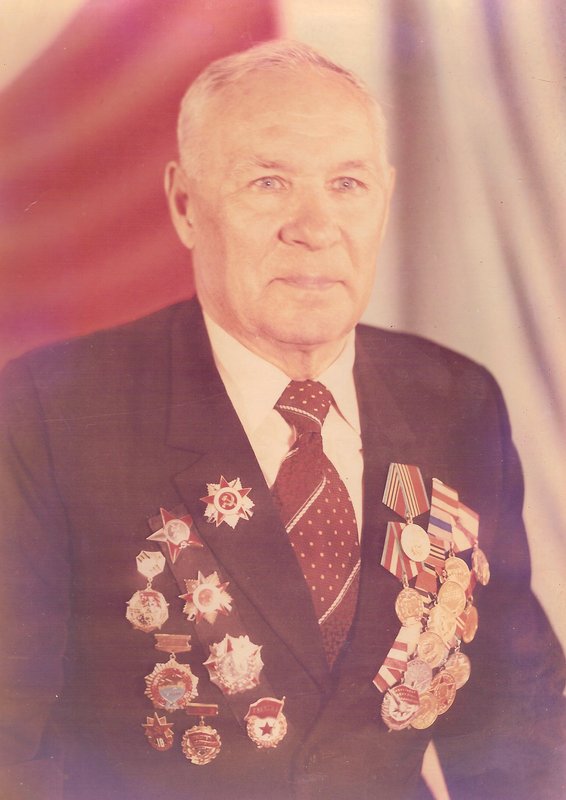
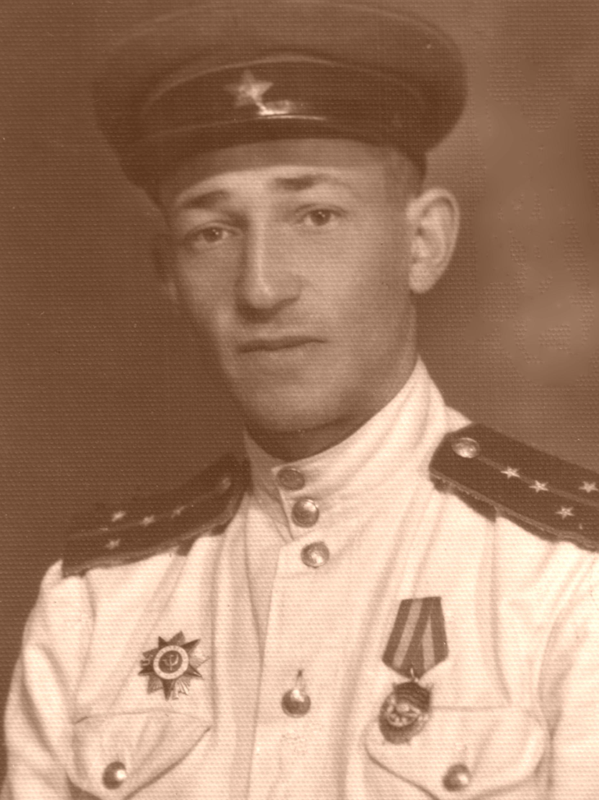
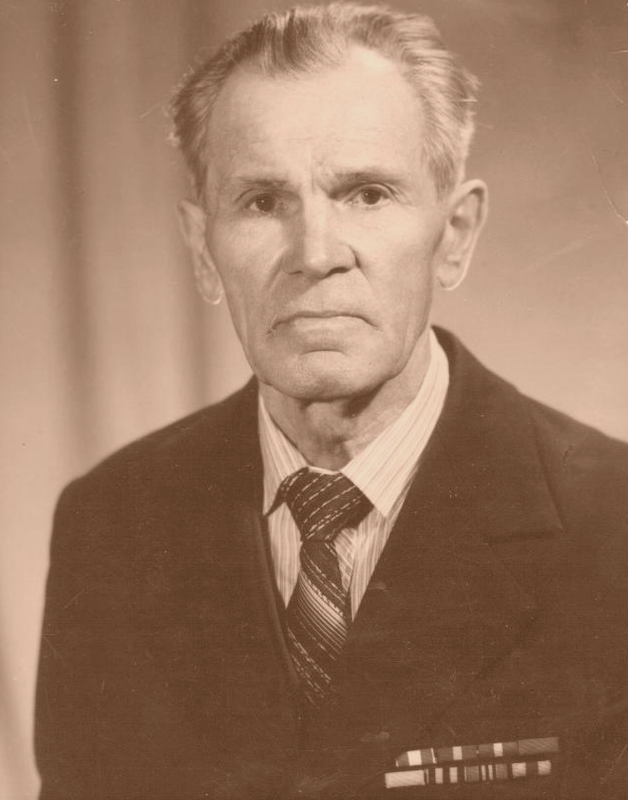
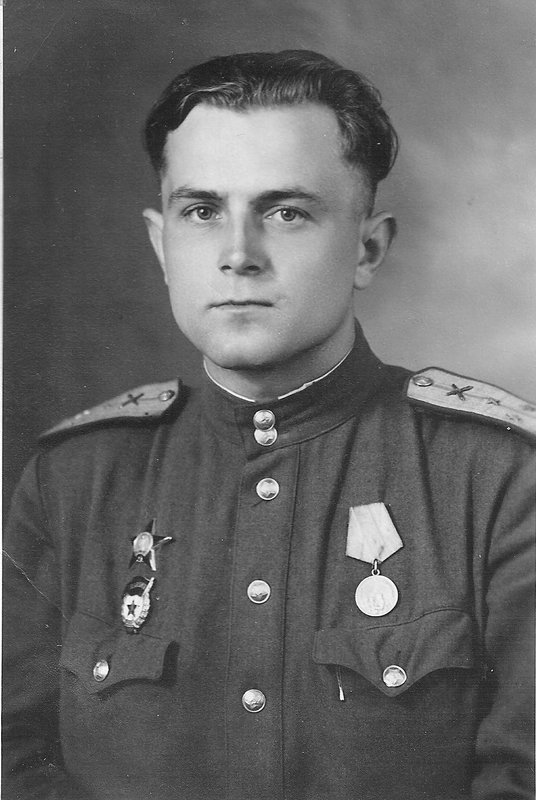
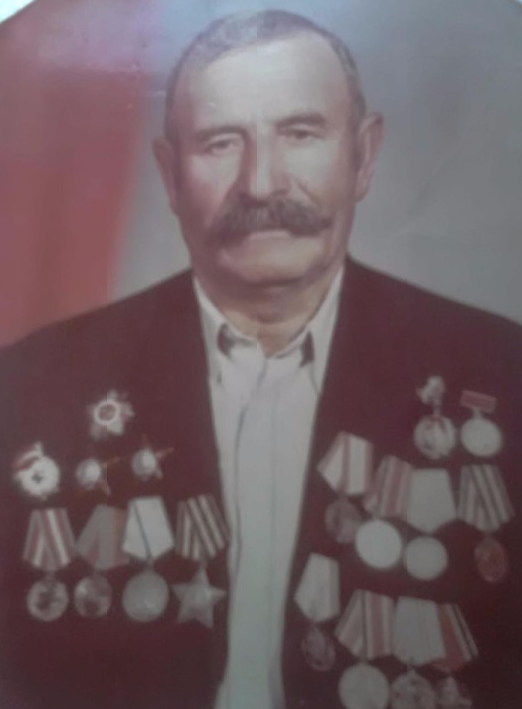

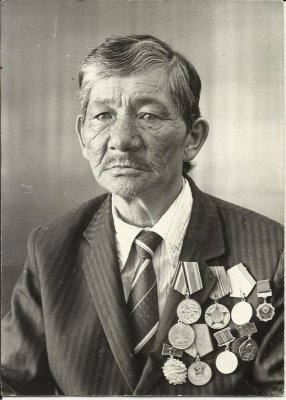
Metersky, Yakov Borisovich
HISTORY: My grandfather Metersky Yakov Borisovich was born on April 25, 1913 in Skobelev (Fergana, Uzbekistan). In early childhood, he was left without parents. He was raised in a family of relatives living in Tashkent. He studied at the Tashkent Dzerzhinsky School No. 29. In the mid-20s, he became a pioneer. In 1927, he joined the Komsomol. After graduating from High School in 1930, he worked and studied at the Institute, entering the state Institute of Supply (Samarkand) in the Department of food industry planning, specializing in planned Economics. After defending his thesis in 1935, he worked as a labor economist. From 1937 to 1941, he worked as the Head of the Planning Department of the Samarkand cannery. He joined the Communist Party in 1940. _x000D_
In July 1941, he was drafted into the Red Army. He began his military service as a Commissar of 67th Battery of the Artillery Regiment of the 83rd Turkestan Mountain Rifle Division, which was stationed in Ashgabat (Tajikistan). _x000D_
At the end of August 1941, Commissar Meterski participated in the fighting in Iran, when the 83rd Division took part in the military allied operation "Consent". On August 25, Soviet and British troops simultaneously crossed the border of Iran. On the third day of the operation, the 83rd Turkestan Mountain Rifle Division began fighting in the mountainous regions of Iran. Iranian troops with two infantry divisions occupied the defensive lines in the mountainous regions of Mashhad and Gorgan. _x000D_
Despite the convenient defensive positions, the Iranian forces offered little resistance and on August 29, 1941, the Armed Forces of Iran laid down their arms to the British, and on August 30, to the Soviet troops. _x000D_
On September 8, 1941, an agreement was signed defining the location of allied troops in Iran. Iran was divided into two occupation zones: the British (Southern) and the Soviet (Northern). The allied operation “Consent” was the most fleeting and almost" bloodless " (40 people were killed). Thanks to its successful outcome, the southern transport corridor was protected, along which allied troops carried out lend-lease supplies for the Soviet Union, and Germany and its allies were denied access to the oil fields. _x000D_
The 83rd Turkestan Division as part of the group of Soviet troops was in Iran in the areas of Mashhad and Gorgan until November 1942, performing the protection of the southern borders of the USSR. In September 1941, Commissar Metersky was appointed Secretary of the Communist Party Bureau of the 67th Artillery Regiment of the 83rd Turkestan Mountain Rifle Division. In March 1942, he was transferred to the Political Department of the Division. From August 1942 to May 1943, Captain Meterski served in the 4th Separate Rifle Battalion of the 64th Separate Rifle Brigade (82nd Rifle Division of the 68th army). _x000D_
At the end of 1942, the Division fought 170 km North-East of Smolensk. In March 1943, it reached the Minsk shosse, was stopped by German troops, and at the beginning of April 1943, it was taken to the near rear for rest and manning. From May 1943 to June 1944 comrade Metersky participated in combat operations as part of the 200th Separate Sapper Battalion of the 192nd Rifle Division of the 68th Army. Near the city of Yelnya on August 9, he was seriously wounded in the head. After recovering, he returned to his military unit. As part of the 200th Separate Sapper Battalion, he reached the border of Russia and Belarus. _x000D_
Since June 1944, he fought as a member of the 46th Separate Anti-tank fighter Division (46 OIPD) of the 210th Rifle Division of the 31st Army on the 3rd Belorussian Front, in April-May, 1945 on the 1st Ukrainian Front. With the division, he went on a combat path from the city of Orsha to Prague. As part of the 46th Division, he participated in operations to break through the German defenses and capture the city of Orsha, in forcing the water barrier of the Berezina river, in the battles for the capture of Minsk. He took part in the fighting to eliminate the East Prussian grouping of German troops South-West of Konigsberg. _x000D_
Near the city of Grodno in July 1944 he was wounded a second time. For participation in the battles for the capture of the city and fortress of Grodno, he was awarded the order of the Red Banner. _x000D_
After the victory in the Great Patriotic War until July 1946, he served in Germany as a Deputy Commander of a Division in the 4th Artillery Brigade of the 7th Guards Army. During the war period, he was awarded orders and medals of the USSR: the order of the Red Banner (22.08.1944), the order of the Patriotic War I degree (17.03.1945), medals “For the victory over Germany in the Great Patriotic War of 1941-1945” on (09.05.1945), “For Capture of Konigsberg” (09.06.1945). In the postwar period he was awarded the order of Patriotic War I degree (11.03.1985); medals "20 years of Victory in the Great Patriotic War 1941-1945" "50 years Armed Forces of USSR", "30 years of Victory in the Great Patriotic War 1941-1945", "60 years of Armed Forces USSR", "40 years of Victory in the Great Patriotic War 1941-1945", "70 years of Armed Forces USSR", "50 years of Victory in the Great Patriotic War 1941-1945" badge "25 years of Victory in the Great Patriotic War". _x000D_
From 1946 to 1967 Metersky J. B. worked at the industrial enterprises of Uzbekistan and Moldova. In June 1967, he moved to live in Novokuznetsk. He worked as the Director of Novokuznetsk Shoe factory No. 4, Novokuznetsk Dry Cleaning Factory, General Director of the production Association "Kuznetskkhimchistka". He worked at the Novokuznetsk plant for repair of household machines and appliances. He retired with 53 years of work experience. For his labor merits, he was awarded the jubilee medal “For Valiant Labor” in 1970 and the badge “Winner of the 1973 Socialist Competition” in 1985. He lived in Novokuznetsk for 34 years.
Metersky, Yakov Borisovich
HISTORY: My grandfather Metersky Yakov Borisovich was born on April 25, 1913 in Skobelev (Fergana, Uzbekistan). In early childhood, he was left without parents. He was raised in a family of relatives living in Tashkent. He studied at the Tashkent Dzerzhinsky School No. 29. In the mid-20s, he became a pioneer. In 1927, he joined the Komsomol. After graduating from High School in 1930, he worked and studied at the Institute, entering the state Institute of Supply (Samarkand) in the Department of food industry planning, specializing in planned Economics. After defending his thesis in 1935, he worked as a labor economist. From 1937 to 1941, he worked as the Head of the Planning Department of the Samarkand cannery. He joined the Communist Party in 1940. _x000D_
In July 1941, he was drafted into the Red Army. He began his military service as a Commissar of 67th Battery of the Artillery Regiment of the 83rd Turkestan Mountain Rifle Division, which was stationed in Ashgabat (Tajikistan). _x000D_
At the end of August 1941, Commissar Meterski participated in the fighting in Iran, when the 83rd Division took part in the military allied operation "Consent". On August 25, Soviet and British troops simultaneously crossed the border of Iran. On the third day of the operation, the 83rd Turkestan Mountain Rifle Division began fighting in the mountainous regions of Iran. Iranian troops with two infantry divisions occupied the defensive lines in the mountainous regions of Mashhad and Gorgan. _x000D_
Despite the convenient defensive positions, the Iranian forces offered little resistance and on August 29, 1941, the Armed Forces of Iran laid down their arms to the British, and on August 30, to the Soviet troops. _x000D_
On September 8, 1941, an agreement was signed defining the location of allied troops in Iran. Iran was divided into two occupation zones: the British (Southern) and the Soviet (Northern). The allied operation “Consent” was the most fleeting and almost" bloodless " (40 people were killed). Thanks to its successful outcome, the southern transport corridor was protected, along which allied troops carried out lend-lease supplies for the Soviet Union, and Germany and its allies were denied access to the oil fields. _x000D_
The 83rd Turkestan Division as part of the group of Soviet troops was in Iran in the areas of Mashhad and Gorgan until November 1942, performing the protection of the southern borders of the USSR. In September 1941, Commissar Metersky was appointed Secretary of the Communist Party Bureau of the 67th Artillery Regiment of the 83rd Turkestan Mountain Rifle Division. In March 1942, he was transferred to the Political Department of the Division. From August 1942 to May 1943, Captain Meterski served in the 4th Separate Rifle Battalion of the 64th Separate Rifle Brigade (82nd Rifle Division of the 68th army). _x000D_
At the end of 1942, the Division fought 170 km North-East of Smolensk. In March 1943, it reached the Minsk shosse, was stopped by German troops, and at the beginning of April 1943, it was taken to the near rear for rest and manning. From May 1943 to June 1944 comrade Metersky participated in combat operations as part of the 200th Separate Sapper Battalion of the 192nd Rifle Division of the 68th Army. Near the city of Yelnya on August 9, he was seriously wounded in the head. After recovering, he returned to his military unit. As part of the 200th Separate Sapper Battalion, he reached the border of Russia and Belarus. _x000D_
Since June 1944, he fought as a member of the 46th Separate Anti-tank fighter Division (46 OIPD) of the 210th Rifle Division of the 31st Army on the 3rd Belorussian Front, in April-May, 1945 on the 1st Ukrainian Front. With the division, he went on a combat path from the city of Orsha to Prague. As part of the 46th Division, he participated in operations to break through the German defenses and capture the city of Orsha, in forcing the water barrier of the Berezina river, in the battles for the capture of Minsk. He took part in the fighting to eliminate the East Prussian grouping of German troops South-West of Konigsberg. _x000D_
Near the city of Grodno in July 1944 he was wounded a second time. For participation in the battles for the capture of the city and fortress of Grodno, he was awarded the order of the Red Banner. _x000D_
After the victory in the Great Patriotic War until July 1946, he served in Germany as a Deputy Commander of a Division in the 4th Artillery Brigade of the 7th Guards Army. During the war period, he was awarded orders and medals of the USSR: the order of the Red Banner (22.08.1944), the order of the Patriotic War I degree (17.03.1945), medals “For the victory over Germany in the Great Patriotic War of 1941-1945” on (09.05.1945), “For Capture of Konigsberg” (09.06.1945). In the postwar period he was awarded the order of Patriotic War I degree (11.03.1985); medals "20 years of Victory in the Great Patriotic War 1941-1945" "50 years Armed Forces of USSR", "30 years of Victory in the Great Patriotic War 1941-1945", "60 years of Armed Forces USSR", "40 years of Victory in the Great Patriotic War 1941-1945", "70 years of Armed Forces USSR", "50 years of Victory in the Great Patriotic War 1941-1945" badge "25 years of Victory in the Great Patriotic War". _x000D_
From 1946 to 1967 Metersky J. B. worked at the industrial enterprises of Uzbekistan and Moldova. In June 1967, he moved to live in Novokuznetsk. He worked as the Director of Novokuznetsk Shoe factory No. 4, Novokuznetsk Dry Cleaning Factory, General Director of the production Association "Kuznetskkhimchistka". He worked at the Novokuznetsk plant for repair of household machines and appliances. He retired with 53 years of work experience. For his labor merits, he was awarded the jubilee medal “For Valiant Labor” in 1970 and the badge “Winner of the 1973 Socialist Competition” in 1985. He lived in Novokuznetsk for 34 years.
0 comment




2026 © Russian Military Historical Society Developed by Jetmix