Back to
album
album

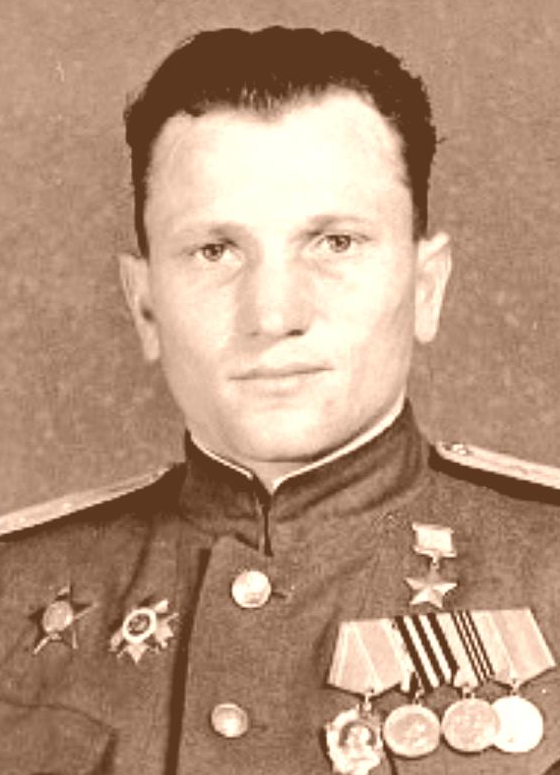


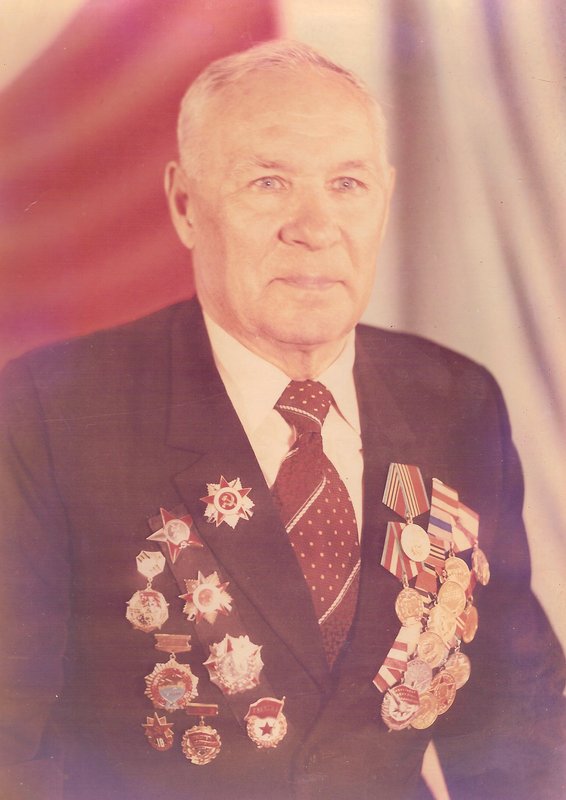
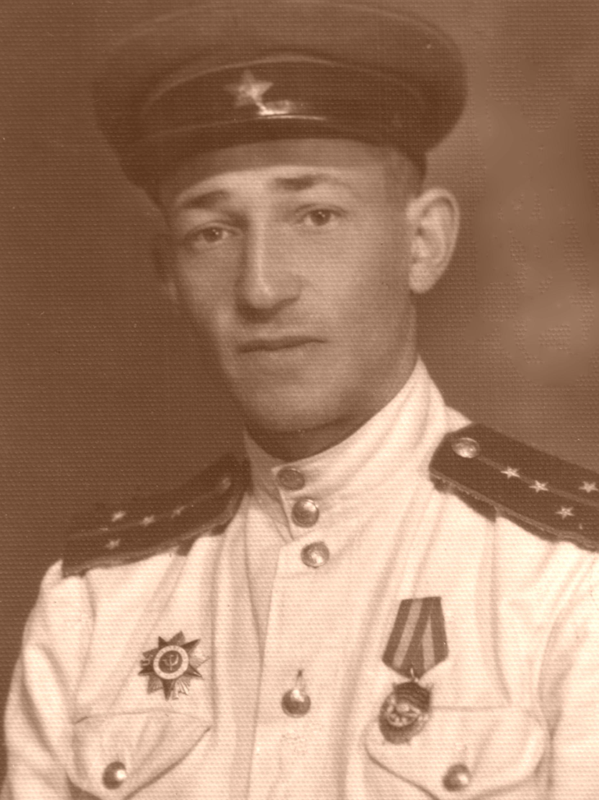
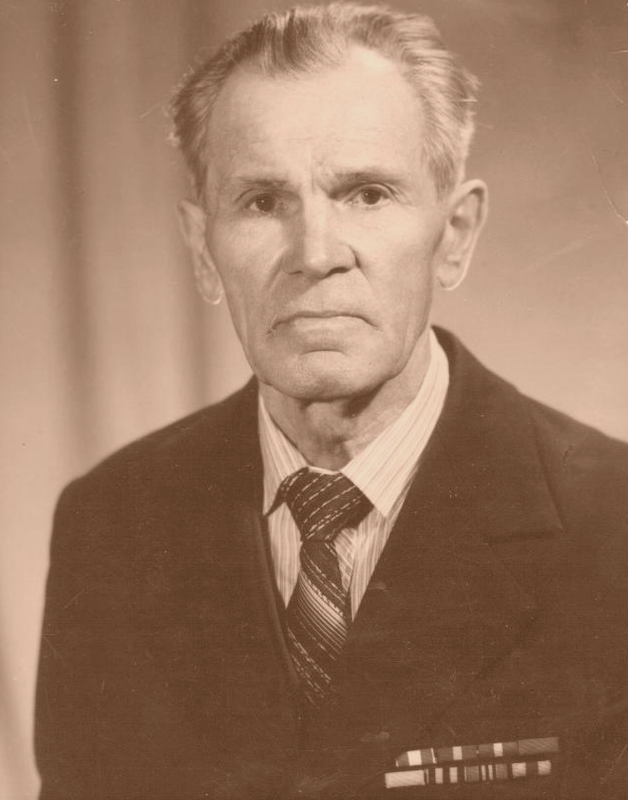
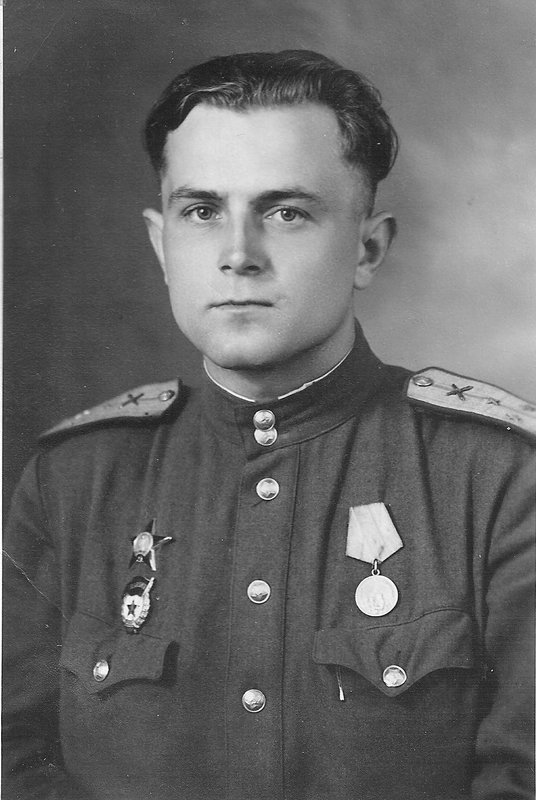
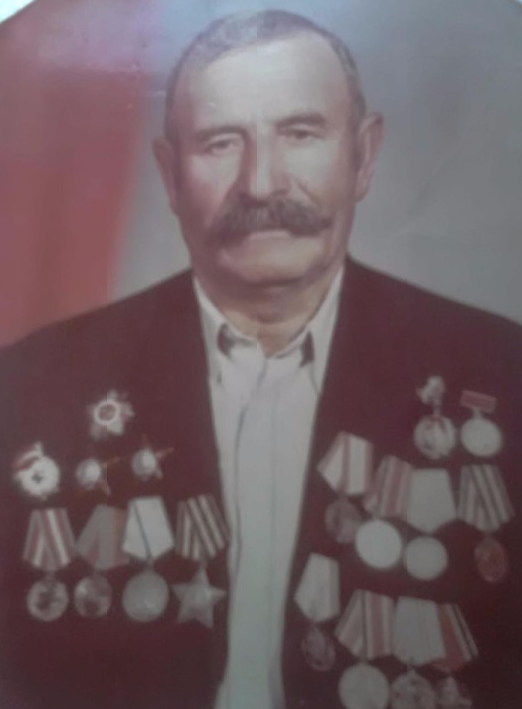
Sinitsa Andrey Filippovich
Sinitsa Andrey Filippovich_x000D_
_x000D_
Title: Red Army Man _x000D_
Sinitsa Andrey Filippovich came from village of Shilovo, Smolensk region, and had been a participant in 3 wars: the Finnish, Japanese and Great Patriotic war. He was called up for war by the military Commissariat of the Smolensk region. He served on the Belorussian front as a private, then as a commander of an artillery gun. _x000D_
Once, he was captured by the Germans in the Smolensk area, but he escaped successfully with a fellow countryman from the village of Lyubavichi. He attributed his luck to the fact that his countryman understand some German. They found out about a rest break on the road and a change of guards. The hustle during the change of the guard helped them to disappear. Then he went to the military enlistment office again to join his regiment. _x000D_
Another story of his lick happened during the attack, when his gray soldier’s overcoat was shot through by a German machine gun. Ar first, he did not pay attention to this and continued to run at the enemy along with everyone else. Later the platoon commander looked at him and said: "This is not an overcoat, but a sieve of some kind. And not a single wound! You are a lucky man, Andrey! So you will go through the war and stay alive. There is such a soldier's sign." My grandfather didn't really believe in superstition back then, but the soldier's sign worked in his case. _x000D_
In the post-war years, he often recalled that incident and told this story the children in his native village school when he was invited to the Victory Day. He was shot twice. At the end of the war, he was wounded in the leg and received a severe concussion. He was sent to a Leningrad hospital for long-term treatment and was discharged in 1946. He regretted that he had not not participated in the capture of Berlin because of his injury. Sinitsa AF was personally acquainted with Sergeant M. Yegorov, (they were fellow countrymen and lived 25 km from each other), who planted the Banner of Victory over the Reichstag together with M. Kantaria. _x000D_
Sinitsa Andrey Filippovich was awarded the order of the "Patriotic war", the medal "For Military Merit", "For Courage" and jubilee medals. After the war he returned to his native village to join his family, where five children were already growing up. He worked at a kolkhoz stable and was buried in the local village cemetery.
Sinitsa Andrey Filippovich
Sinitsa Andrey Filippovich_x000D_
_x000D_
Title: Red Army Man _x000D_
Sinitsa Andrey Filippovich came from village of Shilovo, Smolensk region, and had been a participant in 3 wars: the Finnish, Japanese and Great Patriotic war. He was called up for war by the military Commissariat of the Smolensk region. He served on the Belorussian front as a private, then as a commander of an artillery gun. _x000D_
Once, he was captured by the Germans in the Smolensk area, but he escaped successfully with a fellow countryman from the village of Lyubavichi. He attributed his luck to the fact that his countryman understand some German. They found out about a rest break on the road and a change of guards. The hustle during the change of the guard helped them to disappear. Then he went to the military enlistment office again to join his regiment. _x000D_
Another story of his lick happened during the attack, when his gray soldier’s overcoat was shot through by a German machine gun. Ar first, he did not pay attention to this and continued to run at the enemy along with everyone else. Later the platoon commander looked at him and said: "This is not an overcoat, but a sieve of some kind. And not a single wound! You are a lucky man, Andrey! So you will go through the war and stay alive. There is such a soldier's sign." My grandfather didn't really believe in superstition back then, but the soldier's sign worked in his case. _x000D_
In the post-war years, he often recalled that incident and told this story the children in his native village school when he was invited to the Victory Day. He was shot twice. At the end of the war, he was wounded in the leg and received a severe concussion. He was sent to a Leningrad hospital for long-term treatment and was discharged in 1946. He regretted that he had not not participated in the capture of Berlin because of his injury. Sinitsa AF was personally acquainted with Sergeant M. Yegorov, (they were fellow countrymen and lived 25 km from each other), who planted the Banner of Victory over the Reichstag together with M. Kantaria. _x000D_
Sinitsa Andrey Filippovich was awarded the order of the "Patriotic war", the medal "For Military Merit", "For Courage" and jubilee medals. After the war he returned to his native village to join his family, where five children were already growing up. He worked at a kolkhoz stable and was buried in the local village cemetery.
0 comment




2026 © Russian Military Historical Society Developed by Jetmix