Back to
album
album
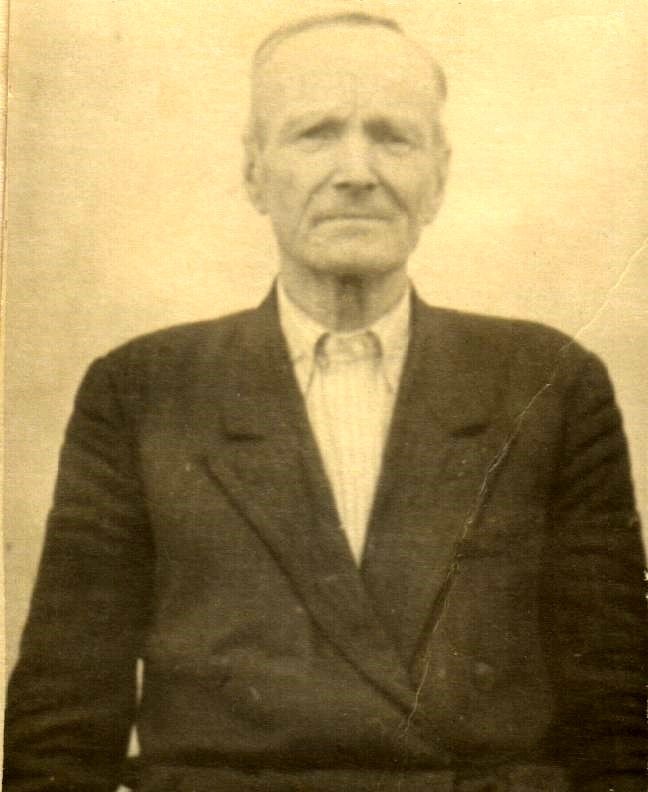
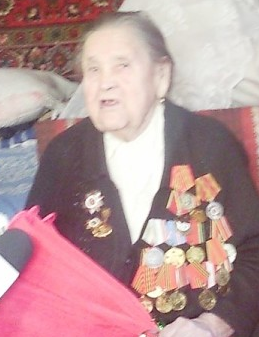
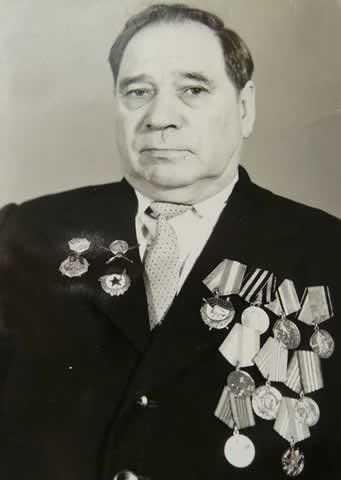
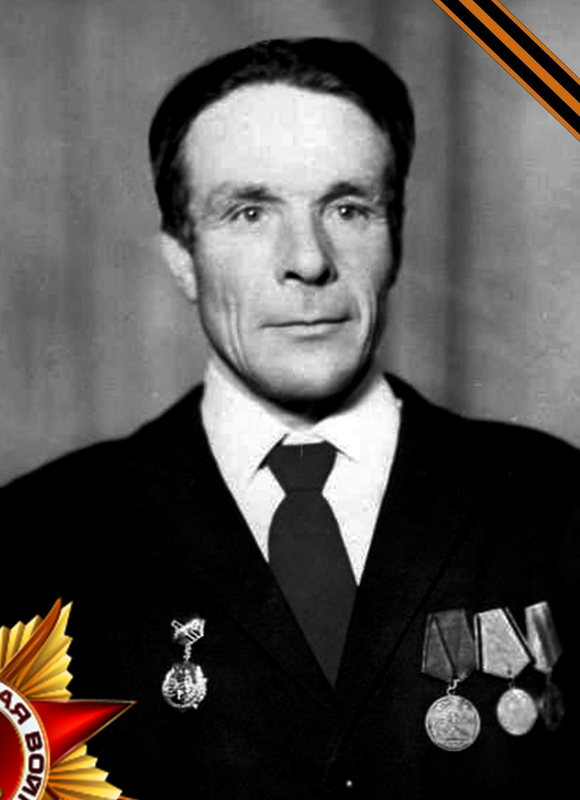
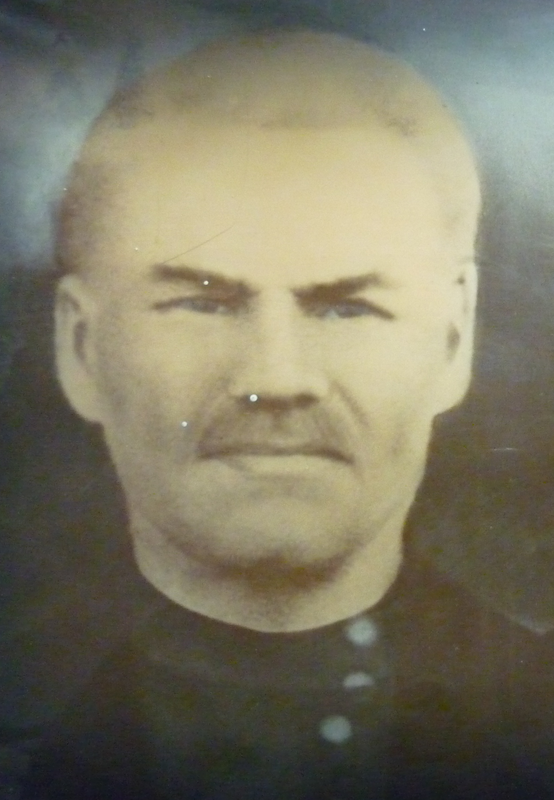
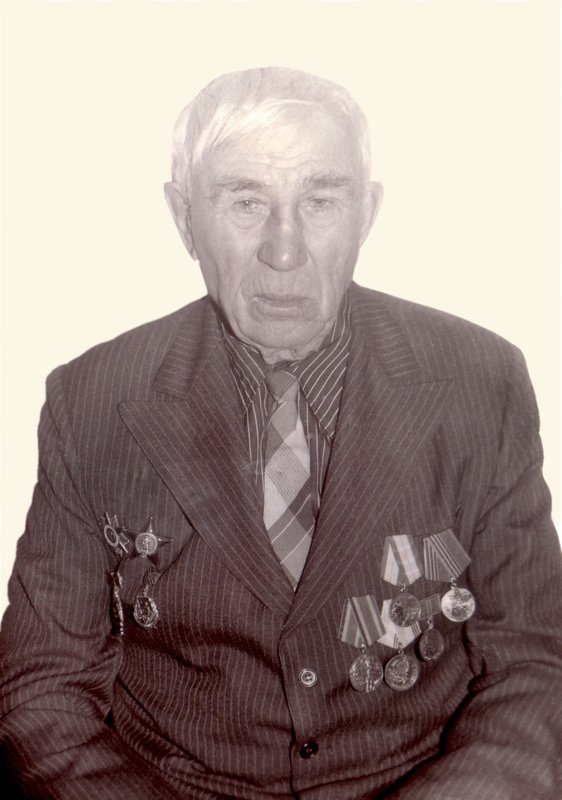
Vilenskaya Olga Petrovna
Vilenskaya Olga Petrovna_x000D_
_x000D_
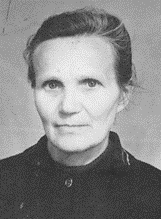
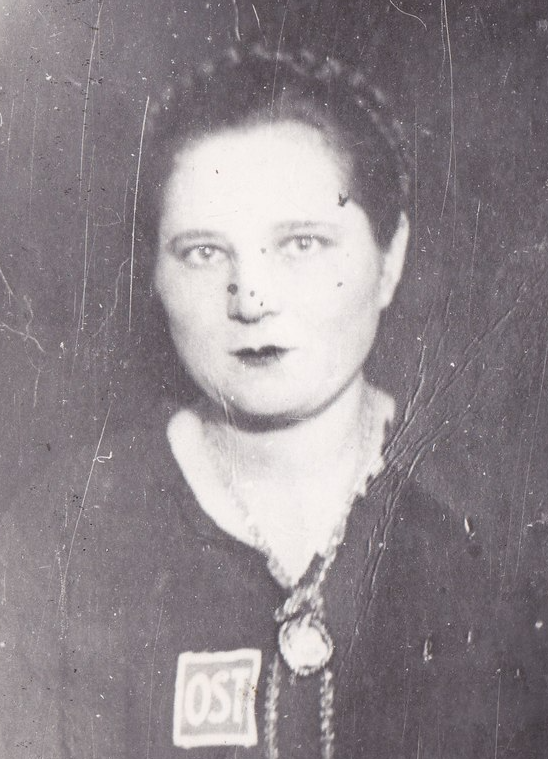
A woman lived in Makashevka. A simple woman, just like everyone else. She was tall, plump, and her face was lined. She has clear eyes that radiate warmth and affection. It Wilenska Olga Petrovna. Olga Petrovna's life, at first glance, was no different from the lives of other women farmers. But if you listen carefully to the story of this woman, you will understand what a difficult path of the great Patriotic war she went through. When the war began, Olga Petrovna lived in the Donbass, in the city of Yenakievo. She worked at the factory as an assistant driver on a steam locomotive. "The first bombing at our factory was in August 1941, at exactly 22 hours and 45 minutes."Olga Petrovna recalled. There were many wounded, an alarm was raised, and after a while the plant began to be evacuated. But it was not possible to go by steam locomotive, because the railway was destroyed. A few days later, the Germans appeared in the city. Savage enemies killed residents, robbed, mocked. People, not wanting to give the enemy food, hid them. There was no limit to the enemy's atrocities. It got to the point that the Germans started burning houses. Our house was the ninth, and became the first, all the other houses were burned, " she said. "A lot of people came to us because they had nowhere to hide from the cold," Olga Petrovna recalled. The Germans remained in the Donbass. At that time, the enemy surrounded Stalingrad and advanced in almost all directions. He also dug in in the Donbass. Coal, bread, food-all this the enemy exported to Germany. The village where Olga Petrovna lived was surrounded by the enemy. The Germans came here to Rob and kill the inhabitants. Residents were not allowed to leave their homes, because the village was being shelled. ”One boy came out of the house and was immediately killed. They killed an innocent child, they killed him for going out on his own street, " says Olga Petrovna. So people lived for two and a half months. And in 1942, the Russian offensive began on all fronts. The offensive also began on the territory where Olga Petrovna lived. They were advancing on debaltseve. The village was left behind. Destroyed, burned, it stood alone in the Ukrainian steppe. People had nothing to live with. The enemy took the food. People left the cities for the villages. Olga Petrovna also left with her little brother, who was only 12 years old. She walked 245 km with her brother. Only 3 km to my family, only 3 km! There was a river on their way. And when Olga Petrovna tried to get around it, bullets fell. Shots were fired from all sides. So I had to go through the water. Who does not know what river in January. They came to the village cold, wet, and icy. Here Olga Petrovna fell ill. At home, she had to lie in bed while she recovered. Life in this village was quiet. The Germans left people to live in order to then steal them to distant Germany as labor. They sent echelon after echelon of young women to Germany. When the first train was sent, Olga Petrovna managed to hide, but then her neighbor, who was a policeman, gave her away. She was thrown into the carriage, which was ready for departure. The enemy had no regard for the old or the children. How many maternal tears, the screaming, the moaning. Mothers were separated from their infants. But how can enemies have pity? The train set off. The doors of the cars were locked, and people could only look out of the window through the bars. The first stop was in Poland. People were given a Cup of hot soup without bread. The second stop was in the city of Magdenburg. Here they were kicked out of the cars and sent to the transfer point. They lived in Magdenburgde for 5 days. Several people were taken by the factory owners, and 200 people, including Olga Petrovna, were sent to the city of Salzveden. There they were sent to work in a factory. They worked on the machines and were watched by old German women. Olga Petrovna recalled such an incident from life at the factory: "One day a German woman came up to me and began to feel my head, rummage in my hair. I asked her what she was doing, what she was looking for. And then, through an interpreter, she told me that she was watching horns. They say that Russian women all have horns, and I want to see them myself." Working at the factory was exhausting. The food was very poor. For Breakfast they gave half a liter of boiling water and 150 grams of bread, for lunch-soup with cabbage, and without bread, for dinner-again soup and bread. But despite this, Russian women did not lose heart. Hungry, they often gathered together, singing songs, joking and laughing. They were kept behind barbed wire in concentration camps. They didn't let them go anywhere, they took them to work with their dogs. At work, they were mocked and laughed at in every possible way. Each woman had a GST badge sewn on her jacket. All of them were known from lists. Who does not know what incredible crimes the Nazis committed on our land?! Then what can we say about the camps? There were camps on German soil. The enemies came up with different punishments. They burned stars on the backs of our women, put a hot light bulb to their lips, pricked them with needles under their nails, beat them with red-hot rods, took them barefoot to the snow and doused them with ice water, burned them in burning stoves. Is it possible to know all the atrocities committed by the enemy? And here in such a camp, amid bullying and torment, Olga Petrovna lived for three and a half years away from the city and her relatives. But this did not break the Russian woman. Olga Petrovna returned to our village, created a family, and worked conscientiously on the collective farm. Makasana remember her kind words.
Vilenskaya Olga Petrovna
Vilenskaya Olga Petrovna_x000D_
_x000D_
A woman lived in Makashevka. A simple woman, just like everyone else. She was tall, plump, and her face was lined. She has clear eyes that radiate warmth and affection. It Wilenska Olga Petrovna. Olga Petrovna's life, at first glance, was no different from the lives of other women farmers. But if you listen carefully to the story of this woman, you will understand what a difficult path of the great Patriotic war she went through. When the war began, Olga Petrovna lived in the Donbass, in the city of Yenakievo. She worked at the factory as an assistant driver on a steam locomotive. "The first bombing at our factory was in August 1941, at exactly 22 hours and 45 minutes."Olga Petrovna recalled. There were many wounded, an alarm was raised, and after a while the plant began to be evacuated. But it was not possible to go by steam locomotive, because the railway was destroyed. A few days later, the Germans appeared in the city. Savage enemies killed residents, robbed, mocked. People, not wanting to give the enemy food, hid them. There was no limit to the enemy's atrocities. It got to the point that the Germans started burning houses. Our house was the ninth, and became the first, all the other houses were burned, " she said. "A lot of people came to us because they had nowhere to hide from the cold," Olga Petrovna recalled. The Germans remained in the Donbass. At that time, the enemy surrounded Stalingrad and advanced in almost all directions. He also dug in in the Donbass. Coal, bread, food-all this the enemy exported to Germany. The village where Olga Petrovna lived was surrounded by the enemy. The Germans came here to Rob and kill the inhabitants. Residents were not allowed to leave their homes, because the village was being shelled. ”One boy came out of the house and was immediately killed. They killed an innocent child, they killed him for going out on his own street, " says Olga Petrovna. So people lived for two and a half months. And in 1942, the Russian offensive began on all fronts. The offensive also began on the territory where Olga Petrovna lived. They were advancing on debaltseve. The village was left behind. Destroyed, burned, it stood alone in the Ukrainian steppe. People had nothing to live with. The enemy took the food. People left the cities for the villages. Olga Petrovna also left with her little brother, who was only 12 years old. She walked 245 km with her brother. Only 3 km to my family, only 3 km! There was a river on their way. And when Olga Petrovna tried to get around it, bullets fell. Shots were fired from all sides. So I had to go through the water. Who does not know what river in January. They came to the village cold, wet, and icy. Here Olga Petrovna fell ill. At home, she had to lie in bed while she recovered. Life in this village was quiet. The Germans left people to live in order to then steal them to distant Germany as labor. They sent echelon after echelon of young women to Germany. When the first train was sent, Olga Petrovna managed to hide, but then her neighbor, who was a policeman, gave her away. She was thrown into the carriage, which was ready for departure. The enemy had no regard for the old or the children. How many maternal tears, the screaming, the moaning. Mothers were separated from their infants. But how can enemies have pity? The train set off. The doors of the cars were locked, and people could only look out of the window through the bars. The first stop was in Poland. People were given a Cup of hot soup without bread. The second stop was in the city of Magdenburg. Here they were kicked out of the cars and sent to the transfer point. They lived in Magdenburgde for 5 days. Several people were taken by the factory owners, and 200 people, including Olga Petrovna, were sent to the city of Salzveden. There they were sent to work in a factory. They worked on the machines and were watched by old German women. Olga Petrovna recalled such an incident from life at the factory: "One day a German woman came up to me and began to feel my head, rummage in my hair. I asked her what she was doing, what she was looking for. And then, through an interpreter, she told me that she was watching horns. They say that Russian women all have horns, and I want to see them myself." Working at the factory was exhausting. The food was very poor. For Breakfast they gave half a liter of boiling water and 150 grams of bread, for lunch-soup with cabbage, and without bread, for dinner-again soup and bread. But despite this, Russian women did not lose heart. Hungry, they often gathered together, singing songs, joking and laughing. They were kept behind barbed wire in concentration camps. They didn't let them go anywhere, they took them to work with their dogs. At work, they were mocked and laughed at in every possible way. Each woman had a GST badge sewn on her jacket. All of them were known from lists. Who does not know what incredible crimes the Nazis committed on our land?! Then what can we say about the camps? There were camps on German soil. The enemies came up with different punishments. They burned stars on the backs of our women, put a hot light bulb to their lips, pricked them with needles under their nails, beat them with red-hot rods, took them barefoot to the snow and doused them with ice water, burned them in burning stoves. Is it possible to know all the atrocities committed by the enemy? And here in such a camp, amid bullying and torment, Olga Petrovna lived for three and a half years away from the city and her relatives. But this did not break the Russian woman. Olga Petrovna returned to our village, created a family, and worked conscientiously on the collective farm. Makasana remember her kind words.
0 comment




2026 © Russian Military Historical Society Developed by Jetmix