Back to
album
album
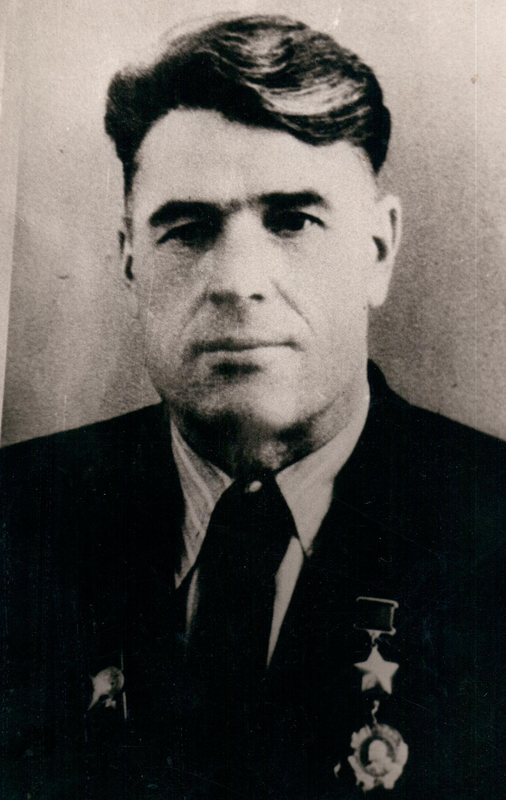
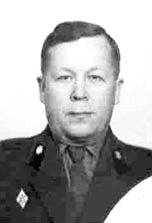
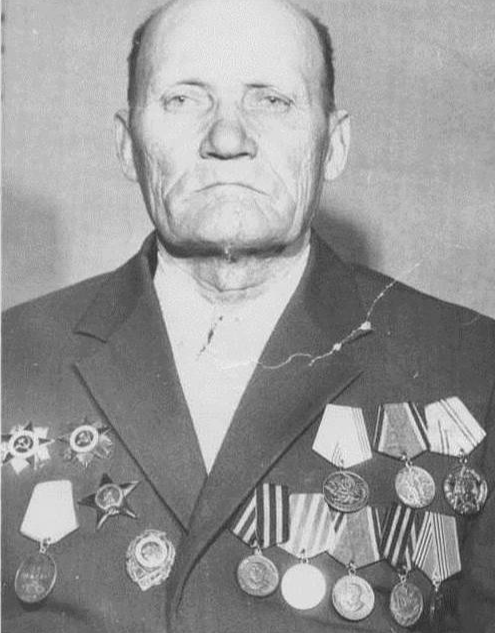
Varaksina Evdokia Ivanovna
Varaksina Evdokia Ivanovna_x000D_
_x000D_
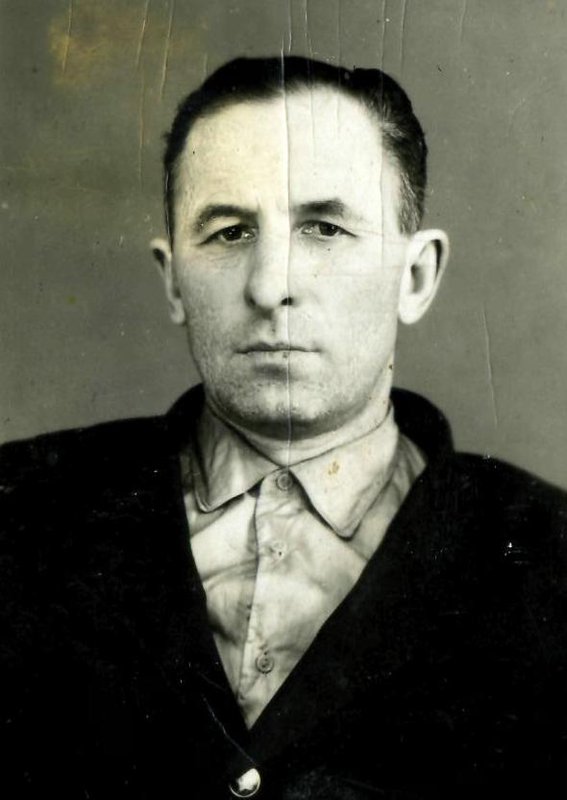
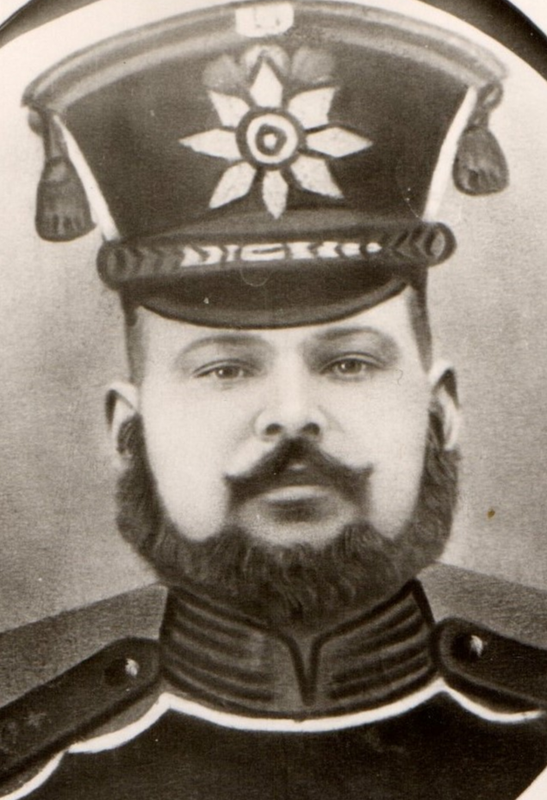
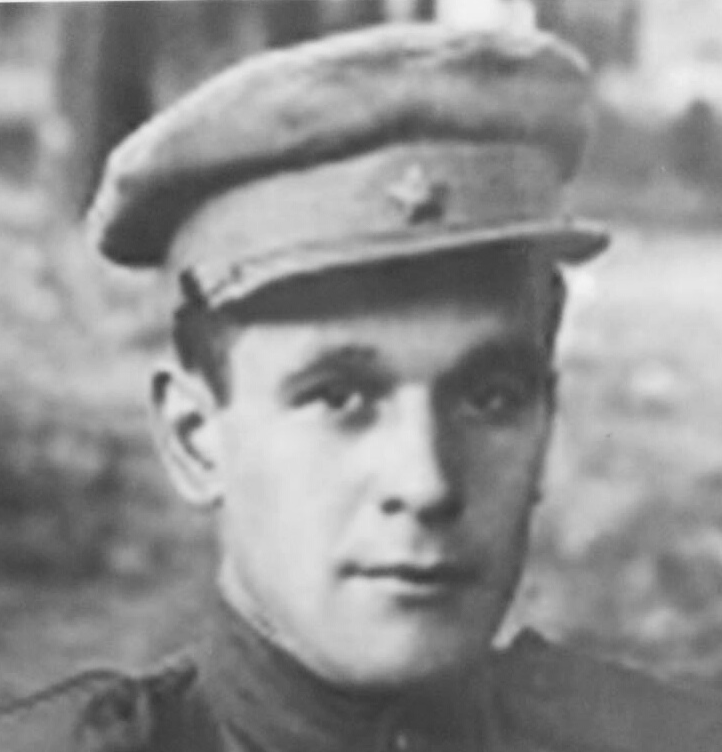
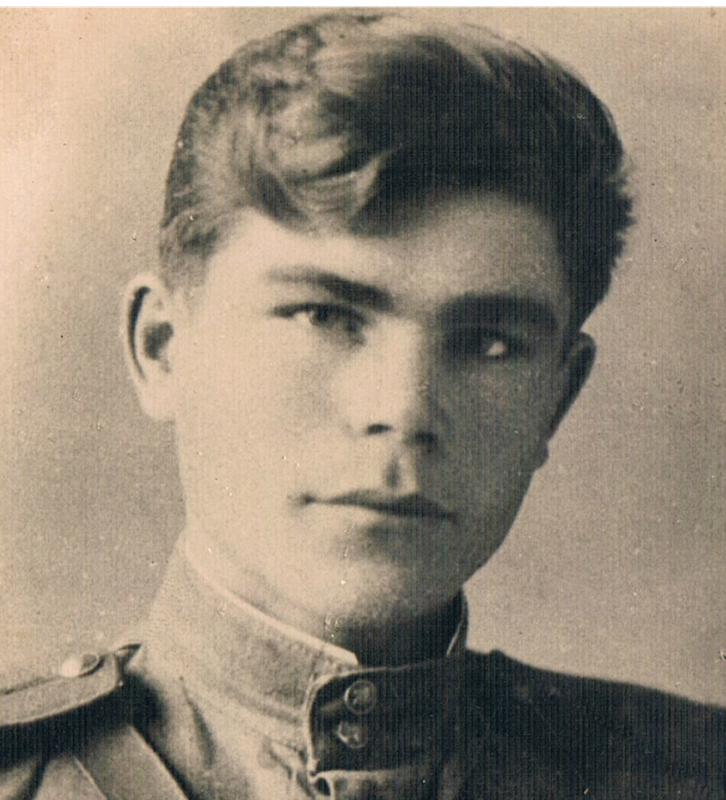
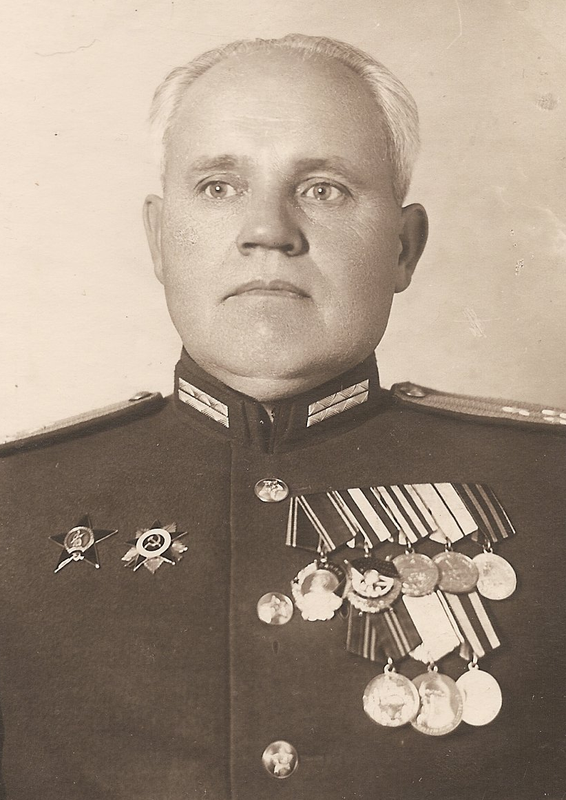
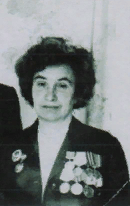
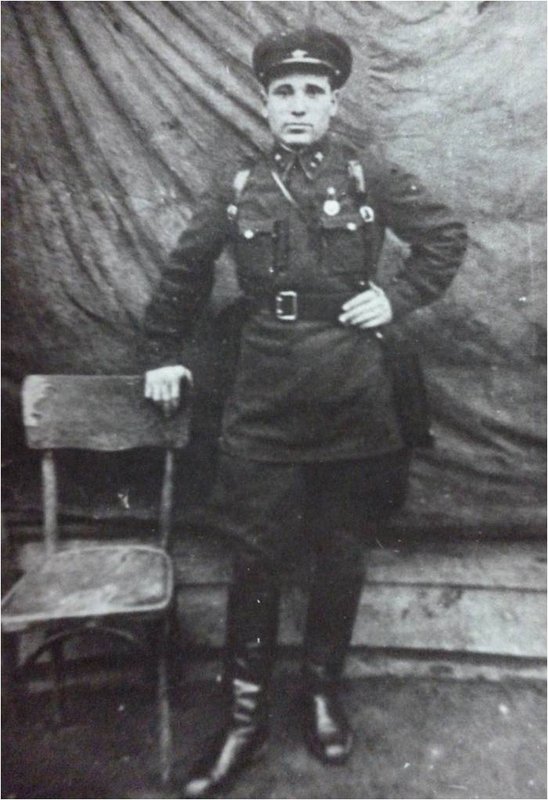
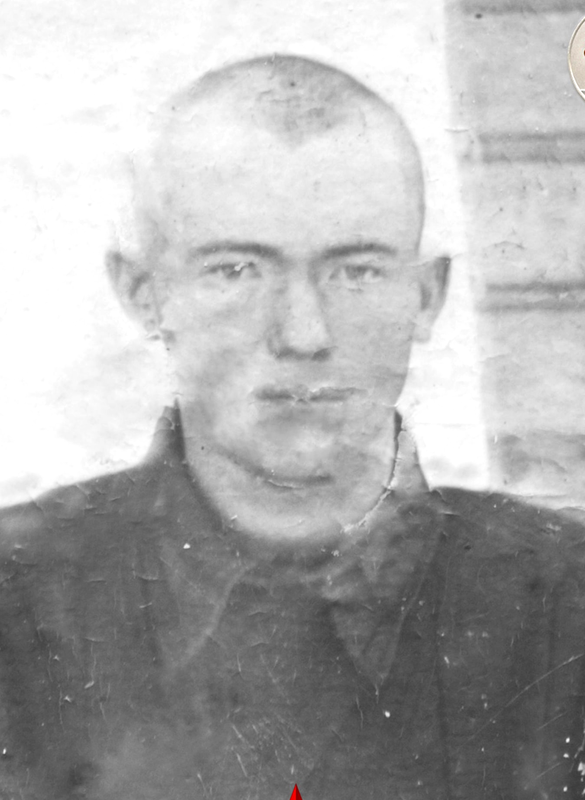
Title: Senior sergeant. Branch of the armed forces: Military medical staff. Frontline sister. Unit: 69th anti-aircraft artillery Dresden order of Bogdan Khmelnitsky division. Varaksina Evdokia Ivanovna (1922-2008), my second cousin, sister of my great-grandfather Fyodor Ivanovich Gorbunov. Grandmother Dusya, as my mother called her, was born on September 7, 1922, in the village of Pokrovskoye in the Yegorshinsky district. In addition to her, two older brothers and a younger sister grew up in the family. 1933 was a hungry year. My grandmother was brought to my brother Fyodor Ivanovich in Asbestos to study. In the same year, the seriously ill father died. She was the eighth in her brother's family. After finishing seven classes, she worked as an accountant at the factory No. 2 "Giant". In 1941, the city Committee of the Komsomol organized nursing courses. Forty girls were trained on them after the main work. The practice was held at night. They were on duty in the hospital, located in the building of the vocational school, in the infectious diseases and surgical departments. In February 1942, 19-year-old Evdokia Gorbunova volunteered for the front as a nurse. From Sverdlovsk, they went to Naro-Fominsk in freight cars on bunks, but no one complained about the inconvenience. After distribution, she went to the army mobile field hospital No. 2261 in the village of Gribovo (near Moscow). It was located 10-15 kilometres from the front line in the forest. Throughout the war, Baba Dusya worked in canvas tents. The wounded were washed, urgent operations were performed, and they were sent to the deep rear for treatment. You could say it was the second line of help for the wounded. I had to work without rest for two or three days. What a rest, if you can only hear it: "Sister, fix your hand", "Sister, my leg is numb..." In addition, they are already amputated. It's hard to see the suffering of the wounded. A person dies before your eyes, and sometimes you can't help them. My grandmother always remembered the first soldier who died. Ran to the doctors with tears, and they calm her down: "Dusenka, you can't help him. You don't have enough tears for everyone." The young nurse was impressed by the courage and endurance of the wounded. There was no sound of their screams, only groans and gnashing of teeth. Together with the 69th army, Evdokia Ivanovna was on the Western, Voronezh, Steppe 4th and Ukrainian, 1st Belorussian fronts, liberating Poland. She met the victory in a forest near Berlin. At the end of May, she signed on the walls of the Reichstag. The war was over, but my grandmother worked in a hospital in Berlin until November 1945. Doctors were not very pampered with awards, but Evdokia Ivanovna was awarded medals: "For the Victory over Germany" and "for military merit", the badge "excellent sanitary service". For the war, she has six commendations from the command of the 69th army. She finished the war with the rank of senior Sergeant in the medical service. After the Victory, she worked for 32 years at a mechanical repair plant as an accountant, including 23 years as a chief accountant. She knew many of the workers not only by sight but also by their first and patronymic names. Evdokia Ivanovna was also engaged in public work: for many years she was the Secretary of the election Commission, a distributor of periodicals. In 1978, she went on a well-deserved rest, but still actively participated in the public life of the plant and the Council of veterans. Her parents instilled a love of work in her and her two brothers. They both worked at the Uralasbest repair and mechanical plant all their lives.
Varaksina Evdokia Ivanovna
Varaksina Evdokia Ivanovna_x000D_
_x000D_
Title: Senior sergeant. Branch of the armed forces: Military medical staff. Frontline sister. Unit: 69th anti-aircraft artillery Dresden order of Bogdan Khmelnitsky division. Varaksina Evdokia Ivanovna (1922-2008), my second cousin, sister of my great-grandfather Fyodor Ivanovich Gorbunov. Grandmother Dusya, as my mother called her, was born on September 7, 1922, in the village of Pokrovskoye in the Yegorshinsky district. In addition to her, two older brothers and a younger sister grew up in the family. 1933 was a hungry year. My grandmother was brought to my brother Fyodor Ivanovich in Asbestos to study. In the same year, the seriously ill father died. She was the eighth in her brother's family. After finishing seven classes, she worked as an accountant at the factory No. 2 "Giant". In 1941, the city Committee of the Komsomol organized nursing courses. Forty girls were trained on them after the main work. The practice was held at night. They were on duty in the hospital, located in the building of the vocational school, in the infectious diseases and surgical departments. In February 1942, 19-year-old Evdokia Gorbunova volunteered for the front as a nurse. From Sverdlovsk, they went to Naro-Fominsk in freight cars on bunks, but no one complained about the inconvenience. After distribution, she went to the army mobile field hospital No. 2261 in the village of Gribovo (near Moscow). It was located 10-15 kilometres from the front line in the forest. Throughout the war, Baba Dusya worked in canvas tents. The wounded were washed, urgent operations were performed, and they were sent to the deep rear for treatment. You could say it was the second line of help for the wounded. I had to work without rest for two or three days. What a rest, if you can only hear it: "Sister, fix your hand", "Sister, my leg is numb..." In addition, they are already amputated. It's hard to see the suffering of the wounded. A person dies before your eyes, and sometimes you can't help them. My grandmother always remembered the first soldier who died. Ran to the doctors with tears, and they calm her down: "Dusenka, you can't help him. You don't have enough tears for everyone." The young nurse was impressed by the courage and endurance of the wounded. There was no sound of their screams, only groans and gnashing of teeth. Together with the 69th army, Evdokia Ivanovna was on the Western, Voronezh, Steppe 4th and Ukrainian, 1st Belorussian fronts, liberating Poland. She met the victory in a forest near Berlin. At the end of May, she signed on the walls of the Reichstag. The war was over, but my grandmother worked in a hospital in Berlin until November 1945. Doctors were not very pampered with awards, but Evdokia Ivanovna was awarded medals: "For the Victory over Germany" and "for military merit", the badge "excellent sanitary service". For the war, she has six commendations from the command of the 69th army. She finished the war with the rank of senior Sergeant in the medical service. After the Victory, she worked for 32 years at a mechanical repair plant as an accountant, including 23 years as a chief accountant. She knew many of the workers not only by sight but also by their first and patronymic names. Evdokia Ivanovna was also engaged in public work: for many years she was the Secretary of the election Commission, a distributor of periodicals. In 1978, she went on a well-deserved rest, but still actively participated in the public life of the plant and the Council of veterans. Her parents instilled a love of work in her and her two brothers. They both worked at the Uralasbest repair and mechanical plant all their lives.
0 comment




2026 © Russian Military Historical Society Developed by Jetmix