Back to
album
album
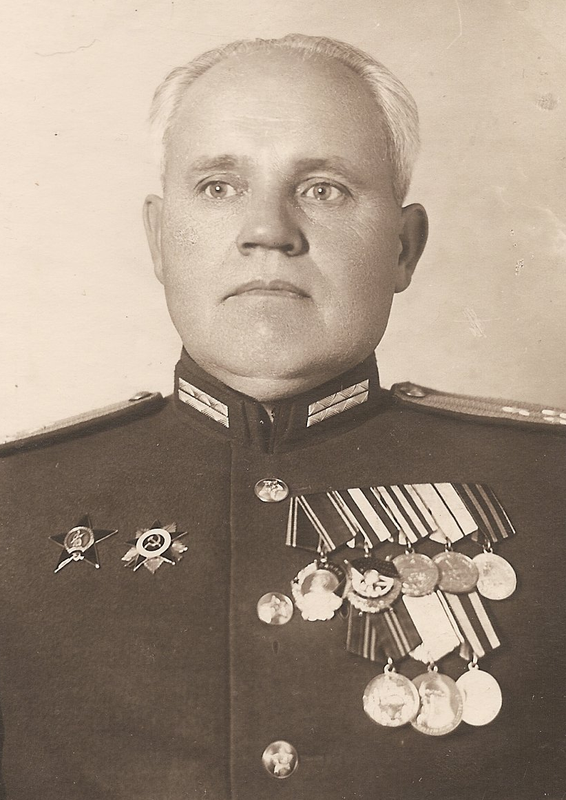
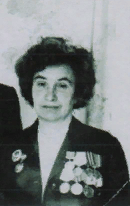
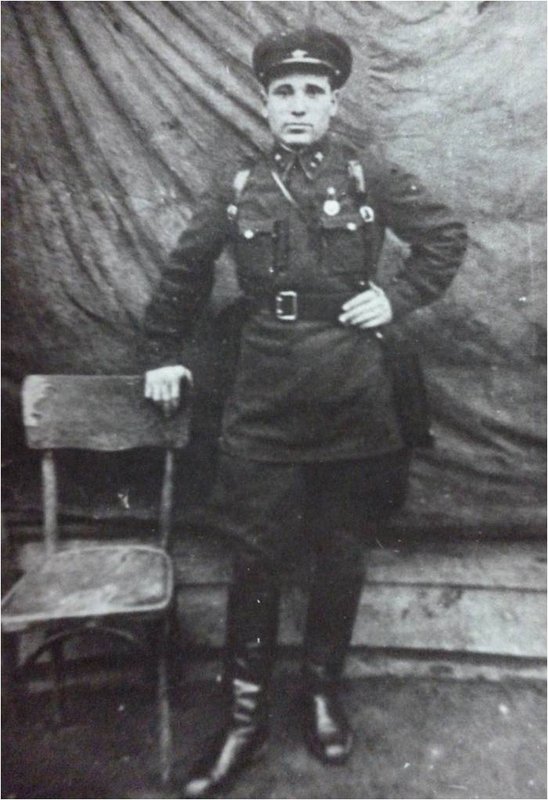
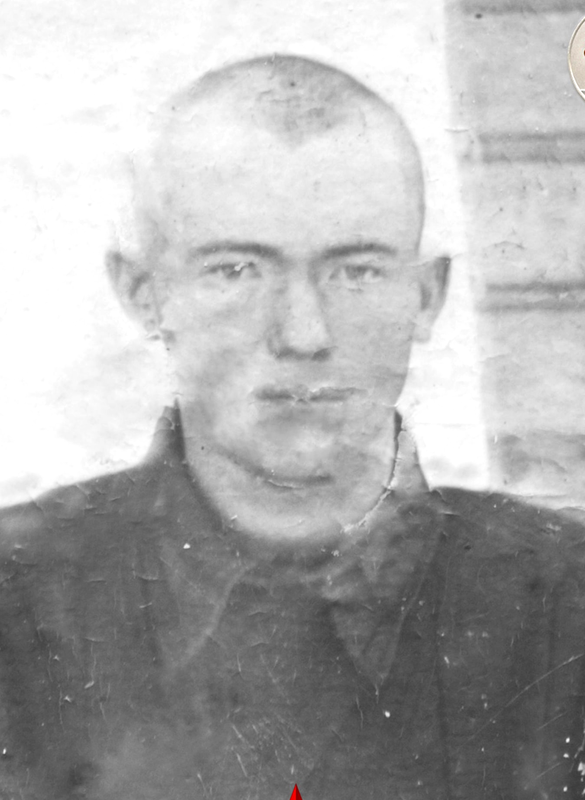
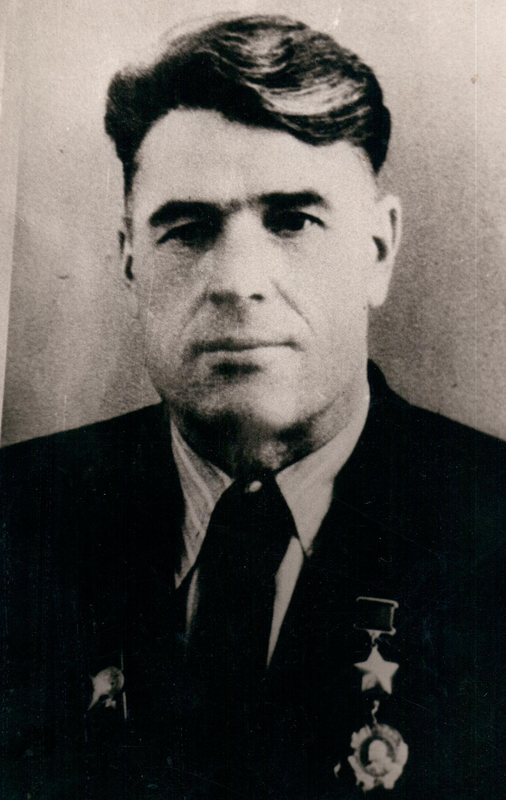
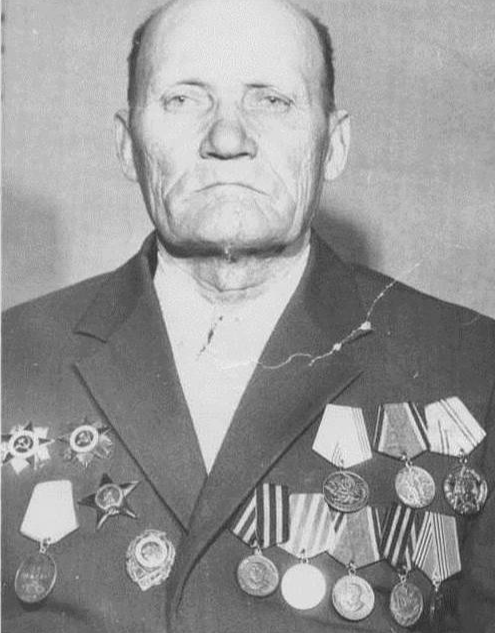
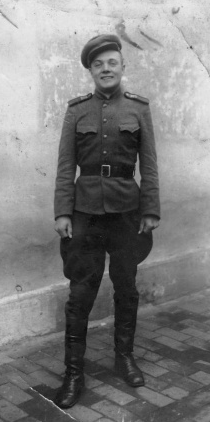
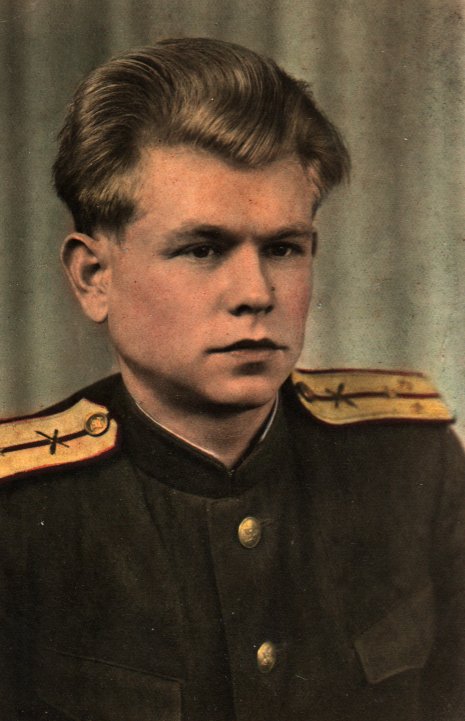
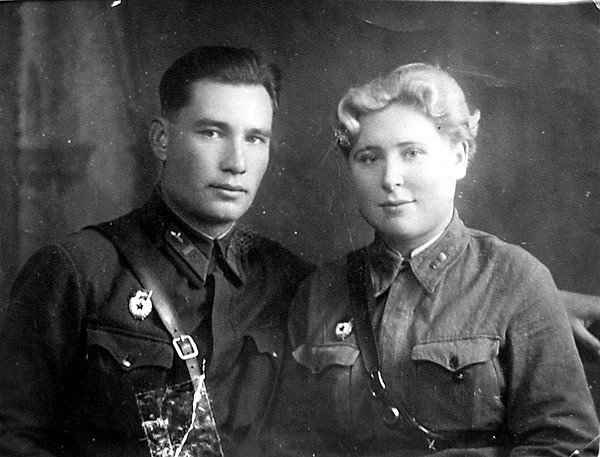
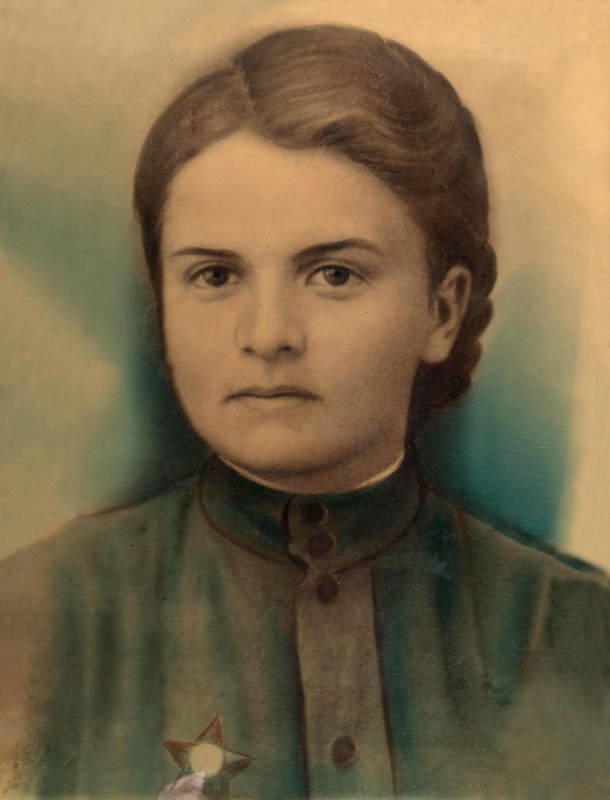
Vitushkin Nikolai Pavolovich
Vitushkin Nikolai Pamfolonovich_x000D_
_x000D_
Rank: Lieutenant military Branch: Engineering troops Division: 13th artillery Kyiv red banner order of Kutuzov breakthrough division. After finishing the 10th grade in 1938-1939, she worked as a teacher in an elementary school. In 1939, he was drafted into the army and sent to the Moscow military engineering school. Participant of the great Patriotic war. Participation in the second world war since 1941: The Stalingrad, don, South-West front, Voronezh and 1 Ukrainian 2 Ukrainian 1 Ukrainian front. As part of the active army, he liberated Poland, Romania, Germany, and Czechoslovakia. Awarded the order of the red Star order No. 0115/n of 10.09.1944 Sun 3 GW. A 1 of the Ukrainian front for the courage and bravery shown in organizing the equipment of the brigade's combat formations in engineering terms during the preparation of the operation to break through the enemy's defences in the area of Zvenyache-Gorokhov, despite the enemy's aerial reconnaissance and shelling of the areas of combat formations by the enemy. As a result, parts of the brigade during the operation did not have losses in the material part of artillery and vehicles. Being at the observation post of the brigade commander, he conducted reconnaissance of the front edge and found one BUNKER, two machine-gun points, which were destroyed on 13.07.1944 and destroyed by the fire of the 556 gap battery. After the end of the war, he continued to serve in the army as an officer. He graduated from The Kuibyshev Military Engineering Academy in 1956. He worked at ALTI (Arkhangelsk Technical Institute) from 1957 to 1961 and from 1964 to 1970 as a teacher, senior lecturer at the military Department. For military services and military service, he was awarded two orders of the "red Star", medals" for military merit"," for the defence of Stalingrad"," for the victory over Germany in the great Patriotic war of 1941-1945"," for service in the Soviet Army " of the 1st degree, as well as commemorative medals. From 1972-1989, he lived in the city of Obninsk, Kaluga region, where children, grandchildren and great-grandchildren now live and remember the hero.
Vitushkin Nikolai Pavolovich
Vitushkin Nikolai Pamfolonovich_x000D_
_x000D_
Rank: Lieutenant military Branch: Engineering troops Division: 13th artillery Kyiv red banner order of Kutuzov breakthrough division. After finishing the 10th grade in 1938-1939, she worked as a teacher in an elementary school. In 1939, he was drafted into the army and sent to the Moscow military engineering school. Participant of the great Patriotic war. Participation in the second world war since 1941: The Stalingrad, don, South-West front, Voronezh and 1 Ukrainian 2 Ukrainian 1 Ukrainian front. As part of the active army, he liberated Poland, Romania, Germany, and Czechoslovakia. Awarded the order of the red Star order No. 0115/n of 10.09.1944 Sun 3 GW. A 1 of the Ukrainian front for the courage and bravery shown in organizing the equipment of the brigade's combat formations in engineering terms during the preparation of the operation to break through the enemy's defences in the area of Zvenyache-Gorokhov, despite the enemy's aerial reconnaissance and shelling of the areas of combat formations by the enemy. As a result, parts of the brigade during the operation did not have losses in the material part of artillery and vehicles. Being at the observation post of the brigade commander, he conducted reconnaissance of the front edge and found one BUNKER, two machine-gun points, which were destroyed on 13.07.1944 and destroyed by the fire of the 556 gap battery. After the end of the war, he continued to serve in the army as an officer. He graduated from The Kuibyshev Military Engineering Academy in 1956. He worked at ALTI (Arkhangelsk Technical Institute) from 1957 to 1961 and from 1964 to 1970 as a teacher, senior lecturer at the military Department. For military services and military service, he was awarded two orders of the "red Star", medals" for military merit"," for the defence of Stalingrad"," for the victory over Germany in the great Patriotic war of 1941-1945"," for service in the Soviet Army " of the 1st degree, as well as commemorative medals. From 1972-1989, he lived in the city of Obninsk, Kaluga region, where children, grandchildren and great-grandchildren now live and remember the hero.
0 comment



2026 © Russian Military Historical Society Developed by Jetmix