Back to
album
album
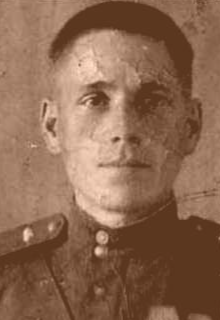
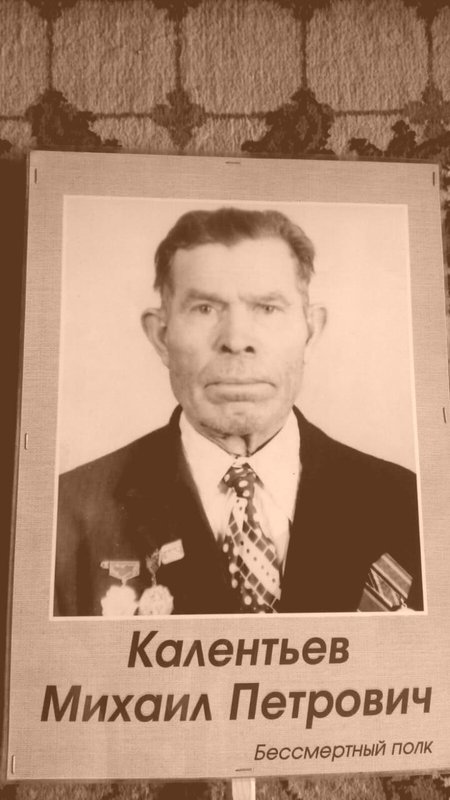
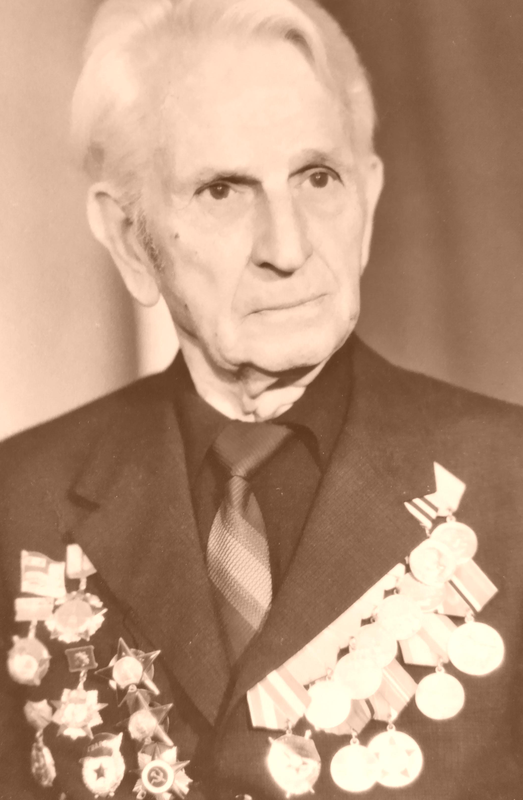
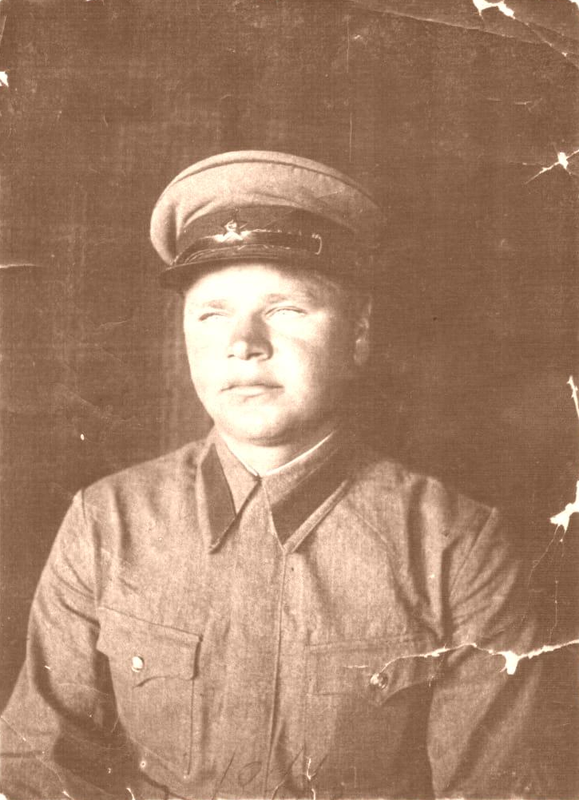
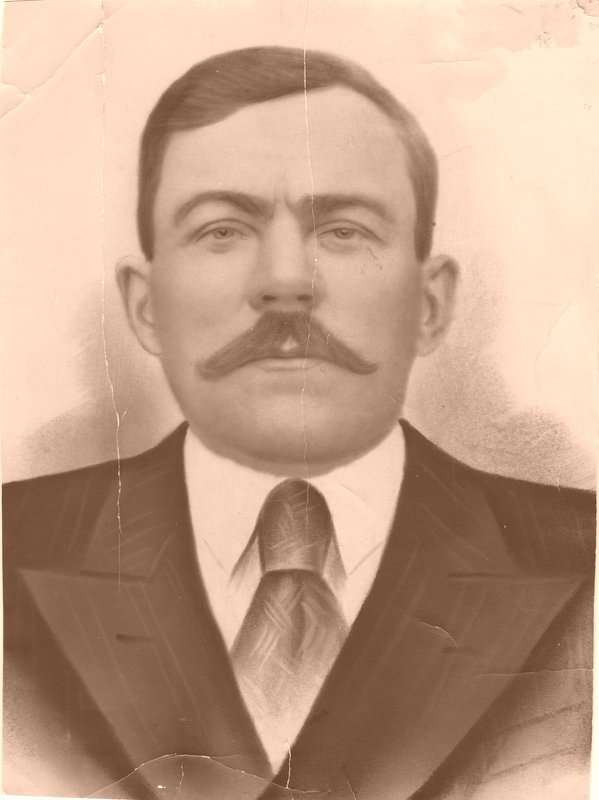
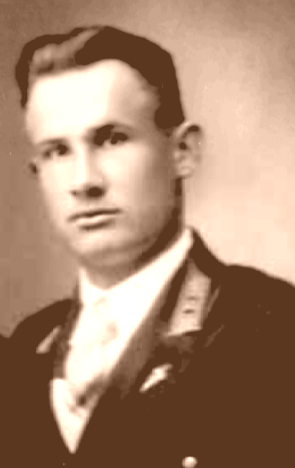
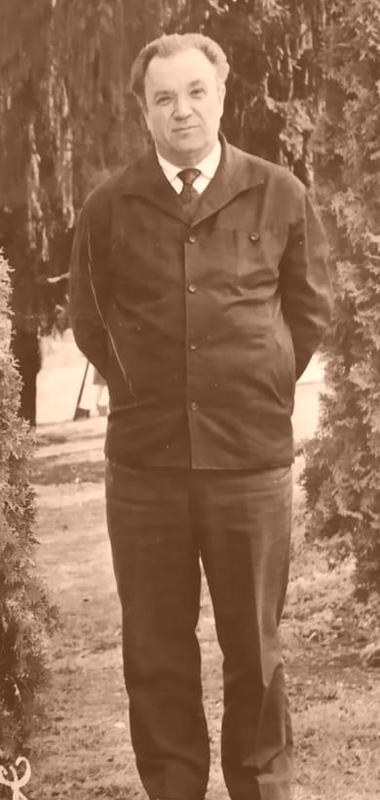
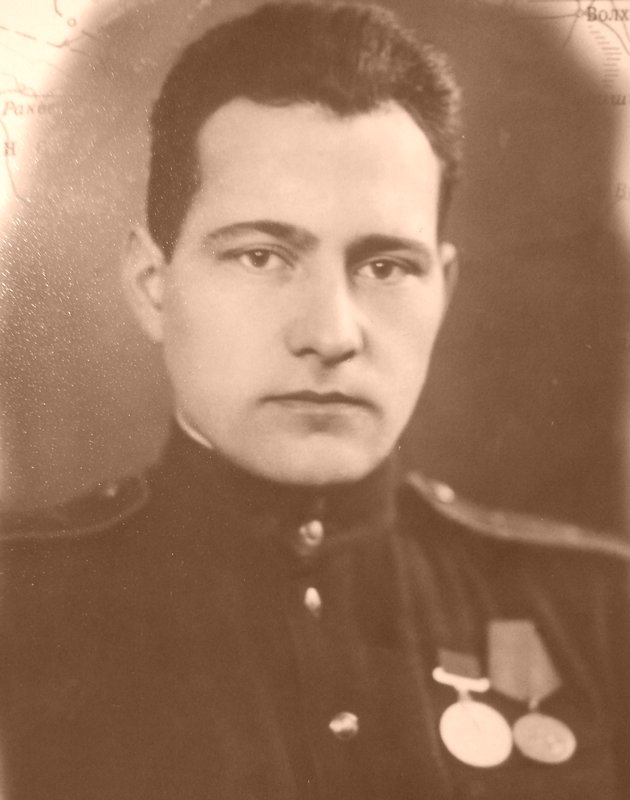
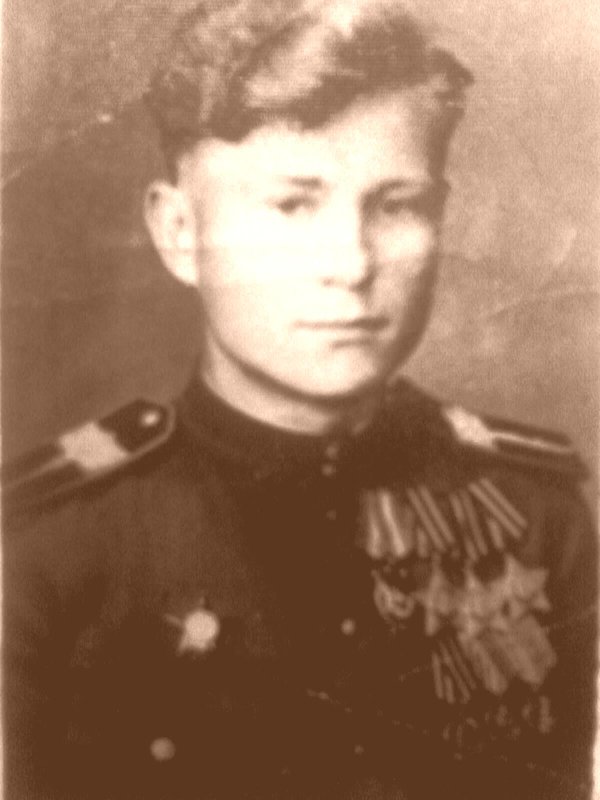
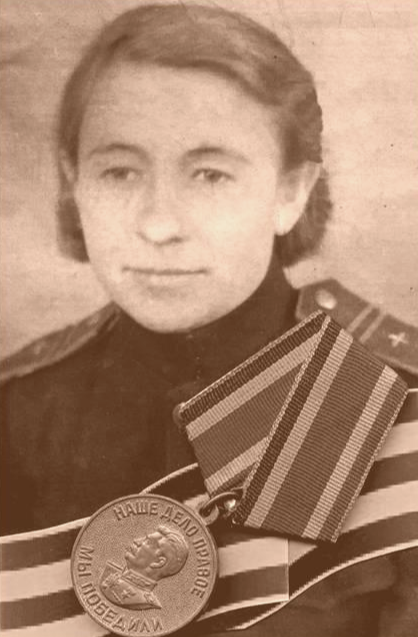
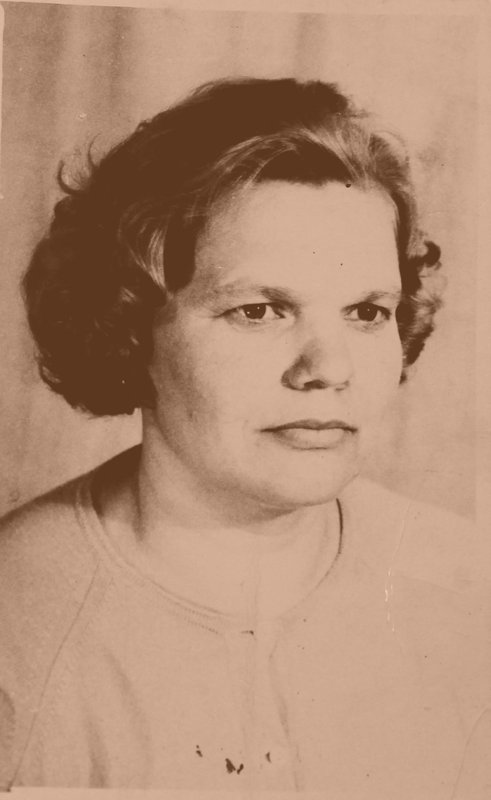
Verpatov Nikolay Sergeevich
Verpatov Nikolay Sergeevich_x000D_
_x000D_
_x000D_
My grandfather was a Navigator in a reconnaissance aircraft. He graduated from the Melitopol military aviation school in May 1940. He met the war in the city of Kotovsk, Odessa region, in the 211 light bombardment regiment as a Flight Navigator. Military rank-Lieutenant. The day before, on Saturday, June 21, he went with his fiancee Klava to a dance, where everyone saw that on the other side of the Prut, "everything was grey from German helmets", but it did not occur to anyone that the bombing would begin at night. The Outpost was holding the Nazis for three days, and grandmother Klava with her sister Zina's family managed to catch the last train. Sergey, Zina's husband, ran home and ordered: “Hurry up to the station! We are leaving”. When one of the women wanted to take a sewing machine, Sergey said: "Don't take anything. Close the chickens in the barn, and we'll be back in three days." They returned only after the war... My grandfather flew combat missions from the first days of the war. In August 1941, he was transferred to the 315 reconnaissance regiment at the headquarters of the Western front. On September 27, 1941, he was shot down in an air battle, wounded, and captured near Poltava. According to the law of the time, he should have committed suicide, but did not. Until April 1945, he was in a concentration camp. From the meagre stories of my grandfather: three times death was inevitable, but passed by. There were 900 prisoners in the first camp. By spring, 300 were left, and the rest died of starvation and typhus. On the territory of the camp, there was no grass, and the prisoners ate all bark on the trees. My grandfather survived. In the spring of 1942, during sorting, they were called one by one, asked questions, and sent to the left (to the "rejected") or to the right (to those who were fit for work). Communists and Jews were shot immediately. My grandfather was a candidate member of the CPSU, all the documents were with him, he did not throw them away. When asked why he was going to join the party, he replied that he was brought up that way. The officer hesitated, then tried to send him to the left, then to the right, but then pushed the grandfather to the remaining ones who were not shot. So my grandfather survived again. In the last camp in Germany in 1945, prisoners loaded coal into Pullman cars. To the words of the guard "Rus, Rus – a good car", the grandfather replied: "It's good, it's good, and soon you will be taken to Siberia in this car." The guard must have understood something in Russian because he hit him on the head with the butt of his rifle. And grandfather survived again! In April 45, he and other prisoners escaped from the camp, got to the Americans, but returned to the Soviet Union. From June to December 1945, like all those who returned from captivity, he passed the "state check" in the 12th reserve rifle division at the station of Alkino in the Bashkir ASSR. In December 1945, he was transferred to the reserve. My grandfather didn't tell me anything about the war or the concentration camp. After the war, he experienced all the "charms" of a former prisoner of war. He worked, started a family, read all the books about the war, and he was very worried about the collapse of the Union. Almost every night in his sleep he screamed, he couldn't sleep on his back
Verpatov Nikolay Sergeevich
Verpatov Nikolay Sergeevich_x000D_
_x000D_
_x000D_
My grandfather was a Navigator in a reconnaissance aircraft. He graduated from the Melitopol military aviation school in May 1940. He met the war in the city of Kotovsk, Odessa region, in the 211 light bombardment regiment as a Flight Navigator. Military rank-Lieutenant. The day before, on Saturday, June 21, he went with his fiancee Klava to a dance, where everyone saw that on the other side of the Prut, "everything was grey from German helmets", but it did not occur to anyone that the bombing would begin at night. The Outpost was holding the Nazis for three days, and grandmother Klava with her sister Zina's family managed to catch the last train. Sergey, Zina's husband, ran home and ordered: “Hurry up to the station! We are leaving”. When one of the women wanted to take a sewing machine, Sergey said: "Don't take anything. Close the chickens in the barn, and we'll be back in three days." They returned only after the war... My grandfather flew combat missions from the first days of the war. In August 1941, he was transferred to the 315 reconnaissance regiment at the headquarters of the Western front. On September 27, 1941, he was shot down in an air battle, wounded, and captured near Poltava. According to the law of the time, he should have committed suicide, but did not. Until April 1945, he was in a concentration camp. From the meagre stories of my grandfather: three times death was inevitable, but passed by. There were 900 prisoners in the first camp. By spring, 300 were left, and the rest died of starvation and typhus. On the territory of the camp, there was no grass, and the prisoners ate all bark on the trees. My grandfather survived. In the spring of 1942, during sorting, they were called one by one, asked questions, and sent to the left (to the "rejected") or to the right (to those who were fit for work). Communists and Jews were shot immediately. My grandfather was a candidate member of the CPSU, all the documents were with him, he did not throw them away. When asked why he was going to join the party, he replied that he was brought up that way. The officer hesitated, then tried to send him to the left, then to the right, but then pushed the grandfather to the remaining ones who were not shot. So my grandfather survived again. In the last camp in Germany in 1945, prisoners loaded coal into Pullman cars. To the words of the guard "Rus, Rus – a good car", the grandfather replied: "It's good, it's good, and soon you will be taken to Siberia in this car." The guard must have understood something in Russian because he hit him on the head with the butt of his rifle. And grandfather survived again! In April 45, he and other prisoners escaped from the camp, got to the Americans, but returned to the Soviet Union. From June to December 1945, like all those who returned from captivity, he passed the "state check" in the 12th reserve rifle division at the station of Alkino in the Bashkir ASSR. In December 1945, he was transferred to the reserve. My grandfather didn't tell me anything about the war or the concentration camp. After the war, he experienced all the "charms" of a former prisoner of war. He worked, started a family, read all the books about the war, and he was very worried about the collapse of the Union. Almost every night in his sleep he screamed, he couldn't sleep on his back
0 comment



2026 © Russian Military Historical Society Developed by Jetmix