Back to
album
album
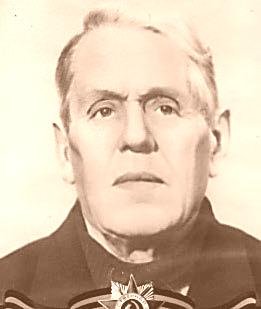
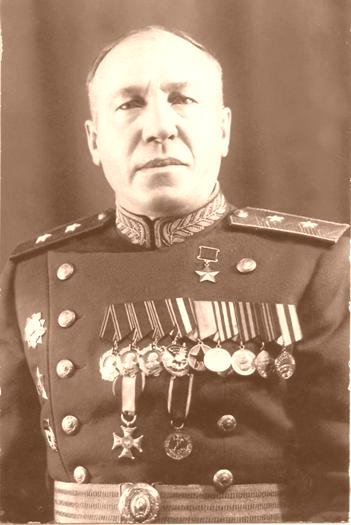
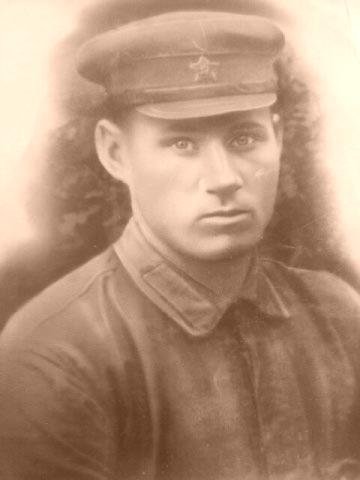
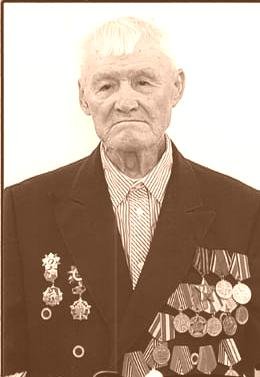
Vanglinsky Konstantin Vladimirovich
Vanglinsky Konstantin Vladimirovich_x000D_
_x000D_
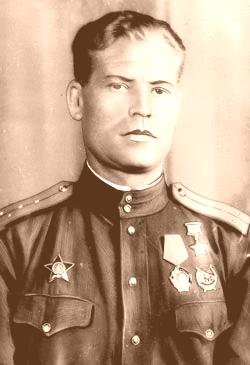
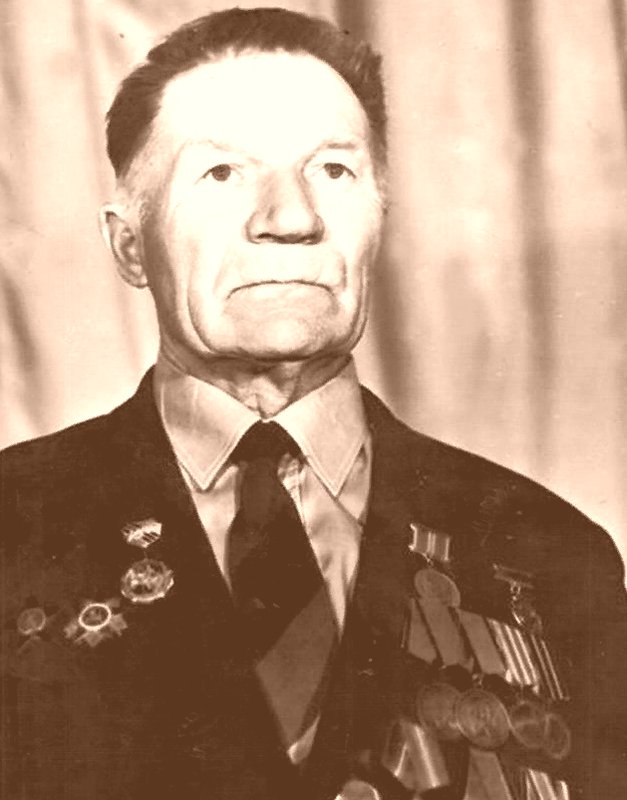
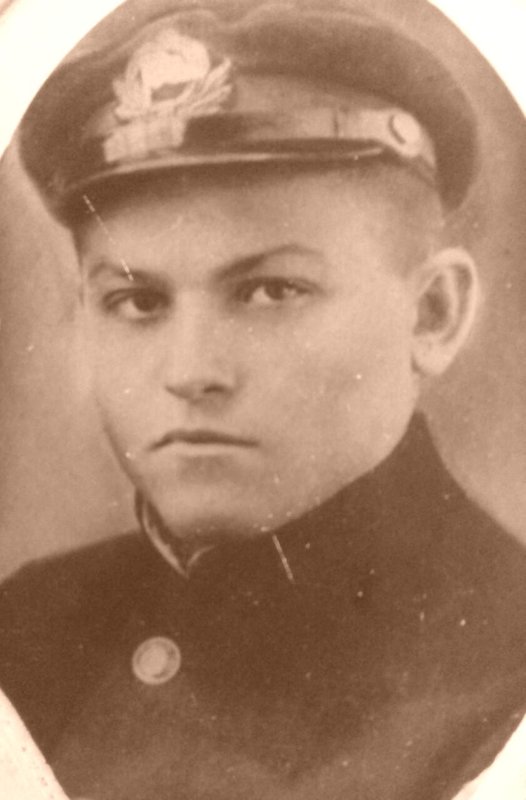
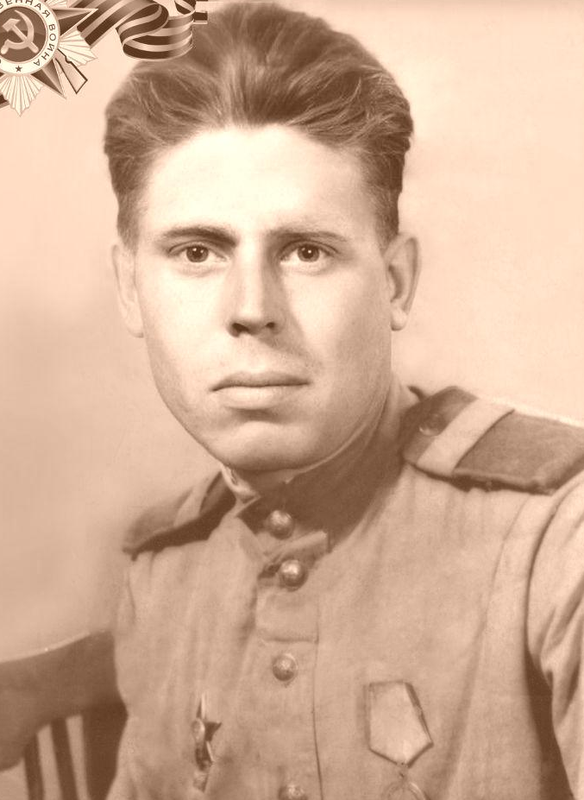
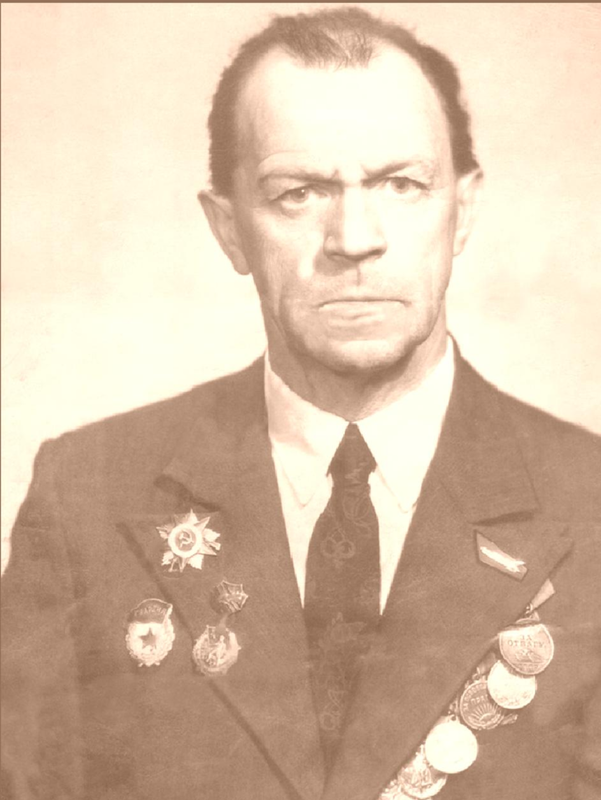
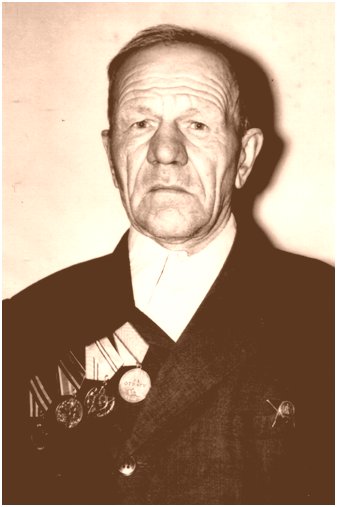
Konstantin Vladimirovich Vanglinsky was born on June 23, 1926 in the Belarusian SSR, Slavnaya station. As a fourteen-year-old, he entered a vocational school in Osintorf. In addition to studying, students extracted peat, dried it and sent it to the warehouse. In 1941, he graduated from the school, and in the same year the school was evacuated to Mordovia. He worked as a mechanic in the railway depot at station Razuvaeva. At the end of 1944, a young man who had just turned 18 was called up to the army. Konstantin took a four-week course as a young soldier and in January 1945, as part of a rifle division, was sent to the 3rd Belorussian front (commander-Marshal of the Soviet Union A. M. Vasilevsky). He received his first baptism of fire at Konigsberg. On April 6, he participated in the night assault on the city. 3 days later, on April 9, Konigsberg capitulated. On April 20, 1945, troops liberated the town of Pillau (now Baltiysk), a former German stronghold in the East. For the liberation of Konigsberg, for courage and bravery, soldiers, including Konstantin Wanglinsky, were awarded the order of Glory II degree. The awards were presented by General of the army I. H. Baghramyan. Konstantin Vladimirovich himself told: "The city of Konigsberg was strongly fortified, surrounded by powerful and reliable defensive structures. On the outskirts of the city there were tank divisions, motor reserve divisions, and infantry units. Also, the city was surrounded by a large ditch with water. The soldiers laid pontoons so that the tanks could pass. The fighting at Konigsberg was fierce. The actions of our army were confident and smart. The capture of the city involved Soviet heavy bomber planes that bombed the city every 10 minutes, smashed artillery, and then went tanks and infantry. There was no hatred in the attack, only anger. The soldiers and commanders fought bravely and bravely. The most important task for me was: uninterrupted operation of Maxim. In the interval between battles, they restored the shipping channel and dug trenches. German riflemen were firing at us, giving us no rest. The soldiers were able to wash in the bathhouse in short breaks, and they were fed well. Experienced soldiers, as they could, protected us, young, not shot, shared their experience, carefully introduced us to the battle... And again, the battle. Three days later, Koenigsberg fell, and residents hung white canvases from their Windows. There was a heavy battle near the city of Pillau (now the city of Baltiysk). In cooperation with the red banner Baltic fleet, our units liberated it." Konstantin Vladimirovich Vanglinsky took part in offensive actions in East Prussia, in the liquidation of the German Kurland group. He was discharged in May 1946. Awarded the order of the Patriotic war II degree. After the war, Konstantin Vladimirovich worked on the construction of the railway from Ulaanbaatar to the Chinese border, and in 1957 returned to the Buryat-Mongolian ASSR. From that time, for 30 years, until 1987, he worked as a driver of the air ambulance of the national hospital named after N. A. Semashko. Thousands of kilometers he measured in his car on the roads of Buryatia, at any time of the year, in any weather, delivering doctors to provide urgent medical care to the sick and injured. Thus, he also helped save people in his post. And how many of them there were-I can't count.
Vanglinsky Konstantin Vladimirovich
Vanglinsky Konstantin Vladimirovich_x000D_
_x000D_
Konstantin Vladimirovich Vanglinsky was born on June 23, 1926 in the Belarusian SSR, Slavnaya station. As a fourteen-year-old, he entered a vocational school in Osintorf. In addition to studying, students extracted peat, dried it and sent it to the warehouse. In 1941, he graduated from the school, and in the same year the school was evacuated to Mordovia. He worked as a mechanic in the railway depot at station Razuvaeva. At the end of 1944, a young man who had just turned 18 was called up to the army. Konstantin took a four-week course as a young soldier and in January 1945, as part of a rifle division, was sent to the 3rd Belorussian front (commander-Marshal of the Soviet Union A. M. Vasilevsky). He received his first baptism of fire at Konigsberg. On April 6, he participated in the night assault on the city. 3 days later, on April 9, Konigsberg capitulated. On April 20, 1945, troops liberated the town of Pillau (now Baltiysk), a former German stronghold in the East. For the liberation of Konigsberg, for courage and bravery, soldiers, including Konstantin Wanglinsky, were awarded the order of Glory II degree. The awards were presented by General of the army I. H. Baghramyan. Konstantin Vladimirovich himself told: "The city of Konigsberg was strongly fortified, surrounded by powerful and reliable defensive structures. On the outskirts of the city there were tank divisions, motor reserve divisions, and infantry units. Also, the city was surrounded by a large ditch with water. The soldiers laid pontoons so that the tanks could pass. The fighting at Konigsberg was fierce. The actions of our army were confident and smart. The capture of the city involved Soviet heavy bomber planes that bombed the city every 10 minutes, smashed artillery, and then went tanks and infantry. There was no hatred in the attack, only anger. The soldiers and commanders fought bravely and bravely. The most important task for me was: uninterrupted operation of Maxim. In the interval between battles, they restored the shipping channel and dug trenches. German riflemen were firing at us, giving us no rest. The soldiers were able to wash in the bathhouse in short breaks, and they were fed well. Experienced soldiers, as they could, protected us, young, not shot, shared their experience, carefully introduced us to the battle... And again, the battle. Three days later, Koenigsberg fell, and residents hung white canvases from their Windows. There was a heavy battle near the city of Pillau (now the city of Baltiysk). In cooperation with the red banner Baltic fleet, our units liberated it." Konstantin Vladimirovich Vanglinsky took part in offensive actions in East Prussia, in the liquidation of the German Kurland group. He was discharged in May 1946. Awarded the order of the Patriotic war II degree. After the war, Konstantin Vladimirovich worked on the construction of the railway from Ulaanbaatar to the Chinese border, and in 1957 returned to the Buryat-Mongolian ASSR. From that time, for 30 years, until 1987, he worked as a driver of the air ambulance of the national hospital named after N. A. Semashko. Thousands of kilometers he measured in his car on the roads of Buryatia, at any time of the year, in any weather, delivering doctors to provide urgent medical care to the sick and injured. Thus, he also helped save people in his post. And how many of them there were-I can't count.
0 comment




2026 © Russian Military Historical Society Developed by Jetmix