Back to
album
album
Pavlov Nikolay Petrovich
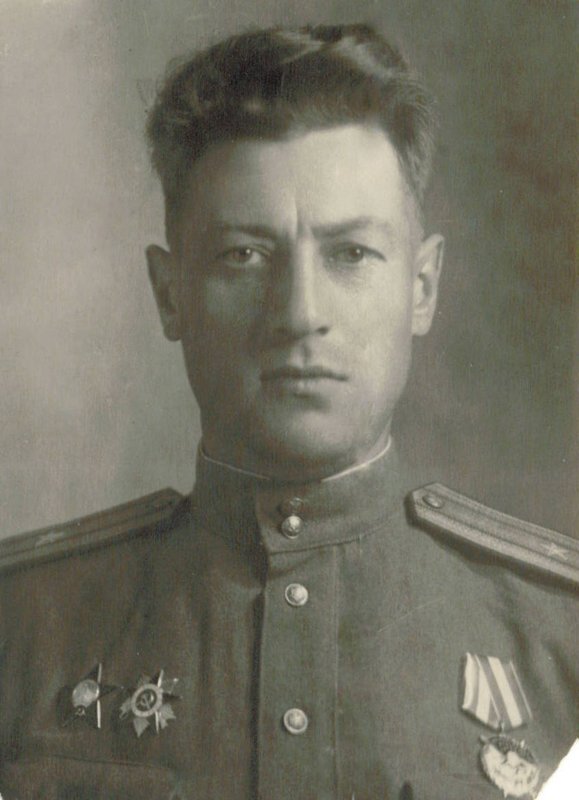
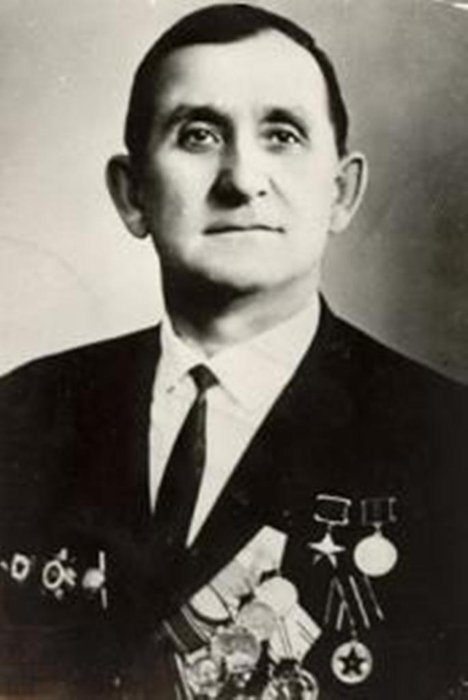
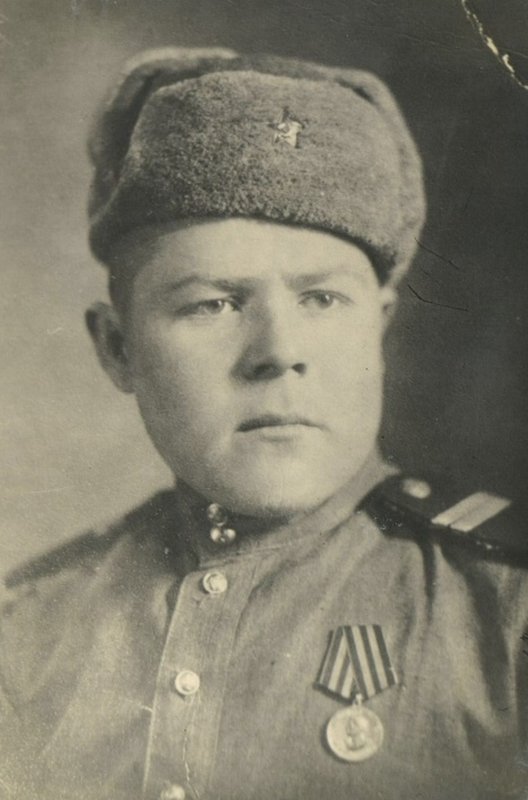
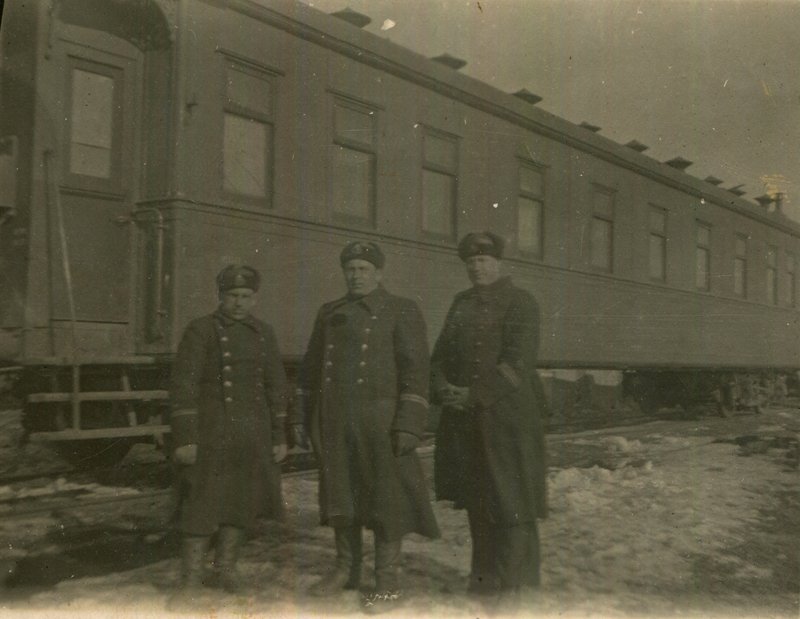
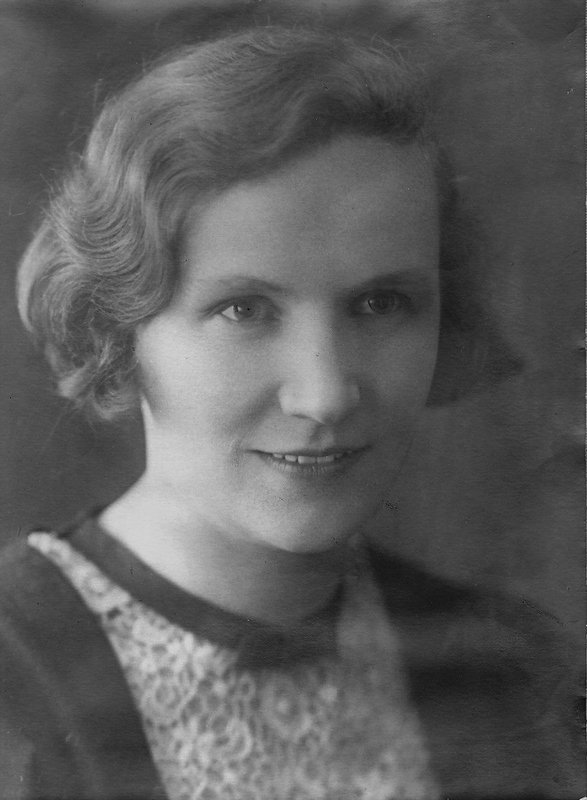
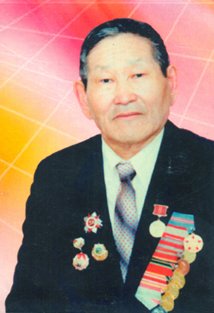
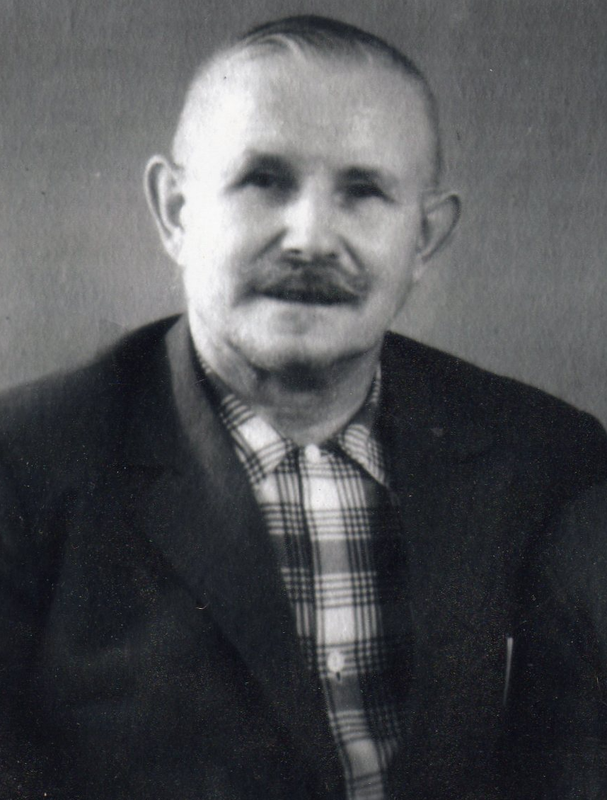
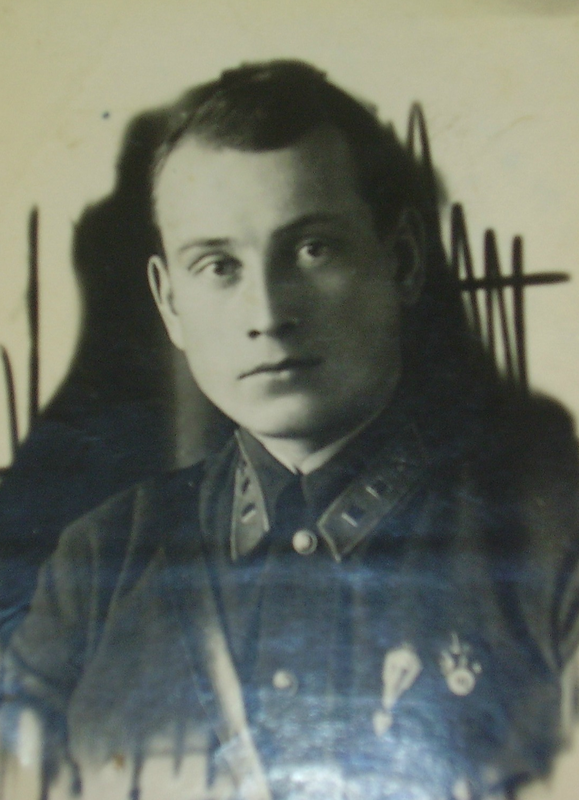
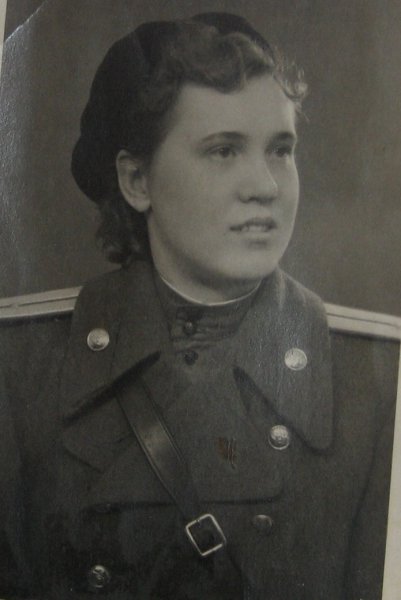
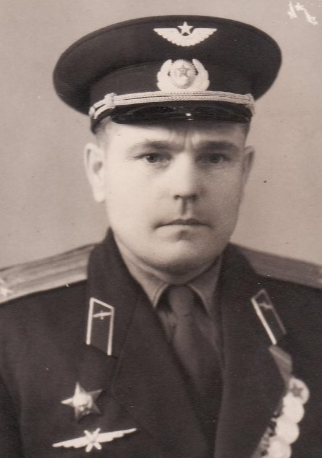
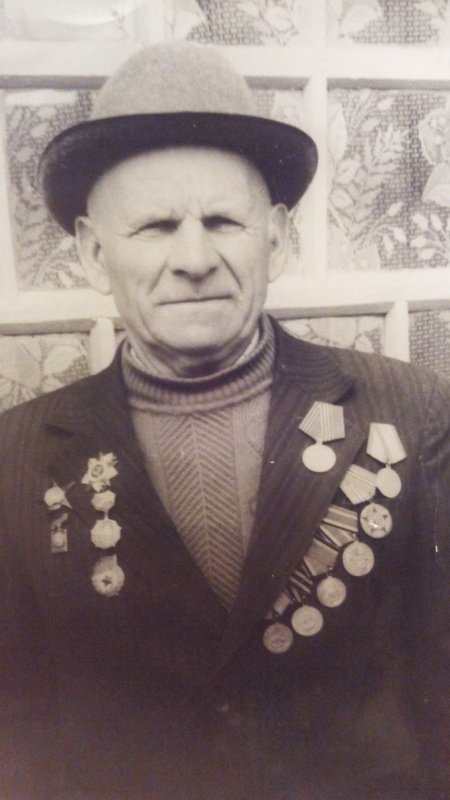
Full name: Pavlov Nikolay Petrovich last NAME: Pavlov FIRST name: Nikolay PATRONYMIC: Petrovich CITY: Nyurba settlement of Leninsky district of the Yakut ASSR date of BIRTH: 10.06.1926 DATE of DEATH: - HISTORY: Pavlov Nikolay Petrovich was born on June 10, 1926 in Odeysky nasleg of Nyurba district. After graduating from the seven-year-old 1st Kangalas school in 1941, he went to work as a Secretary of the Odean national Council. In 1944, my great-grandfather was drafted into the Soviet Army, he was 18 years old. He began his military service as the 3rd number of the mortar company of the motorized rifle regiment of the tank division. One day, when the soldiers were practicing shooting with machine guns and rifles in the valley of the Kerulen river, a soldier's messenger came running and shouted: "Victory! Victory! The fascists have capitulated!" It was may 9, 1945. The Great Patriotic war with Nazi Germany ended, but there was still Japan armed to the teeth, which occupied China, Burma, Indonesia, the Philippines, and Malaysia. Although there had been a peace Treaty between the Soviet Union and Japan since 1941, the Japanese developed the Kantokuen plan to conquer Transbaikalia and the Far East. Since 1941, our us allies have waged war with Japan in the Pacific, but they have not achieved any noticeable results. In addition, the British government estimated that to defeat Japan, you need to have 7 million army and 18 months. The Soviet Union pledged to enter the war with Japan within 3 months after the end of the war with Germany. In early August 1945, my great-grandfather's regiment was alerted and started a Hiking trip. In addition to the mortar carriage, it was necessary to carry a rifle, gas mask, ammunition, grenades, a pot, etc. It was a 40-degree heat wave, and my throat was dry. Although there was 1 liter of water in the flask, you can't drink without permission. So they went for several days, and one evening they were overtaken by cars. After loading their equipment into their vehicles, they now traveled light, day and night. On the fifth day, a car arrived with water. When they had drunk enough water, they gave them a few hours ' sleep. This day he remembered as one of the happiest days. On August 9, 1945, when the Soviet Union declared war on Japan, they crossed the border of the Mongolian people's Republic and Manchuria. The famous crossing of the Soviet troops through Bolshoy Khingan, where there was never any equipment, began. The Japanese fired at them from ambushes. There were concrete-reinforced emplacements in the mountains. From them, the Japanese fired at our troops. Once, the infantry and tanks went forward, leaving only one mortar company. Suddenly they saw people running out shouting "Banzai". They were Japanese. Jumping out of the cars, our people started firing mortars. Although they were shooting very fast, the Japanese were approaching rapidly. Many of our people were wounded and killed. When the Japanese were just a little bit left, they heard the noise of cars and shouts of "Hurrah!"from behind. An infantry regiment arrived in time and saved them. When they reached the city of Panamao, announced the surrender of the Kwantung army. Having lost the main military force, Japan capitulated. This was September 2, 1945. So in 23 days, Japan was defeated. For overcoming the Great Khingan, the great-grandfather was thanked by the Supreme Commander and awarded the medal "for the victory over Japan". After demobilization in 1950, he worked as Director of the House of culture in Nyurba, then head of the Department of culture of the Suntar district Council. In 1957, he was elected Chairman of the workers ' Committee of the newly created state farm "Elgyaysky", and in 1960, the Manager of the Kyundyay branch. Nikolay Pavlov was awarded the order of the Patriotic war II degree, was an honored worker of the national economy of the Republic of Sakha (Yakutia), an excellent nature conservationist, a member of the Union of journalists of Russia, a personal pensioner of the Republic of Sakha (Yakutia). Everyone loved and respected him.
Pavlov Nikolay Petrovich
Full name: Pavlov Nikolay Petrovich last NAME: Pavlov FIRST name: Nikolay PATRONYMIC: Petrovich CITY: Nyurba settlement of Leninsky district of the Yakut ASSR date of BIRTH: 10.06.1926 DATE of DEATH: - HISTORY: Pavlov Nikolay Petrovich was born on June 10, 1926 in Odeysky nasleg of Nyurba district. After graduating from the seven-year-old 1st Kangalas school in 1941, he went to work as a Secretary of the Odean national Council. In 1944, my great-grandfather was drafted into the Soviet Army, he was 18 years old. He began his military service as the 3rd number of the mortar company of the motorized rifle regiment of the tank division. One day, when the soldiers were practicing shooting with machine guns and rifles in the valley of the Kerulen river, a soldier's messenger came running and shouted: "Victory! Victory! The fascists have capitulated!" It was may 9, 1945. The Great Patriotic war with Nazi Germany ended, but there was still Japan armed to the teeth, which occupied China, Burma, Indonesia, the Philippines, and Malaysia. Although there had been a peace Treaty between the Soviet Union and Japan since 1941, the Japanese developed the Kantokuen plan to conquer Transbaikalia and the Far East. Since 1941, our us allies have waged war with Japan in the Pacific, but they have not achieved any noticeable results. In addition, the British government estimated that to defeat Japan, you need to have 7 million army and 18 months. The Soviet Union pledged to enter the war with Japan within 3 months after the end of the war with Germany. In early August 1945, my great-grandfather's regiment was alerted and started a Hiking trip. In addition to the mortar carriage, it was necessary to carry a rifle, gas mask, ammunition, grenades, a pot, etc. It was a 40-degree heat wave, and my throat was dry. Although there was 1 liter of water in the flask, you can't drink without permission. So they went for several days, and one evening they were overtaken by cars. After loading their equipment into their vehicles, they now traveled light, day and night. On the fifth day, a car arrived with water. When they had drunk enough water, they gave them a few hours ' sleep. This day he remembered as one of the happiest days. On August 9, 1945, when the Soviet Union declared war on Japan, they crossed the border of the Mongolian people's Republic and Manchuria. The famous crossing of the Soviet troops through Bolshoy Khingan, where there was never any equipment, began. The Japanese fired at them from ambushes. There were concrete-reinforced emplacements in the mountains. From them, the Japanese fired at our troops. Once, the infantry and tanks went forward, leaving only one mortar company. Suddenly they saw people running out shouting "Banzai". They were Japanese. Jumping out of the cars, our people started firing mortars. Although they were shooting very fast, the Japanese were approaching rapidly. Many of our people were wounded and killed. When the Japanese were just a little bit left, they heard the noise of cars and shouts of "Hurrah!"from behind. An infantry regiment arrived in time and saved them. When they reached the city of Panamao, announced the surrender of the Kwantung army. Having lost the main military force, Japan capitulated. This was September 2, 1945. So in 23 days, Japan was defeated. For overcoming the Great Khingan, the great-grandfather was thanked by the Supreme Commander and awarded the medal "for the victory over Japan". After demobilization in 1950, he worked as Director of the House of culture in Nyurba, then head of the Department of culture of the Suntar district Council. In 1957, he was elected Chairman of the workers ' Committee of the newly created state farm "Elgyaysky", and in 1960, the Manager of the Kyundyay branch. Nikolay Pavlov was awarded the order of the Patriotic war II degree, was an honored worker of the national economy of the Republic of Sakha (Yakutia), an excellent nature conservationist, a member of the Union of journalists of Russia, a personal pensioner of the Republic of Sakha (Yakutia). Everyone loved and respected him.
0 comment




2026 © Russian Military Historical Society Developed by Jetmix