Back to
album
album
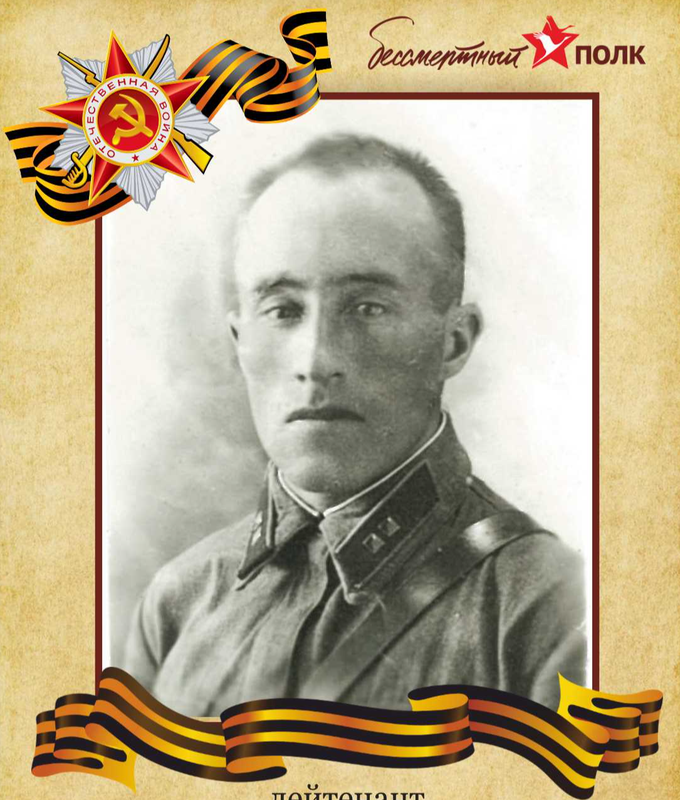
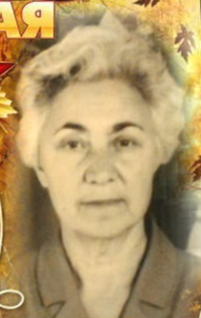
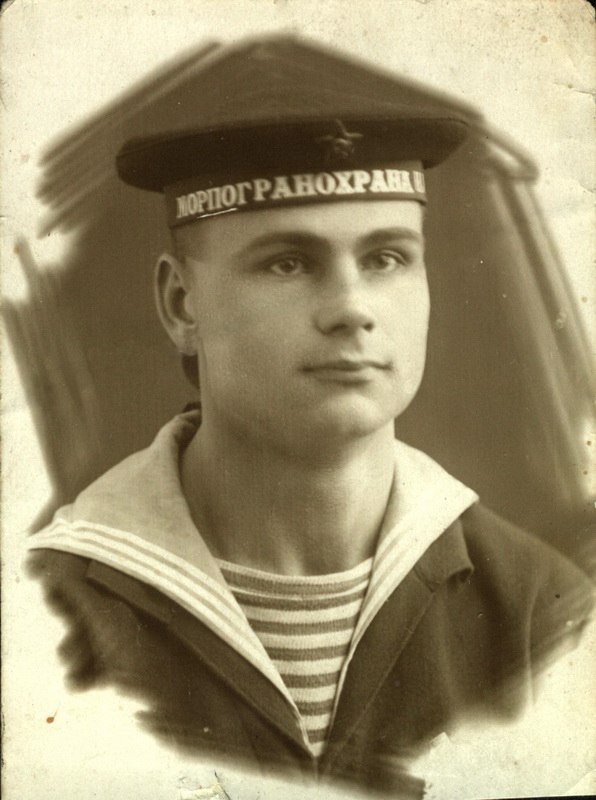
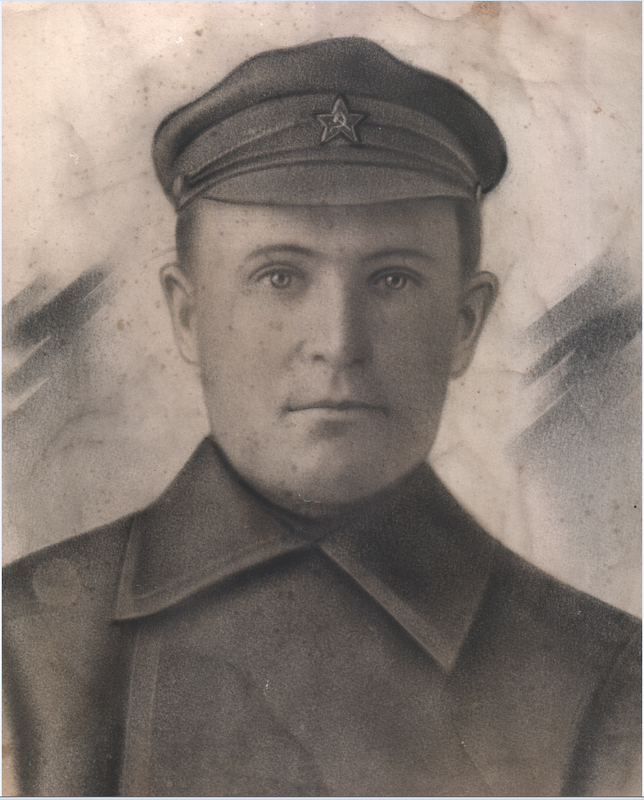
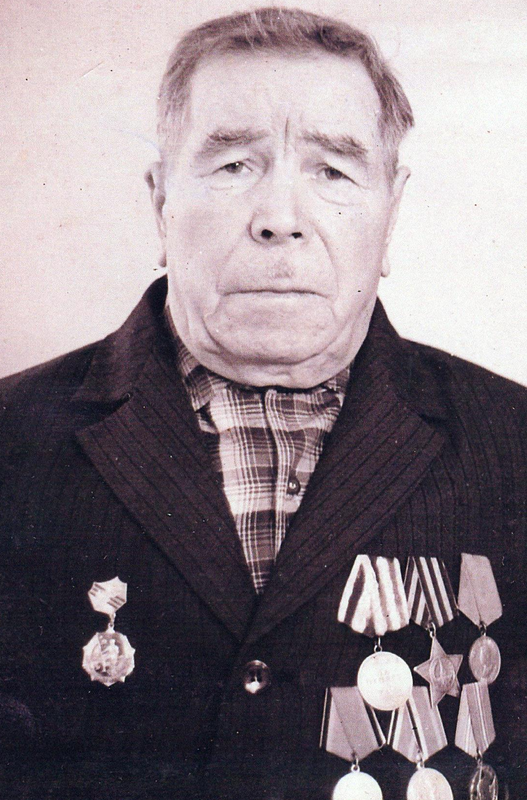
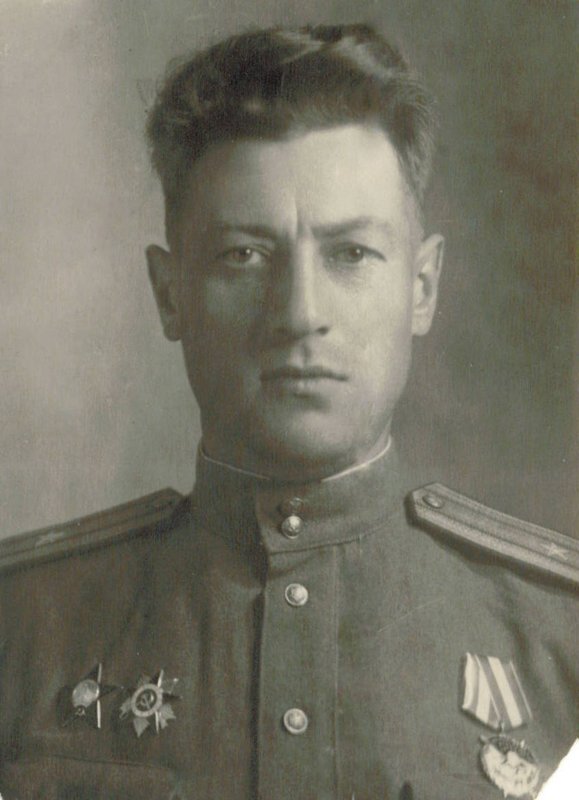
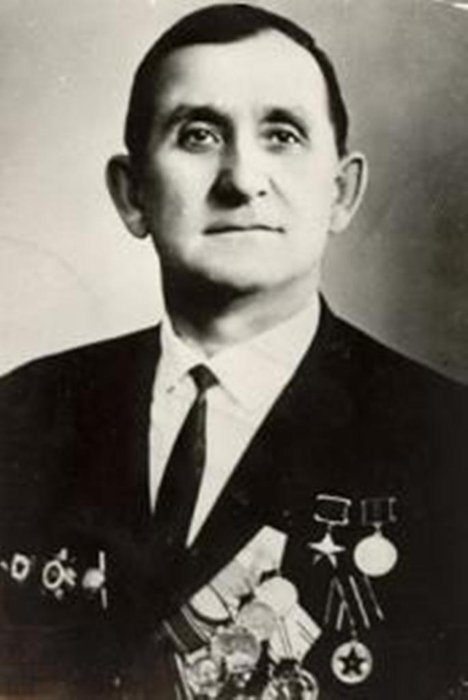
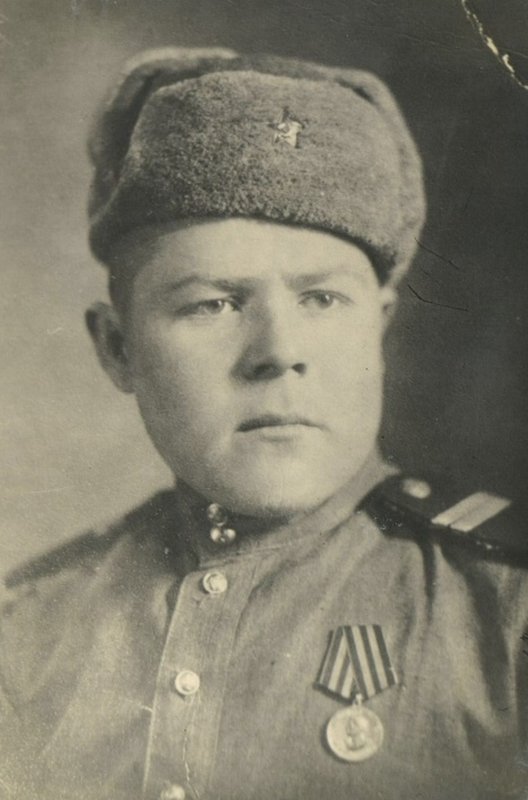
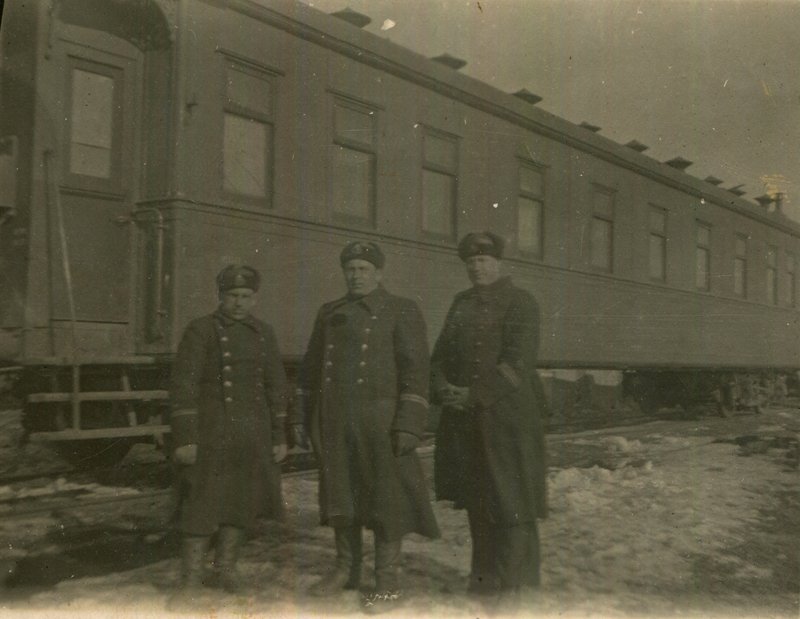
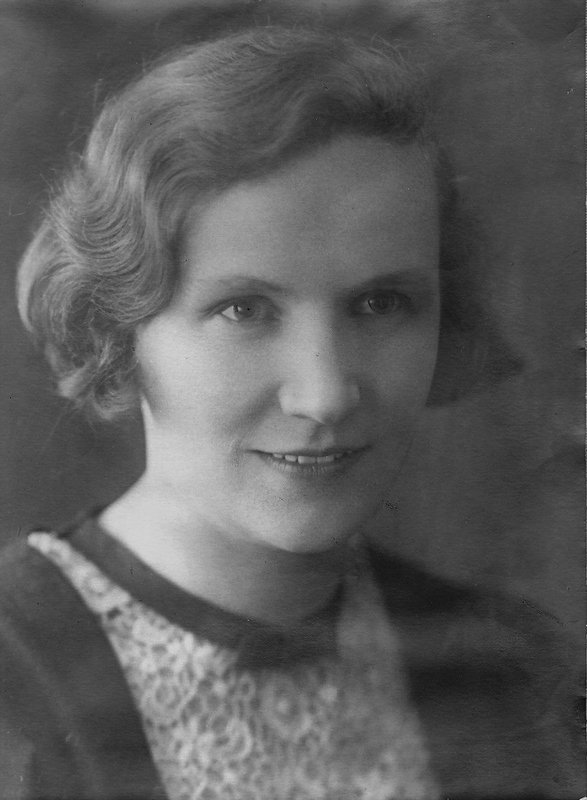
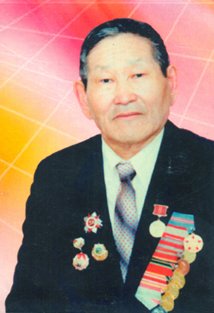
Politov Lev Viktorovich
Rank: Major _x000D_
Division: 283rd Rifle Gomel Red Banner Order of Suvorov Division_x000D_
_x000D_
In 1939, Lev Politov was called up for active military service and served in the army for 7 years, went through the entire war. In 1946 he was demobilized and decided to go back to school. After demobilization, he got a job in Tsaritsyno-Lenino in a construction technical school, a teacher of Russian language and literature, and was deputy director for military conscription training. He studied regulations, structure, explained to students the results of the Great Patriotic War, talked about military service. _x000D_
Since 1950 he had worked as the director of the Bitsevskaya seven-year school. In 1973 he organized the Council of Veterans and began to invite front-line soldiers to talk with schoolchildren. He was talking about the combats of Stalingrad and Moscow, about the combat of the Kursk Bulge. He told his own soldier stories as well: how he blew up a Nazi tank, how he took a German prisoner. _x000D_
Since 1973, Lev Viktorovich joined the work of the Council of Veterans of 283rd Infantry Division. Together with activists, he created the Museum of Military Glory of this Division at school No. 647. _x000D_
He activly was visiting meetings of veterans at the places of hostilities in Gomel, Novosil and Mtsensk of the Oryol region, Efremov of the Tula region, Grodno, these are the cities that he liberated together with his fellow soldiers. There he visited mass graves, organized meetings of front-line soldiers. _x000D_
Lev Viktorovich lived a long life. He died at 102, being in a fighting mood. He recited poetry by heart until his last days. Though he was blind for the last 5 years of his life, he gave practical advice, tried to help in everything. We are very proud, love and will always remember our grandfather!
Politov Lev Viktorovich
Rank: Major _x000D_
Division: 283rd Rifle Gomel Red Banner Order of Suvorov Division_x000D_
_x000D_
In 1939, Lev Politov was called up for active military service and served in the army for 7 years, went through the entire war. In 1946 he was demobilized and decided to go back to school. After demobilization, he got a job in Tsaritsyno-Lenino in a construction technical school, a teacher of Russian language and literature, and was deputy director for military conscription training. He studied regulations, structure, explained to students the results of the Great Patriotic War, talked about military service. _x000D_
Since 1950 he had worked as the director of the Bitsevskaya seven-year school. In 1973 he organized the Council of Veterans and began to invite front-line soldiers to talk with schoolchildren. He was talking about the combats of Stalingrad and Moscow, about the combat of the Kursk Bulge. He told his own soldier stories as well: how he blew up a Nazi tank, how he took a German prisoner. _x000D_
Since 1973, Lev Viktorovich joined the work of the Council of Veterans of 283rd Infantry Division. Together with activists, he created the Museum of Military Glory of this Division at school No. 647. _x000D_
He activly was visiting meetings of veterans at the places of hostilities in Gomel, Novosil and Mtsensk of the Oryol region, Efremov of the Tula region, Grodno, these are the cities that he liberated together with his fellow soldiers. There he visited mass graves, organized meetings of front-line soldiers. _x000D_
Lev Viktorovich lived a long life. He died at 102, being in a fighting mood. He recited poetry by heart until his last days. Though he was blind for the last 5 years of his life, he gave practical advice, tried to help in everything. We are very proud, love and will always remember our grandfather!
0 comment




2026 © Russian Military Historical Society Developed by Jetmix