Back to
album
album
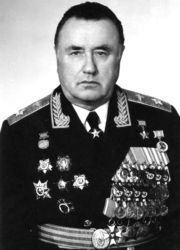
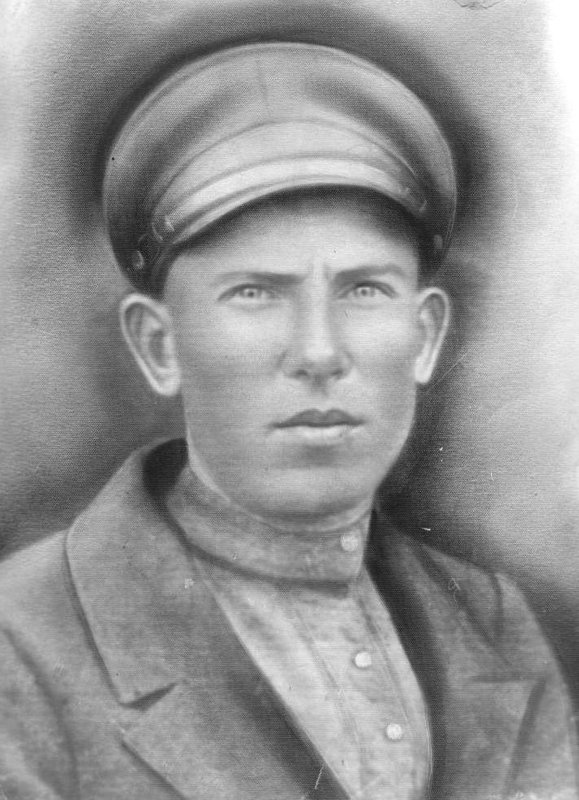
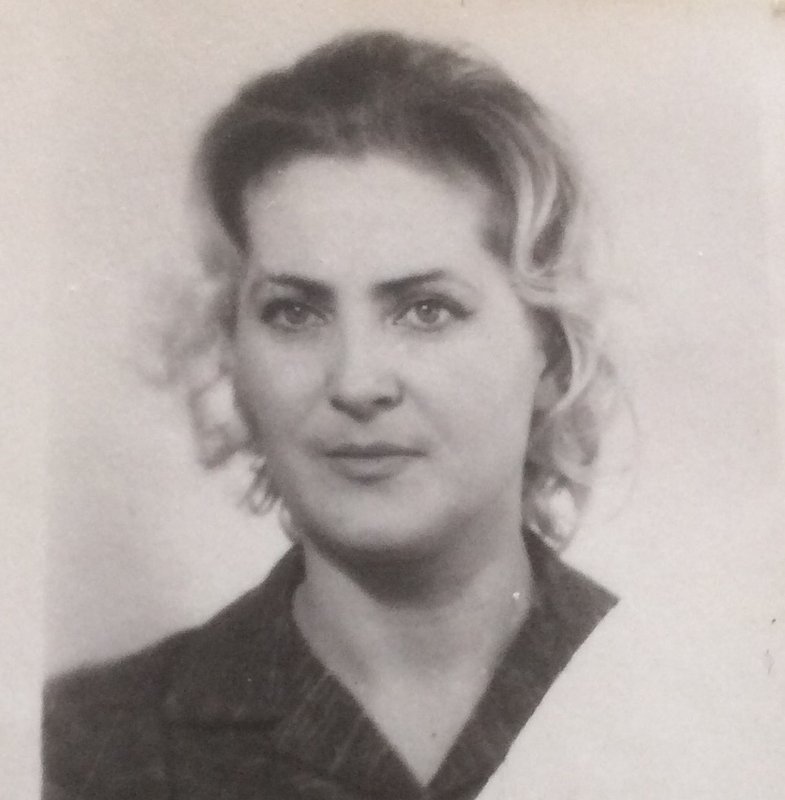
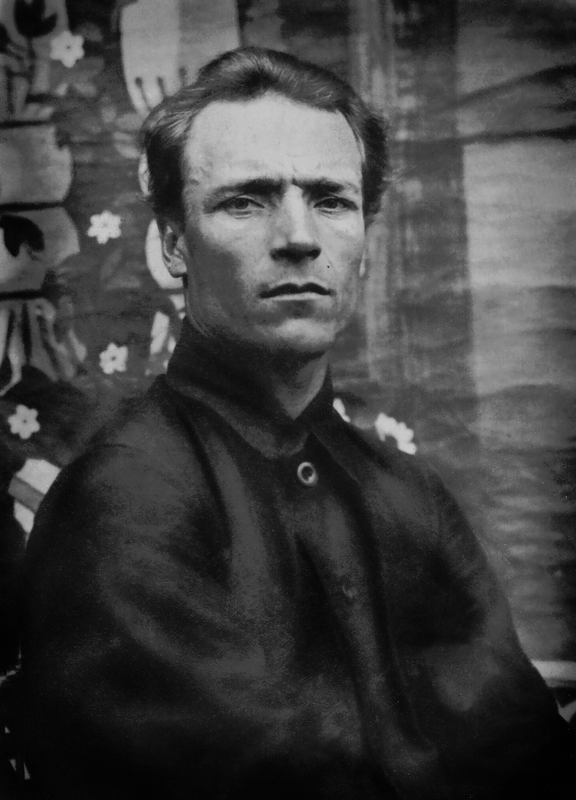
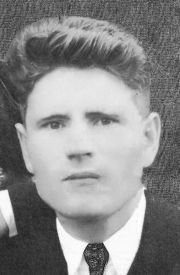
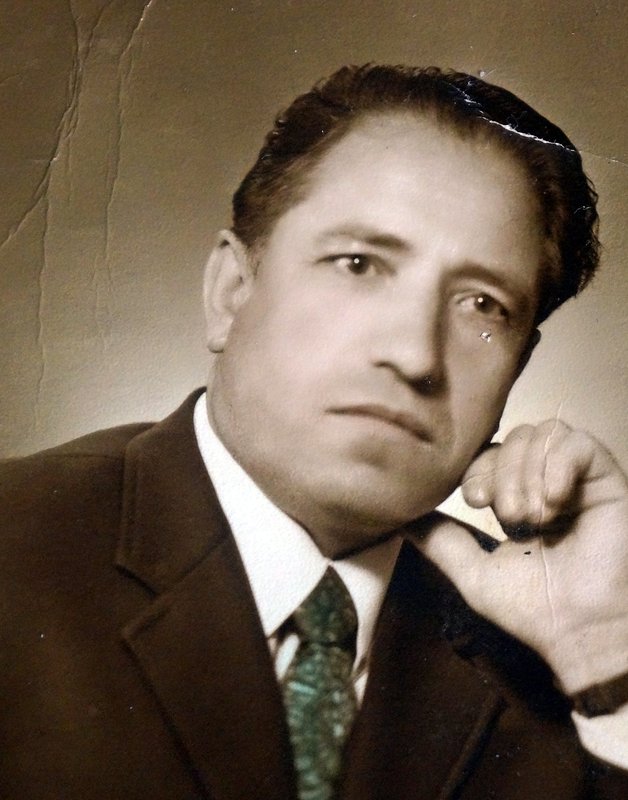
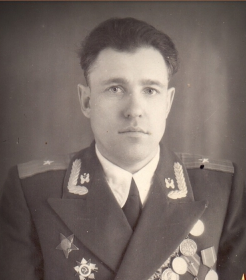
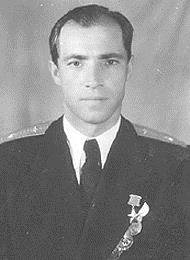
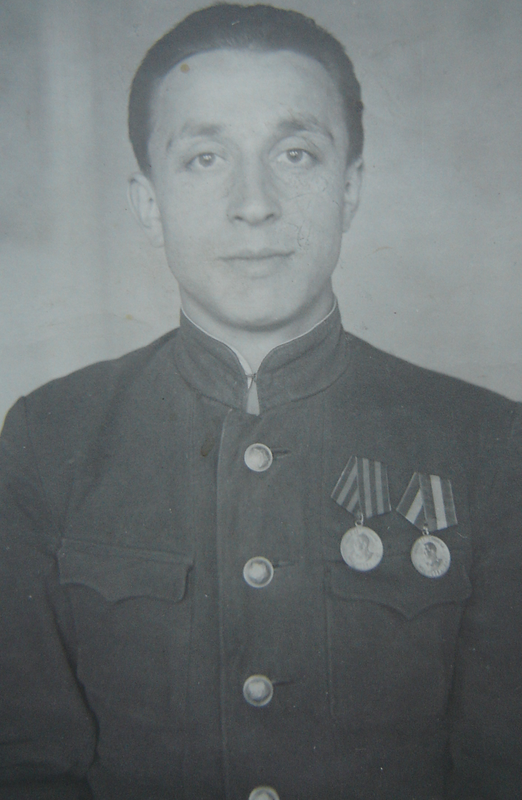
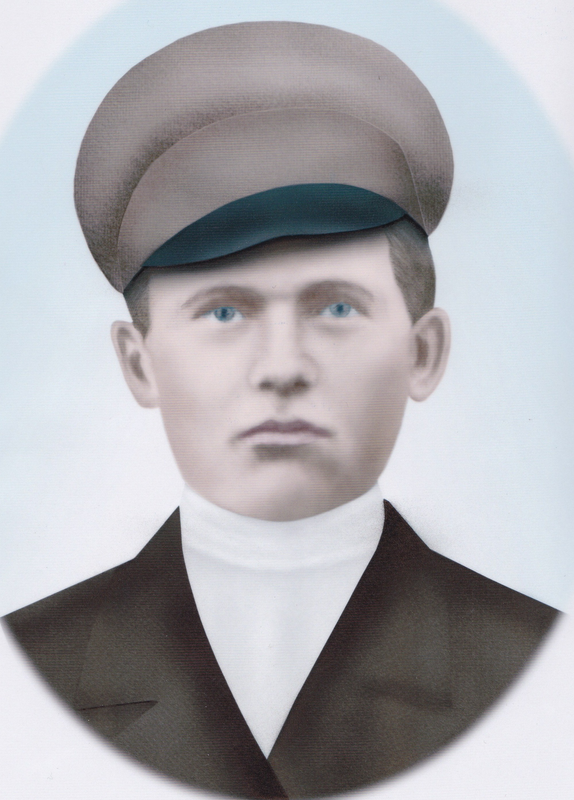
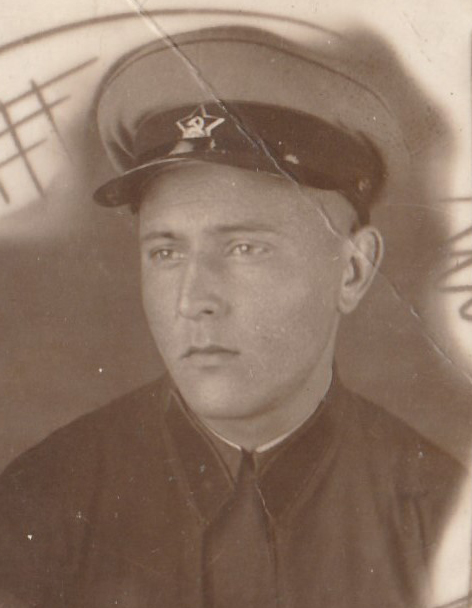
Leonid Potemkin
Villadge of Chistoozernoe, Barabinsk District, Novosibirsk Region_x000D_
10.10.1924 - 09.05.2013_x000D_
Rank: Sergeant Major_x000D_
Branch of Service: Signal Troops_x000D_
Leonid Potemkin was born on 10.10.1924 near the city of Barabinsk in the village of Chistoozerny. After finishing a rural four-year school, he was forced to continue his studies in another place – in the village of Novonikolaevka, which was located 12 kilometers from his home. After graduating from the 7th grade, despite everyday difficulties, he tried to continue his studies in every possible way. Rural teenagers who had barely completed their seven-year studies were eager to go to the city, to factory schools, to acquire a profession and earn their own bread. So in the city of Barabinsk, Novosibirsk Region, Railway School #1 was opened, where many people wanted to study, because the school gave out uniforms and provided free food. The selection was strict, but the one who chose this school never regretted his choice.So Leonid entered the Barabinsk Railway School, which trained assistant locomotive operators, where there were wonderful teachers and masters. In addition to learning the profession, they were full participants in the production process. So, by order of the Ministry of defense, they made in workshops vices, wrenches and other tools for completing tank and aircraft repair kits. On weekends and holidays, cadets of the school went to the parade ground and marched to the brass band, like real soldiers. But the most interesting thing for them was, of course, the practice in the locomotive depot, since much attention was paid to practice during their studies. The students helped to repair the injectors to wash out locomotive boilers. The workers tried to pass on their experience to them, who were still very young. And everything would have gone on as usual, if not for the war. Men went to the front, they were replaced by women and teenagers. They immediately grew up, and the staff workers asked them as adults. Leonid told how they dressed the "Company" in armor (as they called the locomotive). He had to stand at the head of the armored train and they when installing guns and machine guns, performed any tasks. The work was still in full swing, and the armored train had already received a name. It was a "Siberian-Barabinets"! More than once he told how he heard that this armored train fought near Moscow and on the Karelian Front and fulfilled its purpose with honor. Even where tanks could not pass, it delivered ammunition and food along hastily abandoned rails, and took out the wounded. The school's students were assigned to locomotive crews in the spring of 1942. They had to manage with steam locomotives SO ("Sergo Ordzhonikidze”) with the condensation of steam. Therefore, in the cold, it was covered with an ice coat, for which it received the nickname "samovar". It was very difficult to work on a steam locomotive. The train shoulder of 150 kilometers was overcome in two or even more days, they stood for hours at semaphores, holding the machine under steam. But they didn't waste time: they cleaned the chrome parts of the locomotive to a high gloss, even the tender was cleaned. On the way, they watched as trains of tanks and planes covered with tarpaulins, with new recruits in new uniforms, kept going west along the "green street", and to the East stretched freight cars with mangled equipment and ambulance trains that carried the wounded to the evacuation hospitals. They worked during the war, not knowing how tired they were. Oil dirt, coal dust were their constant companions, which were so ingrained in the skin that it was impossible to wash without kerosene. During the short smoke breaks at the depot, they talked about the war. Very young guys wanted to go where the fate of the country was decided. They were afraid to be late for the front! In June 1942, his peers began being called up. Now it was his turn to stand up for the Motherland! Leonid was not yet eighteen when the summons was brought. There were only a few days left before the shipment. He had to say goodbye to his family. Mother with the younger brothers lived in Chistoozernoe, a hundred kilometers from Barabinsk. There was only one kinf of "transport" one own feet. He told us children and grandchildren how he got to his family and two days later, on passing carts, went to the recruiting station. A whole train was with the conscripts of their district moved to the West. When it started to move, women and children ran after it for a long time, crying and shouting. _x000D_
He was moved with other guys from Inskaya station to the Novosibirsk Region to the regimental school of front-line signalers. They were trained there for six months. After that in March 1943, they received new uniforms, small arms and were sent to the West with a marching company. He got to the Bryansk Front, where offensive battles were then taking place. After that, he was on the Kalinin, Leningrad, and 2nd Baltic Fronts. So began the front-line roads through the fire and smoke, the loss of friends and comrades. He fought on the Bryansk, Kalinin, 2nd Baltic and Leningrad Fronts. Drowned in swamps, the Vadakste River, and Lake Idria. He suffered a concussion and a traumatic brain injury, was stunned by gunfire, and survived the explosion of an anti-personnel mine. Much had to be experienced and endured during the 700 days and nights of wartime, as well as by any other front-line soldier. He was able to liberate Lithuania, Latvia, Estonia. After liberating Novosokolniki, they launched an offensive on the city of Idritsa, where there was a huge lake – Idria, in which he drowned when setting up communications and was saved by one of the officers. He was a good athlete, and he didn't hesitate to rush to his aid… Idritsa was liberated on July 12, 1944. Their detachment became known as “Idritskaya”. They liberated the cities of Latvia: Rezekne, Daugavpils on July 17, 1944. At that time, some "good fellows" began to rob the civilian population, the Government was forced to organize counterintelligence "SMERSH" (death to spies), in one of the groups of 4 people, Leonid was also the senior operative of the mobile group, saving the civilian population. In battles and campaigns, he received a traumatic brain injury._x000D_
The Soviet Army expelled the fascist invaders from the Belarusian land in July 1944 as a result of the brilliantly planned operation Bagration and began the liberation of the peoples of Europe. During the operation, 17 enemy divisions were destroyed, and 50 divisions lost more than half of their strength. He was discharged in March 1946.
Leonid Potemkin
Villadge of Chistoozernoe, Barabinsk District, Novosibirsk Region_x000D_
10.10.1924 - 09.05.2013_x000D_
Rank: Sergeant Major_x000D_
Branch of Service: Signal Troops_x000D_
Leonid Potemkin was born on 10.10.1924 near the city of Barabinsk in the village of Chistoozerny. After finishing a rural four-year school, he was forced to continue his studies in another place – in the village of Novonikolaevka, which was located 12 kilometers from his home. After graduating from the 7th grade, despite everyday difficulties, he tried to continue his studies in every possible way. Rural teenagers who had barely completed their seven-year studies were eager to go to the city, to factory schools, to acquire a profession and earn their own bread. So in the city of Barabinsk, Novosibirsk Region, Railway School #1 was opened, where many people wanted to study, because the school gave out uniforms and provided free food. The selection was strict, but the one who chose this school never regretted his choice.So Leonid entered the Barabinsk Railway School, which trained assistant locomotive operators, where there were wonderful teachers and masters. In addition to learning the profession, they were full participants in the production process. So, by order of the Ministry of defense, they made in workshops vices, wrenches and other tools for completing tank and aircraft repair kits. On weekends and holidays, cadets of the school went to the parade ground and marched to the brass band, like real soldiers. But the most interesting thing for them was, of course, the practice in the locomotive depot, since much attention was paid to practice during their studies. The students helped to repair the injectors to wash out locomotive boilers. The workers tried to pass on their experience to them, who were still very young. And everything would have gone on as usual, if not for the war. Men went to the front, they were replaced by women and teenagers. They immediately grew up, and the staff workers asked them as adults. Leonid told how they dressed the "Company" in armor (as they called the locomotive). He had to stand at the head of the armored train and they when installing guns and machine guns, performed any tasks. The work was still in full swing, and the armored train had already received a name. It was a "Siberian-Barabinets"! More than once he told how he heard that this armored train fought near Moscow and on the Karelian Front and fulfilled its purpose with honor. Even where tanks could not pass, it delivered ammunition and food along hastily abandoned rails, and took out the wounded. The school's students were assigned to locomotive crews in the spring of 1942. They had to manage with steam locomotives SO ("Sergo Ordzhonikidze”) with the condensation of steam. Therefore, in the cold, it was covered with an ice coat, for which it received the nickname "samovar". It was very difficult to work on a steam locomotive. The train shoulder of 150 kilometers was overcome in two or even more days, they stood for hours at semaphores, holding the machine under steam. But they didn't waste time: they cleaned the chrome parts of the locomotive to a high gloss, even the tender was cleaned. On the way, they watched as trains of tanks and planes covered with tarpaulins, with new recruits in new uniforms, kept going west along the "green street", and to the East stretched freight cars with mangled equipment and ambulance trains that carried the wounded to the evacuation hospitals. They worked during the war, not knowing how tired they were. Oil dirt, coal dust were their constant companions, which were so ingrained in the skin that it was impossible to wash without kerosene. During the short smoke breaks at the depot, they talked about the war. Very young guys wanted to go where the fate of the country was decided. They were afraid to be late for the front! In June 1942, his peers began being called up. Now it was his turn to stand up for the Motherland! Leonid was not yet eighteen when the summons was brought. There were only a few days left before the shipment. He had to say goodbye to his family. Mother with the younger brothers lived in Chistoozernoe, a hundred kilometers from Barabinsk. There was only one kinf of "transport" one own feet. He told us children and grandchildren how he got to his family and two days later, on passing carts, went to the recruiting station. A whole train was with the conscripts of their district moved to the West. When it started to move, women and children ran after it for a long time, crying and shouting. _x000D_
He was moved with other guys from Inskaya station to the Novosibirsk Region to the regimental school of front-line signalers. They were trained there for six months. After that in March 1943, they received new uniforms, small arms and were sent to the West with a marching company. He got to the Bryansk Front, where offensive battles were then taking place. After that, he was on the Kalinin, Leningrad, and 2nd Baltic Fronts. So began the front-line roads through the fire and smoke, the loss of friends and comrades. He fought on the Bryansk, Kalinin, 2nd Baltic and Leningrad Fronts. Drowned in swamps, the Vadakste River, and Lake Idria. He suffered a concussion and a traumatic brain injury, was stunned by gunfire, and survived the explosion of an anti-personnel mine. Much had to be experienced and endured during the 700 days and nights of wartime, as well as by any other front-line soldier. He was able to liberate Lithuania, Latvia, Estonia. After liberating Novosokolniki, they launched an offensive on the city of Idritsa, where there was a huge lake – Idria, in which he drowned when setting up communications and was saved by one of the officers. He was a good athlete, and he didn't hesitate to rush to his aid… Idritsa was liberated on July 12, 1944. Their detachment became known as “Idritskaya”. They liberated the cities of Latvia: Rezekne, Daugavpils on July 17, 1944. At that time, some "good fellows" began to rob the civilian population, the Government was forced to organize counterintelligence "SMERSH" (death to spies), in one of the groups of 4 people, Leonid was also the senior operative of the mobile group, saving the civilian population. In battles and campaigns, he received a traumatic brain injury._x000D_
The Soviet Army expelled the fascist invaders from the Belarusian land in July 1944 as a result of the brilliantly planned operation Bagration and began the liberation of the peoples of Europe. During the operation, 17 enemy divisions were destroyed, and 50 divisions lost more than half of their strength. He was discharged in March 1946.
0 comment




2026 © Russian Military Historical Society Developed by Jetmix