Back to
album
album
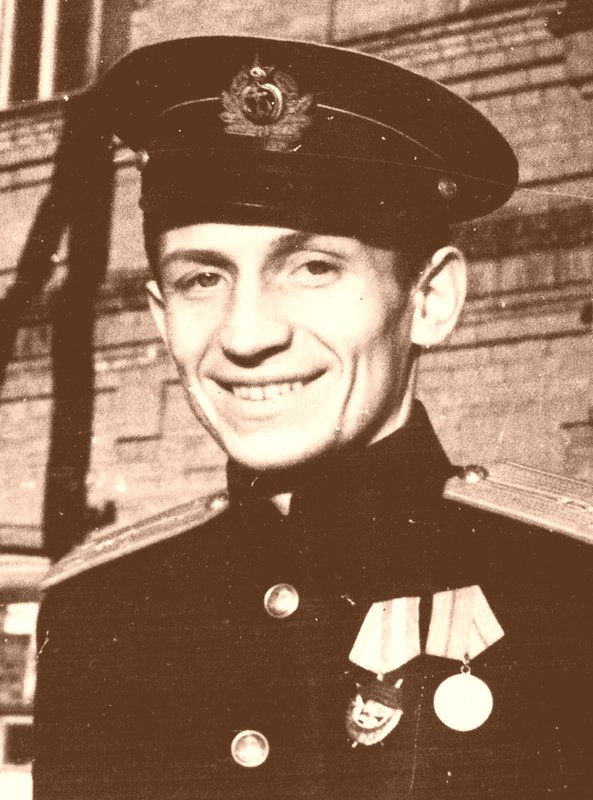
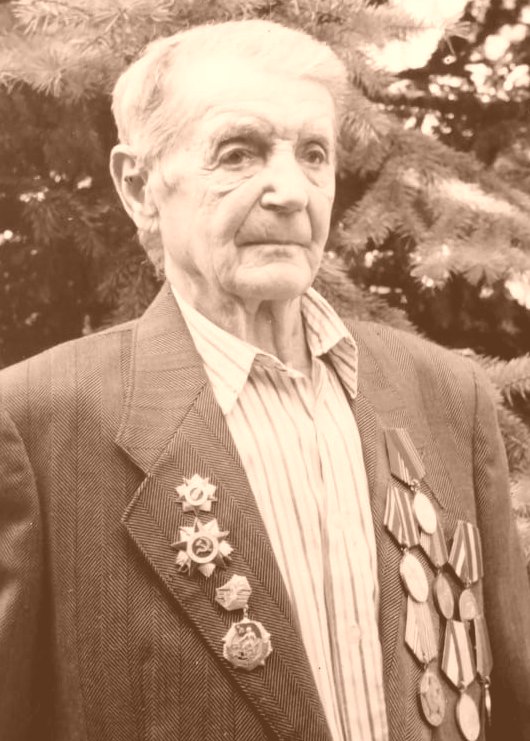
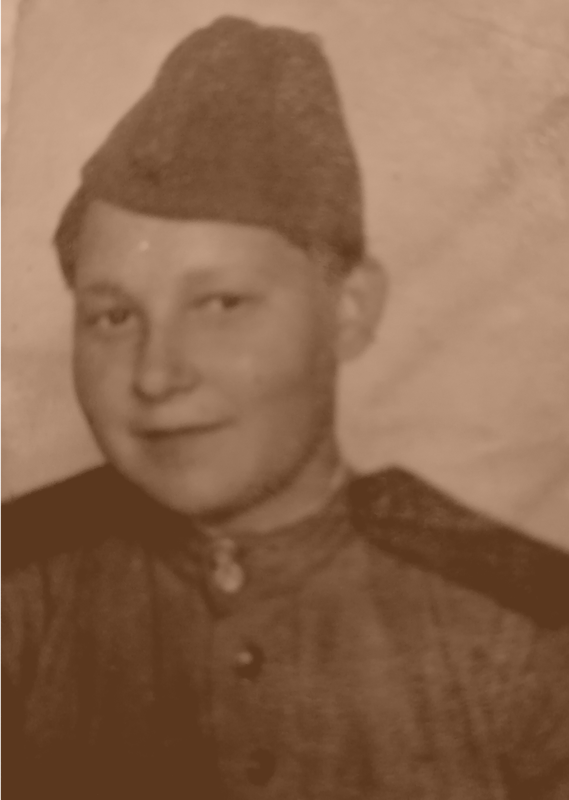
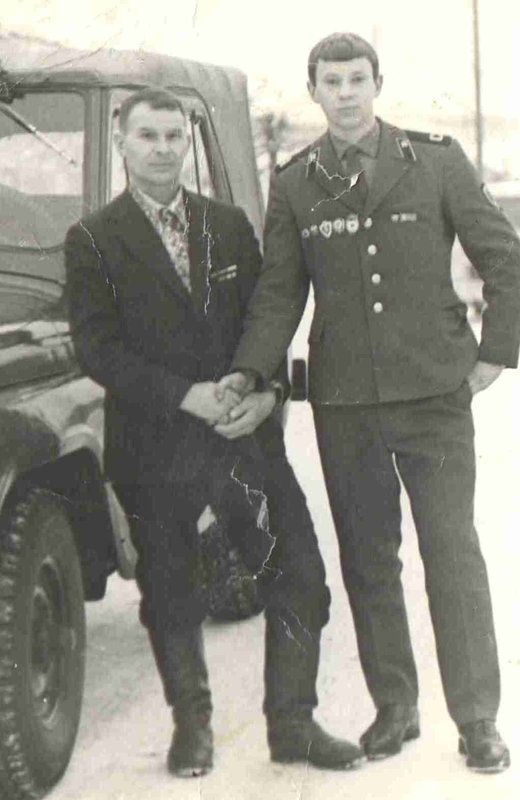
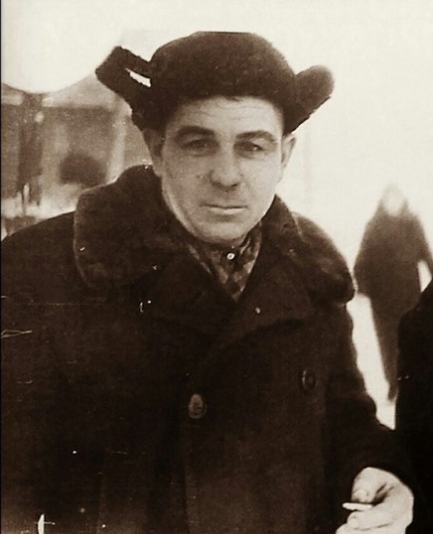
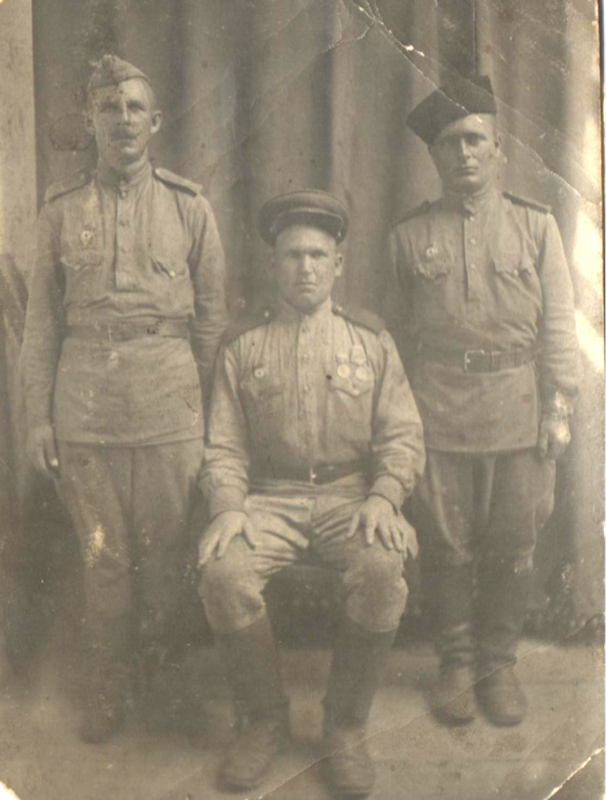
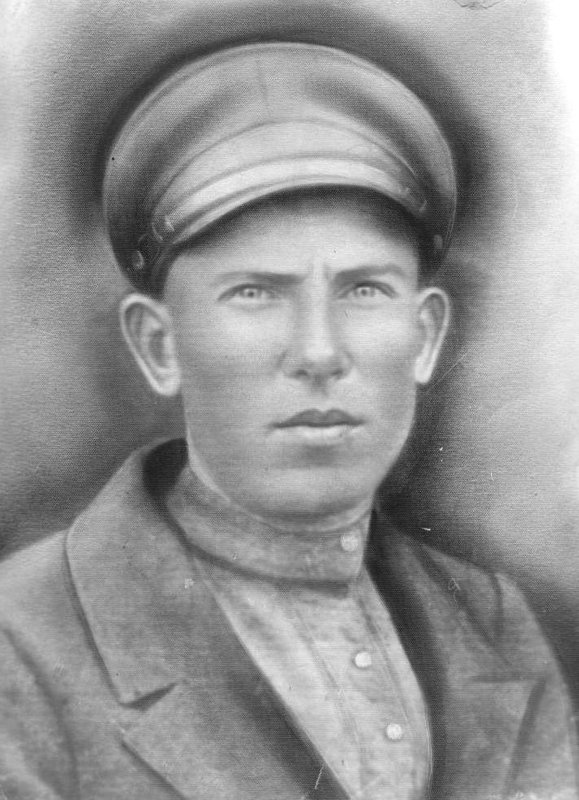
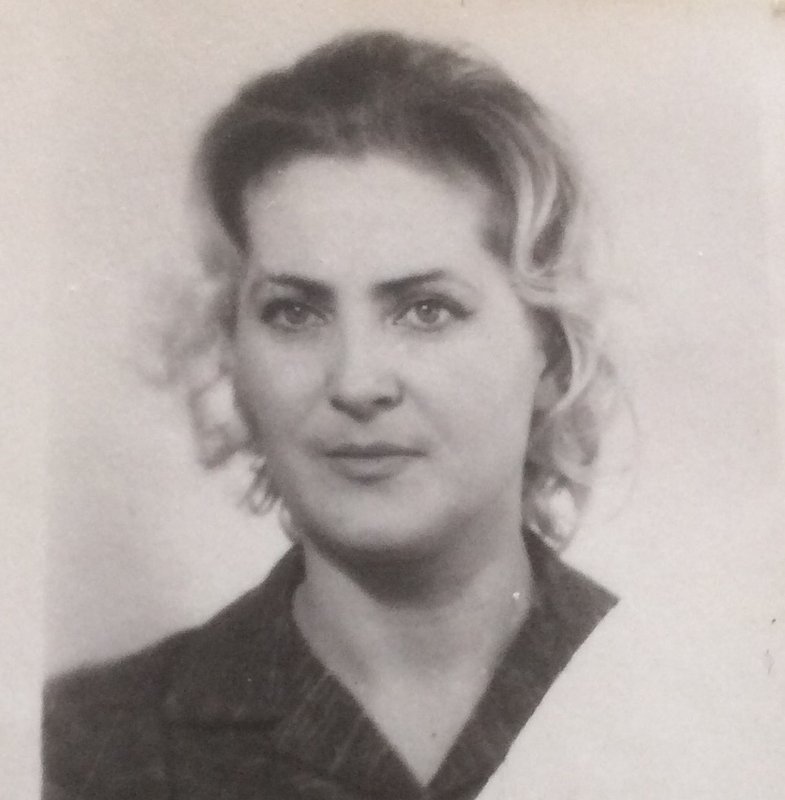
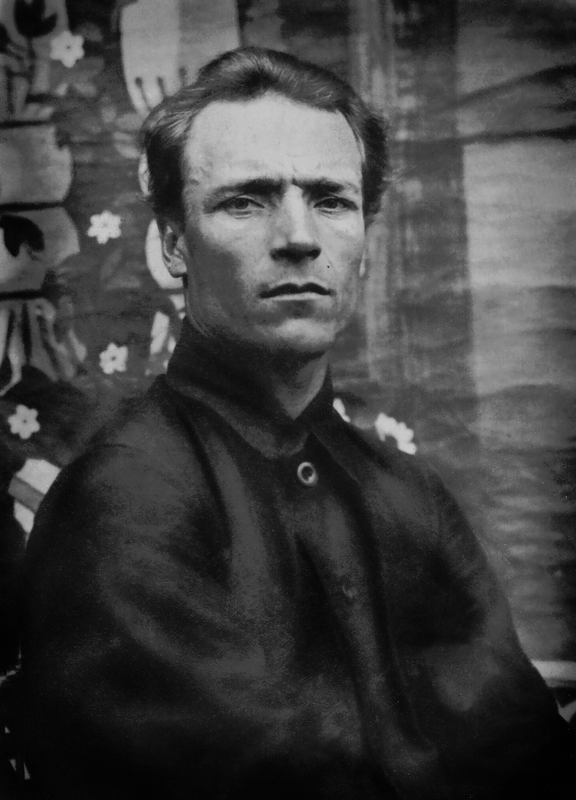
Alexey Polyakov
01.01.1913 - 01.01.1996_x000D_
Rank: Red Army Soldier_x000D_
Branch of Service: Land Forces, Air Force (except for Naval Aviation), Coast Guard, NKVD troops, Border Guard._x000D_
Unit: 32nd Red Banner Rifle Division._x000D_
My grandmother's older brother, Alexey Polyakov was born in 1913 in the village of Pogorelovka, Volchkovsky Volost, Kozlovsky Uyezd, Tambov Province (today - Petrovsky, during the war - Volchkovsky District, Tambov Region), the 1st child in a large peasant family (eight children, two of whom died in infancy) of Kozma and Polyakov._x000D_
Education - primary, 4 classes. Mechanic. Son of an "enemy of the people" (father shot in 1938, posthumously rehabilitated). Passed active service in the period from 1933 to 1935, then worked on the construction of the Moscow metro. He was married, and his son Vladimir was born in 1941. (during the war). Called up by the Volchkovsky District Militart Commissariate of the Tambov Region on August 26, 1941 in the 113th Rifle Rediment of the 32nd Rifle Division. He fought as an ordinary rifleman in the infantry. Participated of the defense of Moscow. He was captured by Germans on January 5, 1942._x000D_
During this period, 32nd Rifle Division launched an offensive Northwest of the Naro-Fominsk District near the village of Obukhovo. According to his stories, everything happened as follows: "the German got into another counterattack. The fire was just a hurricane. Despite this, the officers persistently demanded to advance. But as soon as the soldiers got up from the trenches, we were literally "mowed down" by a hail of bullets and shrapnel. By chance, only a few people were left alive, including me. So he was captured... " As a prisoner of war, he worked for the burgher in what is now Poland. During the entire war, there was no news from him - in the winter of 1942, the family was handed a state notice of "missing persons". Released on May 3, 1945. Then he served in 218 AZSP as a tractor driver,-restored the city of Breslau (now Polish Wroclaw). Demobilized on December 12, 1945._x000D_
His sister, my grandmother, described return home in this way: "it was a common winter day. My mother went to a meeting of the village Council, only Shura (my sister) and I were at home. First they heard a knock, then Shura saw Alexey's silhouette through the window and screamed. There was so much joy! But time passes – and the mother is still not there. Alexey himself went to the village Council. It turned out that the mother could not pay some tax on time and boldly replied: "Where will I get the money? If someone had lost it, I would have found it and paid." The Chairman got angry with her and, along with a group of other defaulters (about 6 women), locked them in a back room after the meeting. When my brother found out about this, he went straight to the Chairman, took him by the breast and said, “While we were fighting there, you bullied our mothers here!” and made him let all the prisoners out of the back room."_x000D_
After the war, he was a construction worker._x000D_
Most of his life he lived in his native village, and in his old age he and his wife moved to Domodedovo, Moscow Region._x000D_
He didn't like to talk about the war. I remember him as a silent, modest and reserved person.
Alexey Polyakov
01.01.1913 - 01.01.1996_x000D_
Rank: Red Army Soldier_x000D_
Branch of Service: Land Forces, Air Force (except for Naval Aviation), Coast Guard, NKVD troops, Border Guard._x000D_
Unit: 32nd Red Banner Rifle Division._x000D_
My grandmother's older brother, Alexey Polyakov was born in 1913 in the village of Pogorelovka, Volchkovsky Volost, Kozlovsky Uyezd, Tambov Province (today - Petrovsky, during the war - Volchkovsky District, Tambov Region), the 1st child in a large peasant family (eight children, two of whom died in infancy) of Kozma and Polyakov._x000D_
Education - primary, 4 classes. Mechanic. Son of an "enemy of the people" (father shot in 1938, posthumously rehabilitated). Passed active service in the period from 1933 to 1935, then worked on the construction of the Moscow metro. He was married, and his son Vladimir was born in 1941. (during the war). Called up by the Volchkovsky District Militart Commissariate of the Tambov Region on August 26, 1941 in the 113th Rifle Rediment of the 32nd Rifle Division. He fought as an ordinary rifleman in the infantry. Participated of the defense of Moscow. He was captured by Germans on January 5, 1942._x000D_
During this period, 32nd Rifle Division launched an offensive Northwest of the Naro-Fominsk District near the village of Obukhovo. According to his stories, everything happened as follows: "the German got into another counterattack. The fire was just a hurricane. Despite this, the officers persistently demanded to advance. But as soon as the soldiers got up from the trenches, we were literally "mowed down" by a hail of bullets and shrapnel. By chance, only a few people were left alive, including me. So he was captured... " As a prisoner of war, he worked for the burgher in what is now Poland. During the entire war, there was no news from him - in the winter of 1942, the family was handed a state notice of "missing persons". Released on May 3, 1945. Then he served in 218 AZSP as a tractor driver,-restored the city of Breslau (now Polish Wroclaw). Demobilized on December 12, 1945._x000D_
His sister, my grandmother, described return home in this way: "it was a common winter day. My mother went to a meeting of the village Council, only Shura (my sister) and I were at home. First they heard a knock, then Shura saw Alexey's silhouette through the window and screamed. There was so much joy! But time passes – and the mother is still not there. Alexey himself went to the village Council. It turned out that the mother could not pay some tax on time and boldly replied: "Where will I get the money? If someone had lost it, I would have found it and paid." The Chairman got angry with her and, along with a group of other defaulters (about 6 women), locked them in a back room after the meeting. When my brother found out about this, he went straight to the Chairman, took him by the breast and said, “While we were fighting there, you bullied our mothers here!” and made him let all the prisoners out of the back room."_x000D_
After the war, he was a construction worker._x000D_
Most of his life he lived in his native village, and in his old age he and his wife moved to Domodedovo, Moscow Region._x000D_
He didn't like to talk about the war. I remember him as a silent, modest and reserved person.
0 comment




2026 © Russian Military Historical Society Developed by Jetmix