Back to
album
album
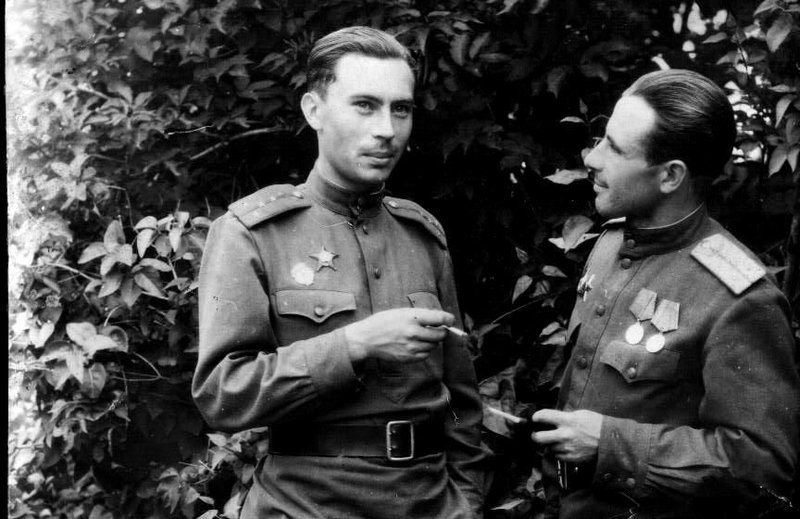

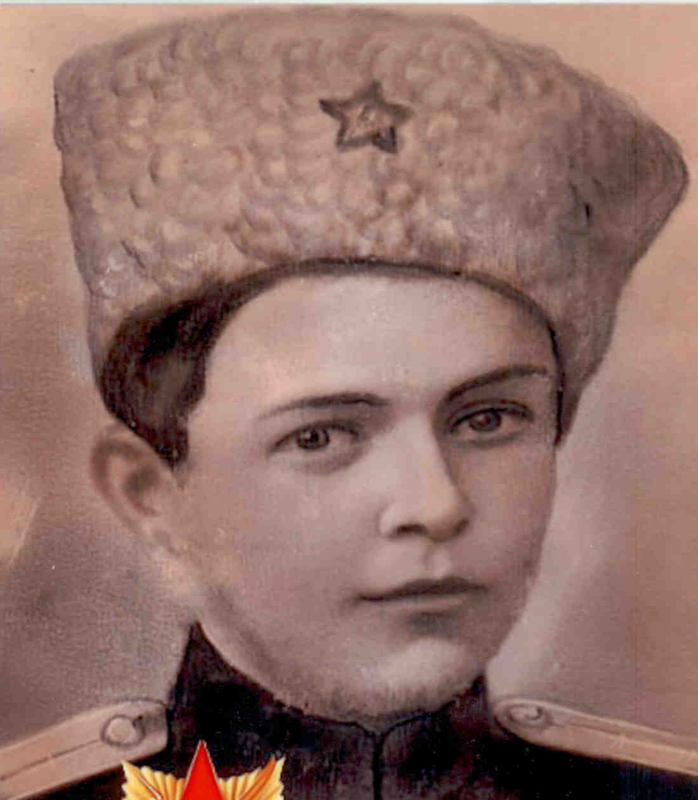

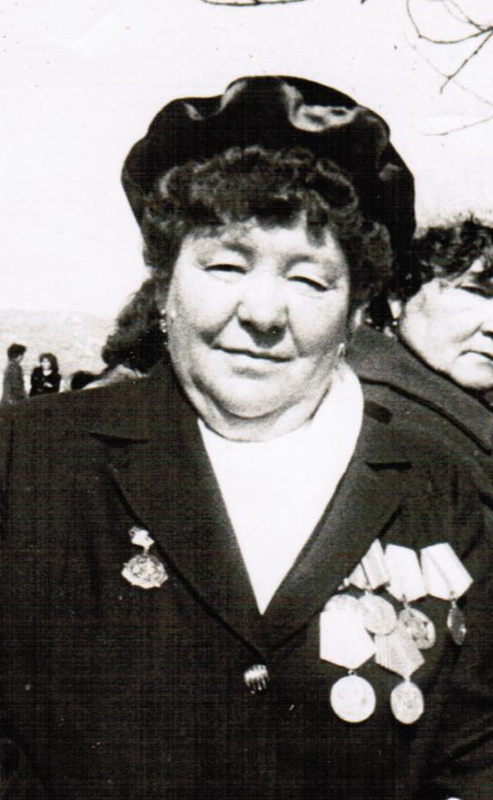
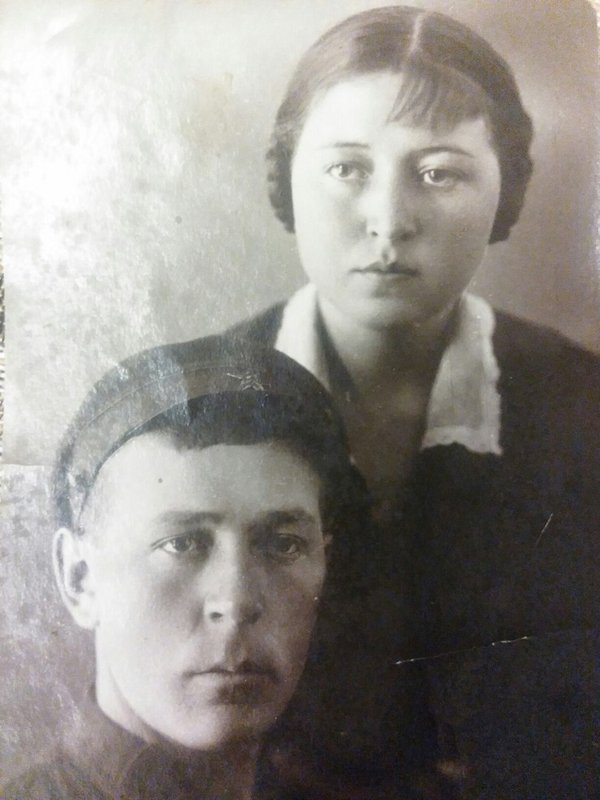

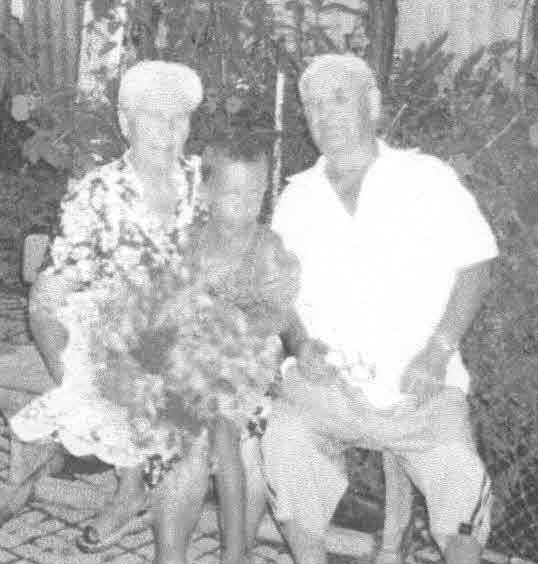
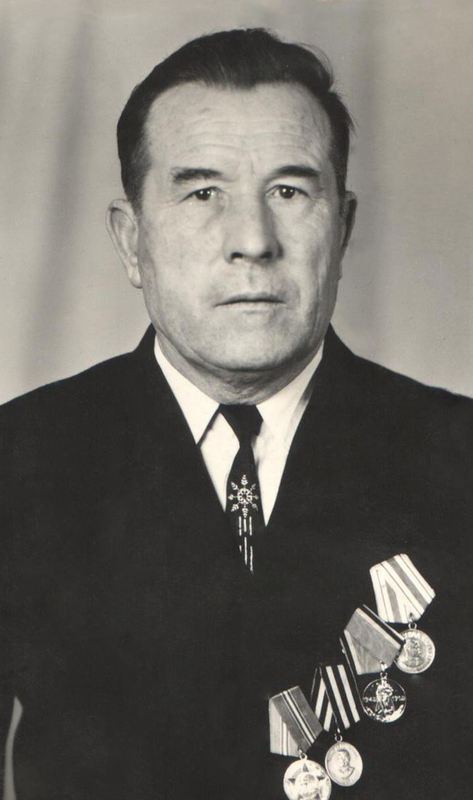
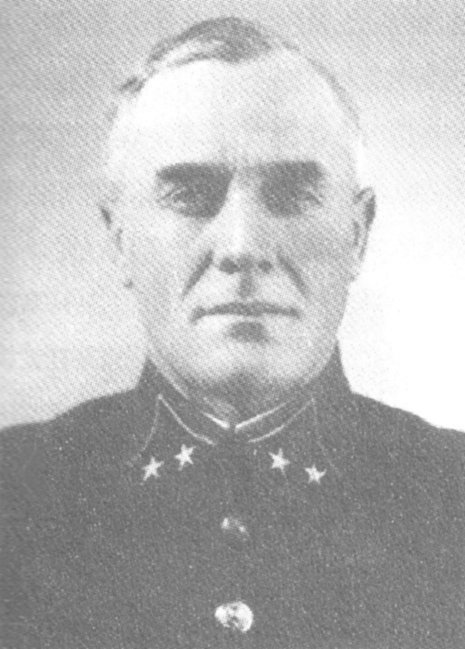
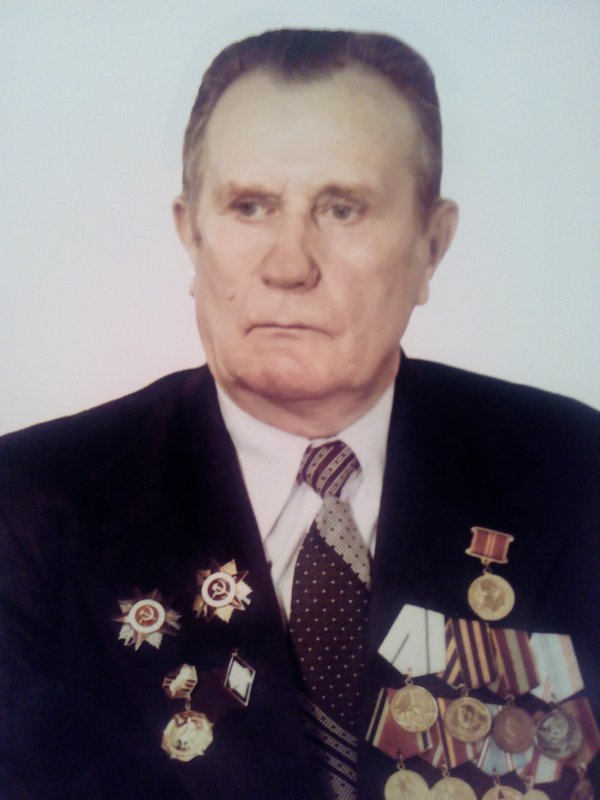
Kibardin Leonid Nikolaevich
Rank: Second Lieutenant.
Branch of military: Army, Air Forces (except naval aviation), Coast Guards, the troops of the NKVD, Border Guards.
Division: 75th cavalry division.
My GRANDFATHER, Leonid KIBARDIN, ascended Khan Tengri peak on August 24, 1936. He was 24 years old. I managed to get married before the war. Wife-Bagaeva Anna Aleksandrovna. In 1939, their son Yuri was born. When the war began, he took his wife and son to their relatives and went to defend the Motherland. He fought in the Guards Cavalry corps of General Belov division 75th , part 3797, was an assistant to the commander of the machine-gun squadron of ml. Lieutenant Rubts And. M. in his last letter on January 04, 1942, reported that they were leaving for Smolensk. Missing in action. 75 CD was formed in September-October 1941 in Novosibirsk (Siberian military district). The connection was formed as part of the implementation of the decree of the state budget of the USSR No. 459 SS of 11.08.1941 [1]. The division's relocation to the Soviet-German front began in November 1941. By the Directive of the VGK Bid No. 4299 of 02.11.1941, it was relocated from Novosibirsk to Glotovka; by the VGK Bid Directive of 24.11.1941, it was relocated from Kolyshlei to the area of Laskovo station, Solodcha. The division entered the active army on 05.12.1941. During the war, the division constantly operated on the Western front and took part in the offensive phase of the Battle of Moscow. As part of the 10th army, she participated in the Tula offensive operation (06-17.12.1941). Then the division took part in the Belev-Kozel operation (20.12.1941-05.01.1942) and in the Mozhaisk-Vyazma offensive operation of the Western front (10.01–28.02.1942). The unit was disbanded on 26.03.1942 and turned to the gathering of the 2nd Guards Cavalry division. Fighting structure:• 230th cavalry regiment • 234th cavalry regiment • 237th cavalry regiment • 72nd horse artillery division • 72nd artillery Park • 55th separate semi-communication squadron • 47th medical and sanitary squadron • 75th separate chemical protection squadron • 56th food transport • 270th divisional veterinary infirmary • 258th field postal station • 1003rd field cash register of the state Bank commanders• Vasily Koninsky, Colonel-from 20.09 to 08.12.1941 • Moskalik Mikhail Emmanuilovich, Colonel - from 08.12.1941 to 26.03.1942 75 CD in January 1942 was thrown at the breakthrough at Vyazma as part of the 1st guards cavalry corps, which fought in the Belov group. In March 1942, from 75 CD already remained crumbs and what was left of the division, went to the staffing of the 1st and 2nd Guards Cavalry divisions. Belov's corps fought in the encirclement until June 1942, along with partisan detachments that captured the city of Dorogobush. In Mosolsk was about 2 thousand wounded, who were in 22 PPG and were subsequently distributed to villages. In the reports of irretrievable losses of the 1st GW. KKO losses of 75 CD were nothing about him. I found only 5-10 people from Novosibirsk on medical clinics and that's it. Still in Belov's group there were 114,115,116,117,118 ski battalions. Perhaps many of the fighters remained in the partisan detachments of Zhabo, Grachev and others.
Kibardin Leonid Nikolaevich
Rank: Second Lieutenant.
Branch of military: Army, Air Forces (except naval aviation), Coast Guards, the troops of the NKVD, Border Guards.
Division: 75th cavalry division.
My GRANDFATHER, Leonid KIBARDIN, ascended Khan Tengri peak on August 24, 1936. He was 24 years old. I managed to get married before the war. Wife-Bagaeva Anna Aleksandrovna. In 1939, their son Yuri was born. When the war began, he took his wife and son to their relatives and went to defend the Motherland. He fought in the Guards Cavalry corps of General Belov division 75th , part 3797, was an assistant to the commander of the machine-gun squadron of ml. Lieutenant Rubts And. M. in his last letter on January 04, 1942, reported that they were leaving for Smolensk. Missing in action. 75 CD was formed in September-October 1941 in Novosibirsk (Siberian military district). The connection was formed as part of the implementation of the decree of the state budget of the USSR No. 459 SS of 11.08.1941 [1]. The division's relocation to the Soviet-German front began in November 1941. By the Directive of the VGK Bid No. 4299 of 02.11.1941, it was relocated from Novosibirsk to Glotovka; by the VGK Bid Directive of 24.11.1941, it was relocated from Kolyshlei to the area of Laskovo station, Solodcha. The division entered the active army on 05.12.1941. During the war, the division constantly operated on the Western front and took part in the offensive phase of the Battle of Moscow. As part of the 10th army, she participated in the Tula offensive operation (06-17.12.1941). Then the division took part in the Belev-Kozel operation (20.12.1941-05.01.1942) and in the Mozhaisk-Vyazma offensive operation of the Western front (10.01–28.02.1942). The unit was disbanded on 26.03.1942 and turned to the gathering of the 2nd Guards Cavalry division. Fighting structure:• 230th cavalry regiment • 234th cavalry regiment • 237th cavalry regiment • 72nd horse artillery division • 72nd artillery Park • 55th separate semi-communication squadron • 47th medical and sanitary squadron • 75th separate chemical protection squadron • 56th food transport • 270th divisional veterinary infirmary • 258th field postal station • 1003rd field cash register of the state Bank commanders• Vasily Koninsky, Colonel-from 20.09 to 08.12.1941 • Moskalik Mikhail Emmanuilovich, Colonel - from 08.12.1941 to 26.03.1942 75 CD in January 1942 was thrown at the breakthrough at Vyazma as part of the 1st guards cavalry corps, which fought in the Belov group. In March 1942, from 75 CD already remained crumbs and what was left of the division, went to the staffing of the 1st and 2nd Guards Cavalry divisions. Belov's corps fought in the encirclement until June 1942, along with partisan detachments that captured the city of Dorogobush. In Mosolsk was about 2 thousand wounded, who were in 22 PPG and were subsequently distributed to villages. In the reports of irretrievable losses of the 1st GW. KKO losses of 75 CD were nothing about him. I found only 5-10 people from Novosibirsk on medical clinics and that's it. Still in Belov's group there were 114,115,116,117,118 ski battalions. Perhaps many of the fighters remained in the partisan detachments of Zhabo, Grachev and others.
0 comment



2026 © Russian Military Historical Society Developed by Jetmix