Back to
album
album
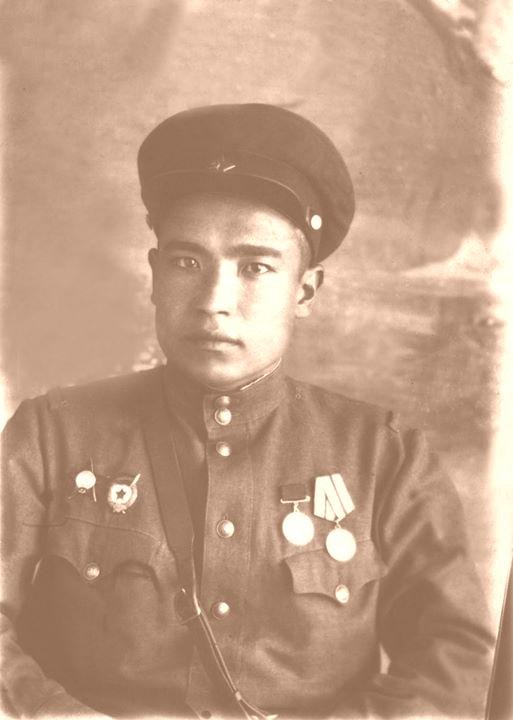
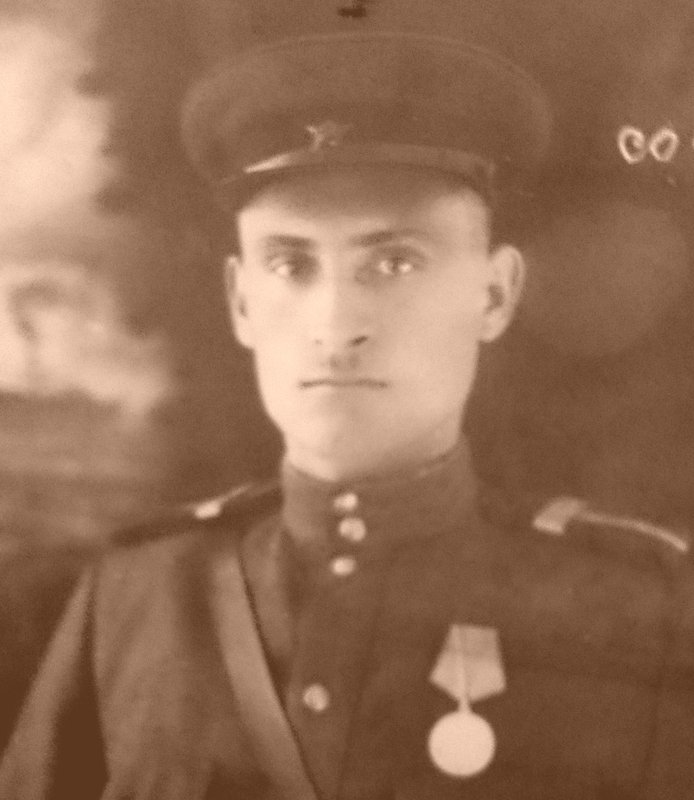
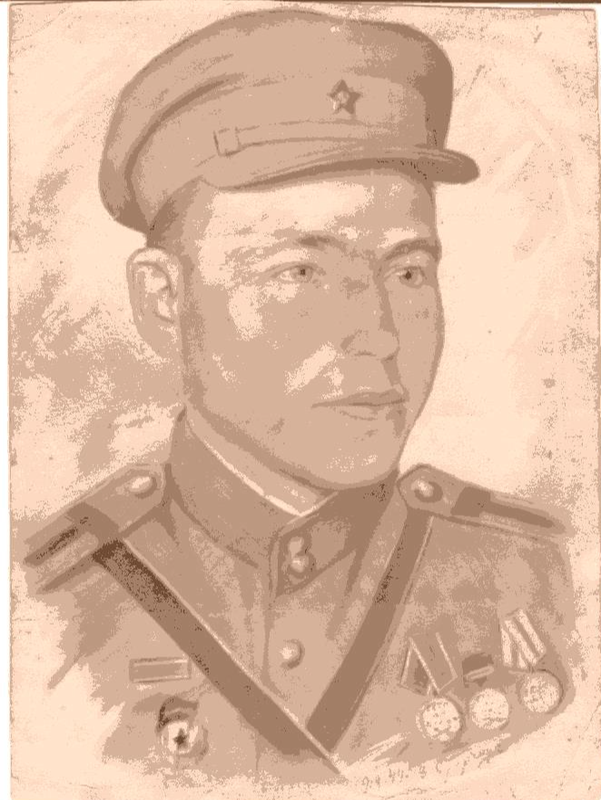
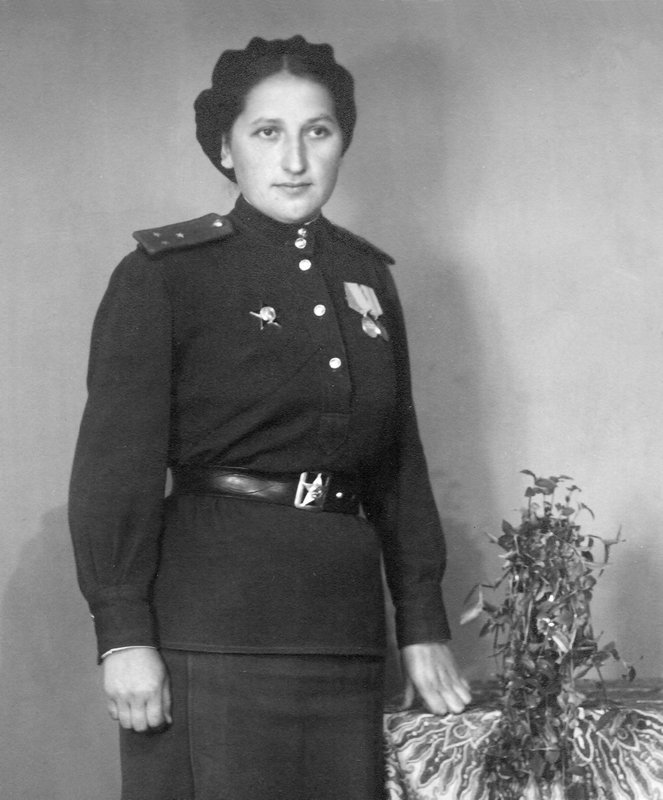
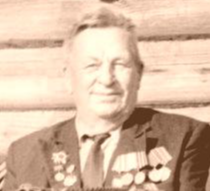
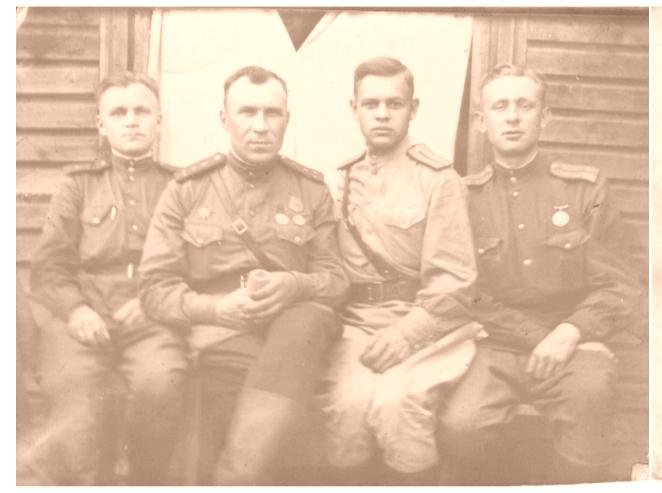
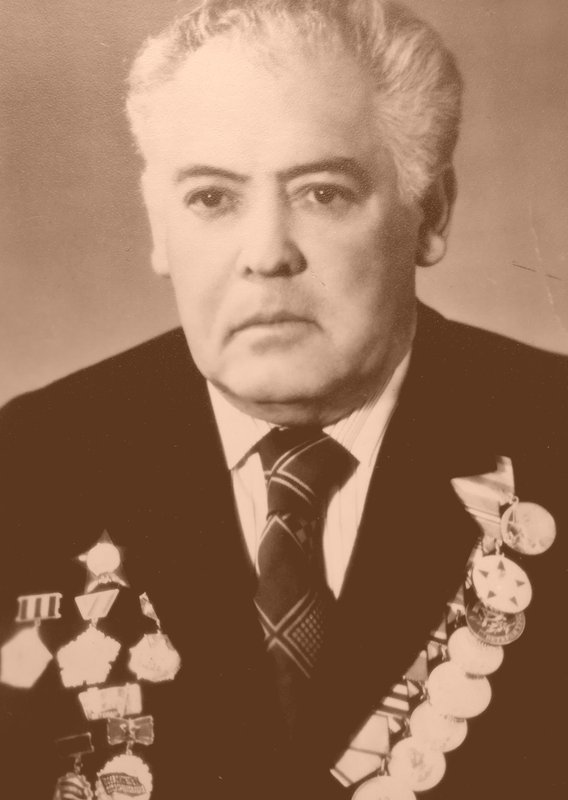
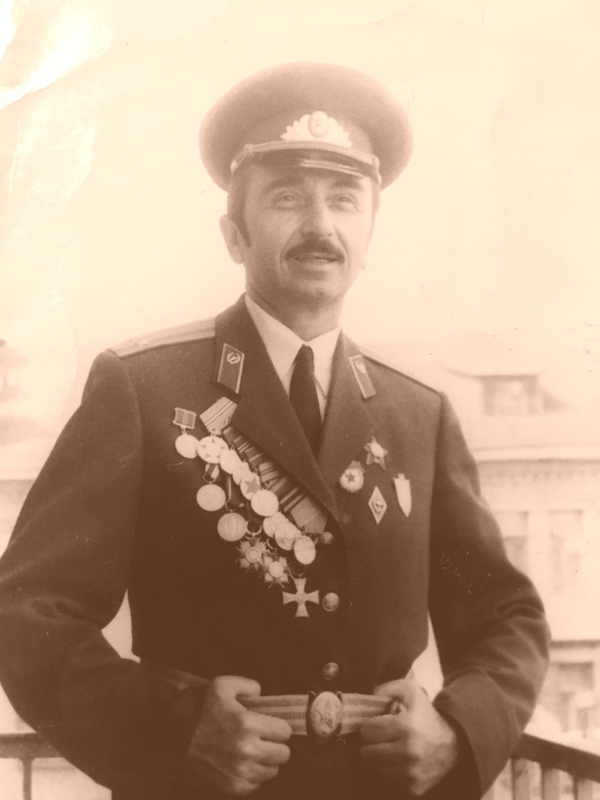
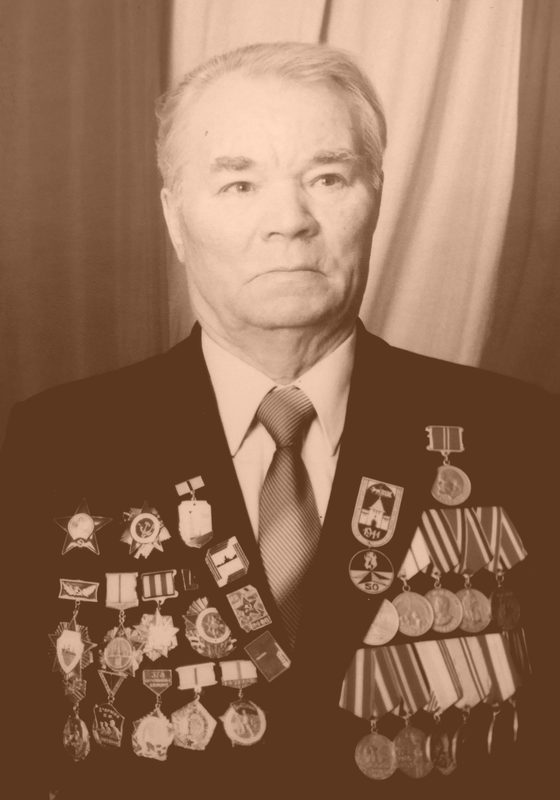
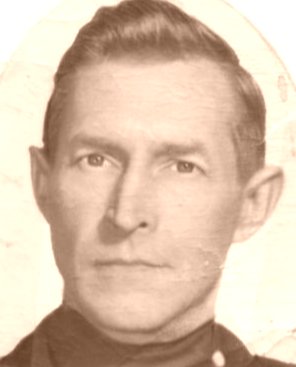
Smertin Pyotr Kirillovich
By the beginning of 1941, my grandfather had already completed his military service in the Far East and worked as the chairman of the "Okhotnik" and "Boevik" collective farms in the Oktyabrsky village council of the Svechinsky district of the Kirov region. Before the war he was in charge of the Svechinskaya MTS (he was deputy director). From the assembly point to Leningrad, the machine-gun company of the 11th rifle division of the 320th rifle regiment of the 54th army. July 6, 1941 entered into battle with the Nazis. Difficult battles during the retreat period: 20 attacks per day, then the hardest battles near Narva, battles for Kingissep. The grandfather served as the head of the radio station. In the area of Oranienbaum they fought to the death! The first wound near the Strelno station, near Peterhof. “With a bandaged head I was driving in the back of a truck to the hospital. Because of the concussion, he did not understand those around him very well, but he heard someone shout: "Smertin!" These were fellow countrymen P. Belkin and A. Yarovikov. They reported my injury in letters home, and rumors reached my parents and wife that I was killed. " Two weeks later, great-grandfather is back on the front lines. “Hill 120 was in the offensive zone, to which the Germans stubbornly held on. Many of our guys died, but they took the height. ”And the Germans cut off a group from the regiment, and for 22 days the grandfather and his comrades were surrounded. Every day there were battles, food was thrown from planes at night, there was not enough ammunition. At this height, he was wounded a second time. On February 17, 1942, they left the encirclement with battles. In March, the entire group was awarded, and the grandfather received his first award. Then in March he was admitted to the party. “The personal account of the revenge of the Germans. In one battle, he killed 7 fascists, and in total in 1942 - 13. In the spring of 1942 they were on the defensive in the Leningrad swamps, and then as part of the Second Shock Army of the Volkhov Front, participated in Operation Iskra - breaking the blockade, as deputy commander of the communications company. Later - study at the Murom military school on the courses of command personnel, he graduated in February 1944. The war was going on in Europe. Upon its liberation, Lublin (Poland) liberated Auschwitz. I saw with my own eyes the stores of hair and stores of children's and women's shoes. “Even for us, the military, it was scary to be on the territory of this camp: gas chambers, dungeons, crematoria ...” - writes the grandfather. In September 1944, beyond the Vistula, they occupied the Sandomirovsky bridgehead. For these battles, my grandfather received the Order of the Red Star. “... Voltin and Glebov. These are the places that you don't want to remember. How can one forget how the last Fritzes were killed on the east bank near the Oder River. There were stubborn battles and dangerous moments ... ”(from the entries in the diary). The battles on the way to the Oder River, crossing it, took a bridgehead near the town of Kustrin. The Berlin operation began. On March 15, 1945, he writes in his diary: "Today is a good sunny spring day, and there is a lot of animation at the front." Pyotr Kirillovich ended the war in Berlin, took part in the assault on the capital of the Reich as part of a separate breakthrough artillery corps RGK 1002 deartment of communications battalion as a company commander. On April 16, 1945, a powerful artillery barrage began. "I was raised by some kind of terrible hum, although I went to bed at 3 o'clock and slept very soundly." “The Oder was lit up with thousands of lights. The sky was colored with a continuous glow. When they went on the offensive and took prisoners, the commander of the German company Paul Harte said, “The Russian artillery drove everyone crazy this morning. More than half of the company of soldiers was killed. I have never seen such a fire from your side. Many soldiers were speechless, and several soldiers turned gray in just an hour. " “... The advancement of our troops proceeded slowly, because the Germans mined the roads. Our corps was given the right to fire the first salvo on the outskirts of Berlin and the Reichstag. We left our signatures on the walls of the Reichstag ... "Entries from the diary:" ... 04/19/1945 At 17 o'clock the 1st division of the 24th corps was the first to open fire on the outskirts of Berlin. The enemy is still fighting hard. These sluts, Germans, shoot from windows, from attics. 04/20/1945 - I had to live in the Hertskhorm wing in a barrack where our Russian prisoners of war and slaves, driven to Germany, lived. I find an inscription on the wall: "They are being hijacked from friends, they are not giving a fraternal meeting" (signed by 29 people) 04/21/1945 - 9 am - all our formations have a 15-minute artillery attack on the Reichstag. The fighting in Berlin is stubborn and dangerous. 05/01/1945 - Extremely tense situation, and the tasks are very important. Here comes the holiday! No matter how hard it is, but in my heart I am satisfied that I am alive, and we celebrate this holiday almost in the very center of the fascist den. 05/02/1945 - The enemy could not withstand our blow, and Berlin surrendered. This is our great victory! This is a victory for our weapons, our army. 05/09/1945 - Victory Day over Germany is a big holiday. I cannot express the feelings that I experience on this day ... ”Great-grandfather met Victory Day in the town of Grunfeld. “I was the duty officer. At 3 o'clock in the morning I hear the soldiers shouting: “Captain! Captain!" it turned out that the long-awaited Victory Day had come for me. The command awarded me the Order of the Patriotic War II degree for the Berlin operation (I was the commander of the radio line) ... ".
Smertin Pyotr Kirillovich
By the beginning of 1941, my grandfather had already completed his military service in the Far East and worked as the chairman of the "Okhotnik" and "Boevik" collective farms in the Oktyabrsky village council of the Svechinsky district of the Kirov region. Before the war he was in charge of the Svechinskaya MTS (he was deputy director). From the assembly point to Leningrad, the machine-gun company of the 11th rifle division of the 320th rifle regiment of the 54th army. July 6, 1941 entered into battle with the Nazis. Difficult battles during the retreat period: 20 attacks per day, then the hardest battles near Narva, battles for Kingissep. The grandfather served as the head of the radio station. In the area of Oranienbaum they fought to the death! The first wound near the Strelno station, near Peterhof. “With a bandaged head I was driving in the back of a truck to the hospital. Because of the concussion, he did not understand those around him very well, but he heard someone shout: "Smertin!" These were fellow countrymen P. Belkin and A. Yarovikov. They reported my injury in letters home, and rumors reached my parents and wife that I was killed. " Two weeks later, great-grandfather is back on the front lines. “Hill 120 was in the offensive zone, to which the Germans stubbornly held on. Many of our guys died, but they took the height. ”And the Germans cut off a group from the regiment, and for 22 days the grandfather and his comrades were surrounded. Every day there were battles, food was thrown from planes at night, there was not enough ammunition. At this height, he was wounded a second time. On February 17, 1942, they left the encirclement with battles. In March, the entire group was awarded, and the grandfather received his first award. Then in March he was admitted to the party. “The personal account of the revenge of the Germans. In one battle, he killed 7 fascists, and in total in 1942 - 13. In the spring of 1942 they were on the defensive in the Leningrad swamps, and then as part of the Second Shock Army of the Volkhov Front, participated in Operation Iskra - breaking the blockade, as deputy commander of the communications company. Later - study at the Murom military school on the courses of command personnel, he graduated in February 1944. The war was going on in Europe. Upon its liberation, Lublin (Poland) liberated Auschwitz. I saw with my own eyes the stores of hair and stores of children's and women's shoes. “Even for us, the military, it was scary to be on the territory of this camp: gas chambers, dungeons, crematoria ...” - writes the grandfather. In September 1944, beyond the Vistula, they occupied the Sandomirovsky bridgehead. For these battles, my grandfather received the Order of the Red Star. “... Voltin and Glebov. These are the places that you don't want to remember. How can one forget how the last Fritzes were killed on the east bank near the Oder River. There were stubborn battles and dangerous moments ... ”(from the entries in the diary). The battles on the way to the Oder River, crossing it, took a bridgehead near the town of Kustrin. The Berlin operation began. On March 15, 1945, he writes in his diary: "Today is a good sunny spring day, and there is a lot of animation at the front." Pyotr Kirillovich ended the war in Berlin, took part in the assault on the capital of the Reich as part of a separate breakthrough artillery corps RGK 1002 deartment of communications battalion as a company commander. On April 16, 1945, a powerful artillery barrage began. "I was raised by some kind of terrible hum, although I went to bed at 3 o'clock and slept very soundly." “The Oder was lit up with thousands of lights. The sky was colored with a continuous glow. When they went on the offensive and took prisoners, the commander of the German company Paul Harte said, “The Russian artillery drove everyone crazy this morning. More than half of the company of soldiers was killed. I have never seen such a fire from your side. Many soldiers were speechless, and several soldiers turned gray in just an hour. " “... The advancement of our troops proceeded slowly, because the Germans mined the roads. Our corps was given the right to fire the first salvo on the outskirts of Berlin and the Reichstag. We left our signatures on the walls of the Reichstag ... "Entries from the diary:" ... 04/19/1945 At 17 o'clock the 1st division of the 24th corps was the first to open fire on the outskirts of Berlin. The enemy is still fighting hard. These sluts, Germans, shoot from windows, from attics. 04/20/1945 - I had to live in the Hertskhorm wing in a barrack where our Russian prisoners of war and slaves, driven to Germany, lived. I find an inscription on the wall: "They are being hijacked from friends, they are not giving a fraternal meeting" (signed by 29 people) 04/21/1945 - 9 am - all our formations have a 15-minute artillery attack on the Reichstag. The fighting in Berlin is stubborn and dangerous. 05/01/1945 - Extremely tense situation, and the tasks are very important. Here comes the holiday! No matter how hard it is, but in my heart I am satisfied that I am alive, and we celebrate this holiday almost in the very center of the fascist den. 05/02/1945 - The enemy could not withstand our blow, and Berlin surrendered. This is our great victory! This is a victory for our weapons, our army. 05/09/1945 - Victory Day over Germany is a big holiday. I cannot express the feelings that I experience on this day ... ”Great-grandfather met Victory Day in the town of Grunfeld. “I was the duty officer. At 3 o'clock in the morning I hear the soldiers shouting: “Captain! Captain!" it turned out that the long-awaited Victory Day had come for me. The command awarded me the Order of the Patriotic War II degree for the Berlin operation (I was the commander of the radio line) ... ".
0 comment



2026 © Russian Military Historical Society Developed by Jetmix