Back to
album
album
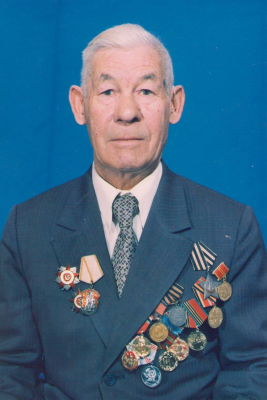
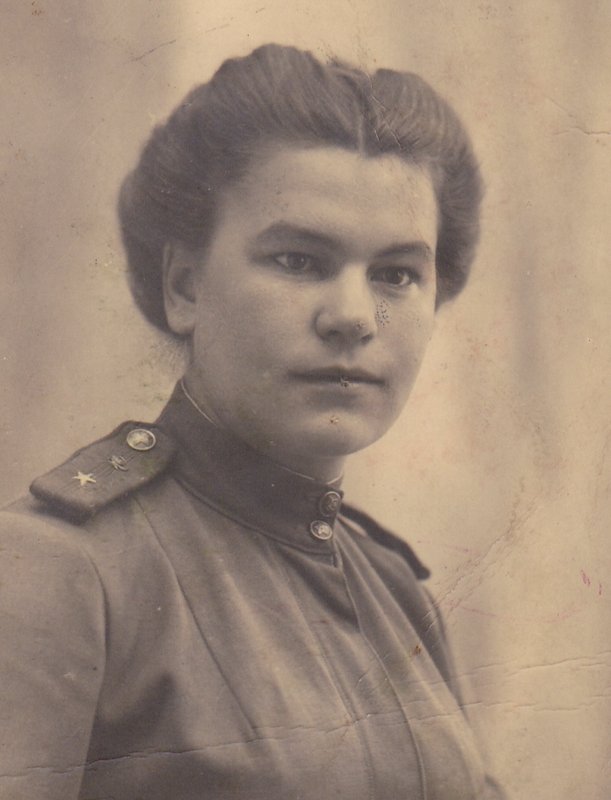
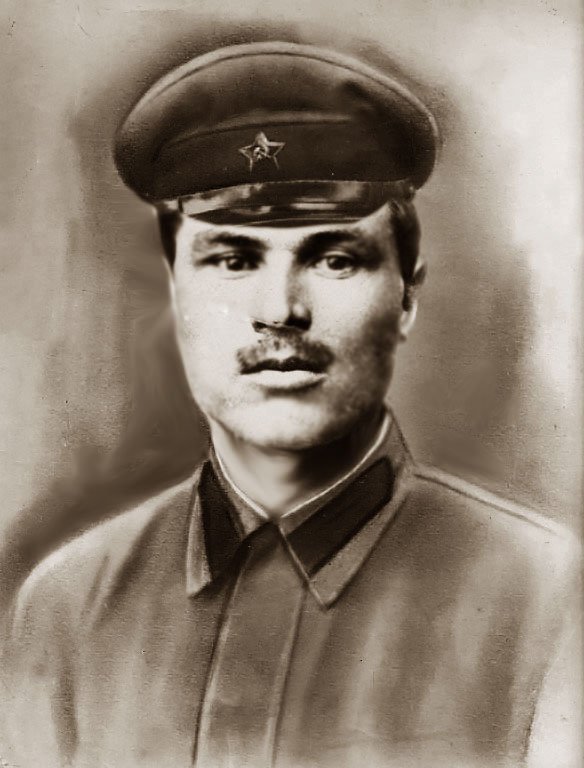
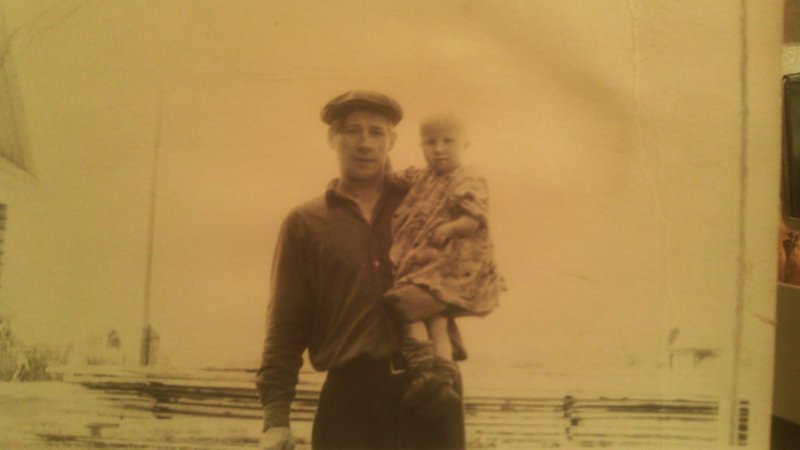
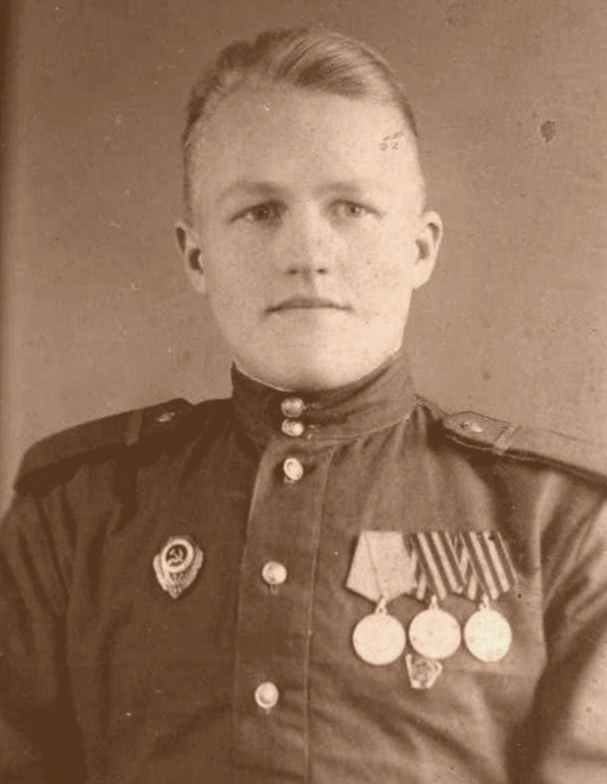
Tyuneva (Gnedova) Anna Markovna
Rank: Junior Lieutenant _x000D_
Branch of troops: Military Medical Personnel. _x000D_
When the Great Patriotic war started, Anya Tyuneva was 17 years old. A year before it started, she graduated from a nursing School in the town of Opochka, Pskov (at that time, Kalinin) Region and worked as a nurse in a district clinic in the town of Opochka. In the summer of 1941, the Tyunev family was evacuated to the town of Maksatikha in the Kalinin (Tver) Region. From there, Anna's father and older brother went to the front. They both died at war. _x000D_
Anna Tyuneva was drafted into the ranks of the Red Army in January 1942 by the Maksatikhinsky Commissariat and sent to the city of Vyshny Volochok. The formation of hospitals took place here. So a very young girl, almost a girl, became a nurse of a special surgical mobile hospital No. 4382, related to her full front-line destiny. In 1942 and early 1943, a hospital as part of the 11th Army was deployed on the North-Western Front in the area of Parfino, Novgorod Region. _x000D_
There were heavy, bloody battles. The hospital specialized in neurosurgery. Anna Markovna all her life recalled a great number of many wounded were admitted to the hospital, she cried every day when the dead were buried in mass grave. Years later, she visited this mass grave military cemetery to worship the memory of the soldiers. _x000D_
The Battle of Kursk Bulge was ahead. In the summer of 1943, the hospital was transferred to the Bryansk front. They unfolded in the forest. The sounds of battle were heard continuously. The hospital, designed for 200 people, in those days received 5 times more wounded, about 1000 people. There were not enough tents, they built sheds, which were covered with tree bark to protect from rain. This work was done by everyone who was currently free from duty. Anna Markovna said later that they felt neither fear nor fatigue. The only thing you can't get used to is the death of the wounded. Sometimes you do everything to save a person, you look for signs of improvement, and you take over and see: the bed is already empty. _x000D_
After the Battle of Kursk, our troops began an offensive to the west. Hospital No. 4382 as part of the 48th Army was part of the 1st, then 2nd Belorussian Front. Here Anna Tyuneva was presented a rank of a Junior Lieutenant of the Medical Service. And in May 1945, the long-awaited news of the Victory arrived at the town of Elbing in East Prussia. The first feeling of disbelief was replaced by general jubilation. They treated the wounded and waited to return home. _x000D_
In June, the hospital embarked on a troop train heading east. And only when the train crossed the Volga, they realized that the war hostilities had not yet finished. The hospital had arrived in the Far East, it a war with Japan was declared. _x000D_
After that war, she continued to serve in the administration of the prisoner of war camp No. 13 in Vladivostok as a medic of the central infirmary. _x000D_
In June 1946, a young but experienced girl returned home. In the first minute, her mother did not recognize her. They hugged and burst into tears. _x000D_
After the war, Anna changed her profession: she graduated from a pedagogical institute and taught Russian language and literature at School for 35 years. She married the front-line soldier Gnedov Nikolai Petrovich, they had a son, and a year later a daughter. Parents did not like to talk about the war, but in the last years of her life, my mother more and more often recalled her front-line youth.
Tyuneva (Gnedova) Anna Markovna
Rank: Junior Lieutenant _x000D_
Branch of troops: Military Medical Personnel. _x000D_
When the Great Patriotic war started, Anya Tyuneva was 17 years old. A year before it started, she graduated from a nursing School in the town of Opochka, Pskov (at that time, Kalinin) Region and worked as a nurse in a district clinic in the town of Opochka. In the summer of 1941, the Tyunev family was evacuated to the town of Maksatikha in the Kalinin (Tver) Region. From there, Anna's father and older brother went to the front. They both died at war. _x000D_
Anna Tyuneva was drafted into the ranks of the Red Army in January 1942 by the Maksatikhinsky Commissariat and sent to the city of Vyshny Volochok. The formation of hospitals took place here. So a very young girl, almost a girl, became a nurse of a special surgical mobile hospital No. 4382, related to her full front-line destiny. In 1942 and early 1943, a hospital as part of the 11th Army was deployed on the North-Western Front in the area of Parfino, Novgorod Region. _x000D_
There were heavy, bloody battles. The hospital specialized in neurosurgery. Anna Markovna all her life recalled a great number of many wounded were admitted to the hospital, she cried every day when the dead were buried in mass grave. Years later, she visited this mass grave military cemetery to worship the memory of the soldiers. _x000D_
The Battle of Kursk Bulge was ahead. In the summer of 1943, the hospital was transferred to the Bryansk front. They unfolded in the forest. The sounds of battle were heard continuously. The hospital, designed for 200 people, in those days received 5 times more wounded, about 1000 people. There were not enough tents, they built sheds, which were covered with tree bark to protect from rain. This work was done by everyone who was currently free from duty. Anna Markovna said later that they felt neither fear nor fatigue. The only thing you can't get used to is the death of the wounded. Sometimes you do everything to save a person, you look for signs of improvement, and you take over and see: the bed is already empty. _x000D_
After the Battle of Kursk, our troops began an offensive to the west. Hospital No. 4382 as part of the 48th Army was part of the 1st, then 2nd Belorussian Front. Here Anna Tyuneva was presented a rank of a Junior Lieutenant of the Medical Service. And in May 1945, the long-awaited news of the Victory arrived at the town of Elbing in East Prussia. The first feeling of disbelief was replaced by general jubilation. They treated the wounded and waited to return home. _x000D_
In June, the hospital embarked on a troop train heading east. And only when the train crossed the Volga, they realized that the war hostilities had not yet finished. The hospital had arrived in the Far East, it a war with Japan was declared. _x000D_
After that war, she continued to serve in the administration of the prisoner of war camp No. 13 in Vladivostok as a medic of the central infirmary. _x000D_
In June 1946, a young but experienced girl returned home. In the first minute, her mother did not recognize her. They hugged and burst into tears. _x000D_
After the war, Anna changed her profession: she graduated from a pedagogical institute and taught Russian language and literature at School for 35 years. She married the front-line soldier Gnedov Nikolai Petrovich, they had a son, and a year later a daughter. Parents did not like to talk about the war, but in the last years of her life, my mother more and more often recalled her front-line youth.
0 comment



2026 © Russian Military Historical Society Developed by Jetmix