Back to
album
album
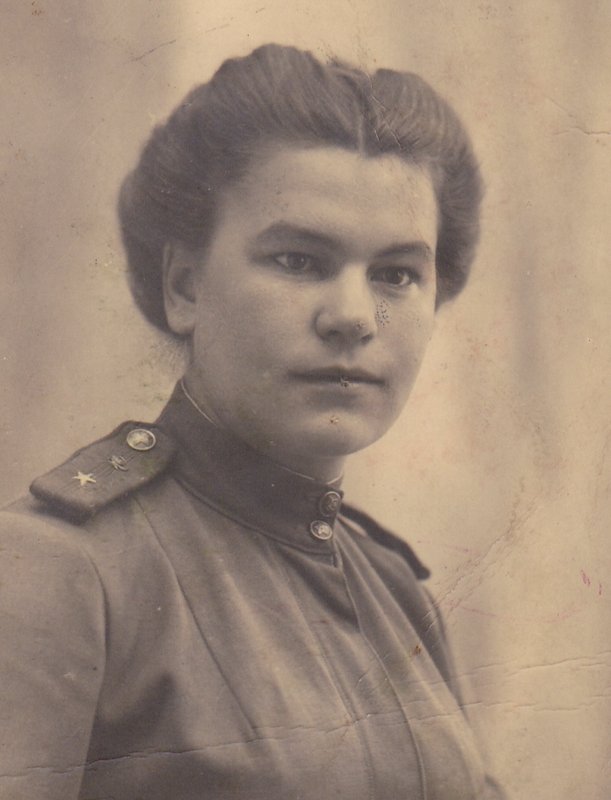
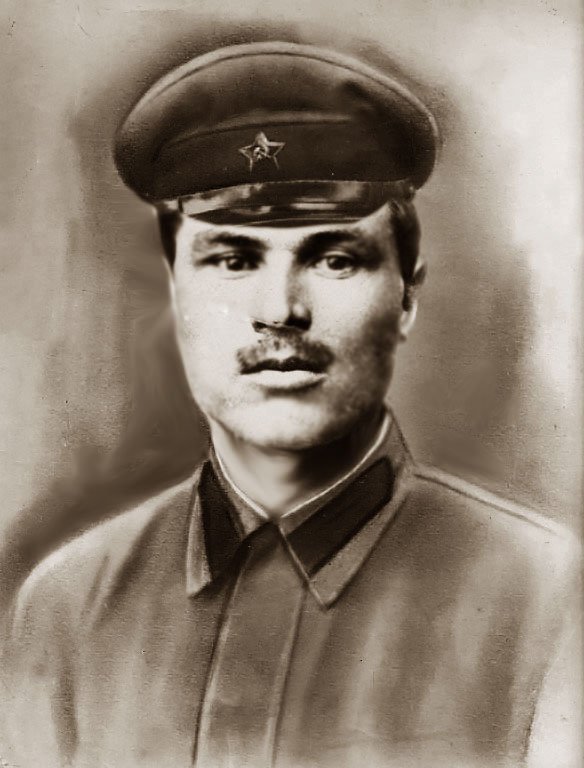
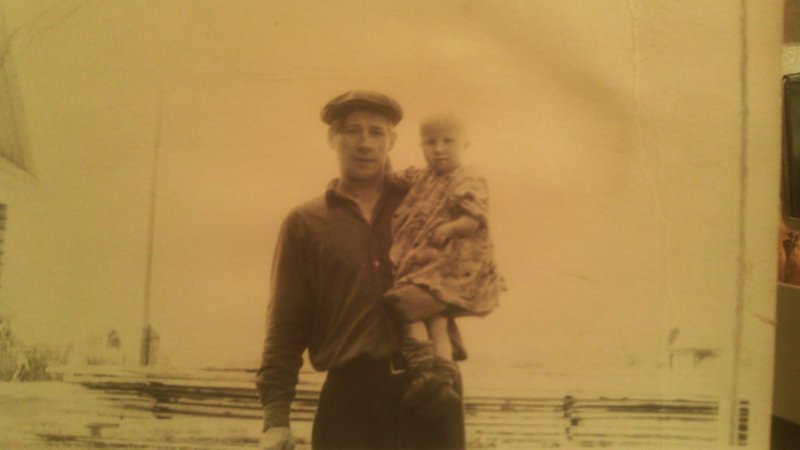
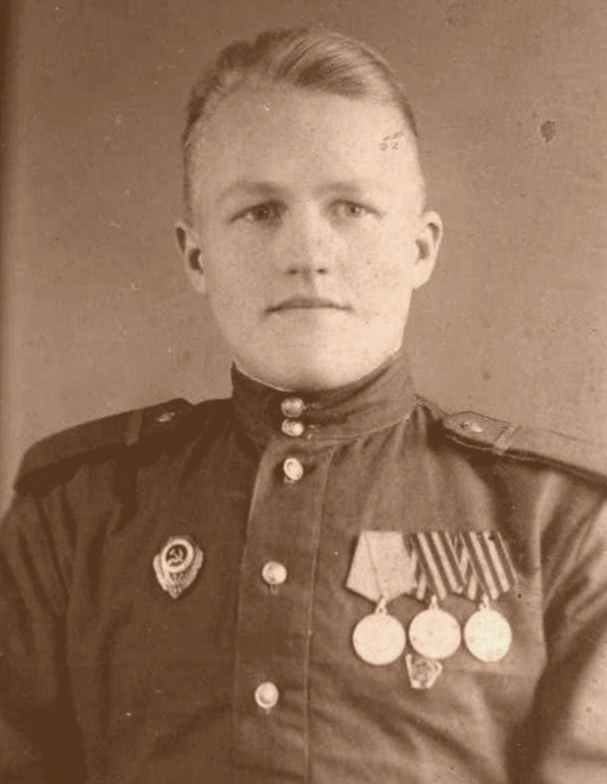
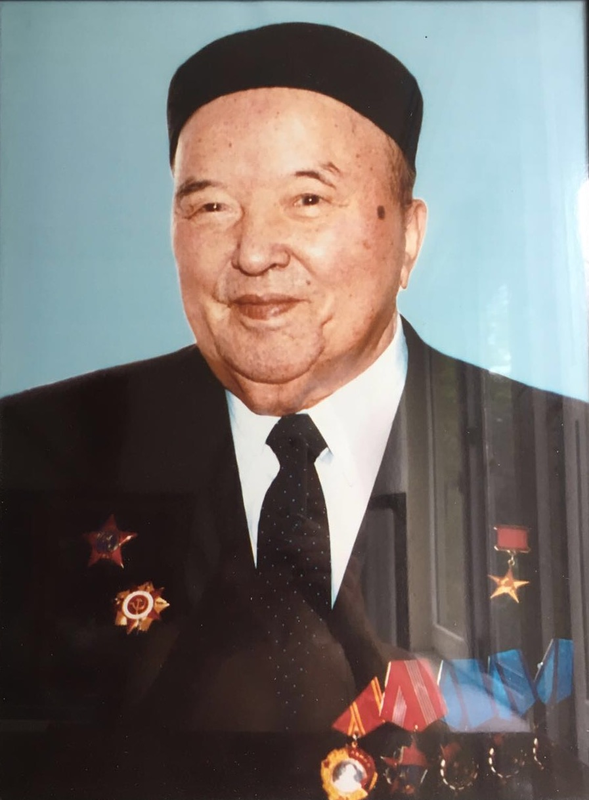
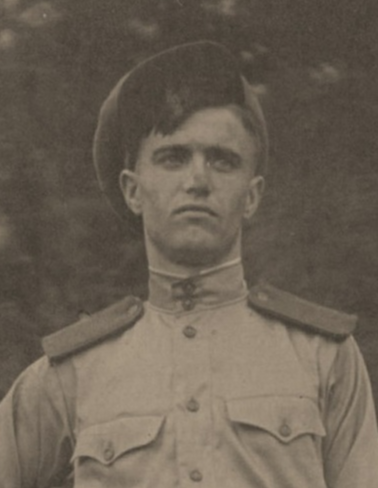
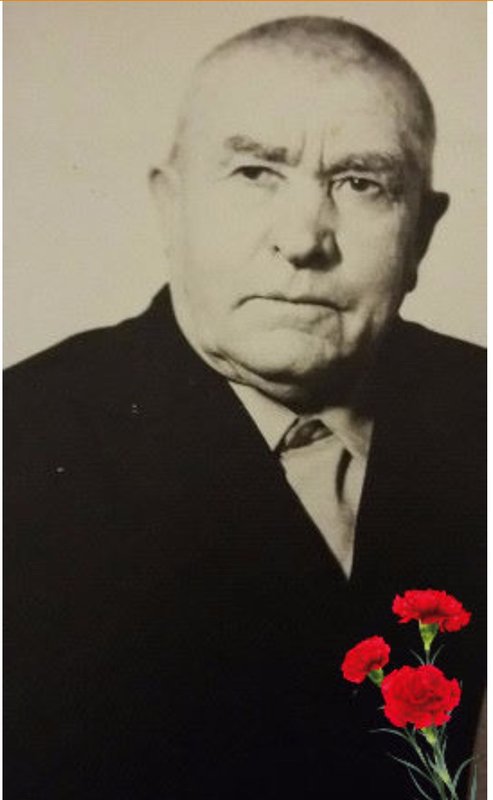

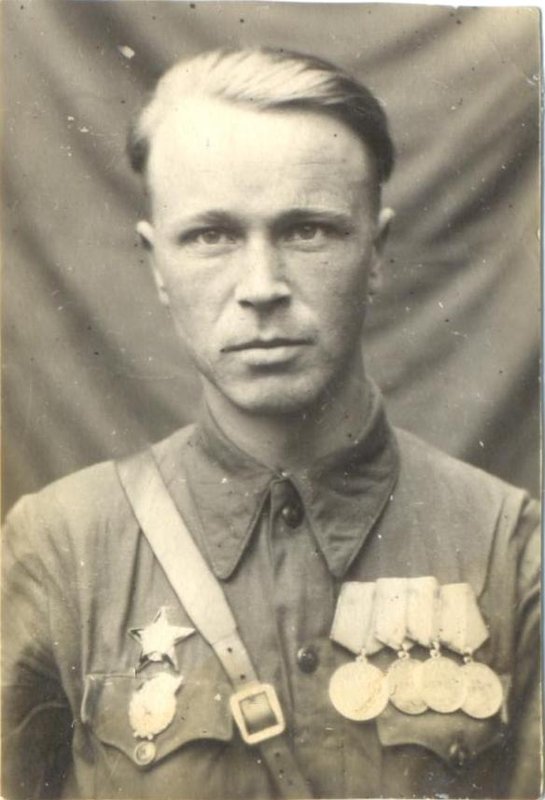
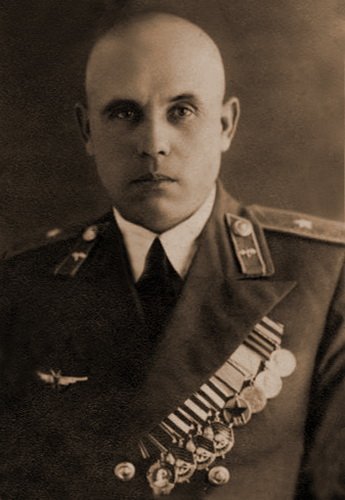
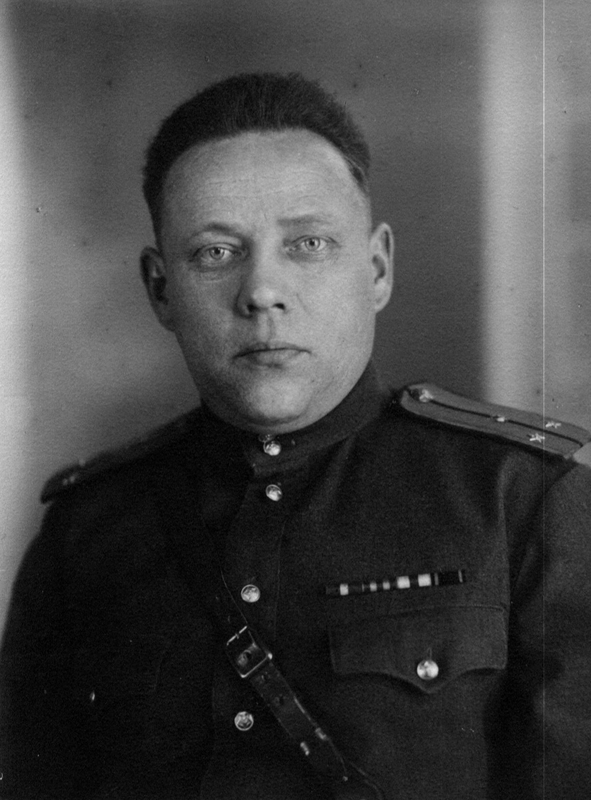
Turkenichev Ivan Egorovich
Rank: Red Army_x000D_
Branch of troops: Ground Forces, Air Force (except for naval aviation), coastal service, NKVD troops, border troops. _x000D_
Ivan Egorovich Turkenichev was born on October 12, 1924 in the village of Novy Liman, Voronezh Region. In 1933, his family moved to Kh. Parisian Rostov Region. After graduating from the 6th grade, he began to help his father, on an equal basis with adults, he collected potatoes in the field, carried water and grain on oxen. _x000D_
June 22, 1941 it was an ordinary day, everyone was working. And then they announced the beginning of the Great Patriotic War. In November of this year, the kolkhoz received a decree that all the cattle were evacuated across the Volga. And he, together with old men and women, drove cattle to the Elan station of the Saratov Region. _x000D_
When Ivan Yegorovich turned 18, he was sent as a recon to the 556th Rifle Regiment, which stood between Lake Chiganaki and the Don River. At the next offensive, in a hurry, he did not have time to wind up his foot bindings, but was crossing the river barefoot, the water was icy, he froze his leg. He had a fever, and when they stopped for a halt next to the shock where he was, a shell exploded and he was concussed. He lost his hearing, spoke poorly, stuttered. When we got to the medical unit, he was given the first aid and was sent to the hospital. There, without anesthesia, his left toes were amputated, he was held by five people. Then he was transferred to a hospital in the Penza Region, after treatment, the medical commission recognized him as disabled, and sent home. _x000D_
But already in November 1942 he was enlisted back into an active army. So Ivan Yegorovich ended up in besieged Leningrad. He served as a traffic cop in the 127th Separate Road Battalion on the Road of Life. He was there for a whole year and knew what 125 grams of bread for the whole day was for the civilian population, and 400 grams for soldiers, and even rotten cabbage. _x000D_
In Leningrad they lived in dugouts, there was no heat, no water, no light. They worked day and night, transporting construction materials to the "Road of Life" in an onboard vehicle. On January 18, 1944, the troops of the Leningrad and Volkhov fronts united, and the 900-day blockade of Leningrad was broken. _x000D_
In August 1944 he was transferred to Poland to the 317th Infantry Regiment. His regiment was liberating the city of Krakow. During the offensive near Breslavl in January 1945, he was wounded. And again the hospital, but there he did not stay. After some medical treatment, the soldier Turkenichev was sent to the military commandant's office in Beutkhen to protect civilians from the Banderaites. _x000D_
For good service, Ivan Yegorovich was presented with a bicycle, clothes, shoes. In a freight train, he reached the city of Voronezh. My grandfather returned from the war in August 1946.
Turkenichev Ivan Egorovich
Rank: Red Army_x000D_
Branch of troops: Ground Forces, Air Force (except for naval aviation), coastal service, NKVD troops, border troops. _x000D_
Ivan Egorovich Turkenichev was born on October 12, 1924 in the village of Novy Liman, Voronezh Region. In 1933, his family moved to Kh. Parisian Rostov Region. After graduating from the 6th grade, he began to help his father, on an equal basis with adults, he collected potatoes in the field, carried water and grain on oxen. _x000D_
June 22, 1941 it was an ordinary day, everyone was working. And then they announced the beginning of the Great Patriotic War. In November of this year, the kolkhoz received a decree that all the cattle were evacuated across the Volga. And he, together with old men and women, drove cattle to the Elan station of the Saratov Region. _x000D_
When Ivan Yegorovich turned 18, he was sent as a recon to the 556th Rifle Regiment, which stood between Lake Chiganaki and the Don River. At the next offensive, in a hurry, he did not have time to wind up his foot bindings, but was crossing the river barefoot, the water was icy, he froze his leg. He had a fever, and when they stopped for a halt next to the shock where he was, a shell exploded and he was concussed. He lost his hearing, spoke poorly, stuttered. When we got to the medical unit, he was given the first aid and was sent to the hospital. There, without anesthesia, his left toes were amputated, he was held by five people. Then he was transferred to a hospital in the Penza Region, after treatment, the medical commission recognized him as disabled, and sent home. _x000D_
But already in November 1942 he was enlisted back into an active army. So Ivan Yegorovich ended up in besieged Leningrad. He served as a traffic cop in the 127th Separate Road Battalion on the Road of Life. He was there for a whole year and knew what 125 grams of bread for the whole day was for the civilian population, and 400 grams for soldiers, and even rotten cabbage. _x000D_
In Leningrad they lived in dugouts, there was no heat, no water, no light. They worked day and night, transporting construction materials to the "Road of Life" in an onboard vehicle. On January 18, 1944, the troops of the Leningrad and Volkhov fronts united, and the 900-day blockade of Leningrad was broken. _x000D_
In August 1944 he was transferred to Poland to the 317th Infantry Regiment. His regiment was liberating the city of Krakow. During the offensive near Breslavl in January 1945, he was wounded. And again the hospital, but there he did not stay. After some medical treatment, the soldier Turkenichev was sent to the military commandant's office in Beutkhen to protect civilians from the Banderaites. _x000D_
For good service, Ivan Yegorovich was presented with a bicycle, clothes, shoes. In a freight train, he reached the city of Voronezh. My grandfather returned from the war in August 1946.
0 comment



2026 © Russian Military Historical Society Developed by Jetmix