Back to
album
album
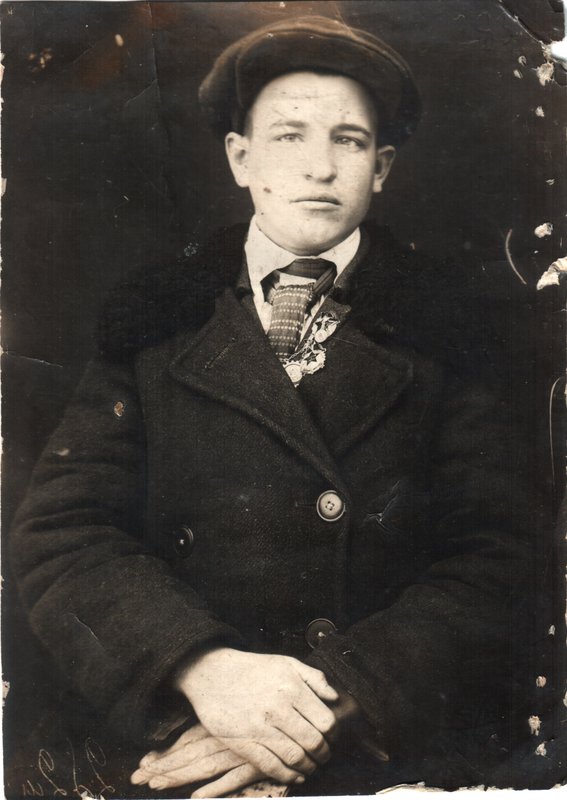


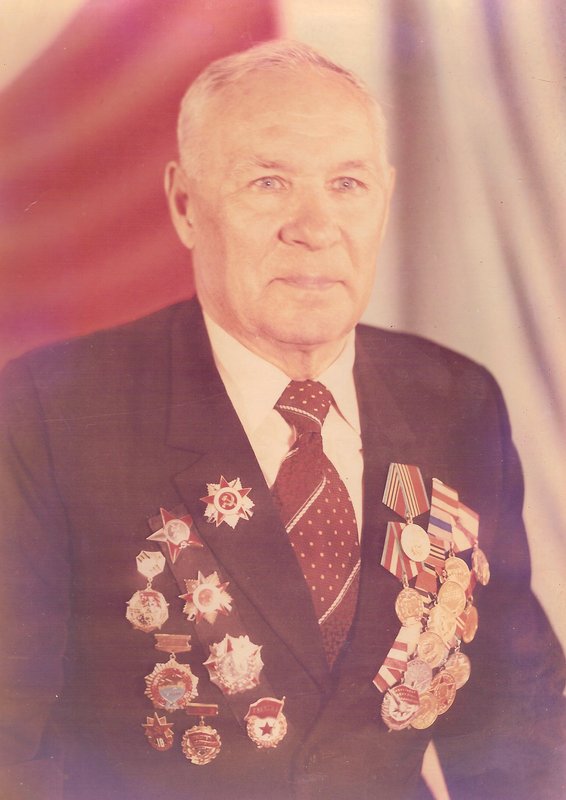
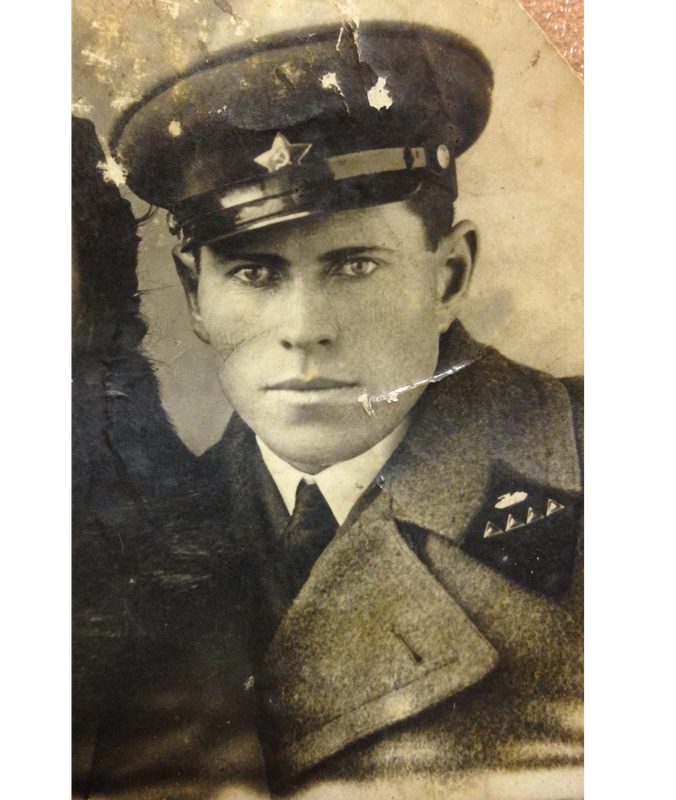
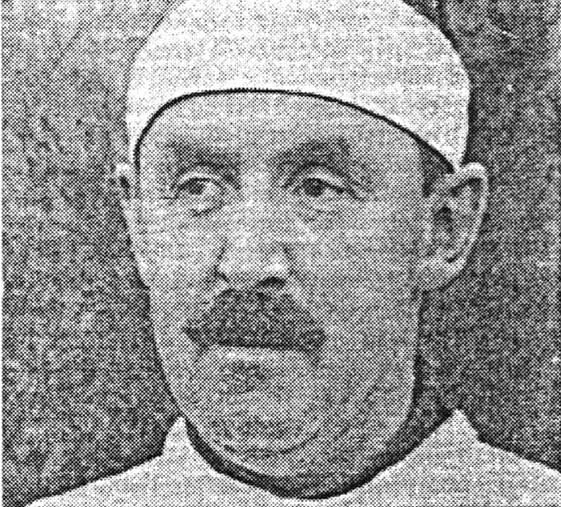
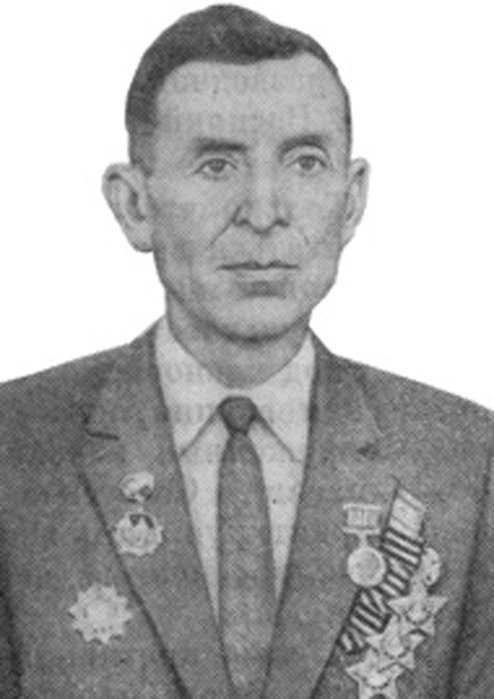
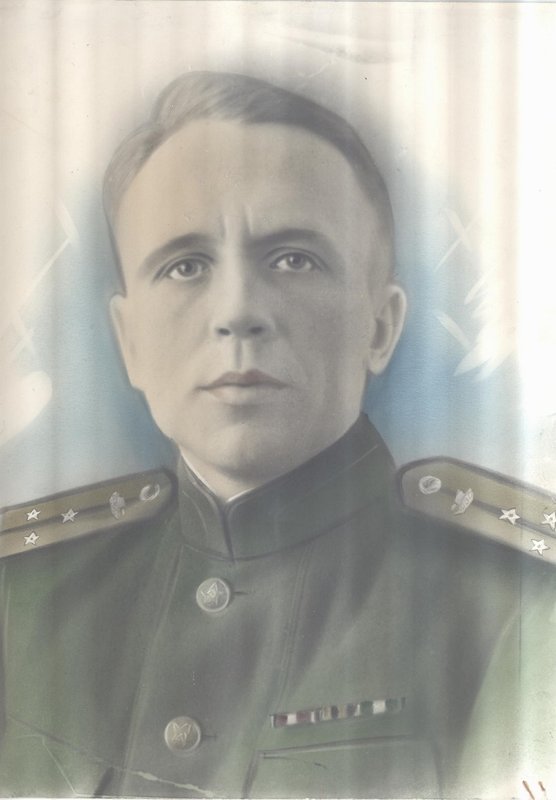
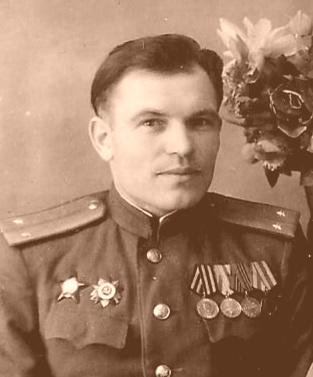
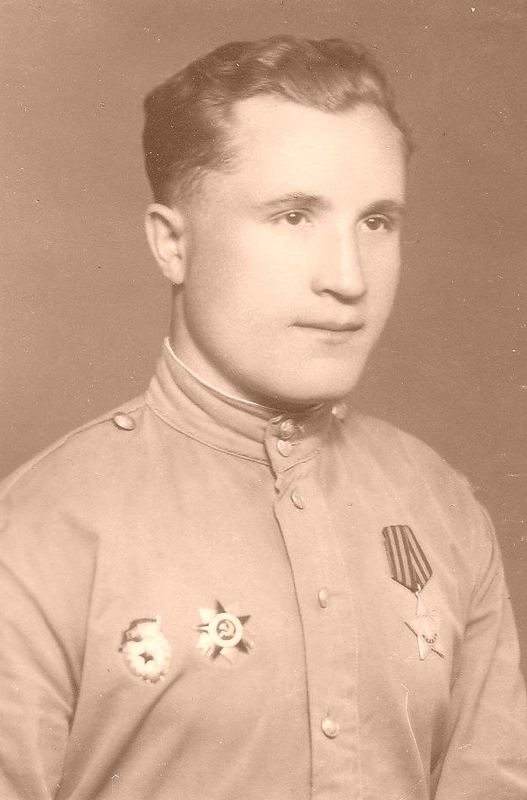
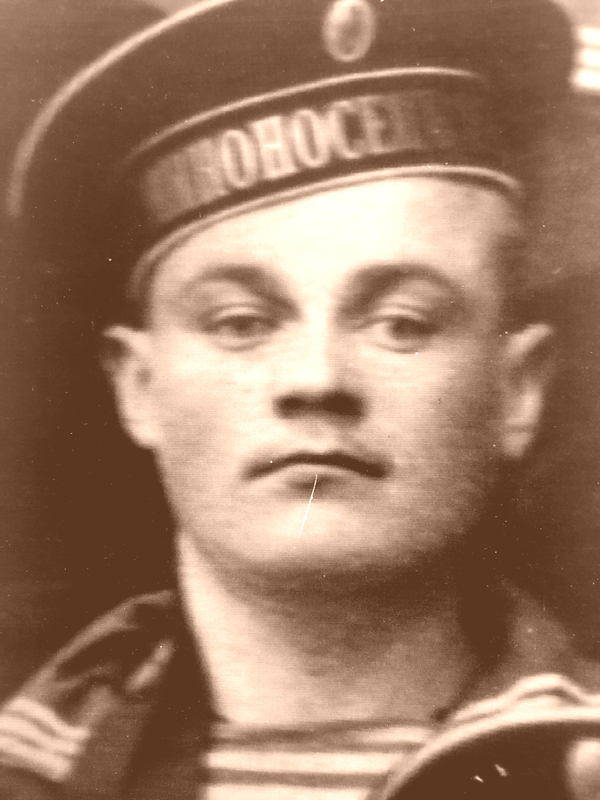
Turbin, Vladimir Ivanovich
Vladimir Ivanovich was born on February 20, 1905 in Oryol in a family of hereditary nobles and priests. He studied at the 1st Male Gymnasium. In 1923, he entered the Kharkov Medical Institute, after graduation he worked as a village doctor in Saltyki, Kromsky District, and then returned to Oryol, where he was admitted to the infectious diseases hospital. On June 22, 1941, Nazi Germany attacked the Soviet Union without declaring war. On October 3, 1941, the city of Oryol was occupied by the Germans. About 30 thousand inhabitants and thousands of wounded soldiers and officers remained in Oryol. The Germans occupied the best buildings in the city, including the military hospital at the corner of Komsomolskaya and Krasina streets. All the wounded were thrown into the street, legless, armless, and covered in bloody bandages. On the first day of the occupation, the Germans did not deal with documents, checks, or executions. It was night, the dreadful night of the third and fourth of October. The doctors, feldshers, and nurses of the hospital did not leave the wounded and sick. A mad and only correct decision was made to transfer them to the Infectious Diseases Department of the regional hospital, which was headed by Vladimir Ivanovich Turbin. On the morning of the next day, the entire courtyard was filled with moaning and dying Russian soldiers and officers. A German in uniform came and said to Turbin: “These are our prisoners of war. Tomorrow you must transport them to the pow collection point. If you don't do this, all the doctors will be shot in an hour.” The depot was the Central Prison, one of the eagle's most feared places. What would you do in the place of Vladimir Ivanovich Turbin, who had such a burden? Dr. Turbin became the first and main organizer of medical care for Soviet prisoners of war and civilians in occupied Oryol. In these harsh days, Vladimir Ivanovich not only performed a truly hard work of a doctor, but he did a lot to save as many of our soldiers as possible from German captivity. _x000D_
Doctors and nurses were rewriting and correcting medical records to fit the Department's profile, and the wounded were turned into the civilians. Communists, commanders, political workers, and Jews were recorded under false surnames, and their old medical records were destroyed. After a few days, all the medical records were in order, and the Germans treated the documents with respect. Everyone was assigned to wards, corridors, and utility rooms, and there was room for everyone. _x000D_
At the entrance to the Department hung a sign: Infektionabteilung (Infectious Disease Department). On the fence around the entire perimeter of the infectious town, “Typhus”, "Diphtheria", "Infection" were written in German. The Hitlerites were very much afraid of contagious diseases and shied away from the intimidating inscriptions. In fact, in the Infectious Diseases Department, under the very nose of the fascists, there was an underground hospital. This medical institution existed during the entire period of occupation under the name “Russian hospital”. The soldiers who were cured of their wounds were recorded as dead and transported back to the front line. The winter of 1941-1942 was very cold, severe frosts hit in November and lasted until spring. It was hungry and cold, and it was also necessary to avoid the spread of typhus and other infectious diseases in extremely crowded wards. The only infectious disease doctor V. I. Turbin did not leave the hospital for days at a time. By December, the typhoid fever had been overcome, and the work to rescue our prisoners of war continued. _x000D_
If the Gestapo found out that Turbin was hiding prisoners of war, Jews and those who were hiding them would be taken to the concentration camps in Germany, He and all the staff of the Russian hospital would be shot immediately. During the last month and a half before the liberation of the city, doctor Turbin did not leave his infectious "town". Tired, he stood on his feet for days, fulfilling not only the duties of a doctor, but also the duty of a Soviet citizen-patriot. Not counting civilians, the Russian hospital saved about a thousand soldiers and commanders of the Soviet Army. _x000D_
The work of doctors V. I. Turbin, S. P. Protopopov, V. A. Smirnov, B. N. Gusev, L. A. Tsvetkova and others was highly noted by the Chief Doctor of the Soviet Army, N. N. Burdenko: "... there was a true underground hospital here... This is a battle won!»
Turbin, Vladimir Ivanovich
Vladimir Ivanovich was born on February 20, 1905 in Oryol in a family of hereditary nobles and priests. He studied at the 1st Male Gymnasium. In 1923, he entered the Kharkov Medical Institute, after graduation he worked as a village doctor in Saltyki, Kromsky District, and then returned to Oryol, where he was admitted to the infectious diseases hospital. On June 22, 1941, Nazi Germany attacked the Soviet Union without declaring war. On October 3, 1941, the city of Oryol was occupied by the Germans. About 30 thousand inhabitants and thousands of wounded soldiers and officers remained in Oryol. The Germans occupied the best buildings in the city, including the military hospital at the corner of Komsomolskaya and Krasina streets. All the wounded were thrown into the street, legless, armless, and covered in bloody bandages. On the first day of the occupation, the Germans did not deal with documents, checks, or executions. It was night, the dreadful night of the third and fourth of October. The doctors, feldshers, and nurses of the hospital did not leave the wounded and sick. A mad and only correct decision was made to transfer them to the Infectious Diseases Department of the regional hospital, which was headed by Vladimir Ivanovich Turbin. On the morning of the next day, the entire courtyard was filled with moaning and dying Russian soldiers and officers. A German in uniform came and said to Turbin: “These are our prisoners of war. Tomorrow you must transport them to the pow collection point. If you don't do this, all the doctors will be shot in an hour.” The depot was the Central Prison, one of the eagle's most feared places. What would you do in the place of Vladimir Ivanovich Turbin, who had such a burden? Dr. Turbin became the first and main organizer of medical care for Soviet prisoners of war and civilians in occupied Oryol. In these harsh days, Vladimir Ivanovich not only performed a truly hard work of a doctor, but he did a lot to save as many of our soldiers as possible from German captivity. _x000D_
Doctors and nurses were rewriting and correcting medical records to fit the Department's profile, and the wounded were turned into the civilians. Communists, commanders, political workers, and Jews were recorded under false surnames, and their old medical records were destroyed. After a few days, all the medical records were in order, and the Germans treated the documents with respect. Everyone was assigned to wards, corridors, and utility rooms, and there was room for everyone. _x000D_
At the entrance to the Department hung a sign: Infektionabteilung (Infectious Disease Department). On the fence around the entire perimeter of the infectious town, “Typhus”, "Diphtheria", "Infection" were written in German. The Hitlerites were very much afraid of contagious diseases and shied away from the intimidating inscriptions. In fact, in the Infectious Diseases Department, under the very nose of the fascists, there was an underground hospital. This medical institution existed during the entire period of occupation under the name “Russian hospital”. The soldiers who were cured of their wounds were recorded as dead and transported back to the front line. The winter of 1941-1942 was very cold, severe frosts hit in November and lasted until spring. It was hungry and cold, and it was also necessary to avoid the spread of typhus and other infectious diseases in extremely crowded wards. The only infectious disease doctor V. I. Turbin did not leave the hospital for days at a time. By December, the typhoid fever had been overcome, and the work to rescue our prisoners of war continued. _x000D_
If the Gestapo found out that Turbin was hiding prisoners of war, Jews and those who were hiding them would be taken to the concentration camps in Germany, He and all the staff of the Russian hospital would be shot immediately. During the last month and a half before the liberation of the city, doctor Turbin did not leave his infectious "town". Tired, he stood on his feet for days, fulfilling not only the duties of a doctor, but also the duty of a Soviet citizen-patriot. Not counting civilians, the Russian hospital saved about a thousand soldiers and commanders of the Soviet Army. _x000D_
The work of doctors V. I. Turbin, S. P. Protopopov, V. A. Smirnov, B. N. Gusev, L. A. Tsvetkova and others was highly noted by the Chief Doctor of the Soviet Army, N. N. Burdenko: "... there was a true underground hospital here... This is a battle won!»
0 comment




2026 © Russian Military Historical Society Developed by Jetmix