Back to
album
album
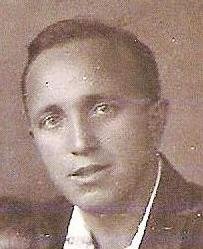
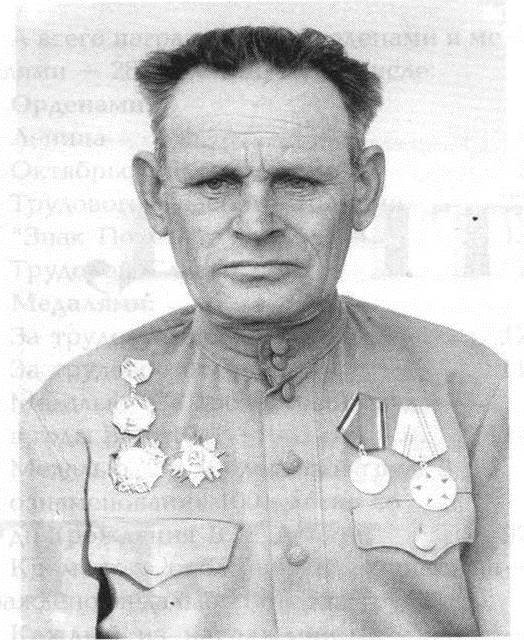
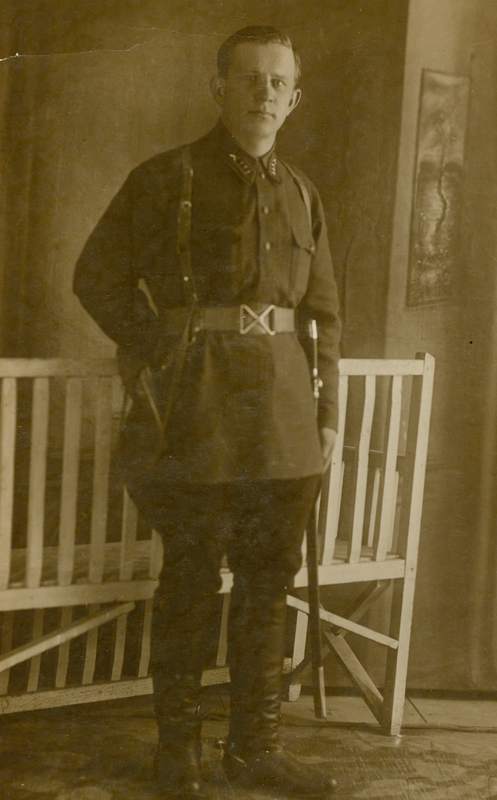
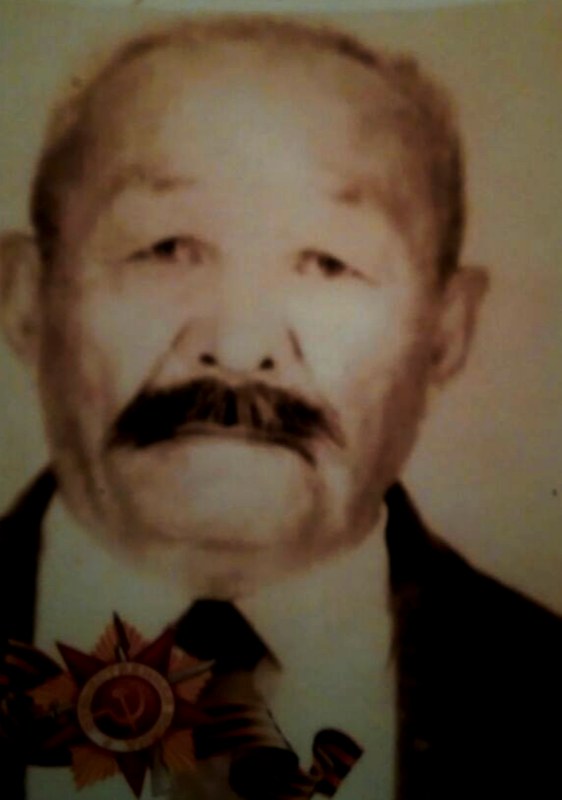
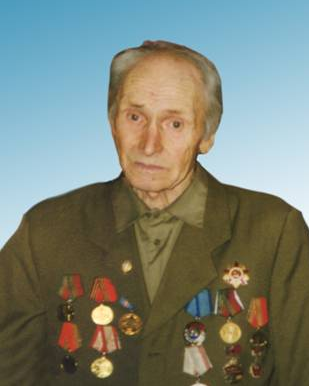
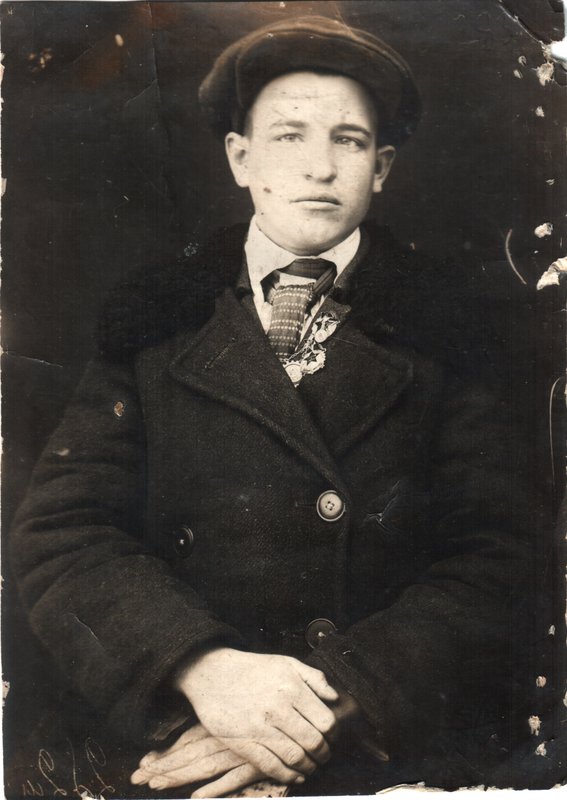


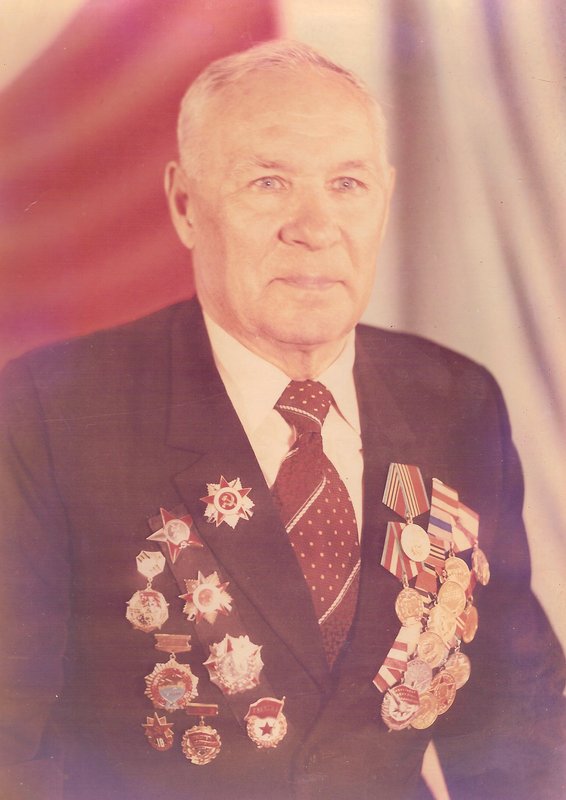
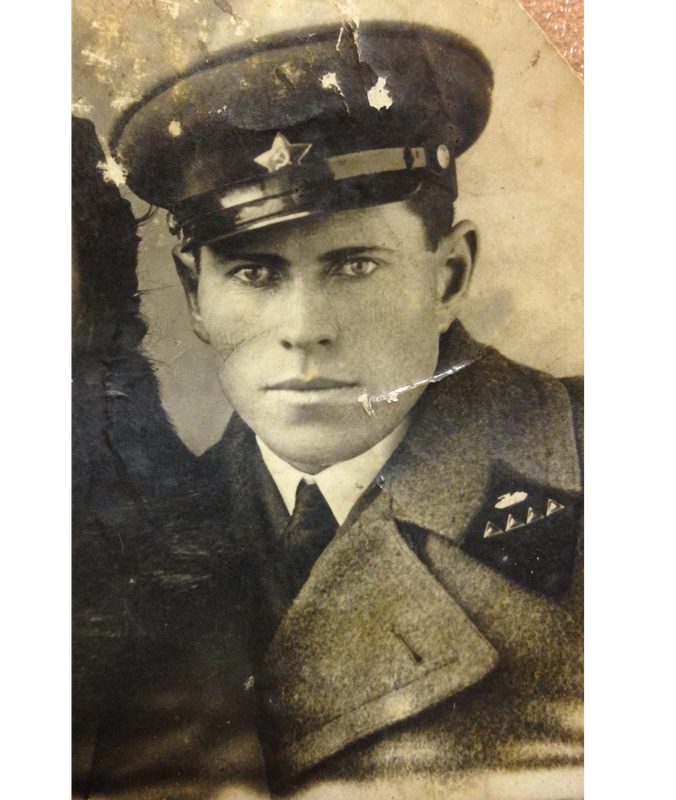
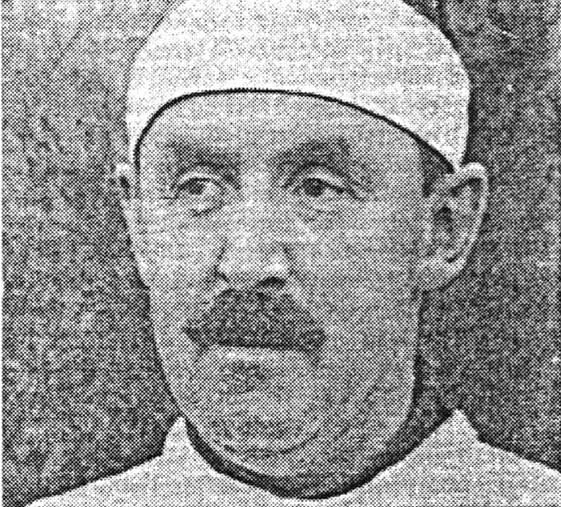
Tanygin Taras Vasilyevich
Tanygin Taras Vasilyevich_x000D_
_x000D_
Title: Red Army Soldier_x000D_
Military Unit: 308th Latvian Red Banner Rifle Division _x000D_
_x000D_
Personal story of the Red Army Private Taras Tanygin:_x000D_
“I was drafted into the Red Army in 1940 from the village of Yakay-Sola Mari SSR. I started my service in Liepaja, in the marine corps, as a telephone operator. The barracks of our unit were located in the town of Tosmare. Early in the morning of June 22, 1941, we were alerted. Explosions and gunfire could be heard all around. Our department was located at the ancient Peter's fortifications of Grobinya. _x000D_
Especially, I remember my first combat. We went on the attack. I run with a rifle in my hands, completely disconnected with reality, scared, acting intuitively, and shooting on a run. Gradually I got used to the combat, and all my actions became conscious. For several days we fought off German attacks one after another. I held the shells up to the gun. Half of our crew was destroyed by the Nazis, and fire was getting more intense. A shell exploded near us, and the rest of our gun crew was killed. Suddenly I felt a sharp pain in my leg and lost consciousness. When I woke up, I saw my entire leg covered in blood. But my guarding angel had saved me for the first time. After 3 hours, I was picked up by paramedics and dragged to the rear on a raincoat tent. So I ended up at the Tosmare hospital. _x000D_
The Germans were advancing, and the evacuation of the wounded began. We were loaded into trucks and taken to the port, brought to the pier. Loading has begun. Soon the ship was fully loaded. Several more people were loaded in front of me, and I was left behind, the ship had moved away from the dock. I looked at the departing ship with sadness, wishing they had brought me on board. Suddenly German planes flew in. One of the bombs hit the ship, there was an explosion, and before my eyes she began to sink under the water. There were screams of people and explosions. And then I realized that fate had given me another chance at life. So my angel saved me a second time. _x000D_
We were taken back to the hospital. Suddenly, planes flew in. Explosions and machine-gun fire rang out all around. With difficulty, I climbed down from the truck and began to crawl into the woods. Looking back, I saw our truck hit by a bomb, and it was blown up, along with the remaining people in it. In the woods I crawled up to a Latvian farmstead. I asked the owner to help me and bind me up. He refused. I went back to the road, where the survivors were picked up by soldiers and brought back to the hospital. _x000D_
In the morning, when I woke up, I heard a German speech. A German officer with three soldiers was walking around the ward. When he came to me, he pulled the blanket off his head and asked:_x000D_
“Are you a Jude? - No, I'm a Marian.»_x000D_
Shaking his head, he went to the next room. In the evening, our doctors, who treated us under the supervision of the Germans, made bandages for all of us. _x000D_
Three months later, we were loaded into train and taken to a Nazi concentration camp. For 4 years I was in many camps in Poland and Germany. It was very difficult. But my angel saved me a third time. In 1945, I found myself in a transfer camp - Stalag 326 VI-A in Hemer (North Rhine-Westphalia). _x000D_
We, prisoners of war, about 1,000 men were sent to the coal mines and factories of the Ruhr. After sanitary treatment, all were placed in 4th camp block. In the morning, we were drawn up under convoy. Through an interpreter, the officers began to ask who had what specialties. We, the 10 tailors, were moved to 3rd camp block. We started repairing old gym shirts, overcoats and other clothing. In heads of the shop were two Germans, an officer, Paul Schulze, and a civilian, Genig Willis. _x000D_
To remember, especially bitter was to meet the former marines from Sevastopol. Crippled and in their striped sailor vests, they pounded the ground with their fists, cursing and crying: "We should have had some shells! We would have destroyed the bastards! Now we are being bullied!" _x000D_
The food was very poor, and we got what food we could from a warehouse where French, Belgian, and Polish prisoners were working. All of them received packages from the Swiss Red Cross every month but us. The guys helped us a lot and saved us from starvation. _x000D_
There were also good people among the Germans. Our officer, Paul Schulze, helped us in spite of everything. When control officers would be coming, he would alert us shouting "Achtung". When we heard this, we kept working harder. _x000D_
In the last months of the war, captured British and American pilots, most of them were black, were placed in the camp. I saw black people for the first time in my life. They were kept separate from the Russians. On April 12, 1945, at 14 o'clock, an American tank drove into our concentration camp, breaking the barbed wire. He stopped in the middle of the camp, the hatch opened, and American tankers appeared, black as coal. They started handing out cigarettes and food. Then regular American troops entered the camp on motorcycles and arrested all the camp guards, officers and the camp commander. Our Paul Schulze was also taken prisoner. _x000D_
The next day, the roles reversed, the Germans came out with shovels and brooms and began to clean up the camp. Our former prisoners began beating and scolding them. When they approached our officer Paul Schulze to take off his clothes, we fought him off from our comrades, and did not let him be offended. I told them: "Don't touch him, he's a good honest man, he saved us from starvation and death." Then he was released. We began to offer Paul cigarettes and canned food. He stood among us and wept. The other German officers looked at him and thought: "Look how strange these Russian people are, after all the torment we have brought them, they still feel sorry for us." So my angel saved me a fourth time, not letting me die in captivity. _x000D_
I continued my service, and then I started working in military unit No. 12244, item 30669. When I arrived in Berlin, I signed my name on the Reichstag. In 1946, in the city of Frankfurt on the Oder, on Christmas day, I met Tamara Andreevna Akinina, who was interned in Germany from Stary Oskol in 1942. We went to Berlin, where the Soviet Consulate registered our marriage. And we started a family. In March 1946, we were transferred to work in the city of Brambach. In the sanatorium Brambach treated and rested the highest command staff of the Soviet Army. Tamara was acquainted with Marshal Rokossovsky, generals Kuznetsov and Vasilevsky, whose wife befriended her, and constantly gave her various gifts. On April 12, 1947, our son Vladimir was born. In 1949, we returned to our Homeland, first living in the village of Koktash (Sinekamenka) in the Crimea, then in the village of Azamat (Malinovka), where we worked at the Malinovskaya hospital, which was located in the former estate of count V. Kakhovsky, Governor of the Tauride province. In 1950, in the former Catherine Palace-2, in the city of Belogorsk, our son Anatoly was born, then our sons Leonid, Viktor and Yuri. In 1953, we went to the village of Yakay-Sola in the Mari SSR to visit my sister Katerina. I worked as a tailor in Ronga and went to work on skis. In 1956, we returned to the Crimea, where we continued to work at the Malinovskaya hospital. Interestingly, my son Vladimir, when he was 7 years old, mentioned once that Crimea will be part of Ukraine for exactly 60 years, then it will join Russia again.»
Tanygin Taras Vasilyevich
Tanygin Taras Vasilyevich_x000D_
_x000D_
Title: Red Army Soldier_x000D_
Military Unit: 308th Latvian Red Banner Rifle Division _x000D_
_x000D_
Personal story of the Red Army Private Taras Tanygin:_x000D_
“I was drafted into the Red Army in 1940 from the village of Yakay-Sola Mari SSR. I started my service in Liepaja, in the marine corps, as a telephone operator. The barracks of our unit were located in the town of Tosmare. Early in the morning of June 22, 1941, we were alerted. Explosions and gunfire could be heard all around. Our department was located at the ancient Peter's fortifications of Grobinya. _x000D_
Especially, I remember my first combat. We went on the attack. I run with a rifle in my hands, completely disconnected with reality, scared, acting intuitively, and shooting on a run. Gradually I got used to the combat, and all my actions became conscious. For several days we fought off German attacks one after another. I held the shells up to the gun. Half of our crew was destroyed by the Nazis, and fire was getting more intense. A shell exploded near us, and the rest of our gun crew was killed. Suddenly I felt a sharp pain in my leg and lost consciousness. When I woke up, I saw my entire leg covered in blood. But my guarding angel had saved me for the first time. After 3 hours, I was picked up by paramedics and dragged to the rear on a raincoat tent. So I ended up at the Tosmare hospital. _x000D_
The Germans were advancing, and the evacuation of the wounded began. We were loaded into trucks and taken to the port, brought to the pier. Loading has begun. Soon the ship was fully loaded. Several more people were loaded in front of me, and I was left behind, the ship had moved away from the dock. I looked at the departing ship with sadness, wishing they had brought me on board. Suddenly German planes flew in. One of the bombs hit the ship, there was an explosion, and before my eyes she began to sink under the water. There were screams of people and explosions. And then I realized that fate had given me another chance at life. So my angel saved me a second time. _x000D_
We were taken back to the hospital. Suddenly, planes flew in. Explosions and machine-gun fire rang out all around. With difficulty, I climbed down from the truck and began to crawl into the woods. Looking back, I saw our truck hit by a bomb, and it was blown up, along with the remaining people in it. In the woods I crawled up to a Latvian farmstead. I asked the owner to help me and bind me up. He refused. I went back to the road, where the survivors were picked up by soldiers and brought back to the hospital. _x000D_
In the morning, when I woke up, I heard a German speech. A German officer with three soldiers was walking around the ward. When he came to me, he pulled the blanket off his head and asked:_x000D_
“Are you a Jude? - No, I'm a Marian.»_x000D_
Shaking his head, he went to the next room. In the evening, our doctors, who treated us under the supervision of the Germans, made bandages for all of us. _x000D_
Three months later, we were loaded into train and taken to a Nazi concentration camp. For 4 years I was in many camps in Poland and Germany. It was very difficult. But my angel saved me a third time. In 1945, I found myself in a transfer camp - Stalag 326 VI-A in Hemer (North Rhine-Westphalia). _x000D_
We, prisoners of war, about 1,000 men were sent to the coal mines and factories of the Ruhr. After sanitary treatment, all were placed in 4th camp block. In the morning, we were drawn up under convoy. Through an interpreter, the officers began to ask who had what specialties. We, the 10 tailors, were moved to 3rd camp block. We started repairing old gym shirts, overcoats and other clothing. In heads of the shop were two Germans, an officer, Paul Schulze, and a civilian, Genig Willis. _x000D_
To remember, especially bitter was to meet the former marines from Sevastopol. Crippled and in their striped sailor vests, they pounded the ground with their fists, cursing and crying: "We should have had some shells! We would have destroyed the bastards! Now we are being bullied!" _x000D_
The food was very poor, and we got what food we could from a warehouse where French, Belgian, and Polish prisoners were working. All of them received packages from the Swiss Red Cross every month but us. The guys helped us a lot and saved us from starvation. _x000D_
There were also good people among the Germans. Our officer, Paul Schulze, helped us in spite of everything. When control officers would be coming, he would alert us shouting "Achtung". When we heard this, we kept working harder. _x000D_
In the last months of the war, captured British and American pilots, most of them were black, were placed in the camp. I saw black people for the first time in my life. They were kept separate from the Russians. On April 12, 1945, at 14 o'clock, an American tank drove into our concentration camp, breaking the barbed wire. He stopped in the middle of the camp, the hatch opened, and American tankers appeared, black as coal. They started handing out cigarettes and food. Then regular American troops entered the camp on motorcycles and arrested all the camp guards, officers and the camp commander. Our Paul Schulze was also taken prisoner. _x000D_
The next day, the roles reversed, the Germans came out with shovels and brooms and began to clean up the camp. Our former prisoners began beating and scolding them. When they approached our officer Paul Schulze to take off his clothes, we fought him off from our comrades, and did not let him be offended. I told them: "Don't touch him, he's a good honest man, he saved us from starvation and death." Then he was released. We began to offer Paul cigarettes and canned food. He stood among us and wept. The other German officers looked at him and thought: "Look how strange these Russian people are, after all the torment we have brought them, they still feel sorry for us." So my angel saved me a fourth time, not letting me die in captivity. _x000D_
I continued my service, and then I started working in military unit No. 12244, item 30669. When I arrived in Berlin, I signed my name on the Reichstag. In 1946, in the city of Frankfurt on the Oder, on Christmas day, I met Tamara Andreevna Akinina, who was interned in Germany from Stary Oskol in 1942. We went to Berlin, where the Soviet Consulate registered our marriage. And we started a family. In March 1946, we were transferred to work in the city of Brambach. In the sanatorium Brambach treated and rested the highest command staff of the Soviet Army. Tamara was acquainted with Marshal Rokossovsky, generals Kuznetsov and Vasilevsky, whose wife befriended her, and constantly gave her various gifts. On April 12, 1947, our son Vladimir was born. In 1949, we returned to our Homeland, first living in the village of Koktash (Sinekamenka) in the Crimea, then in the village of Azamat (Malinovka), where we worked at the Malinovskaya hospital, which was located in the former estate of count V. Kakhovsky, Governor of the Tauride province. In 1950, in the former Catherine Palace-2, in the city of Belogorsk, our son Anatoly was born, then our sons Leonid, Viktor and Yuri. In 1953, we went to the village of Yakay-Sola in the Mari SSR to visit my sister Katerina. I worked as a tailor in Ronga and went to work on skis. In 1956, we returned to the Crimea, where we continued to work at the Malinovskaya hospital. Interestingly, my son Vladimir, when he was 7 years old, mentioned once that Crimea will be part of Ukraine for exactly 60 years, then it will join Russia again.»
0 comment



2026 © Russian Military Historical Society Developed by Jetmix