Back to
album
album
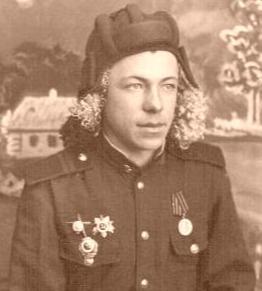
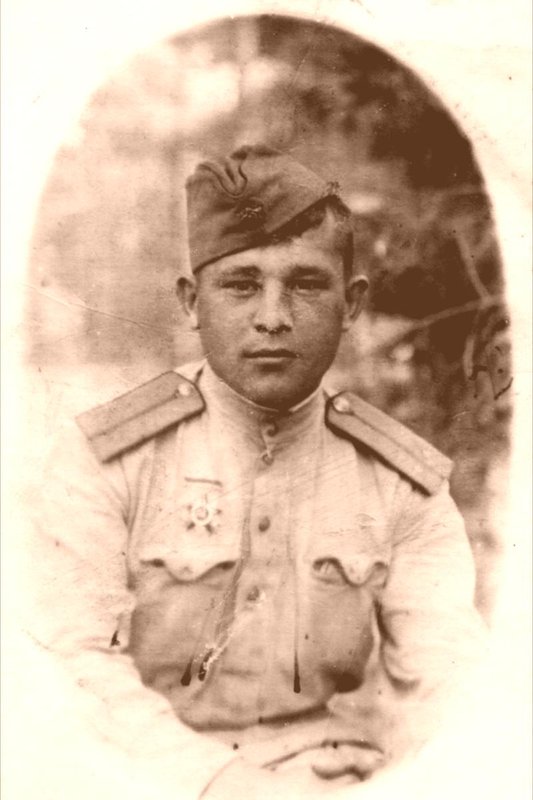
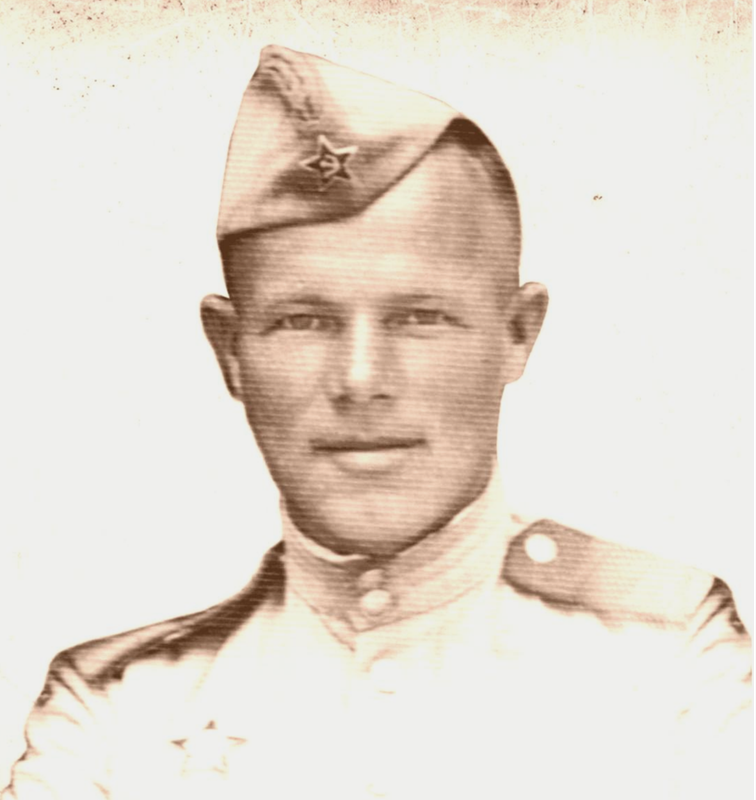
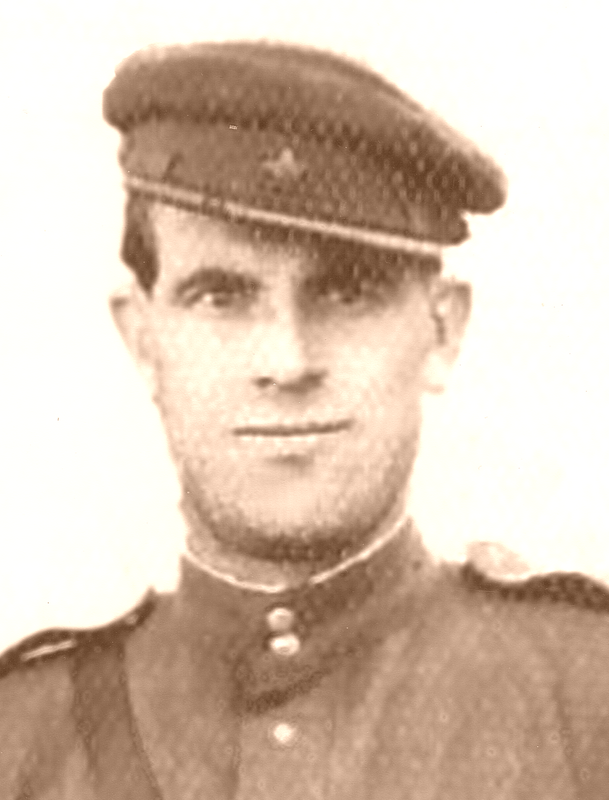
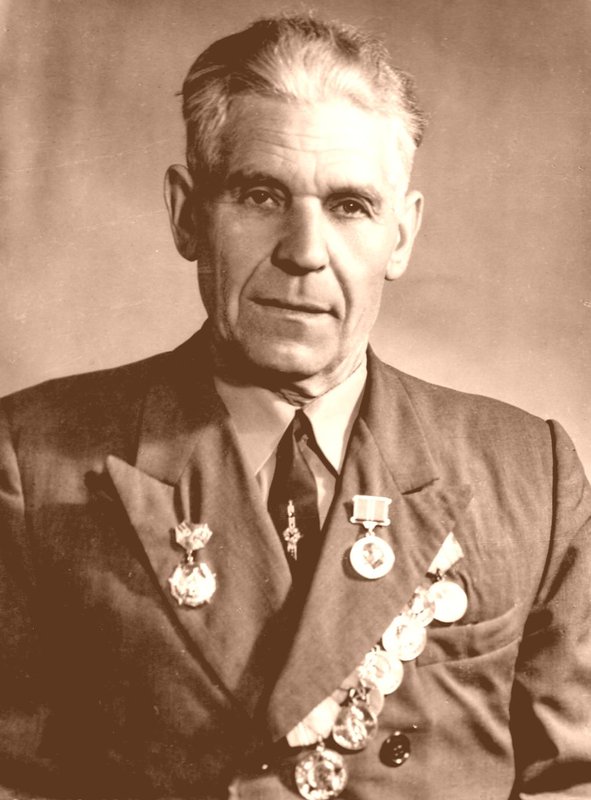
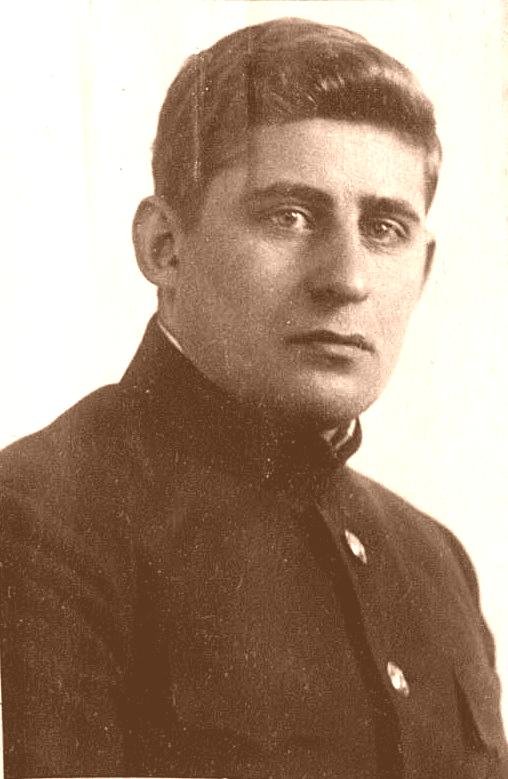
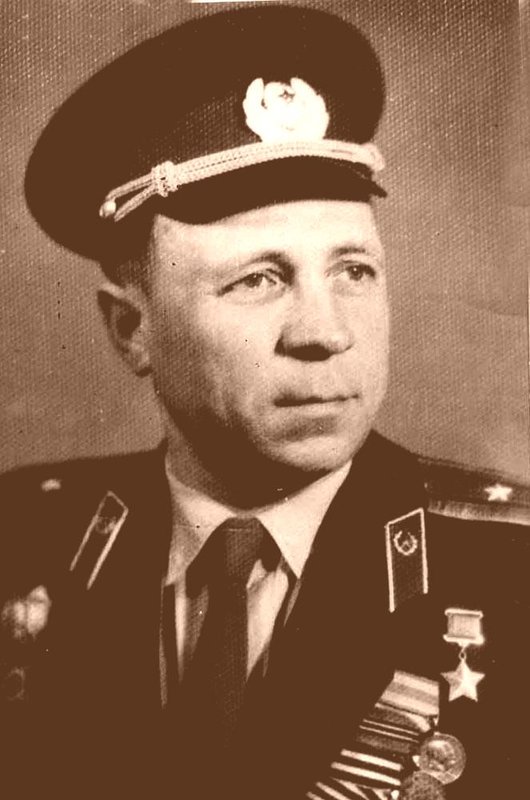
Fuat Galeevich Murzagulov
Fuat Galeevich Murzagulov_x000D_
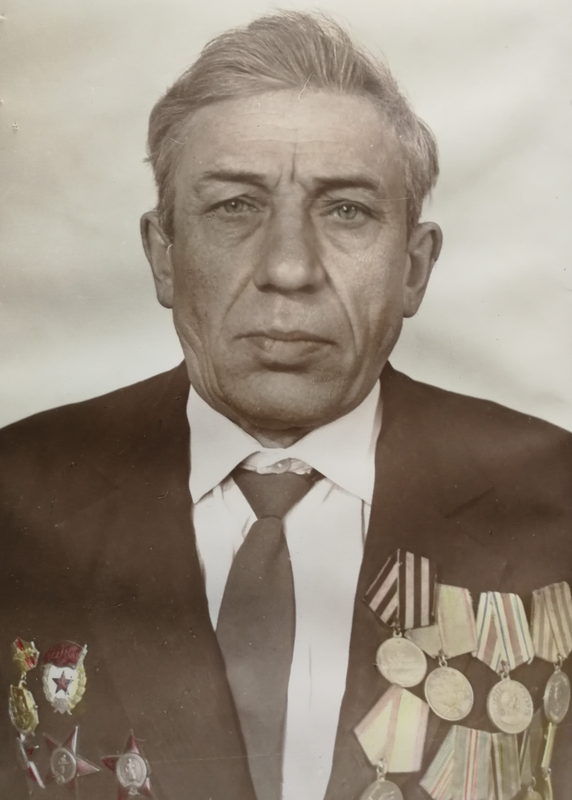
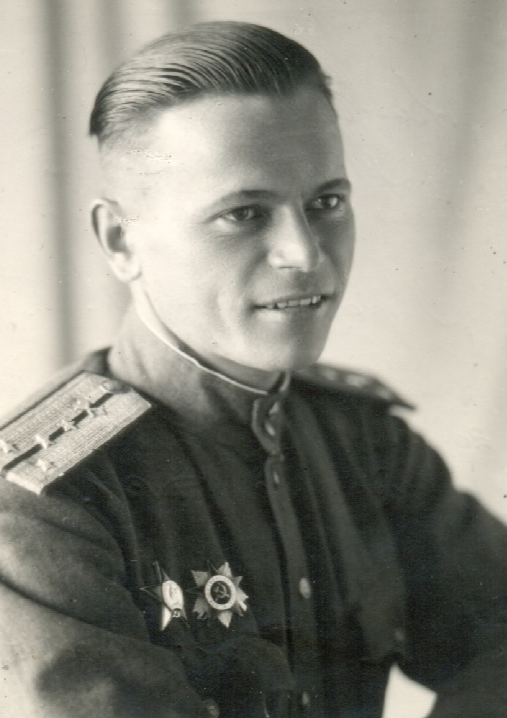
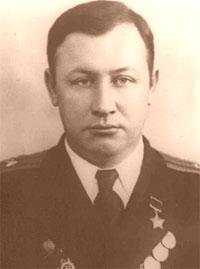
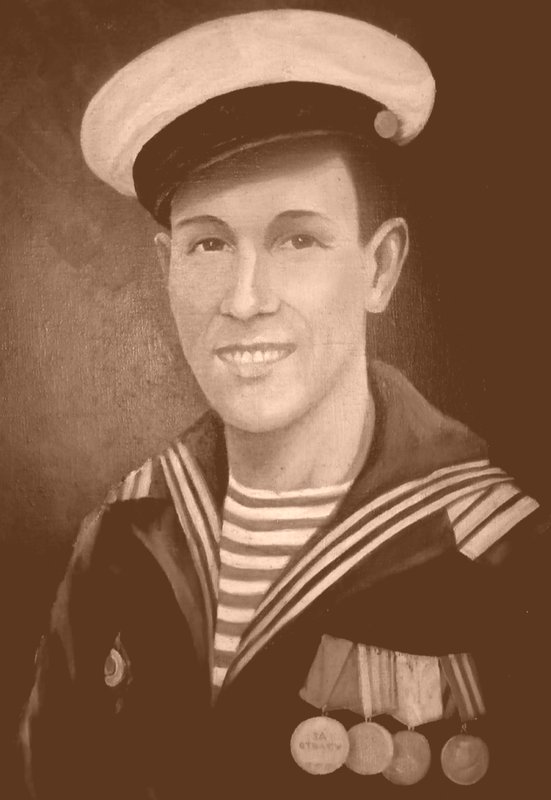
Fuat Murzagulov was born on February 22, 1922. Before the war, he studied at the Sterlitamak Oil technical school, but in September 1941, as a 19-year-old boy, he went to the war. On November 20, 1941 he was sent to the Western front, in the area of Volokolamsk-Mozhaisk, near Moscow, where he fought against the Germans in a reconnaissance company. In particular, he went on a reconnaissance mission to find out the enemy's firing points. _x000D_
Here is how he recalls war days in his notes: _x000D_
"I arrived at the front when the Germans were attacking Moscow, there were retreats, and then offensives. That's when I saw with my own eyes all the horrors of war. I could not even imagine how a person can abuse someone so much, when I saw soldiers doused in gasoline and burned alive, stabbed with bayonets through the chest into the ground, burned villages, people swinging on gibbets. That's when I and all the others understood: whoever was a German, he was a fascist._x000D_
" On January 04, 1942, he was wounded for the first time in a recon mission near the city of Ruza. After recovery, he was sent to the Southwestern front as the commander of a pontoon platoon. With his platoon in the first company, which was commanded by his front-line comrade and friend, Milekhin Alexander Grigoryevich, went through the war to the end. _x000D_
In one of the letters Alexander Grigoryevich recalled: "We gathered quite different people, we had different characters, different views, different educations and even different nationalities. We had a Bashkir, a Kazakh, and a Russian, and for all that diversity, we lived very well. No one interfered with each other, there were no arguments, no quarrels. We respected each other, respected the human dignity in each and did not laugh at the shortcomings." _x000D_
He participated in the crossing of the Dnieper, Dniester, Vistula, Buk, Desna, Neman, Oder rivers…There were large and small water barriers. They built bridges on stilts, built underwater and surface ferry crossings across rivers, mined and de-mined roads and structures. In 1944, when crossing the Desna river in Moldova, he was awarded the "order of the Patriotic War of the 2nd degree", and for his participation in crossing the Neman river near the city of Jurburg, in Lithuania, he was awarded the medal "For Courage". He also has awards "for the Defense of Moscow" and "For Capture of Koningsberg". _x000D_
For the capture of Gdansk in Poland he was awarded the Polish medal "For the Oder, Nyssa and Baltic", where he received a second bullet wound on March 31, 1945. During the war, he traveled from the shores of the Black sea to the Baltic sea, from Moscow to Berlin. He liberated not only the Russian Land, but also Moldavia, Ukraine, Lithuania, Poland and Germany. _x000D_
After the war, he graduated from the Ishimbai Oil technical school and worked for 40 years as a foreman in the Assembly shop. For his labor achievements, he was repeatedly awarded honorary diplomas and badges. He married at 35 years old, quite late by old tradition, on Akhmetshina Venus Biktimirovna. They lived happily married for almost 40 years and raised five children.
Fuat Galeevich Murzagulov
Fuat Galeevich Murzagulov_x000D_
Fuat Murzagulov was born on February 22, 1922. Before the war, he studied at the Sterlitamak Oil technical school, but in September 1941, as a 19-year-old boy, he went to the war. On November 20, 1941 he was sent to the Western front, in the area of Volokolamsk-Mozhaisk, near Moscow, where he fought against the Germans in a reconnaissance company. In particular, he went on a reconnaissance mission to find out the enemy's firing points. _x000D_
Here is how he recalls war days in his notes: _x000D_
"I arrived at the front when the Germans were attacking Moscow, there were retreats, and then offensives. That's when I saw with my own eyes all the horrors of war. I could not even imagine how a person can abuse someone so much, when I saw soldiers doused in gasoline and burned alive, stabbed with bayonets through the chest into the ground, burned villages, people swinging on gibbets. That's when I and all the others understood: whoever was a German, he was a fascist._x000D_
" On January 04, 1942, he was wounded for the first time in a recon mission near the city of Ruza. After recovery, he was sent to the Southwestern front as the commander of a pontoon platoon. With his platoon in the first company, which was commanded by his front-line comrade and friend, Milekhin Alexander Grigoryevich, went through the war to the end. _x000D_
In one of the letters Alexander Grigoryevich recalled: "We gathered quite different people, we had different characters, different views, different educations and even different nationalities. We had a Bashkir, a Kazakh, and a Russian, and for all that diversity, we lived very well. No one interfered with each other, there were no arguments, no quarrels. We respected each other, respected the human dignity in each and did not laugh at the shortcomings." _x000D_
He participated in the crossing of the Dnieper, Dniester, Vistula, Buk, Desna, Neman, Oder rivers…There were large and small water barriers. They built bridges on stilts, built underwater and surface ferry crossings across rivers, mined and de-mined roads and structures. In 1944, when crossing the Desna river in Moldova, he was awarded the "order of the Patriotic War of the 2nd degree", and for his participation in crossing the Neman river near the city of Jurburg, in Lithuania, he was awarded the medal "For Courage". He also has awards "for the Defense of Moscow" and "For Capture of Koningsberg". _x000D_
For the capture of Gdansk in Poland he was awarded the Polish medal "For the Oder, Nyssa and Baltic", where he received a second bullet wound on March 31, 1945. During the war, he traveled from the shores of the Black sea to the Baltic sea, from Moscow to Berlin. He liberated not only the Russian Land, but also Moldavia, Ukraine, Lithuania, Poland and Germany. _x000D_
After the war, he graduated from the Ishimbai Oil technical school and worked for 40 years as a foreman in the Assembly shop. For his labor achievements, he was repeatedly awarded honorary diplomas and badges. He married at 35 years old, quite late by old tradition, on Akhmetshina Venus Biktimirovna. They lived happily married for almost 40 years and raised five children.
0 comment



2026 © Russian Military Historical Society Developed by Jetmix