Back to
album
album

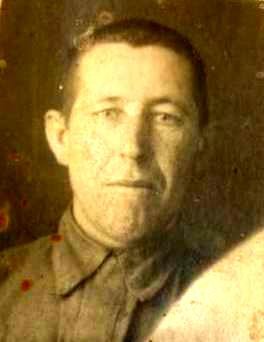

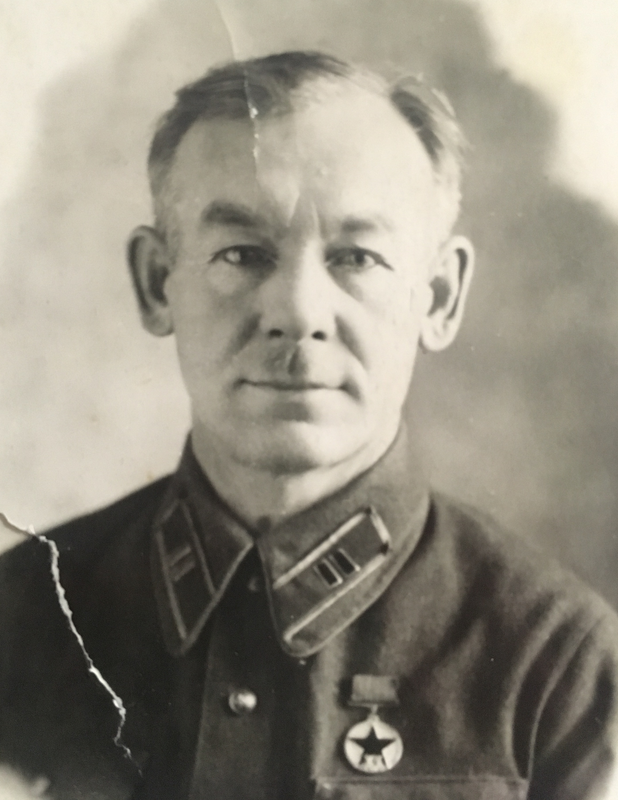

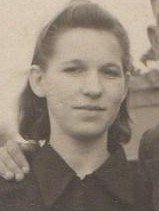
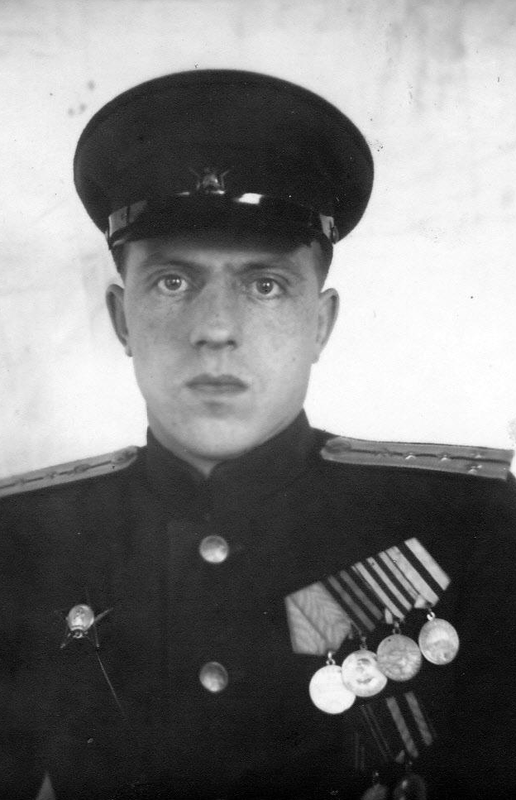
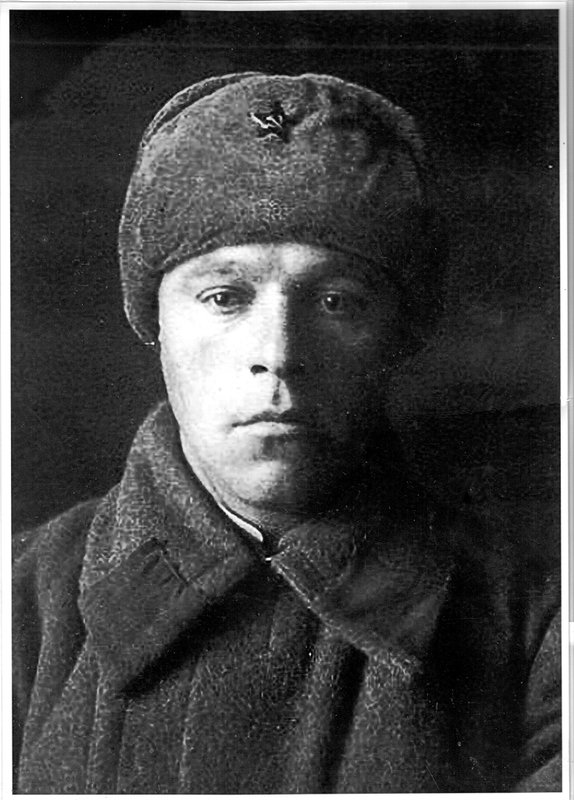


Dendymarchenko (Shcherbina) Nadezhda Lukinichna
Dendymarchenko (Shcherbina) Nadezhda Lukinichna_x000D_
_x000D_
Dendymarchenko (Shcherbina) Nadezhda Lukinichna was born in 1929. Member of the labor front during the great Patriotic War of 1941-45. the City of Gorlovka, Donetsk region was occupied by Nazi troops on November 2, 1941. During the occupation by German troops, the Gorlovka mines were flooded by retreating Soviet troops, and the equipment of the Kirov machine-building plant was evacuated to the Urals. On the territory of Gorlovka were located Romanian, Hungarian, Italian and German units. The war was a serious test of women's strength. Ahead were almost two years of occupation, bullying, executions and deportations to Germany, and hopes for an early release from Nazi captivity. The city was liberated on September 4, 1943 by the troops of the southern front during the Donbass operation. It is from this period that Nadezhda Lukinichna's career begins, at the age of 14. People of the older generation were destined to start their work early, survive the war years, give their Country a lot of strength and health, raising the country's economy during the Soviet period. It is the fragile female shoulders and arms that are most directly related to this time. There are many pitfalls in this story. You can nod at international laws (women in underground work-it's impossible!), and the Soviet habit of sticking something out and instantly forget when everything goes as if on a rolling track. In practice, we are dealing with the oblivion of our past. The history of the land of waste without recreating the memory of the selfless and heroic feat of miners in the 40s and 50s of the last century will be incomplete and not true. But the monument to those girls from many regions of Ukraine, Russia and Belarus, who worked for 10-12 hours, did not eat, did not get enough sleep, and even raised children and looked after the elderly, the authorities — both under the omnipotence of the Communist system, and during the years of independence of Ukraine — were not vouchsafed to install. But they, these fragile girls, pumped out water, passed manually(!) hundreds of meters of excavation, put out the lava, he worked in the underground mine transport. And they brought their families 1 kg 200 g of bread a day, which saved their relatives and friends from starvation. For reference, workers and employees "on the surface" received only 400-500 grams of bread. Women wielded very ancient equipment: pillows, reclining, on their sides. Try to wave this weighty Balda. Butchery laid rock gob. They shoveled, again lying down, one norm, and this is six tons! The breed should lie tight, so that the matchbox does not fit. How did these fragile girls fulfill two, three, or even ten male norms? And there were no new mechanized complexes in the lava, they will appear much later… From 1943 to 1947, up to 80% of women worked in underground work in the mines of Donbass (this data is the fruit of the hard work of Vladimir Seleznev, a journalist of the Rabochaya Gazeta, who shoveled through the files of the Socialist Donbass newspaper of that time). Women were finally removed from underground work in 1966. According to careful calculations by Vladimir Seleznev and ex-Minister of the Ministry of coal industry of Ukraine Nikolay Surgay, from 200 to 250 thousand women worked in underground works in the war and post-war years, respectively. The feat of women and girls, because at that time many were 14 years old, began to be forgotten (they did not talk about it much, except in the first, still war years), only small notes were occasionally published in the local press. Our heartfelt gratitude and deep respect to all veterans of the great Patriotic war and participants of the labor front!
Dendymarchenko (Shcherbina) Nadezhda Lukinichna
Dendymarchenko (Shcherbina) Nadezhda Lukinichna_x000D_
_x000D_
Dendymarchenko (Shcherbina) Nadezhda Lukinichna was born in 1929. Member of the labor front during the great Patriotic War of 1941-45. the City of Gorlovka, Donetsk region was occupied by Nazi troops on November 2, 1941. During the occupation by German troops, the Gorlovka mines were flooded by retreating Soviet troops, and the equipment of the Kirov machine-building plant was evacuated to the Urals. On the territory of Gorlovka were located Romanian, Hungarian, Italian and German units. The war was a serious test of women's strength. Ahead were almost two years of occupation, bullying, executions and deportations to Germany, and hopes for an early release from Nazi captivity. The city was liberated on September 4, 1943 by the troops of the southern front during the Donbass operation. It is from this period that Nadezhda Lukinichna's career begins, at the age of 14. People of the older generation were destined to start their work early, survive the war years, give their Country a lot of strength and health, raising the country's economy during the Soviet period. It is the fragile female shoulders and arms that are most directly related to this time. There are many pitfalls in this story. You can nod at international laws (women in underground work-it's impossible!), and the Soviet habit of sticking something out and instantly forget when everything goes as if on a rolling track. In practice, we are dealing with the oblivion of our past. The history of the land of waste without recreating the memory of the selfless and heroic feat of miners in the 40s and 50s of the last century will be incomplete and not true. But the monument to those girls from many regions of Ukraine, Russia and Belarus, who worked for 10-12 hours, did not eat, did not get enough sleep, and even raised children and looked after the elderly, the authorities — both under the omnipotence of the Communist system, and during the years of independence of Ukraine — were not vouchsafed to install. But they, these fragile girls, pumped out water, passed manually(!) hundreds of meters of excavation, put out the lava, he worked in the underground mine transport. And they brought their families 1 kg 200 g of bread a day, which saved their relatives and friends from starvation. For reference, workers and employees "on the surface" received only 400-500 grams of bread. Women wielded very ancient equipment: pillows, reclining, on their sides. Try to wave this weighty Balda. Butchery laid rock gob. They shoveled, again lying down, one norm, and this is six tons! The breed should lie tight, so that the matchbox does not fit. How did these fragile girls fulfill two, three, or even ten male norms? And there were no new mechanized complexes in the lava, they will appear much later… From 1943 to 1947, up to 80% of women worked in underground work in the mines of Donbass (this data is the fruit of the hard work of Vladimir Seleznev, a journalist of the Rabochaya Gazeta, who shoveled through the files of the Socialist Donbass newspaper of that time). Women were finally removed from underground work in 1966. According to careful calculations by Vladimir Seleznev and ex-Minister of the Ministry of coal industry of Ukraine Nikolay Surgay, from 200 to 250 thousand women worked in underground works in the war and post-war years, respectively. The feat of women and girls, because at that time many were 14 years old, began to be forgotten (they did not talk about it much, except in the first, still war years), only small notes were occasionally published in the local press. Our heartfelt gratitude and deep respect to all veterans of the great Patriotic war and participants of the labor front!
0 comment




2026 © Russian Military Historical Society Developed by Jetmix