Back to
album
album

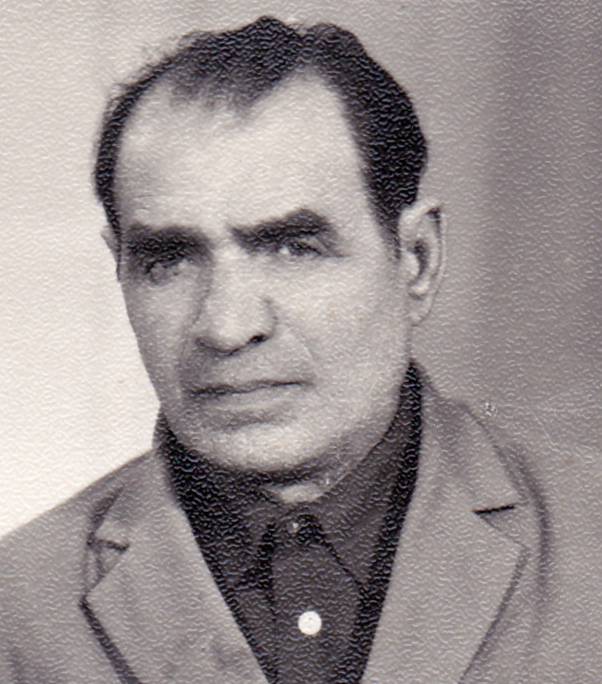
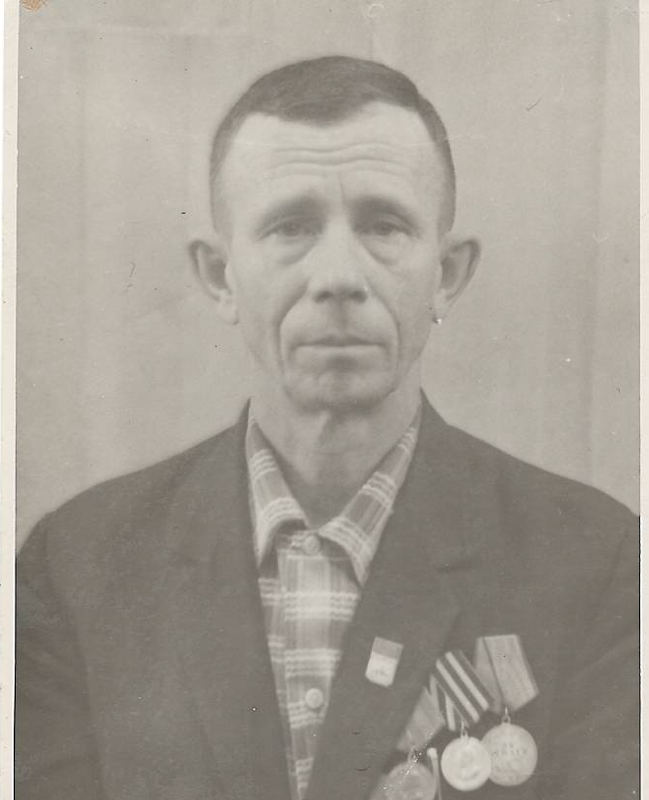

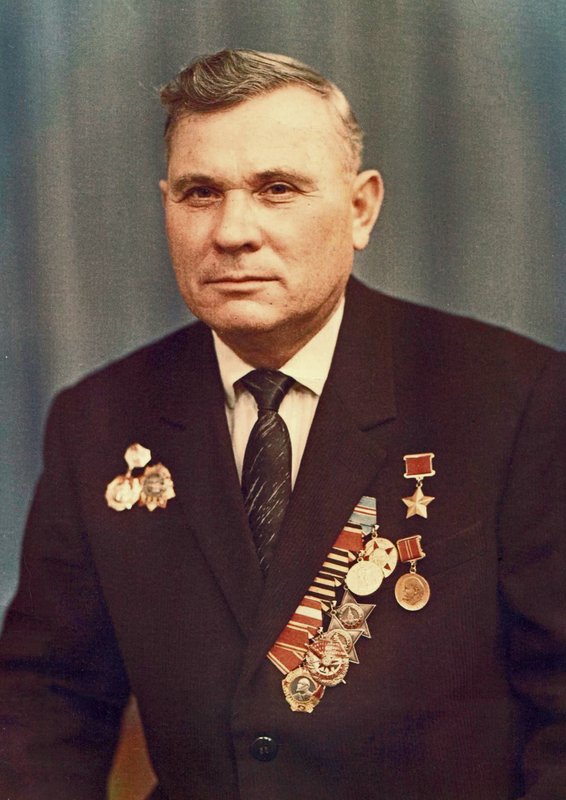

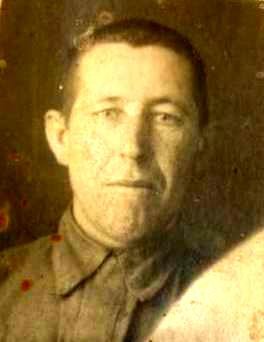

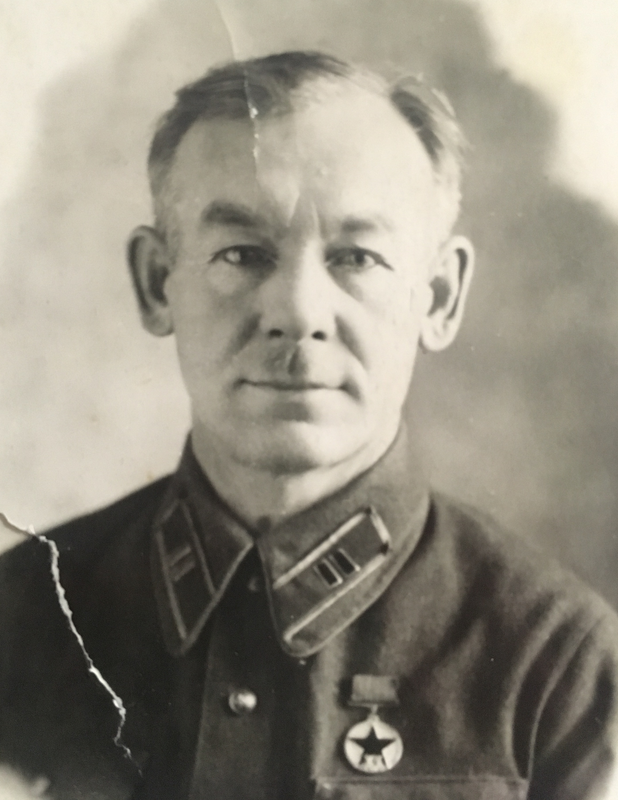

Dolgin Veniamin Grigorievich
Dolgin Benjamin Grigorievich_x000D_
Rank: Red army soldier. Branch of military: Artillery. Division: 52nd rifle division (1st formation). On the OUTSKIRTS of MOSCOW Author - Dolgin Benjamin Grigoryevich (1916-2009), Diplomat, 1st Secretary of the CPSU Central Committee of the 1st class "My generation has experienced years of turbulent events, wars, revolutions, fundamental changes in the state structure, rapid development of science, culture, art. Those were the fighting, anxious and tragic years of our youth. Our 52nd rifle division entered the war in early September 1941 at the battle of Yelnya. Then the German troops were pushed back, 8 fascist divisions were defeated, and one of the first victories in this war was won, which later became known as the Yelninsky operation. It was part of a broad red Army operation that resulted in the failure of Hitler's "lightning war" plan in 1941. After the battle of Yelnya, they received orders to March on Smolensk. In a heated battle, the town passed from hand to hand and was almost completely destroyed. We were transferred to the city of Yartsevo, but in fierce battles the division was defeated, many of our soldiers were captured. They were selected from the environment in small groups. I happened to be a machine gunner. In the swampy forest, where my machine-gun crew was holding back the enemy's onslaught, we were hit by one of many mortar attacks. My partner was killed, and I was shell-shocked and lost consciousness. But, being physically healthy and strong, with athletic training, I soon recovered and began to move, and at this moment I came across the German machine gunners combing the forest. I heard (at school and technical school I studied German) as one of the machine gunners said: "He's breathing," and fired a round at my head. The helmet saved him from the first bullet, and the second one pierced the upper jaw, shot through the tongue and lower jaw. I lost consciousness again. I came to in the late afternoon. My face is covered in a pool of blood, my head is foggy, my right eye can't see anything. And my thoughts are moving: "I'm going to rot in the swamp here, we need to get out." I felt in my pocket for an individual package, somehow bandaged the right side of my face, put on my cap, and put my helmet in my duffel bag. Where to go? I went towards the glow of the battle. "So there are some of our people there." I entered a farmstead. On the street near the houses of women, children, old people, looking in the direction of the glow, waiting for the end of the fight. When they saw me with my head bandaged, wearing a cap and a raincoat, they realized that I was a red army soldier, wounded and looking for shelter. They did not dare to let them into the hut - and suddenly the Germans would come. One woman says: "There's a hayloft, there's already a wounded red army soldier there. Wait until morning, and then we'll see." And so, I did. His partner was agreeable. In the morning we hear Russian speech at the barn. Went out - and there are our signalmen. My friend asked: "How do I find a sanbat? » They say: "That's on our wires go."Through the edge of the forest they came to an open clearing overgrown with tall, thick grasses. It was about 70 meters to the opposite side. As soon as we stepped into the clearing, we were hit by heavy fire. Partner suggested: - come on their bellies. But I lost a lot of blood, I was shell-shocked, and I couldn't move around like a plastoon. Not thinking straight, I picked up the wire and went under the bullets. By a miracle, I got to the next edge of the forest, where our people were. Sanbat's truck was parked nearby. The soldiers who were helping to load the wounded noticed my raincoat-tent-my back was all torn and cut by bullets. But not a single bullet grazed the body. Among the soldiers helping to load the wounded, I saw a soldier Ilyichev from our company. He could not speak and wrote on a piece of paper: "I am Dolgin, and where is Volodya Koval? » Looking at my face, Ilyichev could not recognize me, but said that the battalion had suffered heavy losses and was recalled for replenishment. "Koval is right there. And you, brother, have probably already won back." A truck full of wounded men took us to the field hospital, which was set up in an ordinary shed. I was professionally bandaged and bandaged by the doctor. Then I was loaded back on the truck and sent to Vyazma, to the evacuation hospital. Lost consciousness on the way. I woke up on the surgeon's Desk. At this time, the Germans were bombing Vyazma, and the doctor decided to urgently send me to the rear on a U-2 plane along with a Colonel who was wounded in the spine. Since I could sit and the Colonel had to lie down, I was placed in a corner of the plane and we flew over the forest. Suddenly we were attacked by the Messerschmidt. But our pilot was experienced and did not let himself be shot down. Our "Duck" speed is only about 200 km, and the "Messer" - 450. Our pilot only swerves over the forest, and the diving fascist smears. So he used up his ammunition and flew away. A "Duck" quietly flew to Kalinin. So in the course of almost one day I escaped death three times…"
Dolgin Veniamin Grigorievich
Dolgin Benjamin Grigorievich_x000D_
Rank: Red army soldier. Branch of military: Artillery. Division: 52nd rifle division (1st formation). On the OUTSKIRTS of MOSCOW Author - Dolgin Benjamin Grigoryevich (1916-2009), Diplomat, 1st Secretary of the CPSU Central Committee of the 1st class "My generation has experienced years of turbulent events, wars, revolutions, fundamental changes in the state structure, rapid development of science, culture, art. Those were the fighting, anxious and tragic years of our youth. Our 52nd rifle division entered the war in early September 1941 at the battle of Yelnya. Then the German troops were pushed back, 8 fascist divisions were defeated, and one of the first victories in this war was won, which later became known as the Yelninsky operation. It was part of a broad red Army operation that resulted in the failure of Hitler's "lightning war" plan in 1941. After the battle of Yelnya, they received orders to March on Smolensk. In a heated battle, the town passed from hand to hand and was almost completely destroyed. We were transferred to the city of Yartsevo, but in fierce battles the division was defeated, many of our soldiers were captured. They were selected from the environment in small groups. I happened to be a machine gunner. In the swampy forest, where my machine-gun crew was holding back the enemy's onslaught, we were hit by one of many mortar attacks. My partner was killed, and I was shell-shocked and lost consciousness. But, being physically healthy and strong, with athletic training, I soon recovered and began to move, and at this moment I came across the German machine gunners combing the forest. I heard (at school and technical school I studied German) as one of the machine gunners said: "He's breathing," and fired a round at my head. The helmet saved him from the first bullet, and the second one pierced the upper jaw, shot through the tongue and lower jaw. I lost consciousness again. I came to in the late afternoon. My face is covered in a pool of blood, my head is foggy, my right eye can't see anything. And my thoughts are moving: "I'm going to rot in the swamp here, we need to get out." I felt in my pocket for an individual package, somehow bandaged the right side of my face, put on my cap, and put my helmet in my duffel bag. Where to go? I went towards the glow of the battle. "So there are some of our people there." I entered a farmstead. On the street near the houses of women, children, old people, looking in the direction of the glow, waiting for the end of the fight. When they saw me with my head bandaged, wearing a cap and a raincoat, they realized that I was a red army soldier, wounded and looking for shelter. They did not dare to let them into the hut - and suddenly the Germans would come. One woman says: "There's a hayloft, there's already a wounded red army soldier there. Wait until morning, and then we'll see." And so, I did. His partner was agreeable. In the morning we hear Russian speech at the barn. Went out - and there are our signalmen. My friend asked: "How do I find a sanbat? » They say: "That's on our wires go."Through the edge of the forest they came to an open clearing overgrown with tall, thick grasses. It was about 70 meters to the opposite side. As soon as we stepped into the clearing, we were hit by heavy fire. Partner suggested: - come on their bellies. But I lost a lot of blood, I was shell-shocked, and I couldn't move around like a plastoon. Not thinking straight, I picked up the wire and went under the bullets. By a miracle, I got to the next edge of the forest, where our people were. Sanbat's truck was parked nearby. The soldiers who were helping to load the wounded noticed my raincoat-tent-my back was all torn and cut by bullets. But not a single bullet grazed the body. Among the soldiers helping to load the wounded, I saw a soldier Ilyichev from our company. He could not speak and wrote on a piece of paper: "I am Dolgin, and where is Volodya Koval? » Looking at my face, Ilyichev could not recognize me, but said that the battalion had suffered heavy losses and was recalled for replenishment. "Koval is right there. And you, brother, have probably already won back." A truck full of wounded men took us to the field hospital, which was set up in an ordinary shed. I was professionally bandaged and bandaged by the doctor. Then I was loaded back on the truck and sent to Vyazma, to the evacuation hospital. Lost consciousness on the way. I woke up on the surgeon's Desk. At this time, the Germans were bombing Vyazma, and the doctor decided to urgently send me to the rear on a U-2 plane along with a Colonel who was wounded in the spine. Since I could sit and the Colonel had to lie down, I was placed in a corner of the plane and we flew over the forest. Suddenly we were attacked by the Messerschmidt. But our pilot was experienced and did not let himself be shot down. Our "Duck" speed is only about 200 km, and the "Messer" - 450. Our pilot only swerves over the forest, and the diving fascist smears. So he used up his ammunition and flew away. A "Duck" quietly flew to Kalinin. So in the course of almost one day I escaped death three times…"
0 comment




2026 © Russian Military Historical Society Developed by Jetmix