Back to
album
album
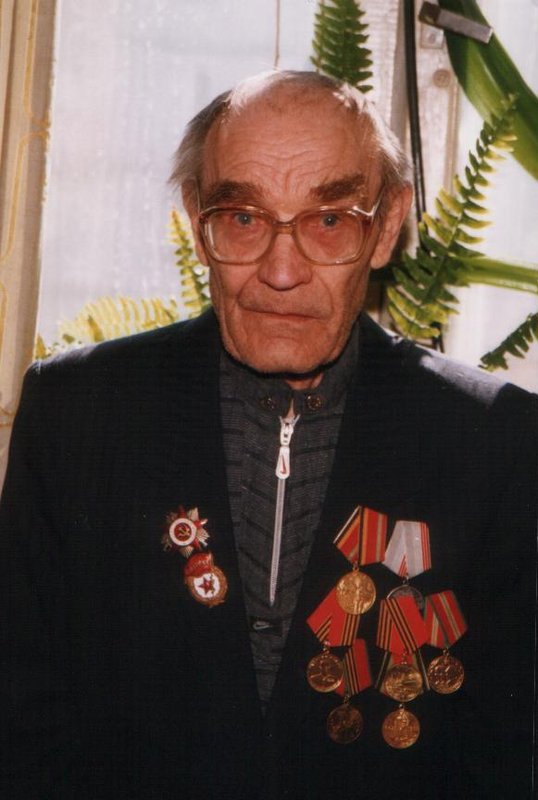
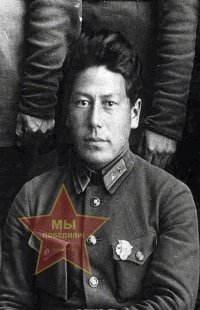
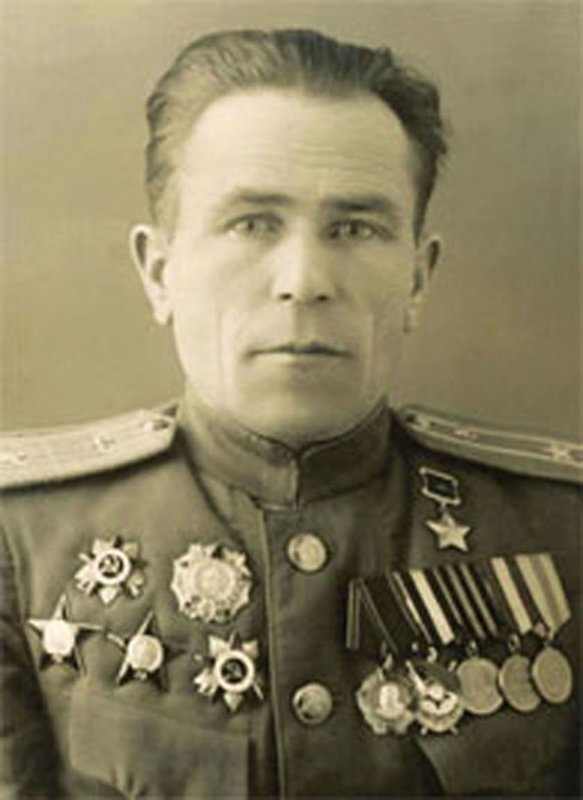
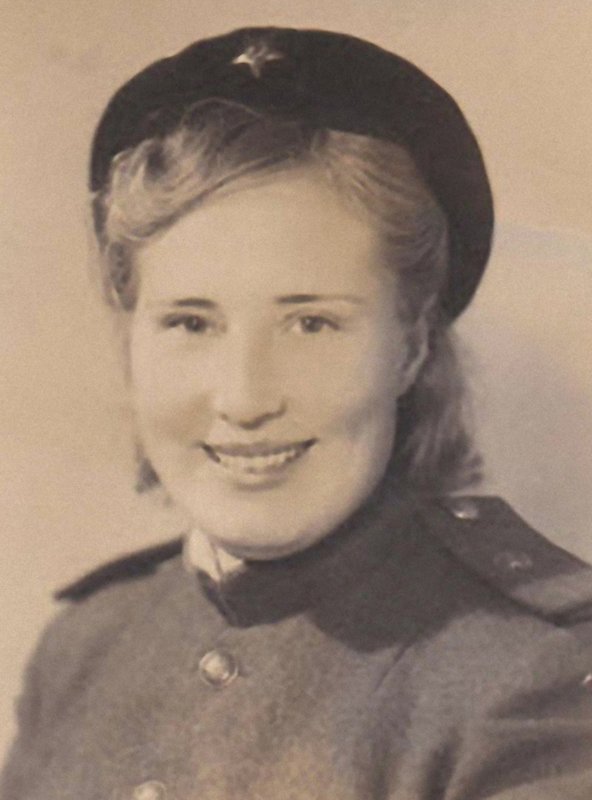
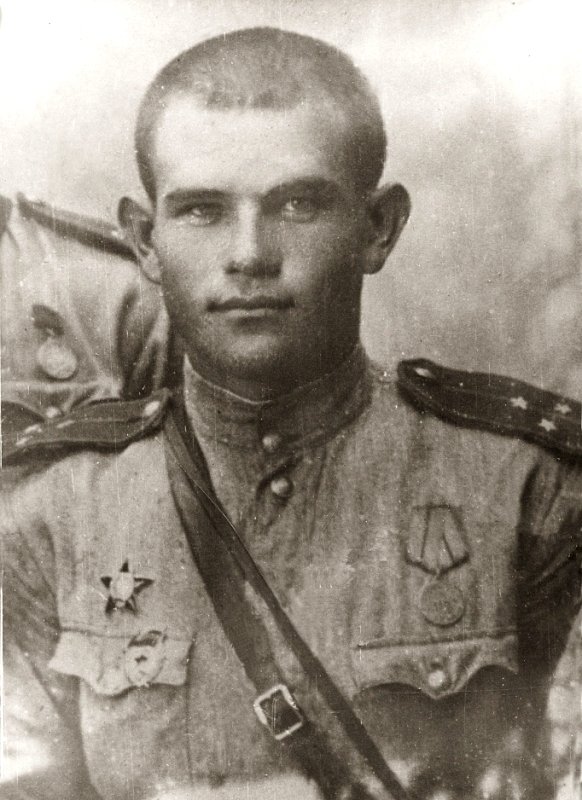


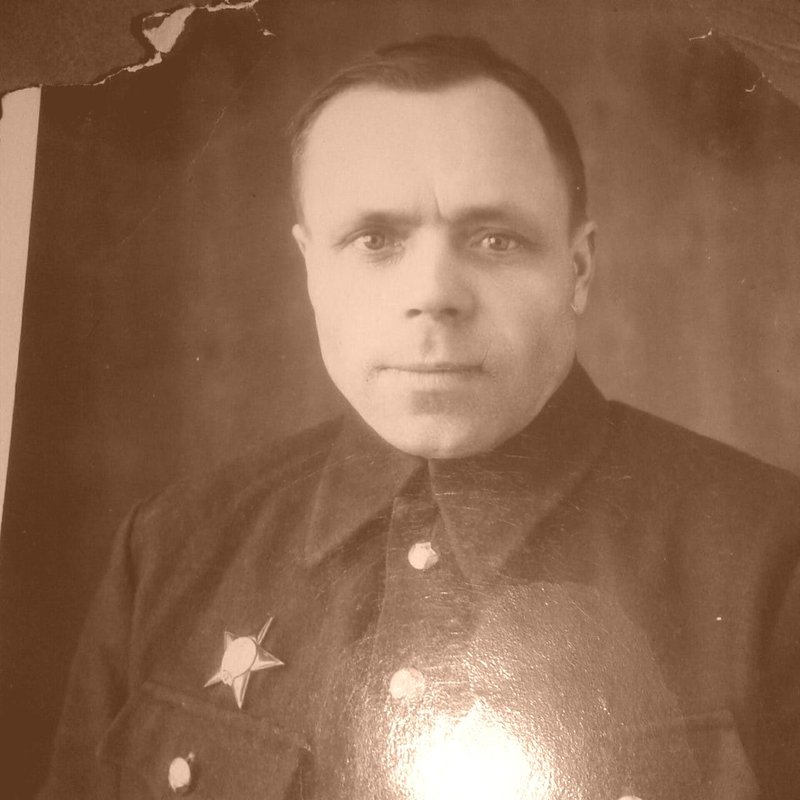

Rakityansky Nikolay Fedorovich
Rakityanskiy Nikolay Fedorovich_x000D_
_x000D_
Rank: Corporal_x000D_
Branch of the troops: Artillery _x000D_
Division: 358th rifle Leningrad-Khinganskaya Red Banner order of Suvorov division according to the memories of my father Rakityanskiy Nikolai Fedorovich, he also could not wait to go to the front, to fight the enemy. He was only 16 years old when, after the battle of Kursk, he came to the military enlistment office as a volunteer. This is how he remembered it: "Before I got to the front, when the Germans were in our area, we had to work with them to break the ice on the river, to carry huge blocks of ice on a cart. The work was hard, my hands, neck, face were stiff, and my whole body ached. It was easy to get pneumonia and die. And, most importantly, I was angry that I had to work for the Germans. I ran away from this to the front. Before I went to war, I was determined, like other boys, and I dreamed of romance. Later, when I experienced the cold, the fear and the danger, the roar and the howl, I felt a growing desire in me that this grinding, roaring and howling, death and stench, would soon stop once and for all. I returned home with the joy of the fact that, although I was seriously wounded-in the chest through, but did not die! » It was mentioned above that the troops of the 1st Ukrainian front joined the troops of the Belarusian front. The roads of my grandfather Stepa and father Kolya converged. Naturally, they could hardly meet, although they served side by side and did one thing in common. My father served on the 3rd Belorussian and Baltic fronts as a corporal, first as a sniper, then as a submachine gunner, and later as a scout in the commander's personal guard. He remembered that: "Was it scary in the trenches? Of course, even as! Especially when "Katyusha" entered the battle. You sit in the dark, the darkness is impenetrable, where your own, where others-it is not clear, and suddenly over your head with a howl sweep missiles "Katyusha". It feels like every shell is flying right at you. And you know it's high above you, but it's still scary, you can't move your legs or your arms. But you need to get out of the trench and run forward while the artillery preparation lasts." Dad was shot twice. The first shard broke through his Shoe and sank into the foot of his right foot. An orderly helped him cut the Shoe and the splinter off and bandaged his leg. After this slight injury, after lying in the hospital for several months, the Pope was back in the ranks. The second time, he was hit much more seriously: in the chest through and through. With this chest wound, my father lay in a hospital bed until the end of the war. The Pope complained that "I did not have time to perform any feat, and I did not kill a single German, but I smelled gunpowder, as they say, and got injured." But the Motherland marked the participation of young men like my father in the war differently. Decree of the Presidium of the Supreme Soviet of the USSR of may 9, 1947 my father, Rakityanskiy Nikolay Fedorovich, was awarded the medal "For Victory over Germany in the great Patriotic War 1941 - 1945" In 1985 decree of the Supreme Soviet of the USSR in commemoration of the 40th anniversary of the Victory of Soviet people in the Great Patriotic War of 1941-1945. he was also awarded the Order of Patriotic War II degree. My father was an exceptionally intelligent, educated man. He could play the balalaika and recited poems and fables perfectly. I loved A. Twardowski very much, I knew his " Vassili Tyorkin” by heart. My father was a Jack-of-all-trades and an exceptionally humble man.
Rakityansky Nikolay Fedorovich
Rakityanskiy Nikolay Fedorovich_x000D_
_x000D_
Rank: Corporal_x000D_
Branch of the troops: Artillery _x000D_
Division: 358th rifle Leningrad-Khinganskaya Red Banner order of Suvorov division according to the memories of my father Rakityanskiy Nikolai Fedorovich, he also could not wait to go to the front, to fight the enemy. He was only 16 years old when, after the battle of Kursk, he came to the military enlistment office as a volunteer. This is how he remembered it: "Before I got to the front, when the Germans were in our area, we had to work with them to break the ice on the river, to carry huge blocks of ice on a cart. The work was hard, my hands, neck, face were stiff, and my whole body ached. It was easy to get pneumonia and die. And, most importantly, I was angry that I had to work for the Germans. I ran away from this to the front. Before I went to war, I was determined, like other boys, and I dreamed of romance. Later, when I experienced the cold, the fear and the danger, the roar and the howl, I felt a growing desire in me that this grinding, roaring and howling, death and stench, would soon stop once and for all. I returned home with the joy of the fact that, although I was seriously wounded-in the chest through, but did not die! » It was mentioned above that the troops of the 1st Ukrainian front joined the troops of the Belarusian front. The roads of my grandfather Stepa and father Kolya converged. Naturally, they could hardly meet, although they served side by side and did one thing in common. My father served on the 3rd Belorussian and Baltic fronts as a corporal, first as a sniper, then as a submachine gunner, and later as a scout in the commander's personal guard. He remembered that: "Was it scary in the trenches? Of course, even as! Especially when "Katyusha" entered the battle. You sit in the dark, the darkness is impenetrable, where your own, where others-it is not clear, and suddenly over your head with a howl sweep missiles "Katyusha". It feels like every shell is flying right at you. And you know it's high above you, but it's still scary, you can't move your legs or your arms. But you need to get out of the trench and run forward while the artillery preparation lasts." Dad was shot twice. The first shard broke through his Shoe and sank into the foot of his right foot. An orderly helped him cut the Shoe and the splinter off and bandaged his leg. After this slight injury, after lying in the hospital for several months, the Pope was back in the ranks. The second time, he was hit much more seriously: in the chest through and through. With this chest wound, my father lay in a hospital bed until the end of the war. The Pope complained that "I did not have time to perform any feat, and I did not kill a single German, but I smelled gunpowder, as they say, and got injured." But the Motherland marked the participation of young men like my father in the war differently. Decree of the Presidium of the Supreme Soviet of the USSR of may 9, 1947 my father, Rakityanskiy Nikolay Fedorovich, was awarded the medal "For Victory over Germany in the great Patriotic War 1941 - 1945" In 1985 decree of the Supreme Soviet of the USSR in commemoration of the 40th anniversary of the Victory of Soviet people in the Great Patriotic War of 1941-1945. he was also awarded the Order of Patriotic War II degree. My father was an exceptionally intelligent, educated man. He could play the balalaika and recited poems and fables perfectly. I loved A. Twardowski very much, I knew his " Vassili Tyorkin” by heart. My father was a Jack-of-all-trades and an exceptionally humble man.
0 comment



2026 © Russian Military Historical Society Developed by Jetmix