Back to
album
album
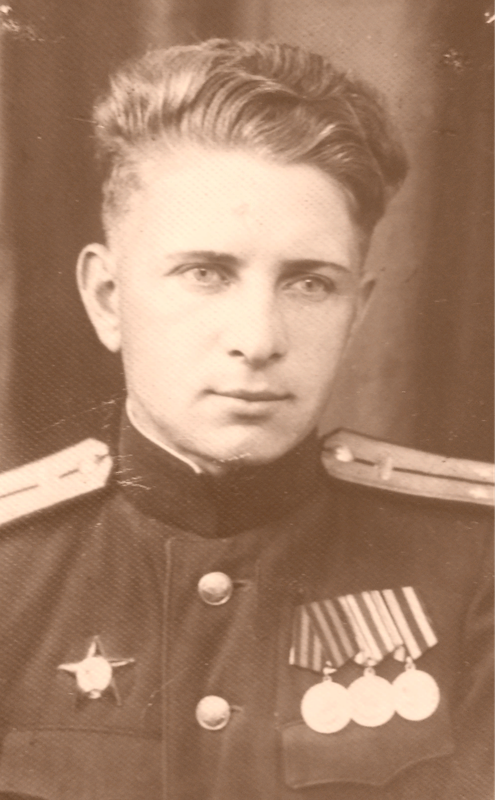
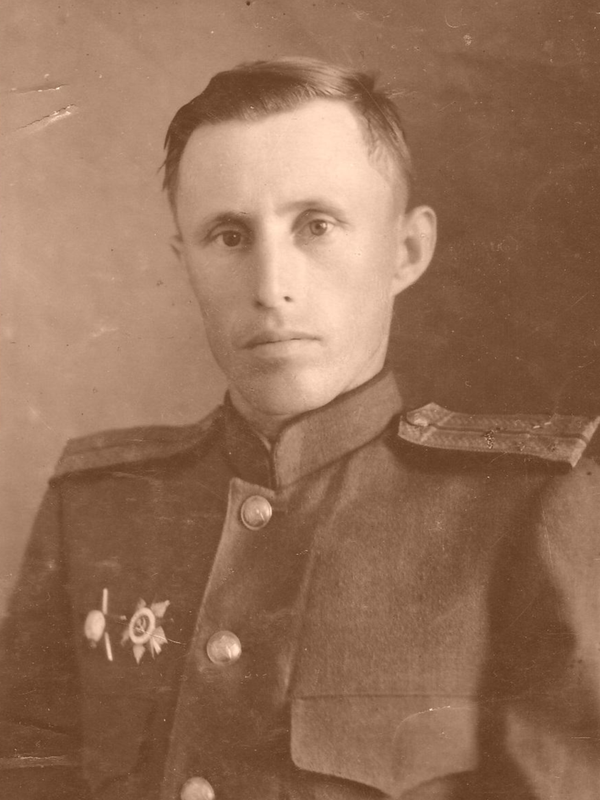
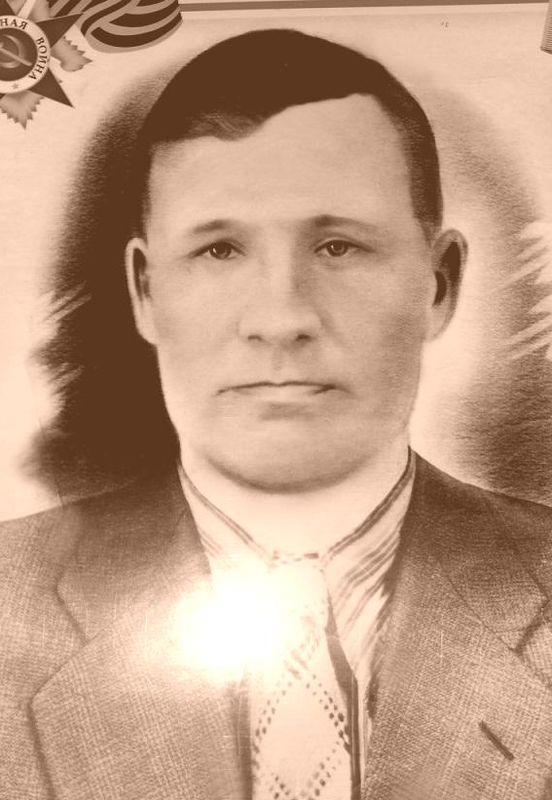
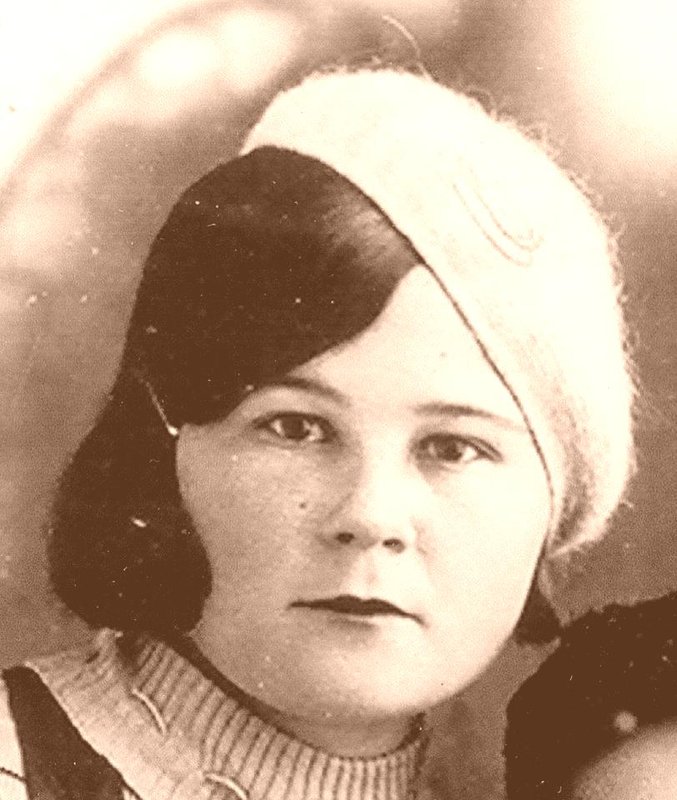
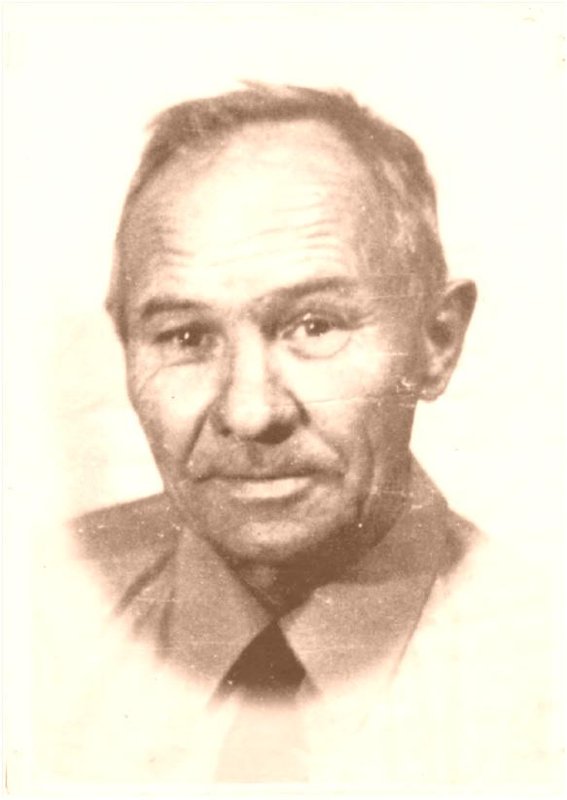
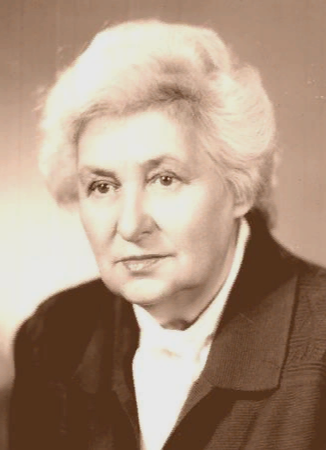
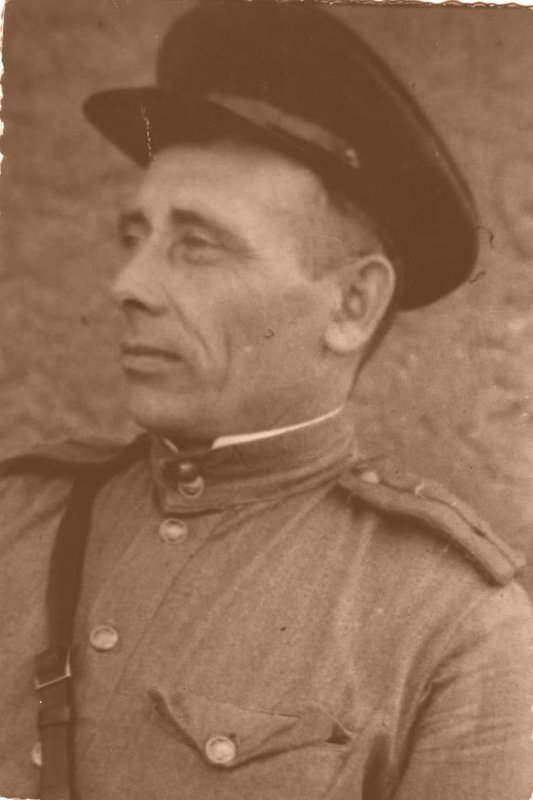

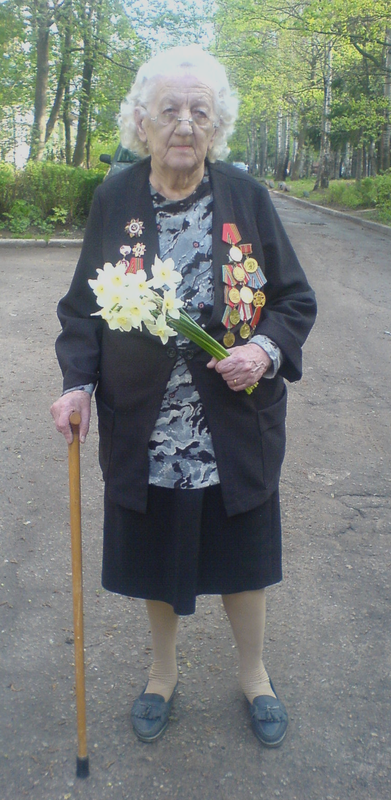
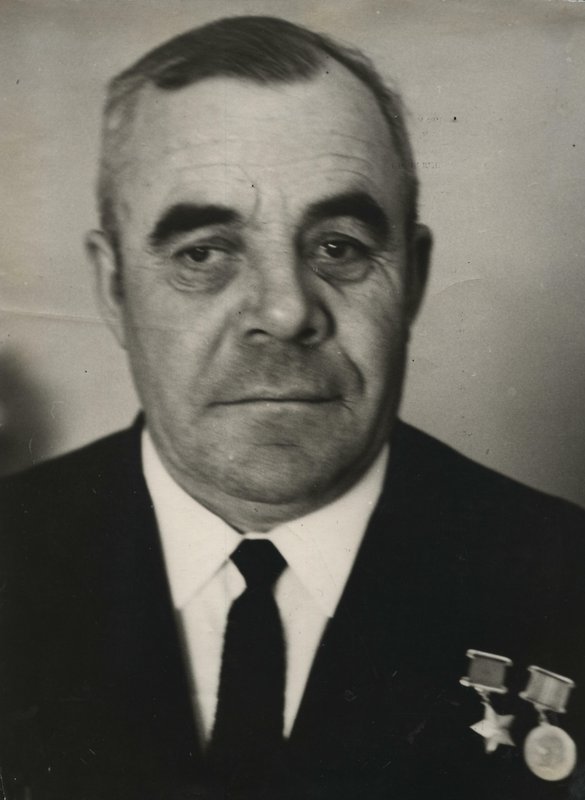
Rodionova Margarita Gennadievna
Rodionova Margarita Gennadievna_x000D_
_x000D_
She was born on March 1, 1924 in Yelabuga, Tatar ASSR in the family of a teacher. She spent his childhood in Siberia and on the Volga river in Sengiley, Ulyanovsk region. From the 10th grade, she volunteered for the front. She graduated from the school of signalmen in Nikolaev and from 1942 served as a radio operator at the Novorossiysk naval base of the black sea fleet. Out of 225 days, 202 days fought on Malaya Zemlya near Novorossiysk. Participated in the battles on Taman, to liberate the hero cities of Kerch and Sevastopol. She was discharged in 1945 and returned to Sengiley. She worked for a local newspaper. In 1951, she arrived in the Kaliningrad region. She worked in regional newspapers, on radio and television, and in the newspaper "Strazh Baltiki". From early childhood, she wrote poetry. The first poem was published in the district newspaper in 1935. She also wrote poems at the front, which were published in army Newspapers. The first story was published in the 50s. The first book "Flying birds of passage" about the work of ornithologists on the Curonian spit was published in 1963. The story "the Girl goes to war" was published in Kaliningrad (1974), then in Moscow (1980). It is based on the facts of the author's own biography. The heroine of the story, Nina Morozova, like Margarita Rodionova herself, went to the front as a seventeen-year-old girl, served in the black sea fleet, participated in the battles for Malaya Zemlya. The story immediately became incredibly popular, and the writer received real recognition. Margarita Rodionova were published under the pseudonyms M. Volodin, Raisa Dianova, N. Ilieva, R. Margaretten, R. Mikhailov, R. Polyakova. Since 1962, member of the Union of journalists of the USSR. In 1975, she was admitted to the Union of writers of the USSR and became a member of the literary Fund of the USSR. She was awarded with medals. She died on September 28, 1998. In 2004 in Kaliningrad, a memorial plaque is installed on the house where M. G. Rodionova lived.
Rodionova Margarita Gennadievna
Rodionova Margarita Gennadievna_x000D_
_x000D_
She was born on March 1, 1924 in Yelabuga, Tatar ASSR in the family of a teacher. She spent his childhood in Siberia and on the Volga river in Sengiley, Ulyanovsk region. From the 10th grade, she volunteered for the front. She graduated from the school of signalmen in Nikolaev and from 1942 served as a radio operator at the Novorossiysk naval base of the black sea fleet. Out of 225 days, 202 days fought on Malaya Zemlya near Novorossiysk. Participated in the battles on Taman, to liberate the hero cities of Kerch and Sevastopol. She was discharged in 1945 and returned to Sengiley. She worked for a local newspaper. In 1951, she arrived in the Kaliningrad region. She worked in regional newspapers, on radio and television, and in the newspaper "Strazh Baltiki". From early childhood, she wrote poetry. The first poem was published in the district newspaper in 1935. She also wrote poems at the front, which were published in army Newspapers. The first story was published in the 50s. The first book "Flying birds of passage" about the work of ornithologists on the Curonian spit was published in 1963. The story "the Girl goes to war" was published in Kaliningrad (1974), then in Moscow (1980). It is based on the facts of the author's own biography. The heroine of the story, Nina Morozova, like Margarita Rodionova herself, went to the front as a seventeen-year-old girl, served in the black sea fleet, participated in the battles for Malaya Zemlya. The story immediately became incredibly popular, and the writer received real recognition. Margarita Rodionova were published under the pseudonyms M. Volodin, Raisa Dianova, N. Ilieva, R. Margaretten, R. Mikhailov, R. Polyakova. Since 1962, member of the Union of journalists of the USSR. In 1975, she was admitted to the Union of writers of the USSR and became a member of the literary Fund of the USSR. She was awarded with medals. She died on September 28, 1998. In 2004 in Kaliningrad, a memorial plaque is installed on the house where M. G. Rodionova lived.
0 comment




2026 © Russian Military Historical Society Developed by Jetmix