Back to
album
album
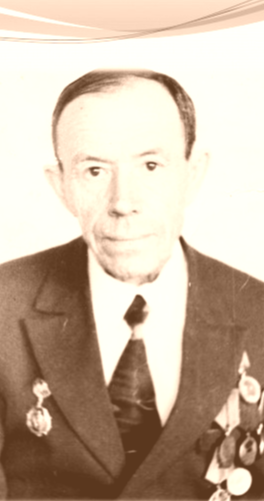
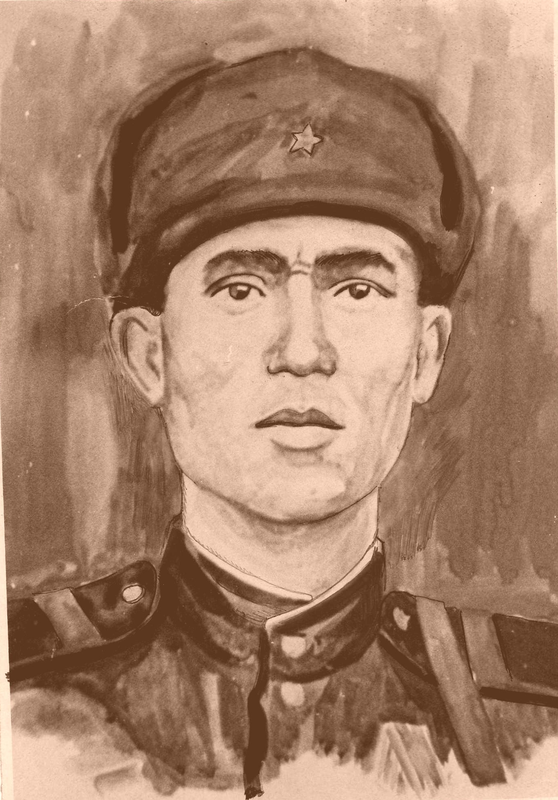
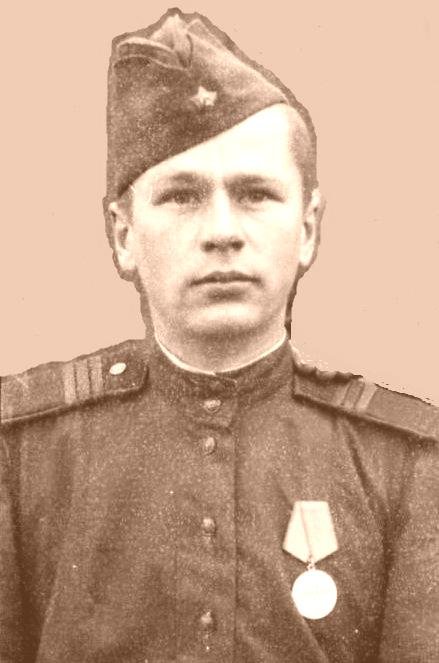
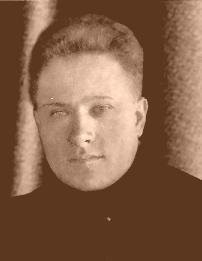
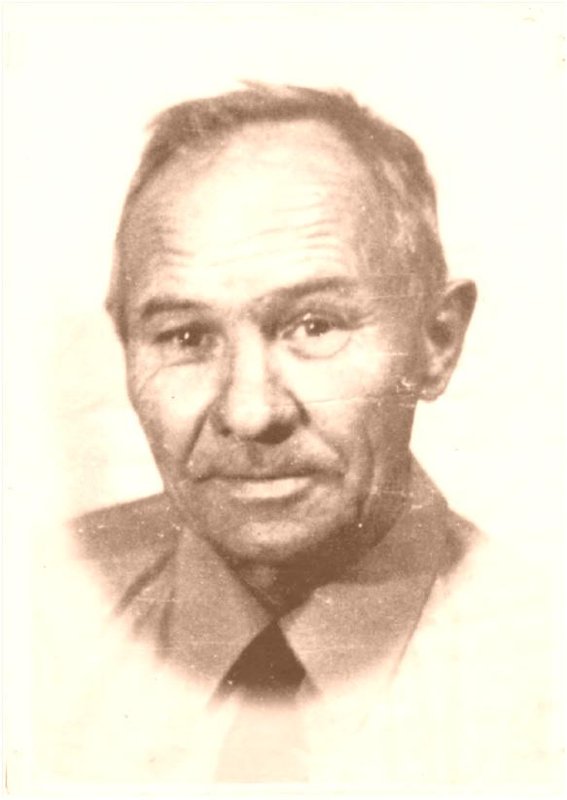
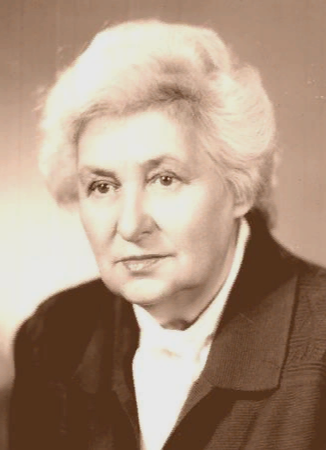
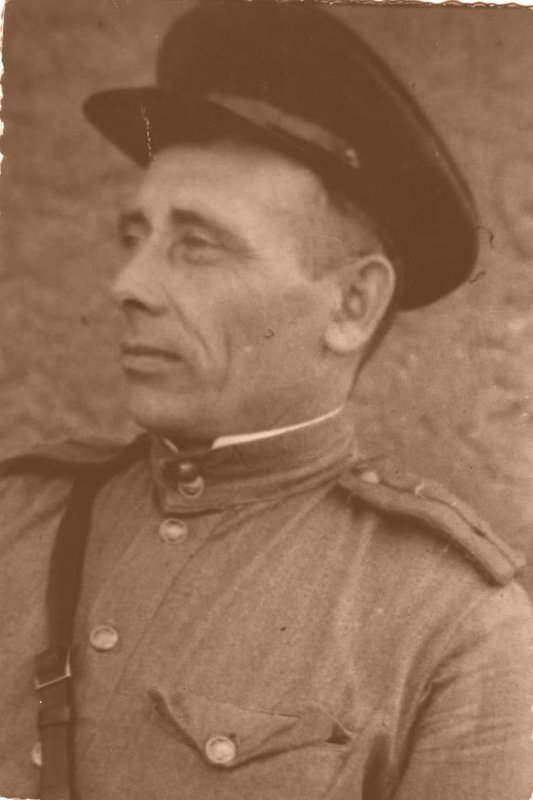
Reshetov Nikolai Vasilievich
Reshetov Nikolay Vasilievich_x000D_
_x000D_
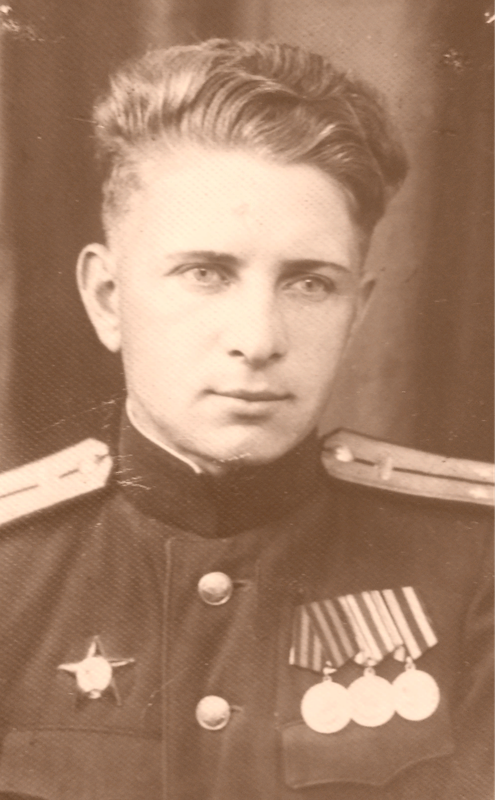
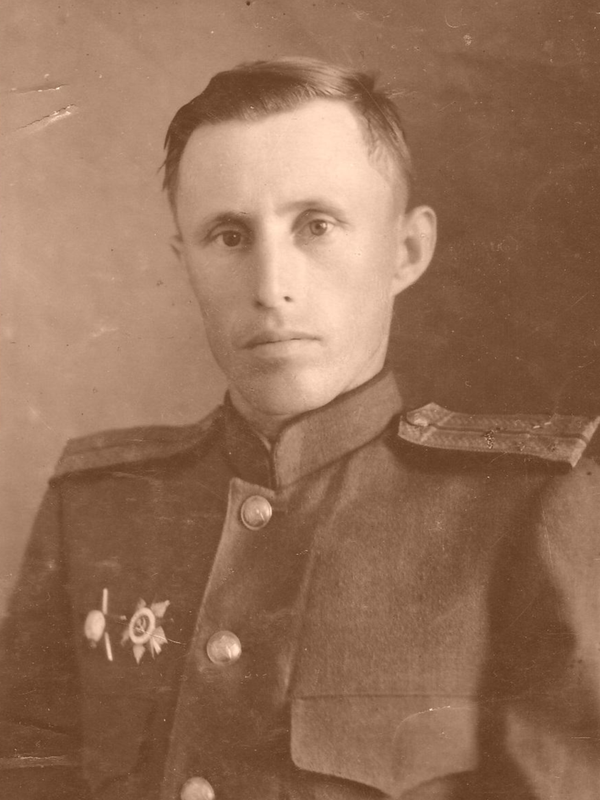
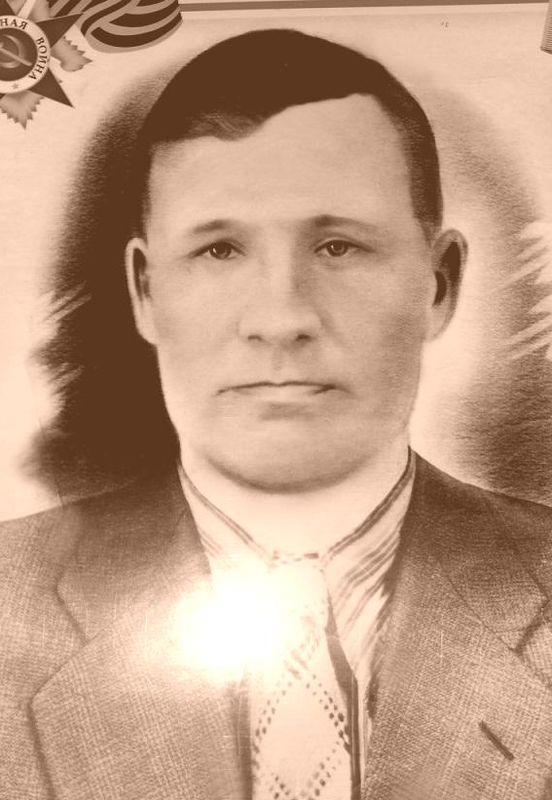
My grandfather, Nikolay Reshetov, was born on December 23, 1913 in the village of Veselovka in the Ternovsky district of the Penza region. In 1935, he graduated from the technical school of Soviet trade. My grandfather started his military career in peacetime. From 1935 to 1937, he was a cadet, then a squad leader of the 70th separate signal battalion. From October 1941 to February 1943, my grandfather was a platoon commander of the 79th separate Telegraph-operational company of the 16th army of the Western front, a platoon commander of the 1278th separate Telegraph-operational company of the 16th army of the Western front, and a commander of the 30th separate company of the 2nd regiment of the NKVD Government communications troops. From February 1943 to may 1945, he was a company commander of the 243rd separate battalion of the Government communications troops of the 2nd Belorussian front. As a commander, my grandfather proved to be a disciplined, executive and demanding officer. From the first days until the end of the great Patriotic War, he carried out work on the construction of a Government communication line in difficult conditions under artillery fire and enemy aircraft bombing, bravely endured all the hardships of the combat situation. In these unthinkable conditions, he was able to provide the Command with high-quality communications. My grandfather took part in the 2nd Belorussian Front in the following battles: July 1944-capture of the city and industrial center of Bialystok, the most important railway junction and a powerful fortified area of German defense, covering the way to the city of Warsaw; January 1945 – a breakthrough of enemy defenses on the West Bank of the Narew river North of Warsaw's city; March 1945 – the possession of the cities of Anger and Starograd important strong points of the German defense on the outskirts of the city of Danzig; March 1945 – the acquisition of the fortress city of Gdansk (Danzig), an important port and naval base for the Germans on the Baltic sea; April 1945 – breakthrough strongly strengthened defence of Germans on the West Bank of the Oder river and the mastery of the chief town of Pomerania and a major seaport of Stettin, and the cities of gartz, Penkun, Casekow, Schwedt; April 1945 - for the capture of the main cities and important road junctions Anklam, Friedland, Neubrandenburg, Lichen and entry into the territory of the province of Myklenburg; May 1945-the capture of the cities of Stralsund, Grimmen, Demmin, Malchin, Waren, Wesenberg, important road junctions and strong points of defense of the Germans. From the order of the armed forces of the 2nd Belorussian front no: 185 of 10.08.1944 "...In April 1944, during the organization of the 2nd Belorussian front, performing an urgent task of the command to tip the copper chain on the Krichev-Roslavl section of 96 kilometers in the conditions of spring thaw and the flood of the Sozh river and swamps, he contributed with the personnel of his platoon to the urgent performance of this serious task. In June 1944, with the transition to the offensive of the 2nd Belorussian front, comrade. Reshetov N. V. under enemy artillery fire and minefields, bravely overcoming these difficulties, following the advancing units, he built a Government communication line, which contributed to the timely provision of high-quality communication to the Front Command and the overall success in capturing the regional center of Belarus, the city of Mogilev." For his heroism, my grandfather was awarded: the order of the red Star (August 10, 1944); the order of the Patriotic War II degree (April 2, 1945); the medal "for the defense of Moscow" (may 1, 1944); medal "for the victory over Germany in the great Patriotic War of 1941-1945" (August 1, 1945); medal "for the capture of Konigsberg" (December 9, 1945). In addition to orders and medals, he received commendations from the Supreme commander-in-Chief, Marshal of the Soviet Union I. V. Stalin. After the war, my grandfather continued his military service from 1946 to 1948, he was the company's technical Deputy for the 1279th separate company of Government communications troops. In April 1948, my grandfather was discharged from the red Army. After that, he worked as an accountant. In 1956, my grandfather died.
Reshetov Nikolai Vasilievich
Reshetov Nikolay Vasilievich_x000D_
_x000D_
My grandfather, Nikolay Reshetov, was born on December 23, 1913 in the village of Veselovka in the Ternovsky district of the Penza region. In 1935, he graduated from the technical school of Soviet trade. My grandfather started his military career in peacetime. From 1935 to 1937, he was a cadet, then a squad leader of the 70th separate signal battalion. From October 1941 to February 1943, my grandfather was a platoon commander of the 79th separate Telegraph-operational company of the 16th army of the Western front, a platoon commander of the 1278th separate Telegraph-operational company of the 16th army of the Western front, and a commander of the 30th separate company of the 2nd regiment of the NKVD Government communications troops. From February 1943 to may 1945, he was a company commander of the 243rd separate battalion of the Government communications troops of the 2nd Belorussian front. As a commander, my grandfather proved to be a disciplined, executive and demanding officer. From the first days until the end of the great Patriotic War, he carried out work on the construction of a Government communication line in difficult conditions under artillery fire and enemy aircraft bombing, bravely endured all the hardships of the combat situation. In these unthinkable conditions, he was able to provide the Command with high-quality communications. My grandfather took part in the 2nd Belorussian Front in the following battles: July 1944-capture of the city and industrial center of Bialystok, the most important railway junction and a powerful fortified area of German defense, covering the way to the city of Warsaw; January 1945 – a breakthrough of enemy defenses on the West Bank of the Narew river North of Warsaw's city; March 1945 – the possession of the cities of Anger and Starograd important strong points of the German defense on the outskirts of the city of Danzig; March 1945 – the acquisition of the fortress city of Gdansk (Danzig), an important port and naval base for the Germans on the Baltic sea; April 1945 – breakthrough strongly strengthened defence of Germans on the West Bank of the Oder river and the mastery of the chief town of Pomerania and a major seaport of Stettin, and the cities of gartz, Penkun, Casekow, Schwedt; April 1945 - for the capture of the main cities and important road junctions Anklam, Friedland, Neubrandenburg, Lichen and entry into the territory of the province of Myklenburg; May 1945-the capture of the cities of Stralsund, Grimmen, Demmin, Malchin, Waren, Wesenberg, important road junctions and strong points of defense of the Germans. From the order of the armed forces of the 2nd Belorussian front no: 185 of 10.08.1944 "...In April 1944, during the organization of the 2nd Belorussian front, performing an urgent task of the command to tip the copper chain on the Krichev-Roslavl section of 96 kilometers in the conditions of spring thaw and the flood of the Sozh river and swamps, he contributed with the personnel of his platoon to the urgent performance of this serious task. In June 1944, with the transition to the offensive of the 2nd Belorussian front, comrade. Reshetov N. V. under enemy artillery fire and minefields, bravely overcoming these difficulties, following the advancing units, he built a Government communication line, which contributed to the timely provision of high-quality communication to the Front Command and the overall success in capturing the regional center of Belarus, the city of Mogilev." For his heroism, my grandfather was awarded: the order of the red Star (August 10, 1944); the order of the Patriotic War II degree (April 2, 1945); the medal "for the defense of Moscow" (may 1, 1944); medal "for the victory over Germany in the great Patriotic War of 1941-1945" (August 1, 1945); medal "for the capture of Konigsberg" (December 9, 1945). In addition to orders and medals, he received commendations from the Supreme commander-in-Chief, Marshal of the Soviet Union I. V. Stalin. After the war, my grandfather continued his military service from 1946 to 1948, he was the company's technical Deputy for the 1279th separate company of Government communications troops. In April 1948, my grandfather was discharged from the red Army. After that, he worked as an accountant. In 1956, my grandfather died.
0 comment



2026 © Russian Military Historical Society Developed by Jetmix