Back to
album
album
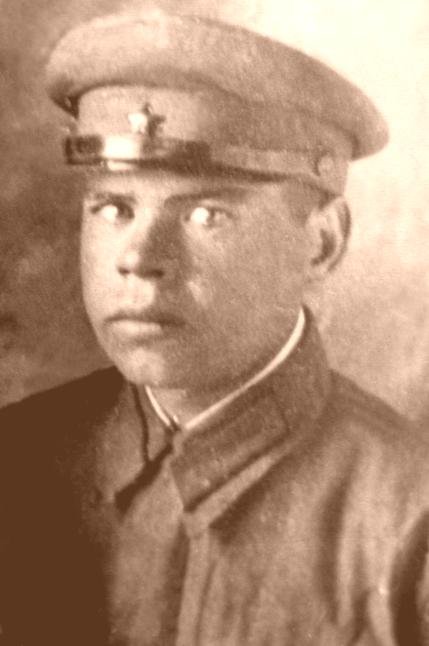
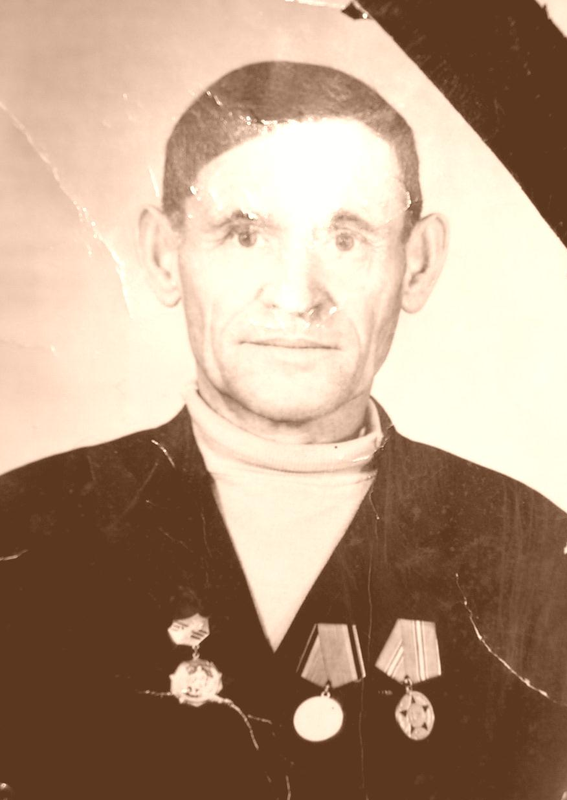
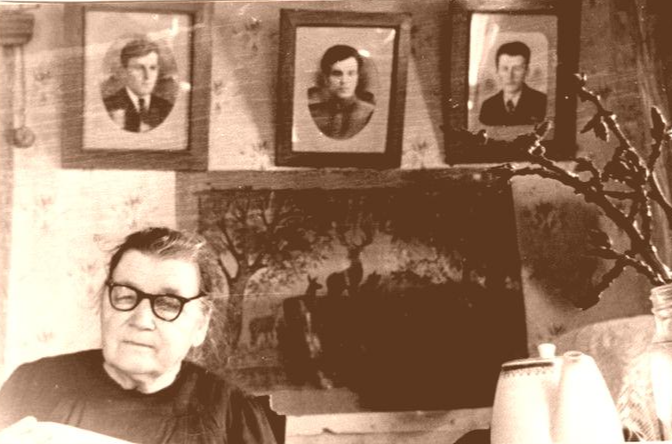
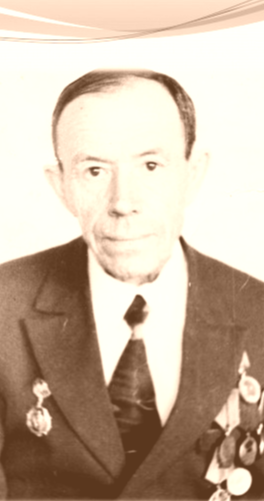
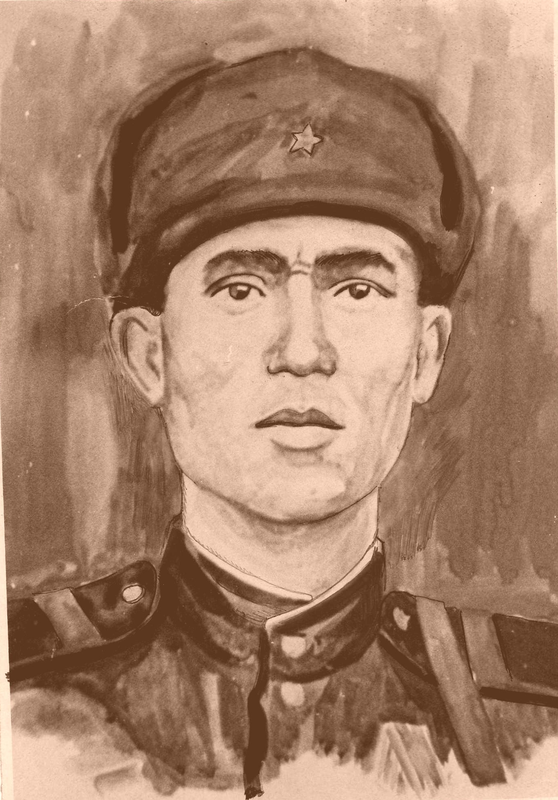
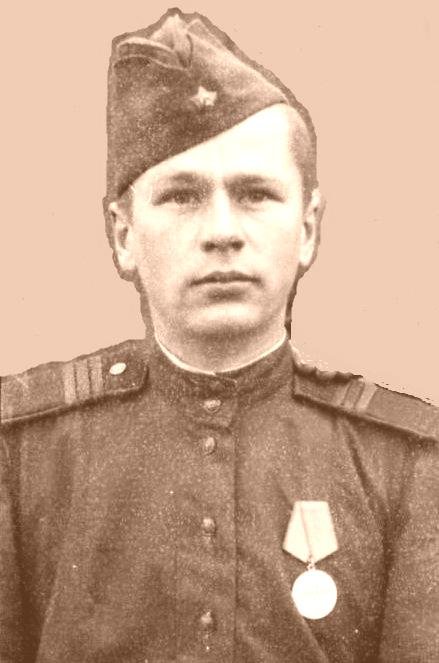
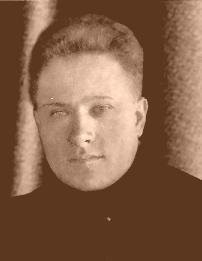
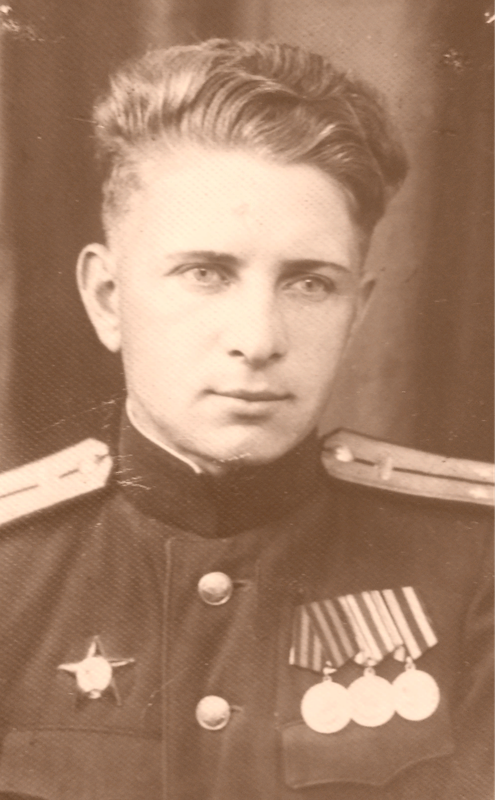
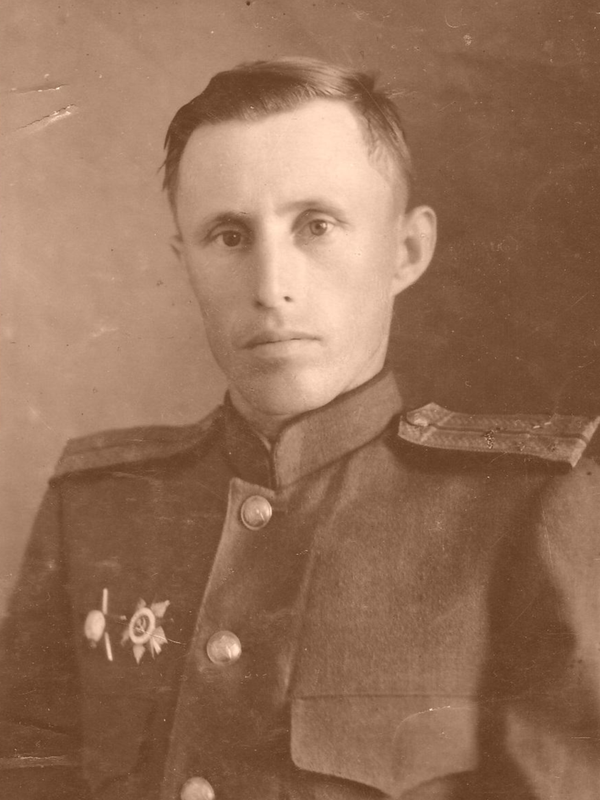
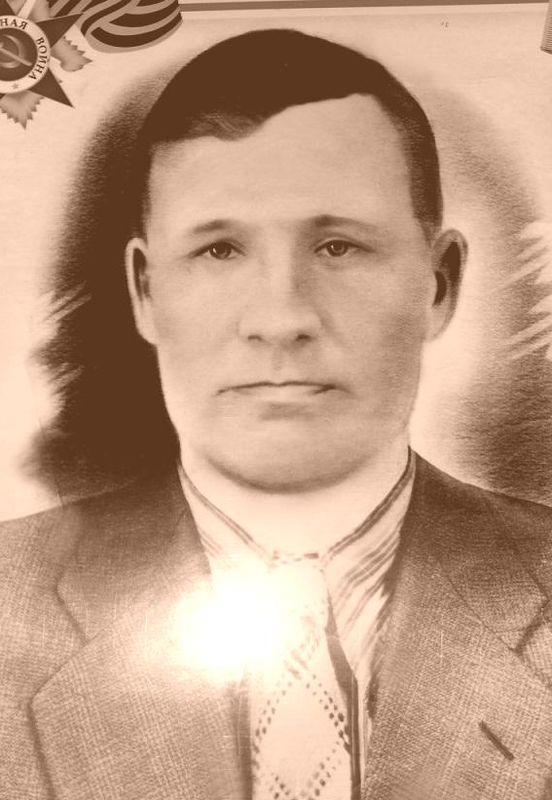
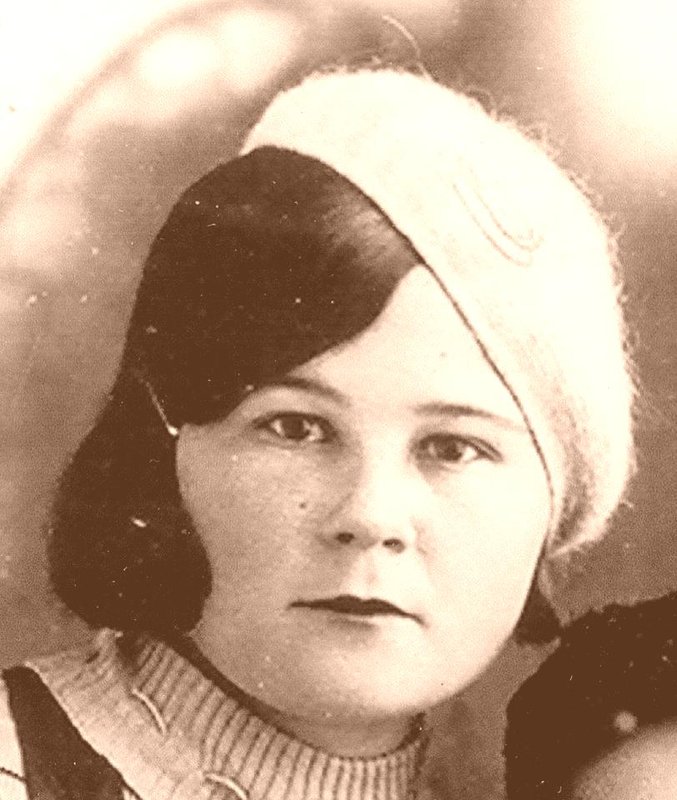
Voshilo Vikenty Vikentyevich
Voshilo Vikenty Vikentyevich_x000D_
_x000D_
Born in Petrograd (Leningrad, Saint Petersburg) in the family of a worker in the Vyborg district. In the summer of 1940. he graduated from Leningrad school and worked as a watchmaker for several months before being drafted into the army (red army). 28.10.1940 G. called up by the Vyborg RVC of Leningrad in the red army and was sent to serve in the 7th howitzer art. regiment of the 7th tank division of the 6th mech. corps 10 A of the Western special military district (Volkovysk-Western Belarus, V/h 9170) as a cadet of the control platoon, later as a gunner of the fire platoon of the battery of the 1st division of 122 mm howitzers. The military oath of the red army took the city 23.02.1941 in this in/part. After 01.05.1941, 7 gap, in which he served, as part of 7 TD 6 MK 10A was withdrawn to camps West of the city of Bialystok-not far from the new state border in the annexed territory of Western Belarus (forest area-DV. Novoselki, 9 km West of Bialystok and 3 km North of khoroshch). With 18.05.1941 G. gap started training for combat training. In June 1941, 10A was the first echelon of the Zap covering armies. Special VO. The most efficient troops of 10 A were located in the Bialystok salient near the border in camps and barracks. (At the same time, they were involved in the construction of fortified areas along the new state border.) on the most " hot " Bialystok direction of the enemy's offensive. During the fighting of the first days of the war received 29.06.1941 seriously wounded on the battlefield by a German tank near Grodno, was not evacuated from the battlefield and remained in the rear of the advancing enemy. With the active help of his father's relatives (Vikenty Mikhailovich), including his father's brother, who permanently lived in the Grodno region (d. Kronki, p / o Vasilishki, shchuchinsky district), who sheltered him from the Nazis in their village (as a farmhand), he barely managed to recover and get back on his feet. Since the spring of 1942, while deep behind enemy lines in Western Belarus, he joined the ranks of the Soviet-Polish resistance group to the Nazis and took part in the fight against the invaders. In August 1944, during the strategic offensive operation "Bagration" for the liberation of Belarus, when our troops were advancing through the territory of the Grodno region, it was 27.08.1944. enlisted as a red army soldier in one of the units of 31 A of the 3rd Belorussian front operating in this direction, and later-29.08.1944, in the 673 rifle regiment of the 220th rifle division (PP 01838) as a gunner in the fire calculation of the battery of 76-mm artillery guns of the regiment. In the artillery unit 673 SP participated: - in early September 1944.- at the end of the offensive operation "Bagration"; - in September - October 1944 - in the Baltic offensive operation, as well as in the conduct of the 3rd White front of the Gumbinnen-Goldap operation. In the course of participation in the fighting 10/10/1944 he was awarded the military rank of " Junior Sergeant "(PR. KD # 254 from 10.10.1944). Later-from 13.01.1945, he took part in the fighting during the East Prussian operation. During these battles, 28.01.1945 near Konigsberg, he was wounded and evacuated from the battlefield in 1860 to the evacuation hospital (SEG, PP 40370). 4.04.1945 he was transferred to 3335 evac for further treatment (recovery). army hospital (Kaunas). 30.04.1945 G. after the end of treatment, he was sent to the nearby 208th reserve rifle regiment of the 3rd Belorussian front (gumbinnen-Gusev district) for further distribution. Day 9 may-VICTORY over Nazi Germany, met in the military hospital of the garrison of the city of Gumbinnen (Gusev), as the wound gave a complication. For his participation in the fighting during the East Prussian operation, he was awarded the battle medal "for the capture of Konigsberg". From 17.05 to 18.06.1945 he was transferred for further treatment to the 2296 army hospital for the lightly wounded in the city of Insterburg (Chernyakhovsk). 19.06 at the end of treatment in 2296 Arm.GLR, was sent to the 202 reserve rifle regiment, stationed in the same city, to further determine the place of service. 24.06 defined in the 53rd reserve art. regiment of the front (in / h 19682) as the commander of the intelligence Department of the 7th battery of the 3rd division in the same city. After the formation of the Baranovichi military district (09.07.1945) and the disbanding of the 3rd Belorussian front (15.08.1945), the transformation of the front into a district was completed on 01.10.1945 and 19.10.1945. 53 Zap. art. regiment, in which he served, relocated to Bobruisk. There, Jr. s-t Voshchilo V. V. was appointed commander of the intelligence Department in the 1st art. division of the 2205 howitzer art. regiment of the 265 art. brigade of the Baranovichi VO. He was discharged from the army on 24.11.1945. according to the Decree of the Presidium of the Supreme Soviet of the USSR of 25.09.1945, the conclusion of the Garrison VVK (V/h PP 11936) of 20.11.1945 In December, 1945, he went to study at the Leningrad dental school, at the dental Department, from which he graduated with honors in June, 1947. Having worked for 2 years in the specialty of dental technician, since 1.09.1949 he entered the Leningrad Republican medical school, after the 1st year of which, in September 1950, he entered the Leningrad sanitary and hygienic medical Institute. He graduated from the Institute in 1955. specialty: dentist. According to his specialty, he worked in various groups of medical institutions. First in Kalinin (Tver). Later - in Leningrad in positions from a simple doctor to the head of the Department. In 1960. he was involved in 90-day military training camps at the Military medical Academy in the military specialty of the doctor of the surgical Department. According to the results of the training camp, he was awarded the military rank of "Junior Lieutenant of the medical service". He died as a result of a serious illness at the age of 55.
Voshilo Vikenty Vikentyevich
Voshilo Vikenty Vikentyevich_x000D_
_x000D_
Born in Petrograd (Leningrad, Saint Petersburg) in the family of a worker in the Vyborg district. In the summer of 1940. he graduated from Leningrad school and worked as a watchmaker for several months before being drafted into the army (red army). 28.10.1940 G. called up by the Vyborg RVC of Leningrad in the red army and was sent to serve in the 7th howitzer art. regiment of the 7th tank division of the 6th mech. corps 10 A of the Western special military district (Volkovysk-Western Belarus, V/h 9170) as a cadet of the control platoon, later as a gunner of the fire platoon of the battery of the 1st division of 122 mm howitzers. The military oath of the red army took the city 23.02.1941 in this in/part. After 01.05.1941, 7 gap, in which he served, as part of 7 TD 6 MK 10A was withdrawn to camps West of the city of Bialystok-not far from the new state border in the annexed territory of Western Belarus (forest area-DV. Novoselki, 9 km West of Bialystok and 3 km North of khoroshch). With 18.05.1941 G. gap started training for combat training. In June 1941, 10A was the first echelon of the Zap covering armies. Special VO. The most efficient troops of 10 A were located in the Bialystok salient near the border in camps and barracks. (At the same time, they were involved in the construction of fortified areas along the new state border.) on the most " hot " Bialystok direction of the enemy's offensive. During the fighting of the first days of the war received 29.06.1941 seriously wounded on the battlefield by a German tank near Grodno, was not evacuated from the battlefield and remained in the rear of the advancing enemy. With the active help of his father's relatives (Vikenty Mikhailovich), including his father's brother, who permanently lived in the Grodno region (d. Kronki, p / o Vasilishki, shchuchinsky district), who sheltered him from the Nazis in their village (as a farmhand), he barely managed to recover and get back on his feet. Since the spring of 1942, while deep behind enemy lines in Western Belarus, he joined the ranks of the Soviet-Polish resistance group to the Nazis and took part in the fight against the invaders. In August 1944, during the strategic offensive operation "Bagration" for the liberation of Belarus, when our troops were advancing through the territory of the Grodno region, it was 27.08.1944. enlisted as a red army soldier in one of the units of 31 A of the 3rd Belorussian front operating in this direction, and later-29.08.1944, in the 673 rifle regiment of the 220th rifle division (PP 01838) as a gunner in the fire calculation of the battery of 76-mm artillery guns of the regiment. In the artillery unit 673 SP participated: - in early September 1944.- at the end of the offensive operation "Bagration"; - in September - October 1944 - in the Baltic offensive operation, as well as in the conduct of the 3rd White front of the Gumbinnen-Goldap operation. In the course of participation in the fighting 10/10/1944 he was awarded the military rank of " Junior Sergeant "(PR. KD # 254 from 10.10.1944). Later-from 13.01.1945, he took part in the fighting during the East Prussian operation. During these battles, 28.01.1945 near Konigsberg, he was wounded and evacuated from the battlefield in 1860 to the evacuation hospital (SEG, PP 40370). 4.04.1945 he was transferred to 3335 evac for further treatment (recovery). army hospital (Kaunas). 30.04.1945 G. after the end of treatment, he was sent to the nearby 208th reserve rifle regiment of the 3rd Belorussian front (gumbinnen-Gusev district) for further distribution. Day 9 may-VICTORY over Nazi Germany, met in the military hospital of the garrison of the city of Gumbinnen (Gusev), as the wound gave a complication. For his participation in the fighting during the East Prussian operation, he was awarded the battle medal "for the capture of Konigsberg". From 17.05 to 18.06.1945 he was transferred for further treatment to the 2296 army hospital for the lightly wounded in the city of Insterburg (Chernyakhovsk). 19.06 at the end of treatment in 2296 Arm.GLR, was sent to the 202 reserve rifle regiment, stationed in the same city, to further determine the place of service. 24.06 defined in the 53rd reserve art. regiment of the front (in / h 19682) as the commander of the intelligence Department of the 7th battery of the 3rd division in the same city. After the formation of the Baranovichi military district (09.07.1945) and the disbanding of the 3rd Belorussian front (15.08.1945), the transformation of the front into a district was completed on 01.10.1945 and 19.10.1945. 53 Zap. art. regiment, in which he served, relocated to Bobruisk. There, Jr. s-t Voshchilo V. V. was appointed commander of the intelligence Department in the 1st art. division of the 2205 howitzer art. regiment of the 265 art. brigade of the Baranovichi VO. He was discharged from the army on 24.11.1945. according to the Decree of the Presidium of the Supreme Soviet of the USSR of 25.09.1945, the conclusion of the Garrison VVK (V/h PP 11936) of 20.11.1945 In December, 1945, he went to study at the Leningrad dental school, at the dental Department, from which he graduated with honors in June, 1947. Having worked for 2 years in the specialty of dental technician, since 1.09.1949 he entered the Leningrad Republican medical school, after the 1st year of which, in September 1950, he entered the Leningrad sanitary and hygienic medical Institute. He graduated from the Institute in 1955. specialty: dentist. According to his specialty, he worked in various groups of medical institutions. First in Kalinin (Tver). Later - in Leningrad in positions from a simple doctor to the head of the Department. In 1960. he was involved in 90-day military training camps at the Military medical Academy in the military specialty of the doctor of the surgical Department. According to the results of the training camp, he was awarded the military rank of "Junior Lieutenant of the medical service". He died as a result of a serious illness at the age of 55.
0 comment



2026 © Russian Military Historical Society Developed by Jetmix