
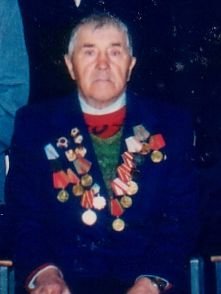
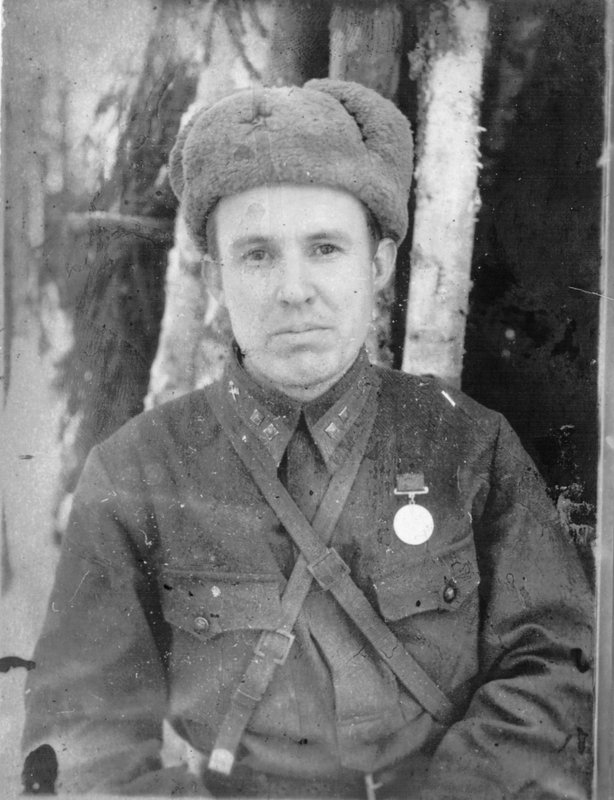


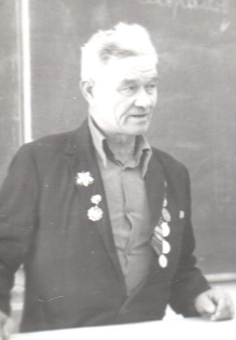
Alexander Kaburkin
Rank: Red Army Soldier.
Unit: 162nd Rifle Division (2nd formation).
Kaburkin Alexander fought in 562nd Rifle Battalion on the Western front from January 2, 1943 to May 4, 1943. Every day the sappers were on the front line: it was necessary to remove the barbed wire, clear the areas for the passage of our tanks and infantry. In addition, at night in the dark, they went to scout, met with the Germans face to face, but no one shot at each other, because it was impossible to make a fuss and among the German soldiers there were also peaceful people who did not need this war and they also wanted to live. And there were many such cases.
Once, after the liberation of a village in the Smolensk Region, the sappers were given the task of combing the entire neighborhood. The leader with several sappers went to check. There were no houses in the village, everything was burned down. The sappers, including a grandfather, cleared mines, checked the basements and cellars. Somewhere not far away they heard German speech, but no one was in sight. They went on and saw the shadow of a man (it was night). They went quietly to the cellar, where they could hear voices. It turned out that German soldiers were sitting there, eating and drinking. We should have taken them alive. The leader of the group ordered: "Kaburkin, jump into the cellar and neutralize the Germans." Grandfather jumped into the cellar. He shouted, "Hands up! You are surrounded!” The Germans realized that they had fallen into Russians hands, and one by one they began to leave the cellar without firing a single shot. Alexander was presented to the government award - the Medal For Bravery.
They met the Germans face-to-face a lot more when they went on reconnaissance, but everything ended well. In one of the battles near Smolensk on May 4, 1943, he was wounded in both legs. Alexander was sent to a hospital in Sloboda, Kirov Region. There he was treated for a long time, the wounds did not heal, festered. Shrapnel was embedded in both shins, and the bones were shattered.
After a long treatment, my grandfather was sent home for a full recovery. At home, every 2 weeks, he had to be registered at the military enlistment office, then go back to the front. But the wounds did not heal for a long time, and the legs continued to rot. It was hard and painful to walk. Sometimes, when the legs were treated by a doctor, fragments fell out, but the largest ones that stuck in the bones remained until the end of life.
Alexander Kaburkin
Rank: Red Army Soldier.
Unit: 162nd Rifle Division (2nd formation).
Kaburkin Alexander fought in 562nd Rifle Battalion on the Western front from January 2, 1943 to May 4, 1943. Every day the sappers were on the front line: it was necessary to remove the barbed wire, clear the areas for the passage of our tanks and infantry. In addition, at night in the dark, they went to scout, met with the Germans face to face, but no one shot at each other, because it was impossible to make a fuss and among the German soldiers there were also peaceful people who did not need this war and they also wanted to live. And there were many such cases.
Once, after the liberation of a village in the Smolensk Region, the sappers were given the task of combing the entire neighborhood. The leader with several sappers went to check. There were no houses in the village, everything was burned down. The sappers, including a grandfather, cleared mines, checked the basements and cellars. Somewhere not far away they heard German speech, but no one was in sight. They went on and saw the shadow of a man (it was night). They went quietly to the cellar, where they could hear voices. It turned out that German soldiers were sitting there, eating and drinking. We should have taken them alive. The leader of the group ordered: "Kaburkin, jump into the cellar and neutralize the Germans." Grandfather jumped into the cellar. He shouted, "Hands up! You are surrounded!” The Germans realized that they had fallen into Russians hands, and one by one they began to leave the cellar without firing a single shot. Alexander was presented to the government award - the Medal For Bravery.
They met the Germans face-to-face a lot more when they went on reconnaissance, but everything ended well. In one of the battles near Smolensk on May 4, 1943, he was wounded in both legs. Alexander was sent to a hospital in Sloboda, Kirov Region. There he was treated for a long time, the wounds did not heal, festered. Shrapnel was embedded in both shins, and the bones were shattered.
After a long treatment, my grandfather was sent home for a full recovery. At home, every 2 weeks, he had to be registered at the military enlistment office, then go back to the front. But the wounds did not heal for a long time, and the legs continued to rot. It was hard and painful to walk. Sometimes, when the legs were treated by a doctor, fragments fell out, but the largest ones that stuck in the bones remained until the end of life.
0 comment




2026 © Russian Military Historical Society Developed by Jetmix