
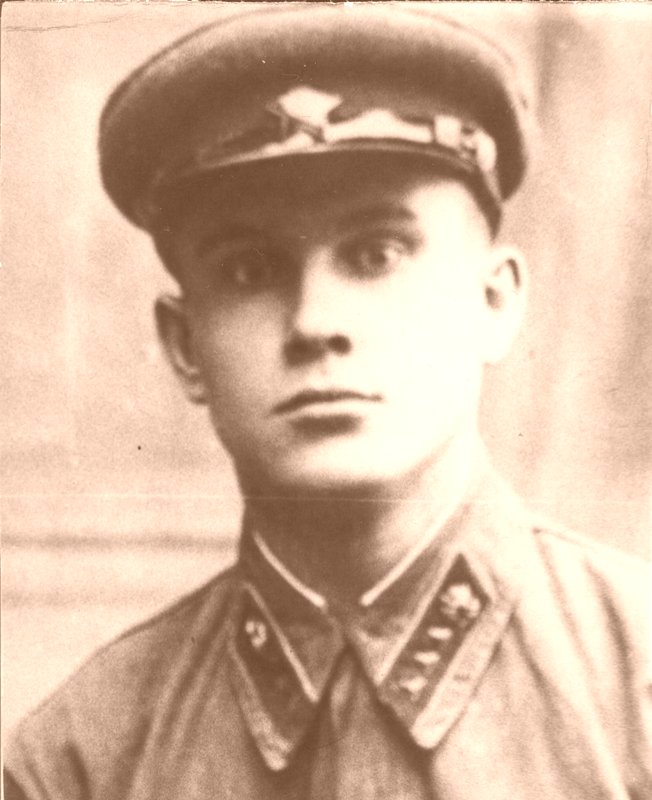
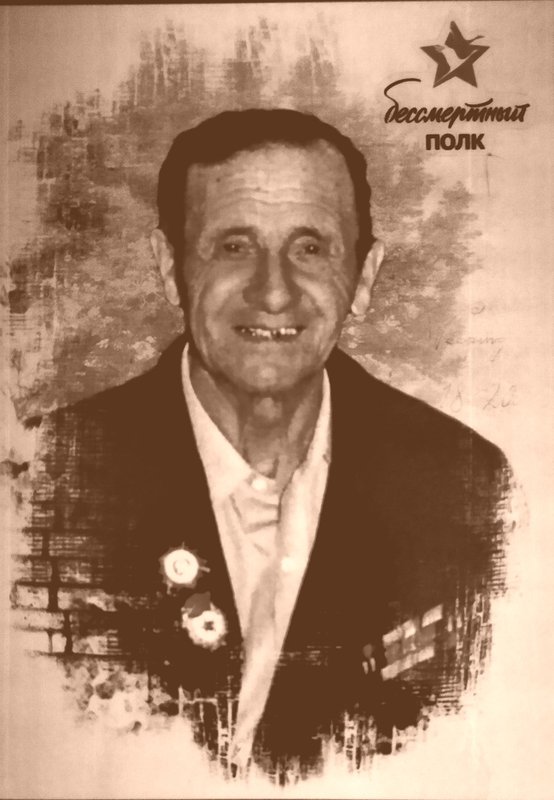
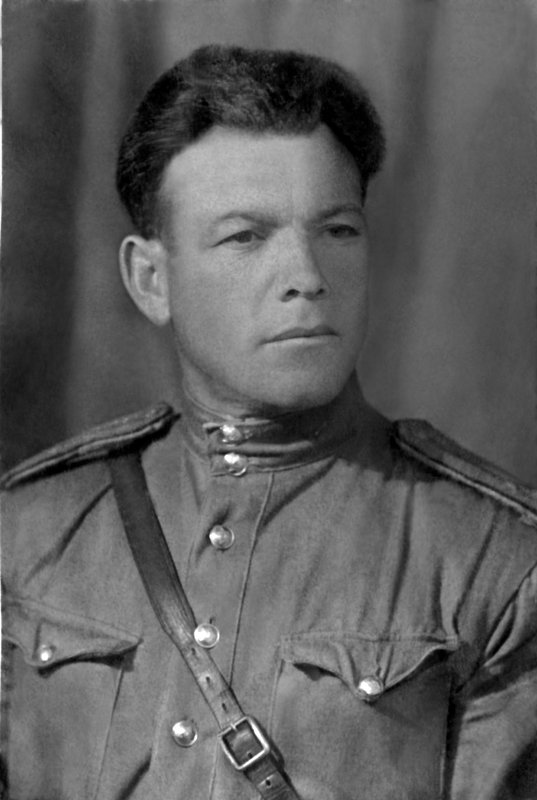
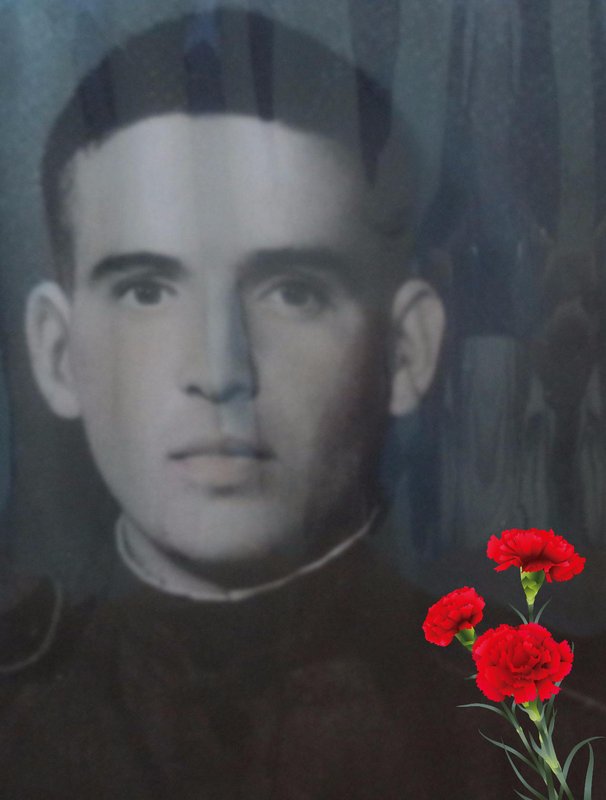
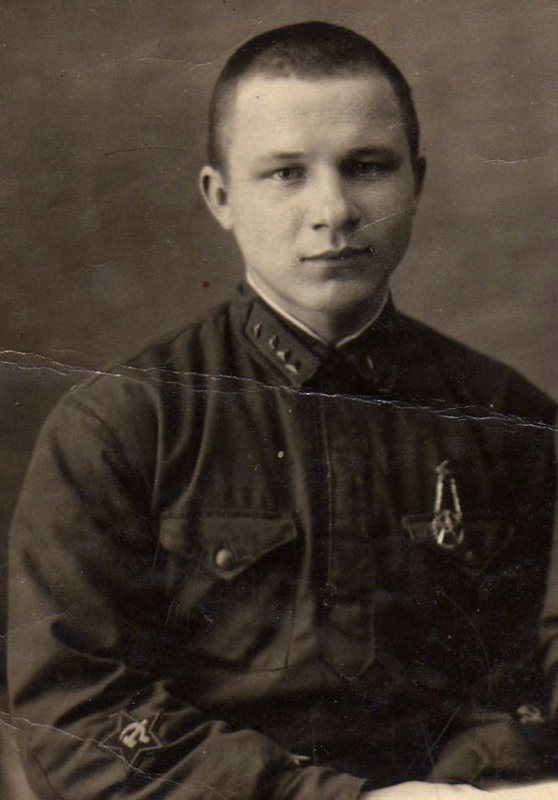
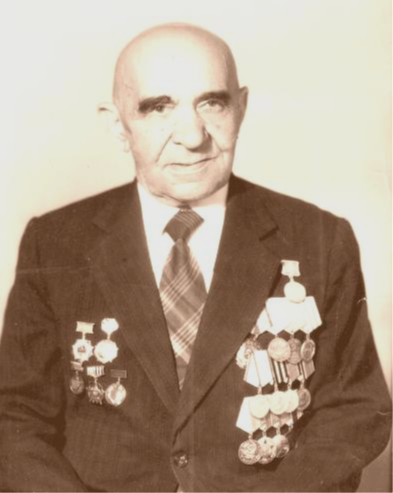
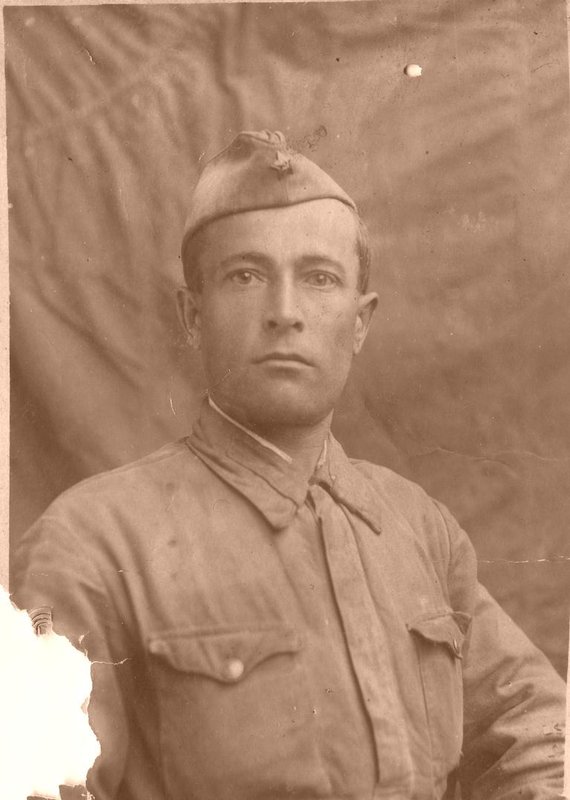
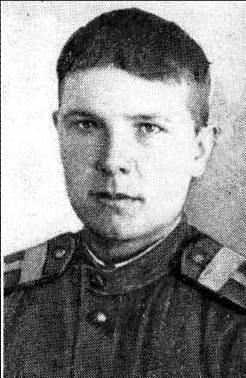
Kharchenko Alexander Korneevich
Alexander Korneevich Kharchenko was born on December 5, 1918 in a peasant family. In 1927, at the age of nine, with his parents, he arrived in the village of Uzhur (now the city of Uzhursky District of the Krasnoyarsk Territory). In 1935 he graduated from six classes and started working as a worker of the 10th distance of the way to Uzhur station. In 1938 he was drafted into the ranks of the Red Army, where in 1939 he joined the Komsomol. Demobilized in 1940 due to illness. After returning, he worked as the head of the Uzhur District House of Culture. In March 1942 he was drafted into the Red Army. From June 12, 1944, Kharchenko was in the active army on the 2nd Belorussian Front. On June 27, 1944, the scout of the 364th rifle regiment of the 139th rifle division of the 50th army, Sergeant Major Kharchenko, as part of a group that included Senior Lieutenant Melnov, Junior Lieutenant Paikov, Sergeant Major Kirillov, Sergeant Major Khalmanov, Junior Sergeant Ivanov, under heavy fire the enemy, using improvised means, overcame the Dnieper River near the village of Buinichi, Mogilev district, Mogilev region of the Republic of Belarus, seized a bridgehead on the opposite bank. With machine gun fire and grenades, a group of scouts destroyed the enemy firing points, which ensured the passage of the entire battalion to the right bank of the Dnieper. With the seizure of the bridgehead, a red flag was erected on one of the houses in the village of Buinichi, which inspired the Soviet soldiers and brought confusion to the enemy's camp. On July 2, 1944, the commander of the 364th Infantry Regiment, Lieutenant Colonel Petrov, Sergeant Major Khalmanov was nominated for the title of Hero of the Soviet Union. From June 19 to June 20, 1944, in the battles for the village of Pogorana, Grodno district of the Grodno region, the commander of the pedestrian reconnaissance section of the 1st rifle battalion of the 364th rifle regiment of the 139th rifle division, Sergeant Major Kharchenko personally destroyed 7 German soldiers and one German officer, during a counterattack enemy participated in repelling it. On August 12, 1944, a candidate for membership in the All-Union Communist Party of Bolsheviks, Sergeant Major Kharchenko, died in battles for the city - the fortress of Osovets Poland. He was buried on the southwestern outskirts of the village of Mryki (Polish Mroczki), now the rural Gmina Trzchanne (Polish Gmina Trzcianne), Monki County, Podlaskie Voivodeship, Poland. Awards • Medal "Gold Star" of the Hero of the Soviet Union No. 5422 (24.03.1945); • Order of Lenin (03.24.1945); Order of Glory 3rd degree (09/07/1944). Memory- The Hero's name is engraved in gold letters in the Hall of Glory of the Central Museum of the Great Patriotic War in the Victory Park of Moscow. In 1967, Proletarskaya Street in the town of Uzhur, Uzhursky District, Krasnoyarsk Territory was renamed into Kharchenko Street. The name of Kharchenko was assigned to secondary school No. 1 of the city of Uzhur. In the city of Uzhur, a bust of A.K. Kharchenko.
Kharchenko Alexander Korneevich
Alexander Korneevich Kharchenko was born on December 5, 1918 in a peasant family. In 1927, at the age of nine, with his parents, he arrived in the village of Uzhur (now the city of Uzhursky District of the Krasnoyarsk Territory). In 1935 he graduated from six classes and started working as a worker of the 10th distance of the way to Uzhur station. In 1938 he was drafted into the ranks of the Red Army, where in 1939 he joined the Komsomol. Demobilized in 1940 due to illness. After returning, he worked as the head of the Uzhur District House of Culture. In March 1942 he was drafted into the Red Army. From June 12, 1944, Kharchenko was in the active army on the 2nd Belorussian Front. On June 27, 1944, the scout of the 364th rifle regiment of the 139th rifle division of the 50th army, Sergeant Major Kharchenko, as part of a group that included Senior Lieutenant Melnov, Junior Lieutenant Paikov, Sergeant Major Kirillov, Sergeant Major Khalmanov, Junior Sergeant Ivanov, under heavy fire the enemy, using improvised means, overcame the Dnieper River near the village of Buinichi, Mogilev district, Mogilev region of the Republic of Belarus, seized a bridgehead on the opposite bank. With machine gun fire and grenades, a group of scouts destroyed the enemy firing points, which ensured the passage of the entire battalion to the right bank of the Dnieper. With the seizure of the bridgehead, a red flag was erected on one of the houses in the village of Buinichi, which inspired the Soviet soldiers and brought confusion to the enemy's camp. On July 2, 1944, the commander of the 364th Infantry Regiment, Lieutenant Colonel Petrov, Sergeant Major Khalmanov was nominated for the title of Hero of the Soviet Union. From June 19 to June 20, 1944, in the battles for the village of Pogorana, Grodno district of the Grodno region, the commander of the pedestrian reconnaissance section of the 1st rifle battalion of the 364th rifle regiment of the 139th rifle division, Sergeant Major Kharchenko personally destroyed 7 German soldiers and one German officer, during a counterattack enemy participated in repelling it. On August 12, 1944, a candidate for membership in the All-Union Communist Party of Bolsheviks, Sergeant Major Kharchenko, died in battles for the city - the fortress of Osovets Poland. He was buried on the southwestern outskirts of the village of Mryki (Polish Mroczki), now the rural Gmina Trzchanne (Polish Gmina Trzcianne), Monki County, Podlaskie Voivodeship, Poland. Awards • Medal "Gold Star" of the Hero of the Soviet Union No. 5422 (24.03.1945); • Order of Lenin (03.24.1945); Order of Glory 3rd degree (09/07/1944). Memory- The Hero's name is engraved in gold letters in the Hall of Glory of the Central Museum of the Great Patriotic War in the Victory Park of Moscow. In 1967, Proletarskaya Street in the town of Uzhur, Uzhursky District, Krasnoyarsk Territory was renamed into Kharchenko Street. The name of Kharchenko was assigned to secondary school No. 1 of the city of Uzhur. In the city of Uzhur, a bust of A.K. Kharchenko.
0 comment



2026 © Russian Military Historical Society Developed by Jetmix