

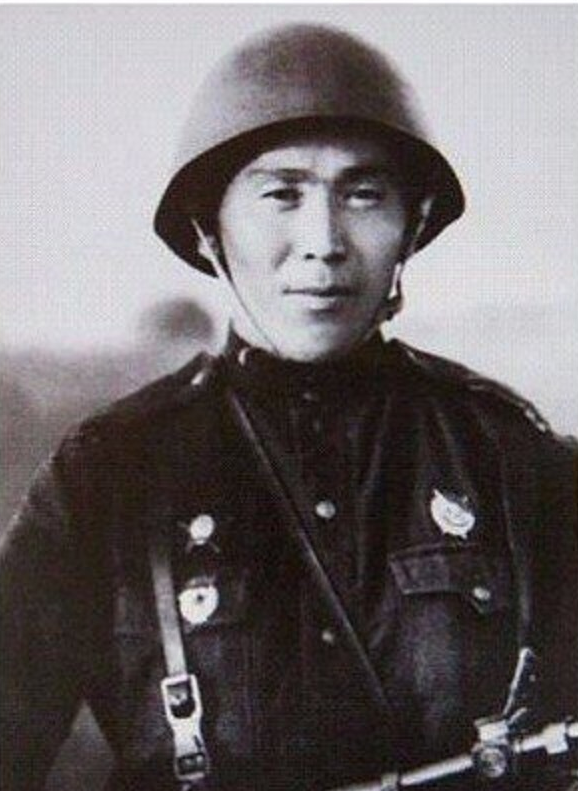
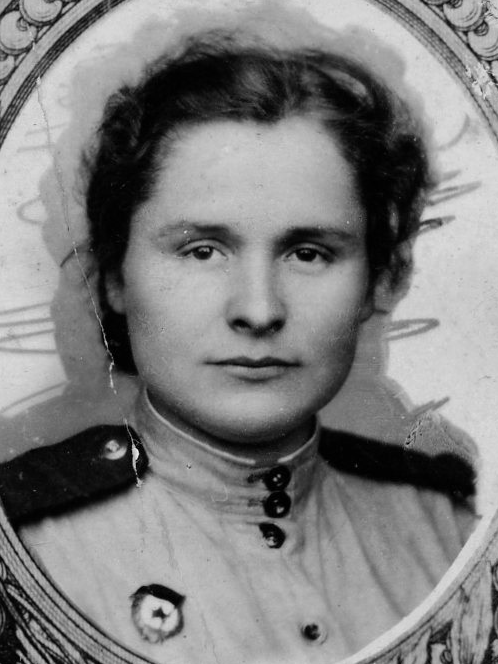
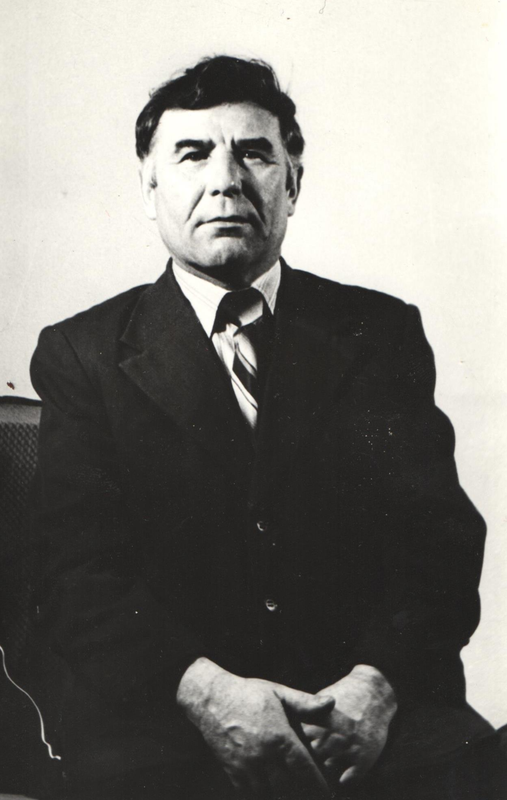
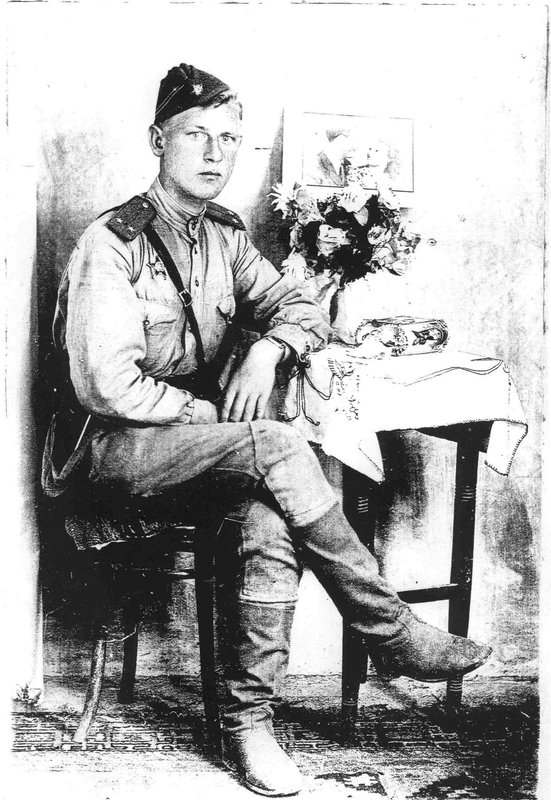
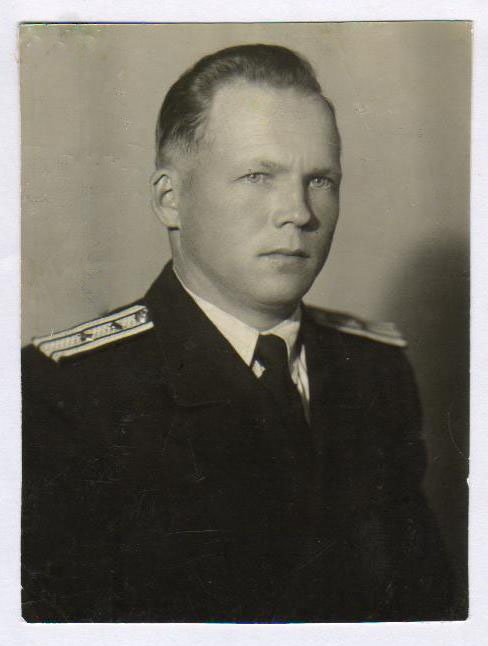
Ineshin Konstantin Vasilievich
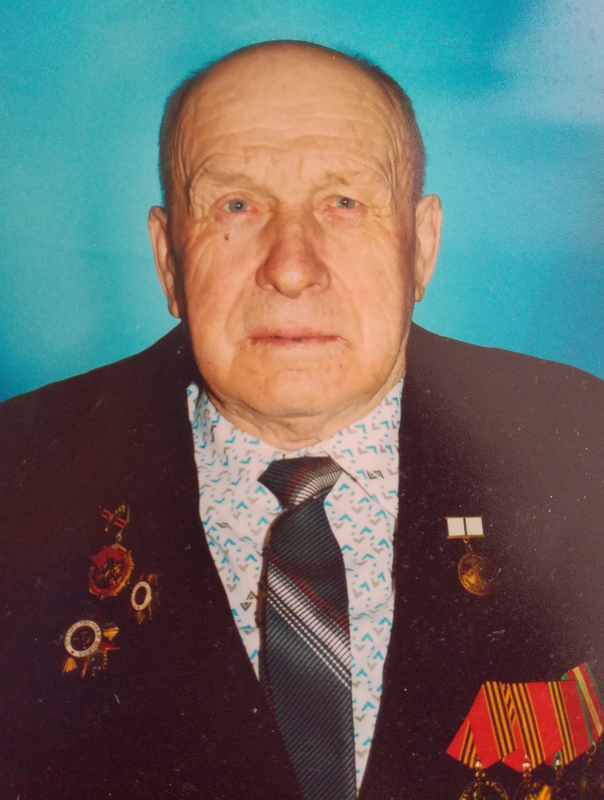
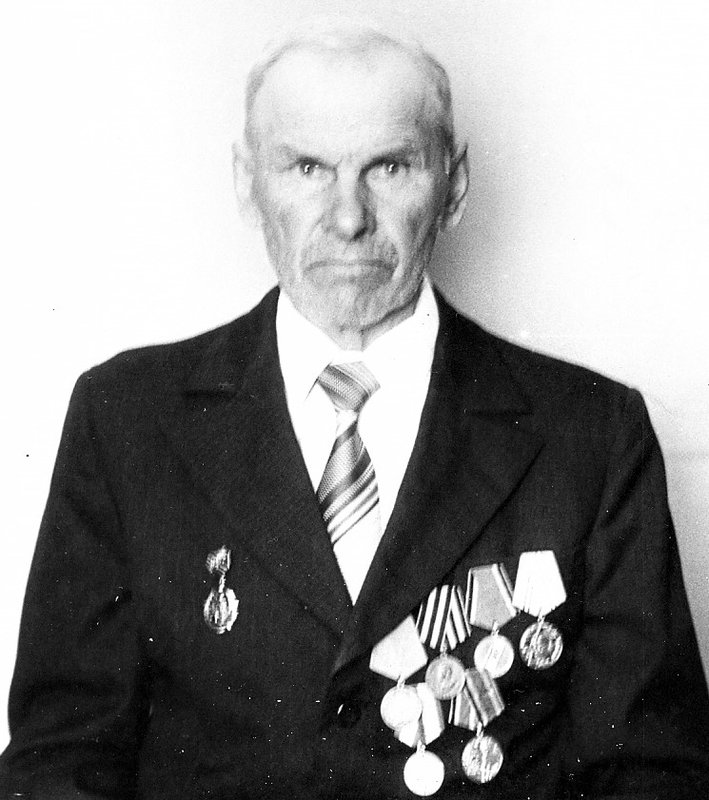
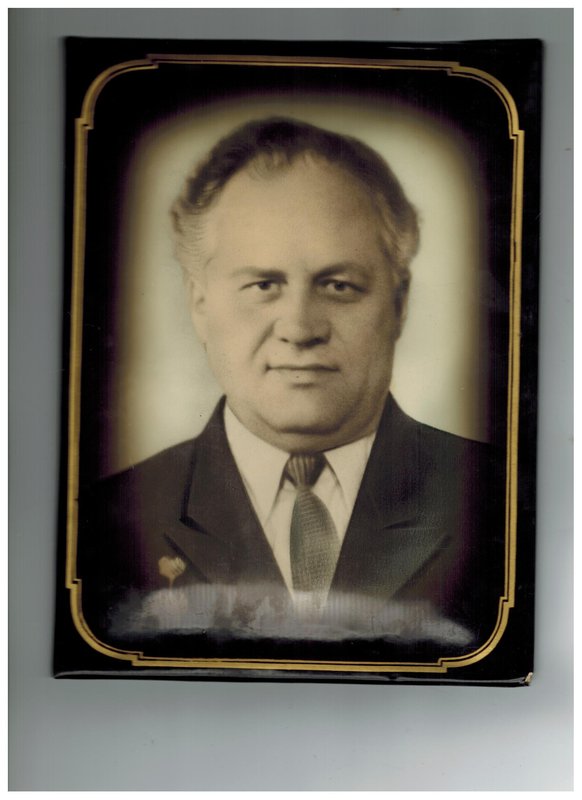
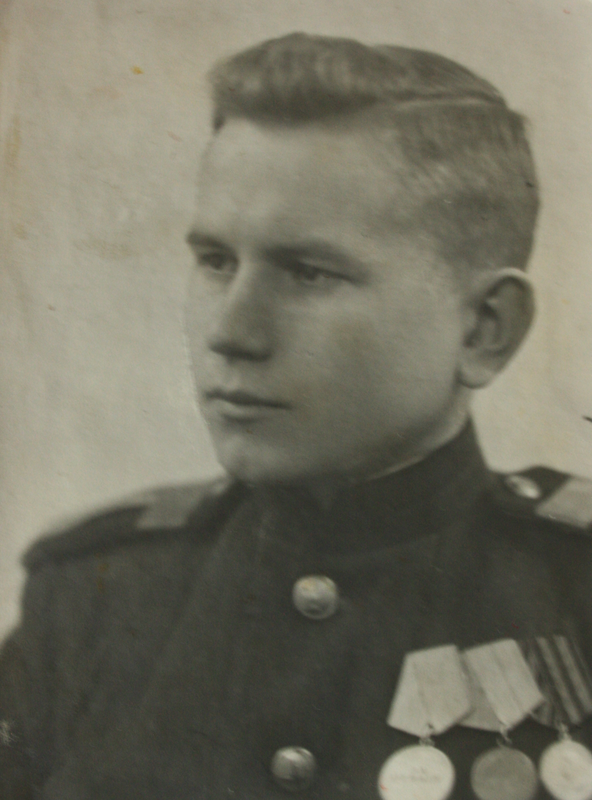
Type of troops: Military-legal structure .Ineshin Konstantin Vasilyevich from a young age dreamed of devoting himself to legal work .In 1935 he graduated from the East Siberian Regional Law School in Irkutsk and was appointed People's Investigator of the District Prosecutor's Office in Kirensk, Irkutsk Region. Further, the call to the Red Army regimental school and again work in the Kirensk district prosecutor's office in 1939. Ineshin K.V. was appointed assistant. Prosecutor of the Kirensk District Prosecutor's Office. The war began in 1941, he was appointed the prosecutor of the Kirensky district. As an experienced investigator, Moscow sends K.V. Ineshina. in September 1943, in the Stavropol Territory, he was assigned the rank of Junior Counselor of Justice to the staff of the regional criminal and judicial department by the prosecutor. Here his front became on the former occupied territory of the Stavropol Territory, the fight against any undead evil spirits began: traitors, bandits, looters, speculators of all stripes. In conditions of devastation, speculation, want and hunger, it was necessary to restore law and order with arms. The war is over and as a soldier who has proved himself as a competent, impeccable worker, he is awarded the medal "For Victory over Germany in the Great Patriotic War 1941-1945." In 1947 K.V. Ineshin As the best promising worker, he goes to Moscow for advanced training courses under the General Prosecutor of the USSR and successfully completes them in 1948. In September of the same year, he was appointed transport prosecutor of the Kirensky section of the Lena basin. Painstaking work in the cities and villages of the Upper Lena to disclose and suppress crimes. In August 1953, a ridiculous death from botulism interrupted his life on takeoff at 39 years old.
Ineshin Konstantin Vasilievich
Type of troops: Military-legal structure .Ineshin Konstantin Vasilyevich from a young age dreamed of devoting himself to legal work .In 1935 he graduated from the East Siberian Regional Law School in Irkutsk and was appointed People's Investigator of the District Prosecutor's Office in Kirensk, Irkutsk Region. Further, the call to the Red Army regimental school and again work in the Kirensk district prosecutor's office in 1939. Ineshin K.V. was appointed assistant. Prosecutor of the Kirensk District Prosecutor's Office. The war began in 1941, he was appointed the prosecutor of the Kirensky district. As an experienced investigator, Moscow sends K.V. Ineshina. in September 1943, in the Stavropol Territory, he was assigned the rank of Junior Counselor of Justice to the staff of the regional criminal and judicial department by the prosecutor. Here his front became on the former occupied territory of the Stavropol Territory, the fight against any undead evil spirits began: traitors, bandits, looters, speculators of all stripes. In conditions of devastation, speculation, want and hunger, it was necessary to restore law and order with arms. The war is over and as a soldier who has proved himself as a competent, impeccable worker, he is awarded the medal "For Victory over Germany in the Great Patriotic War 1941-1945." In 1947 K.V. Ineshin As the best promising worker, he goes to Moscow for advanced training courses under the General Prosecutor of the USSR and successfully completes them in 1948. In September of the same year, he was appointed transport prosecutor of the Kirensky section of the Lena basin. Painstaking work in the cities and villages of the Upper Lena to disclose and suppress crimes. In August 1953, a ridiculous death from botulism interrupted his life on takeoff at 39 years old.
0 comment



2026 © Russian Military Historical Society Developed by Jetmix