

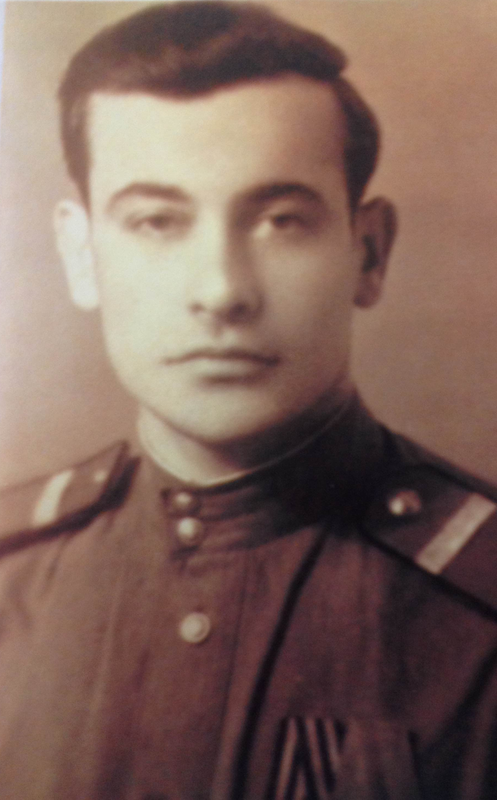
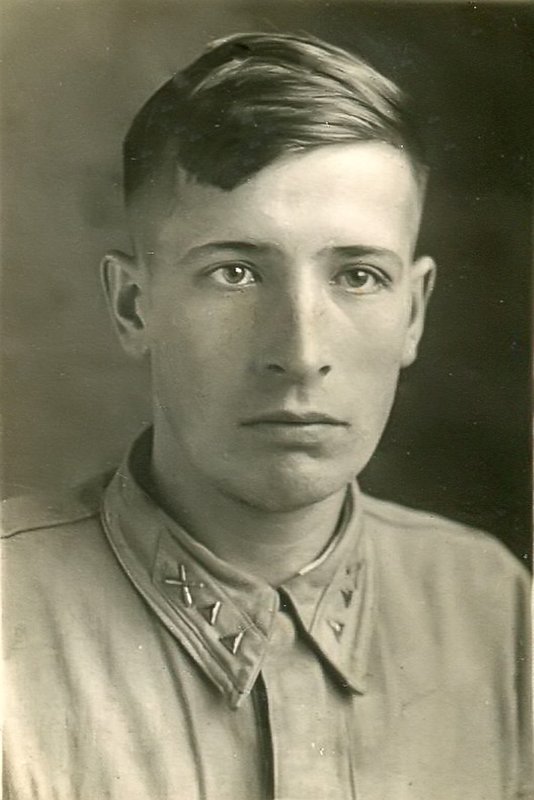
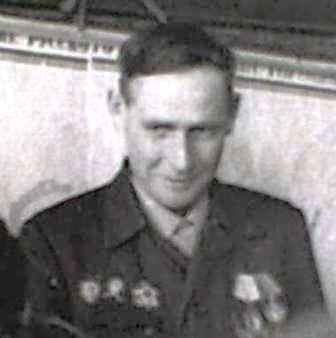
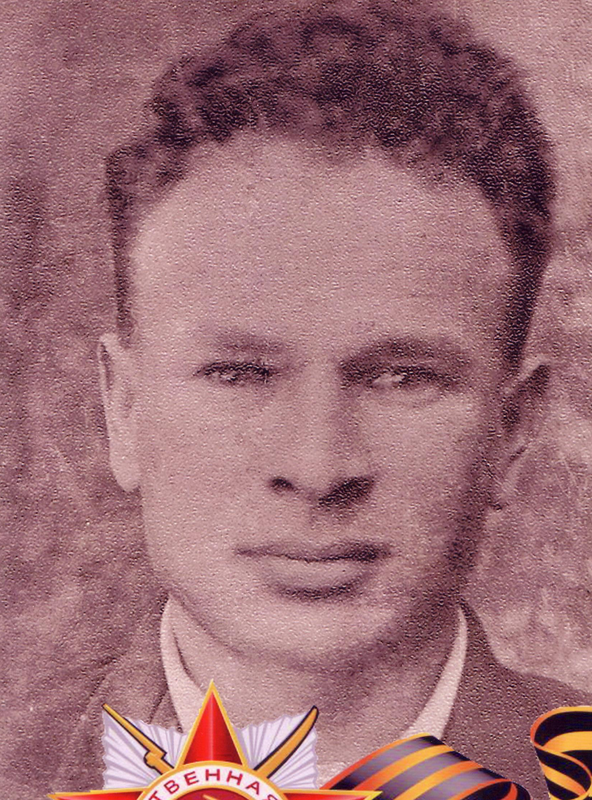
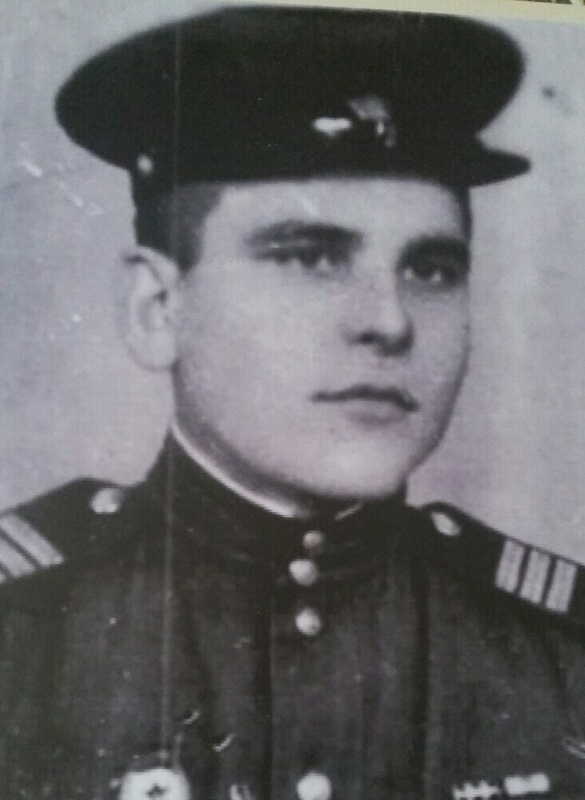
Krugovoy Grigory Nikolaevich
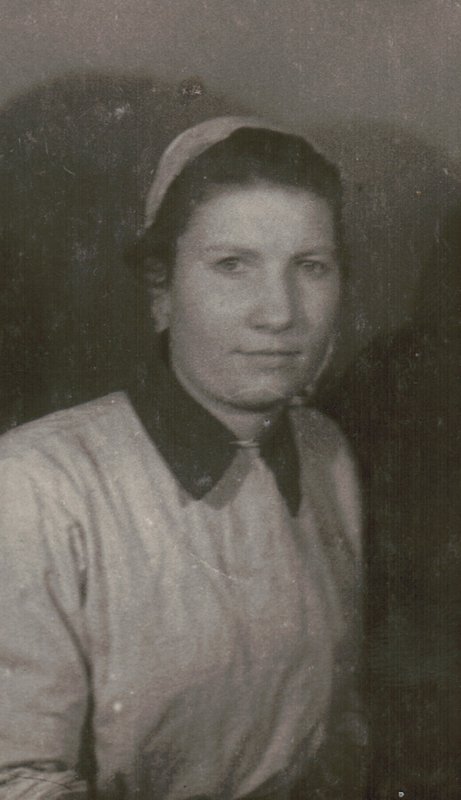
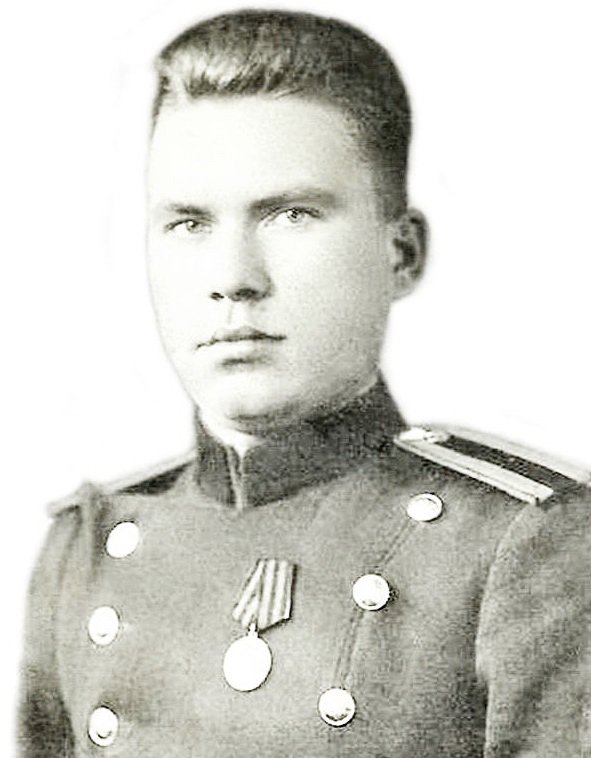
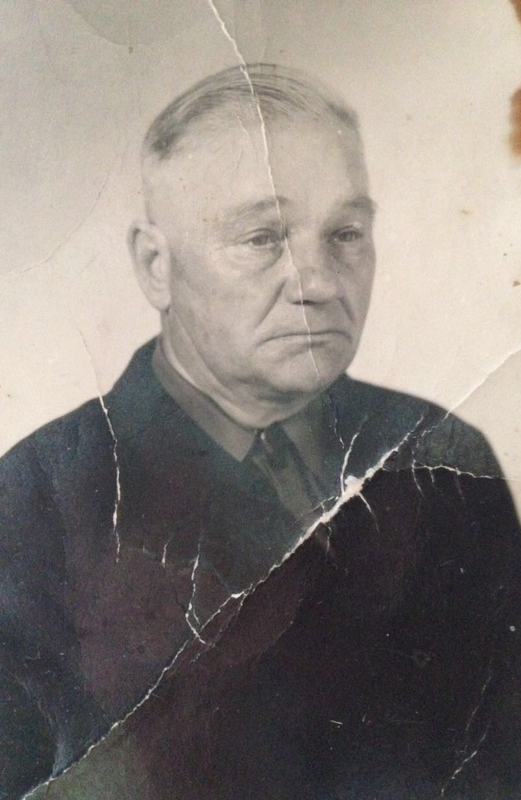
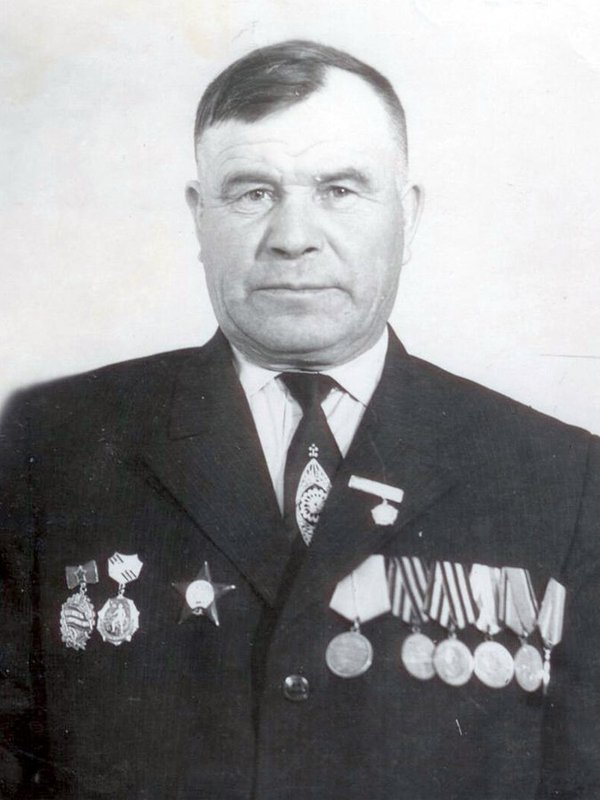
Rank: Sergeant Type of troops: Armored and Mechanized Troops Division: 159th rifle division (1st formation). Grigory Nikolaevich Krugovoy has the same dream about the war. Like a flash of lightning, dreams snatch a fragment of the attack on Rzhev. The ground is covered with the decomposing corpses of Russian and German soldiers. From this horror Grigory could neither eat nor drink. In that direction, the warring parties suffered huge losses, according to the latest calculations, there were more casualties than in the battle of Stalingrad. The fascists were rushing to Moscow, the Soviet troops were standing to their death. This was the start of the war for Gregory Krugovoy. He was supposed to be drafted in 1942. However, he was not taken to the army, leaving him to pick harvest. In Orenburg, it turned out to be an unprecedented year, and the tractor driver was given a reservation - it was necessary to harvest wheat. An 18-year-old boy ran away to the front after all. His four brothers were already fighting the enemy, and he could not sit in his native collective farm in the Akbulak district. But the volunteer was taken off the train, literally by the scruff of the neck and sent to the field. All the soldiers who were on the train died on the first day, as it later became known. And only in September, after the harvest, he was called up to the Red Army. After a short training at Ufa, a recruit of the 159th division of the 631st mortar regiment was sent to the front line at Rzhev. The Soviet troops rejoiced that they had defended the city on the Volga, but the USSR was expecting a "second Stalingrad". It was assumed that the Germans would go to Moscow through Orel. But intelligence reported that as the main direction the enemy chose Rzhev. The Soviet troops, anticipating it, launched a counteroffensive. From Rzhev they went to Smolensk with heavy battles. In the village of Sychevka in the area of Vyazma Krugovoi was wounded in the arm. The young soldier was treated in a hospital in Kislovodsk. The captain came to "woo" the recovering front-line soldiers to the tank unit. Grigory also raised his hand in agreement: "Take me - I'm a tractor driver. I was already in the infantry. If die - then with music." That was a hint on the radio in the tank. After three months of training, the gun commander was sent to the factory for a tank. In Omsk, there was a queue for heavy equipment. From the headquarters of the Supreme commander-in-Chief, tankers are asked to help the factory workers. They put up together 29 tanks on the line 24 hours a day and worked around the clock. The front demanded more and more. Grigory volunteered to assemble the gearboxes. The new tanks were loaded into long trains. In the Urals, military equipment was driven quickly, on double traction. In Kuibyshev they sharply turned 90 degrees and went a new direction - to Odessa. The train with tanks got under massive fire from enemy planes. The combat vehicles were hastily unloaded, and they moved on their own over the pontoon bridge over the Prut river. They fought through Romania and Bulgaria. Advanced units were moving forward, followed by the tankers who were securing the bridgeheads. The Germans felt the end, and ran fast. The 37th mechanized brigade of the 4th guards tank corps, where a Guard Sergeant fought, made marches 30-40 kilometers forward, waited for the rear, and again moved forward. During the liberation of the capital of Yugoslavia, Belgrade, his tank was hit. Grigory Krugovoy spent a month in a hospital with a concussion. It was pointless to catch up with his unit, they went to lake Balaton. He was assigned to the 1st company of the 8th division of the SMERSH counterintelligence rifle regiment of the third Ukrainian front. It was a famous division. It dealt with the Vlasovites, and white emigrants also came under its close attention. Grigory Nikolaevich was involved in the protection of the headquarters. The war ended for him in Austria. Recalling his combat experience Krugovoy jokes: "Went through both the Crimea and Rome. I was a mortar and a gunner, and served in the intelligence service. Shot accurately, in Ufa during the exercises all the shells were sent "in the bull's eye". The commander gave a cigarette case for accuracy. He was lucky in that war: he, the youngest in the family, went through fire and hardships, remained alive. And to the brothers-eternal memory. Andrey Nikolaevich died the death of the brave near Konigsberg in 1945.
Krugovoy Grigory Nikolaevich
Rank: Sergeant Type of troops: Armored and Mechanized Troops Division: 159th rifle division (1st formation). Grigory Nikolaevich Krugovoy has the same dream about the war. Like a flash of lightning, dreams snatch a fragment of the attack on Rzhev. The ground is covered with the decomposing corpses of Russian and German soldiers. From this horror Grigory could neither eat nor drink. In that direction, the warring parties suffered huge losses, according to the latest calculations, there were more casualties than in the battle of Stalingrad. The fascists were rushing to Moscow, the Soviet troops were standing to their death. This was the start of the war for Gregory Krugovoy. He was supposed to be drafted in 1942. However, he was not taken to the army, leaving him to pick harvest. In Orenburg, it turned out to be an unprecedented year, and the tractor driver was given a reservation - it was necessary to harvest wheat. An 18-year-old boy ran away to the front after all. His four brothers were already fighting the enemy, and he could not sit in his native collective farm in the Akbulak district. But the volunteer was taken off the train, literally by the scruff of the neck and sent to the field. All the soldiers who were on the train died on the first day, as it later became known. And only in September, after the harvest, he was called up to the Red Army. After a short training at Ufa, a recruit of the 159th division of the 631st mortar regiment was sent to the front line at Rzhev. The Soviet troops rejoiced that they had defended the city on the Volga, but the USSR was expecting a "second Stalingrad". It was assumed that the Germans would go to Moscow through Orel. But intelligence reported that as the main direction the enemy chose Rzhev. The Soviet troops, anticipating it, launched a counteroffensive. From Rzhev they went to Smolensk with heavy battles. In the village of Sychevka in the area of Vyazma Krugovoi was wounded in the arm. The young soldier was treated in a hospital in Kislovodsk. The captain came to "woo" the recovering front-line soldiers to the tank unit. Grigory also raised his hand in agreement: "Take me - I'm a tractor driver. I was already in the infantry. If die - then with music." That was a hint on the radio in the tank. After three months of training, the gun commander was sent to the factory for a tank. In Omsk, there was a queue for heavy equipment. From the headquarters of the Supreme commander-in-Chief, tankers are asked to help the factory workers. They put up together 29 tanks on the line 24 hours a day and worked around the clock. The front demanded more and more. Grigory volunteered to assemble the gearboxes. The new tanks were loaded into long trains. In the Urals, military equipment was driven quickly, on double traction. In Kuibyshev they sharply turned 90 degrees and went a new direction - to Odessa. The train with tanks got under massive fire from enemy planes. The combat vehicles were hastily unloaded, and they moved on their own over the pontoon bridge over the Prut river. They fought through Romania and Bulgaria. Advanced units were moving forward, followed by the tankers who were securing the bridgeheads. The Germans felt the end, and ran fast. The 37th mechanized brigade of the 4th guards tank corps, where a Guard Sergeant fought, made marches 30-40 kilometers forward, waited for the rear, and again moved forward. During the liberation of the capital of Yugoslavia, Belgrade, his tank was hit. Grigory Krugovoy spent a month in a hospital with a concussion. It was pointless to catch up with his unit, they went to lake Balaton. He was assigned to the 1st company of the 8th division of the SMERSH counterintelligence rifle regiment of the third Ukrainian front. It was a famous division. It dealt with the Vlasovites, and white emigrants also came under its close attention. Grigory Nikolaevich was involved in the protection of the headquarters. The war ended for him in Austria. Recalling his combat experience Krugovoy jokes: "Went through both the Crimea and Rome. I was a mortar and a gunner, and served in the intelligence service. Shot accurately, in Ufa during the exercises all the shells were sent "in the bull's eye". The commander gave a cigarette case for accuracy. He was lucky in that war: he, the youngest in the family, went through fire and hardships, remained alive. And to the brothers-eternal memory. Andrey Nikolaevich died the death of the brave near Konigsberg in 1945.
0 comment



2026 © Russian Military Historical Society Developed by Jetmix