
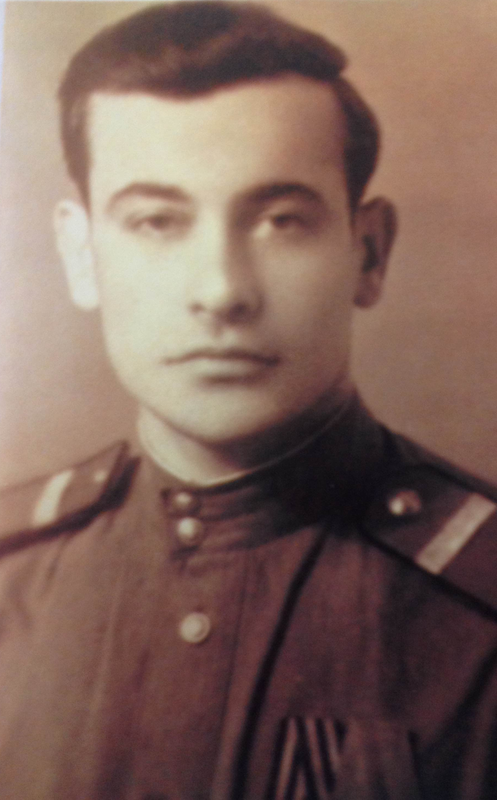
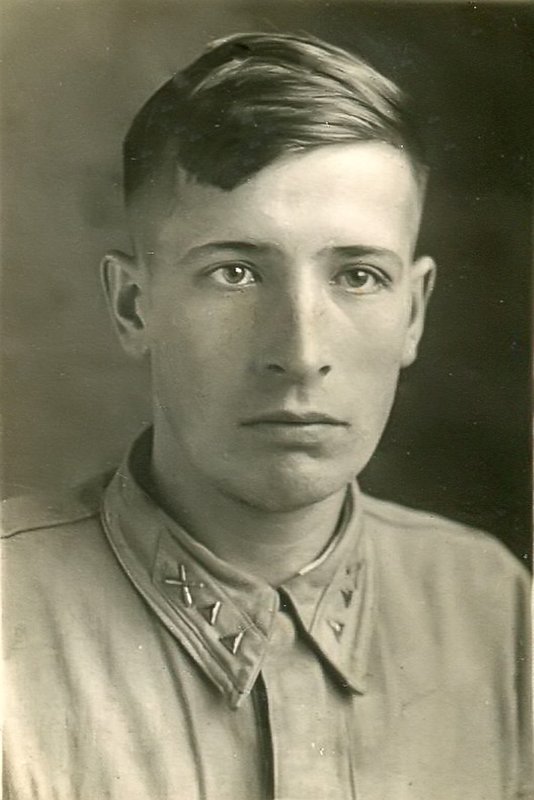
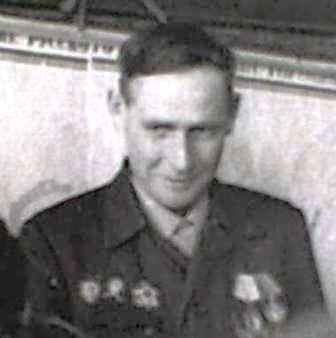
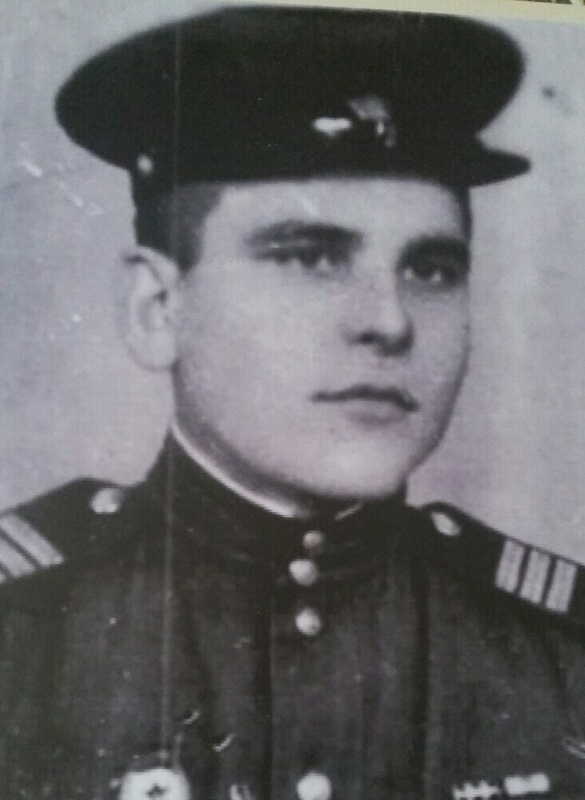
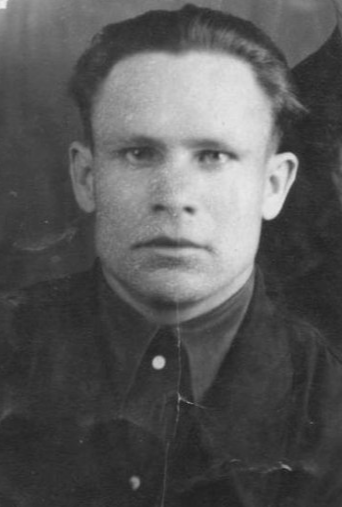
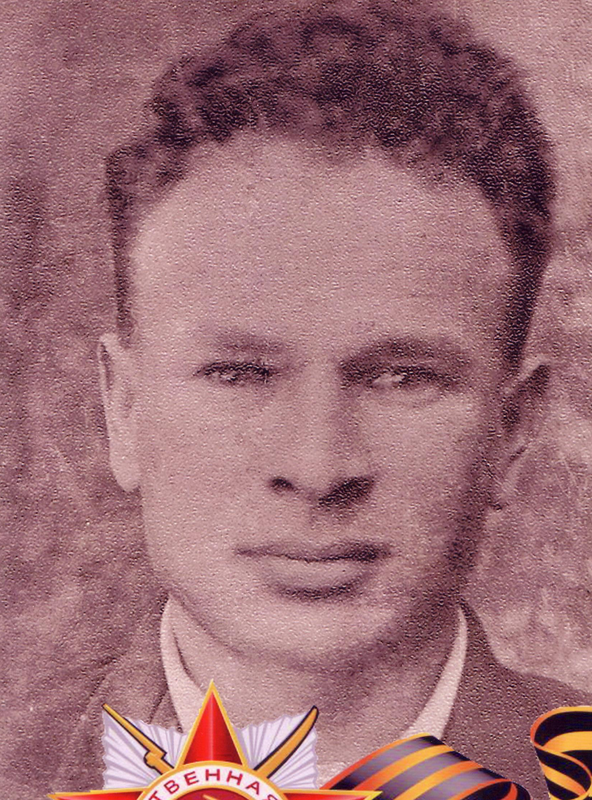
Kochesov Andrew Fedorovich
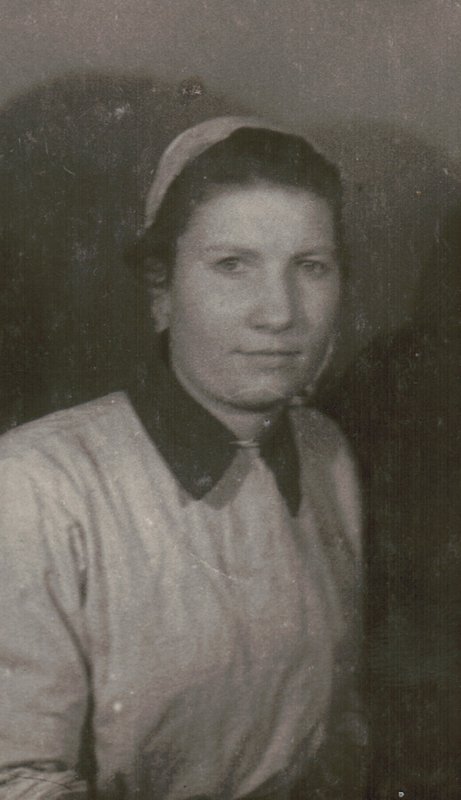
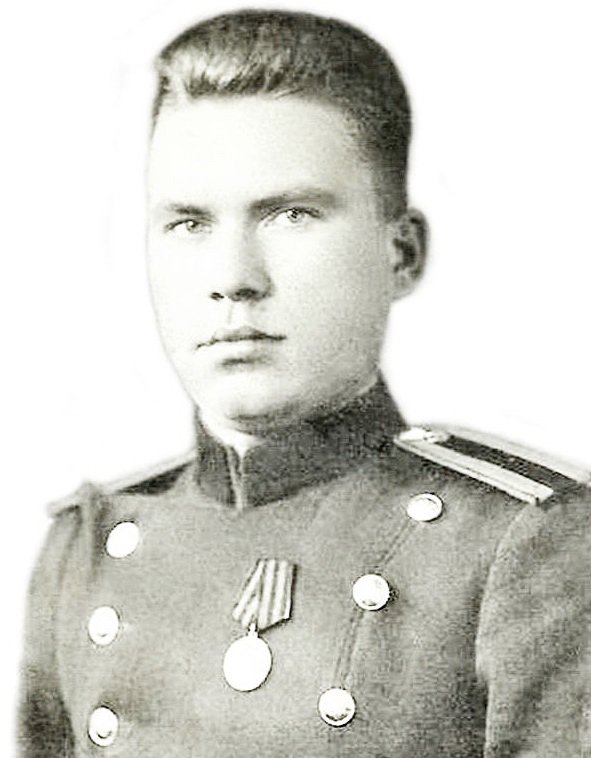
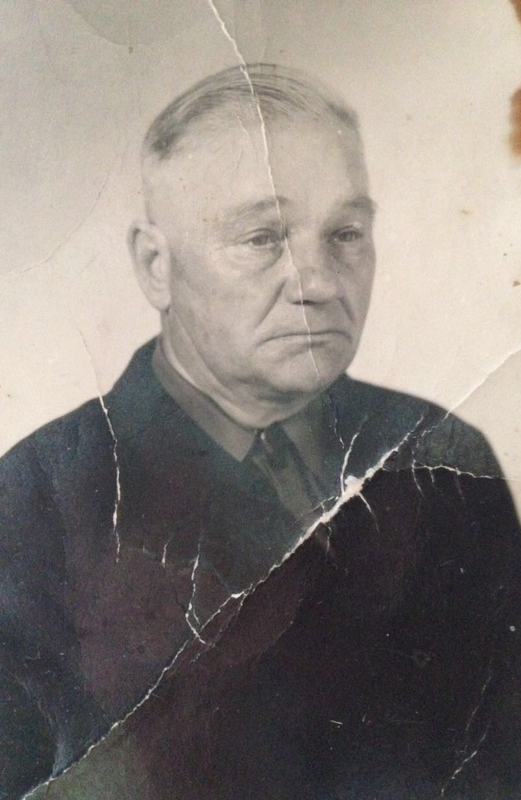
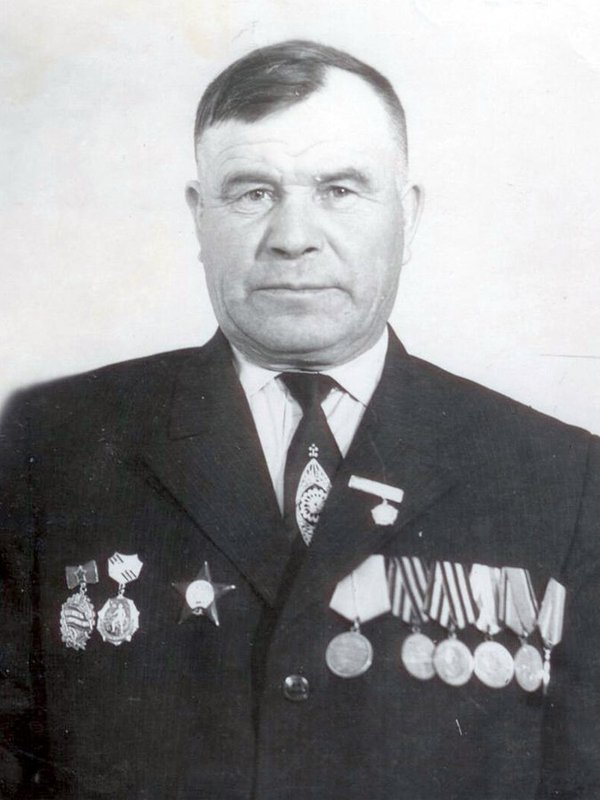
Rank: Red Army Soldier Troops: Artillery. The Great Patriotic War - the most terrible war of the XX century. "War is bitter sweat and blood,..., lost young lives, unlived biographies, unfulfilled hopes, brides who did not become wives, letters that were waited for and afraid to receive," – this is how Yu.Bondarev describes the war in his story "Memory". The war ended long ago, in 1945, but we must always remember the heroes who died in this war. The war affected every home and family of Russians. The family of my great-grandfather during the war lived in the village of Kochetovka Uinskiy district, Molotov region (now Perm Krai). My great-grandfather's name was Kachesov Andrey Fedorovich. He married a 16-year-old girl (my great-grandmother Evdokia) at the age of 18. By the beginning of the war, they had three children: Olenka, Vasenka and Valenka (my grandmother), as their father affectionately called them in a letter from the front. In July 1941, Andrey was drafted into the Red Army. He was 25 years old. On August 4, 1941, Andrey's family received the first (and only) letter from the front. In the letter, husband and father Andrew wrote: "I lived in Perm for a month, studied a machine gun, I shoot well. Today we will go further, do not send letters until the next address...". His wife Evdokia never found out the next address. The family received a notification that "the Red Army soldier Andrey Kocheshov, while at the front, went missing in November 1941." The military enlistment office reported that Andrey took part in the Smolensk battles. The battle of Smolensk was the biggest and most persistent battle of the first months of the Great Patriotic War. Battles did not stop here neither day nor night from July 1941 to October 1943. So the family was left without a breadwinner. My grandmother Valya (Andrey's daughter) told me more than once how unbearably difficult it was for the family without a father. My great-grandmother took care of the children. To feed her family, she had to work on a collective farm from early morning until late at night. Children grew up independent. In the evening, my mother told her children what household chores they had to do by her arrival. It never came to their minds to disobey their mother, not because they were afraid of being punished, but because they knew that no one else would do the work for them. Their lives largely depended on the result of their work. But despite all the difficulties and hunger, the children remained children. Naughty, joking, playing different games, making their own toys. Dolls were made from rags, stuffed with straw and sawdust. They thought that was how it should be, but they didn't dream of anything else. And, not knowing sweets and chocolate, they grew up every year. But not only were there no sweets for wartime children. They did not have medicines, good clothes, shoes were only bast shoes and felt boots, instead of briefcases they had bundles. But those children survived, grew up and remember that happy, long-awaited Victory Day. My family has never seen their grandfather and great-grandfather, but we love him and are proud of him! Memory is given to us in order to remember those to whom we owe our lives! The family album has his only photo.
Kochesov Andrew Fedorovich
Rank: Red Army Soldier Troops: Artillery. The Great Patriotic War - the most terrible war of the XX century. "War is bitter sweat and blood,..., lost young lives, unlived biographies, unfulfilled hopes, brides who did not become wives, letters that were waited for and afraid to receive," – this is how Yu.Bondarev describes the war in his story "Memory". The war ended long ago, in 1945, but we must always remember the heroes who died in this war. The war affected every home and family of Russians. The family of my great-grandfather during the war lived in the village of Kochetovka Uinskiy district, Molotov region (now Perm Krai). My great-grandfather's name was Kachesov Andrey Fedorovich. He married a 16-year-old girl (my great-grandmother Evdokia) at the age of 18. By the beginning of the war, they had three children: Olenka, Vasenka and Valenka (my grandmother), as their father affectionately called them in a letter from the front. In July 1941, Andrey was drafted into the Red Army. He was 25 years old. On August 4, 1941, Andrey's family received the first (and only) letter from the front. In the letter, husband and father Andrew wrote: "I lived in Perm for a month, studied a machine gun, I shoot well. Today we will go further, do not send letters until the next address...". His wife Evdokia never found out the next address. The family received a notification that "the Red Army soldier Andrey Kocheshov, while at the front, went missing in November 1941." The military enlistment office reported that Andrey took part in the Smolensk battles. The battle of Smolensk was the biggest and most persistent battle of the first months of the Great Patriotic War. Battles did not stop here neither day nor night from July 1941 to October 1943. So the family was left without a breadwinner. My grandmother Valya (Andrey's daughter) told me more than once how unbearably difficult it was for the family without a father. My great-grandmother took care of the children. To feed her family, she had to work on a collective farm from early morning until late at night. Children grew up independent. In the evening, my mother told her children what household chores they had to do by her arrival. It never came to their minds to disobey their mother, not because they were afraid of being punished, but because they knew that no one else would do the work for them. Their lives largely depended on the result of their work. But despite all the difficulties and hunger, the children remained children. Naughty, joking, playing different games, making their own toys. Dolls were made from rags, stuffed with straw and sawdust. They thought that was how it should be, but they didn't dream of anything else. And, not knowing sweets and chocolate, they grew up every year. But not only were there no sweets for wartime children. They did not have medicines, good clothes, shoes were only bast shoes and felt boots, instead of briefcases they had bundles. But those children survived, grew up and remember that happy, long-awaited Victory Day. My family has never seen their grandfather and great-grandfather, but we love him and are proud of him! Memory is given to us in order to remember those to whom we owe our lives! The family album has his only photo.
0 comment




2026 © Russian Military Historical Society Developed by Jetmix