

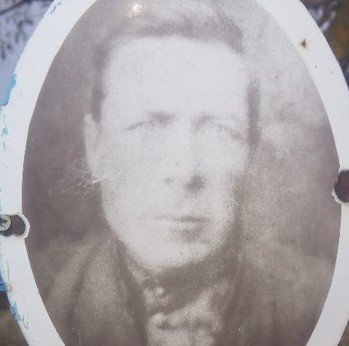


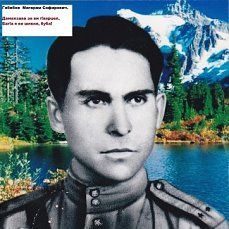


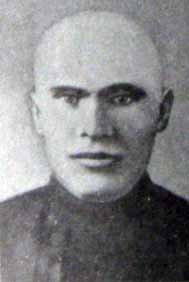
Gritsenko Ignat (Ivan) Kuzmich
Rank: Red Army soldier. Type of Army: Army, Air Force (except marine aviation), the Coast Guard, the troops of the NKVD Border troops. Division: the161st Rifle Division (1st formation). Gritsenko Ignat Kuzmich was a shooter of the 569th Rifle Regiment of the 161st Rifle Division of the 40th Army of the Voronezh Front. He was born on July 26, 1905 in the village of Budilka, now Lebedinsky district, Sumy region (Ukraine) in a peasant family. Ukrainian. Graduated from primary school. In 1923, he moved to Kharkiv, where he worked first as a loader in the transport Department, then as a vulcanizer at the locomotive plant (now the Malyshev plant). He was drafted into the Red Army in 1943 by The Trostyanets district military enlistment office of the Sumy region. Participant of the Great Patriotic War since August 1943. He fought on the Voronezh and 1st Ukrainian Fronts. He served as a rifleman of the 569th Rifle Regiment (the 161st Rifle Division of the 40th Army, Voronezh front). On September 23, 1943, Gritsenko was among the first in the Regiment to cross the Dnieper river near the village of Zarubintsy, Kanevsky district, Cherkasy region (Ukraine). He operated grenades and machine guns skilfully being on the right bank of the river, bursting into the enemy trench and destroying a large number of enemy soldiers and officers. By decree of the Presidium of the Supreme Soviet of the USSR on October 23, 1943, Red Army soldier Ignat Gritsenko was awarded the high title of Hero of the Soviet Union for ""selflessness, perseverance and bravery shown in offensive battles during the crossing of the Dnieper"". He did not have time to receive the order of Lenin and the ""Gold Star"" medal, as he died of a serious wound in a military hospital on November 10, 1943. He was buried in Kiev. He got the order of Lenin on October 23,1943. The name of I. K. Gritsenko is stamped on memorials to the fallen countrymen in the village of Budilka and in the city of Lebedyn. A street in his native village is named after the Hero. The Sumy Museum of local lore, the Museum of the Kharkiv production Association ""Malyshev Plant"" contain materials about I. K. Gritsenko. These are some of them.
"" The water was ""boiling"" in the Dnieper at the end of September 1943.Soviet troops began crossing the river. Soldiers of the 569th Rifle Regiment of the 161st Rifle Division were among the first to cross the river. Their task was to capture the bridgehead on the right bank and hold it until the approach of our main forces. In the dark of the autumn night, on rafts, fishing boats and other improvised transport means, the soldiers began to cross the river. Marshal of The Soviet Union K. S. Moskalenko in his book""In the South-West direction"", writes: ""The 569th Regiment also acted boldly and decisively that night. The 2nd Rifle Battalion on improvised means under heavy enemy fire crossed to the West Bank. With a swift attack, he drove the Nazis out of the strong point in Zarubintsy and thereby ensured that the rest of the regiment and division forces crossed the river. By the end of September 23, this division completely, with artillery and attached reinforcement units, crossed to the West Bank, reaching Traktemirov, Lukovits and expanding the bridgehead to a depth of 3 to 4 km."" Private Ignat Gritsenko was one of the first to set foot on the right bank. Boldly acting, he crawled up to enemy firing points and threw grenades at them. He destroyed many fascists in that fierce battle. But the comrades saw the soldier fall. Seriously wounded Ignat Gritsenko was sent to the medical unit, and from there to the hospital. Doctors have long fought for the life of a brave warrior, but the wounds were fatal. According to my mother Gritsenko (now Marchenko) Eleonora Nikolaevna, her grandfather in that battle closed the commander from bullets by his body ."
Gritsenko Ignat (Ivan) Kuzmich
Rank: Red Army soldier. Type of Army: Army, Air Force (except marine aviation), the Coast Guard, the troops of the NKVD Border troops. Division: the161st Rifle Division (1st formation). Gritsenko Ignat Kuzmich was a shooter of the 569th Rifle Regiment of the 161st Rifle Division of the 40th Army of the Voronezh Front. He was born on July 26, 1905 in the village of Budilka, now Lebedinsky district, Sumy region (Ukraine) in a peasant family. Ukrainian. Graduated from primary school. In 1923, he moved to Kharkiv, where he worked first as a loader in the transport Department, then as a vulcanizer at the locomotive plant (now the Malyshev plant). He was drafted into the Red Army in 1943 by The Trostyanets district military enlistment office of the Sumy region. Participant of the Great Patriotic War since August 1943. He fought on the Voronezh and 1st Ukrainian Fronts. He served as a rifleman of the 569th Rifle Regiment (the 161st Rifle Division of the 40th Army, Voronezh front). On September 23, 1943, Gritsenko was among the first in the Regiment to cross the Dnieper river near the village of Zarubintsy, Kanevsky district, Cherkasy region (Ukraine). He operated grenades and machine guns skilfully being on the right bank of the river, bursting into the enemy trench and destroying a large number of enemy soldiers and officers. By decree of the Presidium of the Supreme Soviet of the USSR on October 23, 1943, Red Army soldier Ignat Gritsenko was awarded the high title of Hero of the Soviet Union for ""selflessness, perseverance and bravery shown in offensive battles during the crossing of the Dnieper"". He did not have time to receive the order of Lenin and the ""Gold Star"" medal, as he died of a serious wound in a military hospital on November 10, 1943. He was buried in Kiev. He got the order of Lenin on October 23,1943. The name of I. K. Gritsenko is stamped on memorials to the fallen countrymen in the village of Budilka and in the city of Lebedyn. A street in his native village is named after the Hero. The Sumy Museum of local lore, the Museum of the Kharkiv production Association ""Malyshev Plant"" contain materials about I. K. Gritsenko. These are some of them.
"" The water was ""boiling"" in the Dnieper at the end of September 1943.Soviet troops began crossing the river. Soldiers of the 569th Rifle Regiment of the 161st Rifle Division were among the first to cross the river. Their task was to capture the bridgehead on the right bank and hold it until the approach of our main forces. In the dark of the autumn night, on rafts, fishing boats and other improvised transport means, the soldiers began to cross the river. Marshal of The Soviet Union K. S. Moskalenko in his book""In the South-West direction"", writes: ""The 569th Regiment also acted boldly and decisively that night. The 2nd Rifle Battalion on improvised means under heavy enemy fire crossed to the West Bank. With a swift attack, he drove the Nazis out of the strong point in Zarubintsy and thereby ensured that the rest of the regiment and division forces crossed the river. By the end of September 23, this division completely, with artillery and attached reinforcement units, crossed to the West Bank, reaching Traktemirov, Lukovits and expanding the bridgehead to a depth of 3 to 4 km."" Private Ignat Gritsenko was one of the first to set foot on the right bank. Boldly acting, he crawled up to enemy firing points and threw grenades at them. He destroyed many fascists in that fierce battle. But the comrades saw the soldier fall. Seriously wounded Ignat Gritsenko was sent to the medical unit, and from there to the hospital. Doctors have long fought for the life of a brave warrior, but the wounds were fatal. According to my mother Gritsenko (now Marchenko) Eleonora Nikolaevna, her grandfather in that battle closed the commander from bullets by his body ."
0 comment



2026 © Russian Military Historical Society Developed by Jetmix