
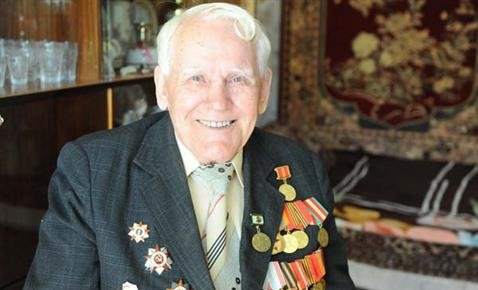




Bezukladnikova Nina Yakovlevna
Nina Strugacheva was born in the village of Zaprudnya in the Smolensk region on November 22, 1923 in the family of a stable boy (and a beekeeper) Yakov Strugachev and the storekeeper of the granary Anastasia Bagrova. Later, Nina had two younger brothers-Kolya and Vitya. After graduating from 8-year-old school, Nina got a job in the village library. June 1941 came. The war began. German Messers appeared in the sky, their hum was constantly heard, and bombs began to fall on the ground. Another bombardment began when village children, including Nina's little brothers Kolya and Vitya, were playing in the street. The boys ran in different directions. Kolya and Vitya managed to hide in the basement, but one boy did not reach the shelter – a shell hit him right in the head. "It was very scary, I wanted to run away and hide from this nightmare," Nina Yakovlevna recalled. Soon after the war began, the library where Nina worked was closed and then completely bombed. Nina and several other girls from the surrounding villages were sent to work in the city of Kirov. Many industrial enterprises were evacuated there in 1941, including the Kolomna machine-building plant, which began to produce mortars, tanks, self-propelled guns, and, in particular, BM-13 Katyushas and their shells together with the may 1 plant. Nina with the same as her, 18-year-old girls were engaged in the production of ammunition for the famous "Katyusha". Nina worked at the factory for a year (from 1941 to 1942). Then she was sent to Moscow for Digisat. Here she worked until the end of the war-making large metal flasks (molds for casting) - taller than her height. In Moscow, Nina experienced famine, terrible bombings that hid in basements, saw houses in camouflage nets, anti-aircraft guns and searchlights on the roofs of buildings, watched balloons over the city that guarded the sky of the capital. I also remember trips to my native Zaprudnya on the running boards and even on the roofs of trains. But the most vivid and unforgettable impression is, of course, the salute on Victory Day on may 9, 1945. "It was a real happiness. All the people on the streets were crying with joy, hugging and congratulating each other, " Nina Yakovlevna recalled. The end of the war brought Nina personal happiness. At the factory, she met a young welder Alexander Bezukladnikov, who had the title "Voroshilov shooter" – it was simply impossible not to fall in love with him. And soon in 1946 they got married and even got married in the Novodevichy monastery. The newlyweds settled near the factory, in the settlement of Potylikha (now it is Ramenki, 3rd Setunsky proezd). There, on the Bank of the setuni river, stood the house of Alexander's mother. In 1947, they had their first son, Gennady, and three years later, in 1950, their second son, Vladimir. Nina left the factory and became a homemaker. Alexander became seriously ill because of his work in harmful production. And in 1953, at the age of 46, he died. Nina in less than 30 years was left alone with two young sons in her arms and a large farm. We had to sell vegetables, fruits, and milk at the market – that's what we lived on. Despite the difficulties, Nina never lost heart and did not give up. When the children grew up a little, Nina Yakovlevna got a job as a seamstress at the Garment factory No. 19, where she worked until her retirement in 1983. During her long working life, she received the title of Veteran of labor. In November 2013, Nina Yakovlevna bezukladnikova celebrated her 90th birthday. She had two granddaughters, Ira and Lyuba. And two great-grandchildren are growing up: Galya is an 18-year-old student of the REA. Plekhanova and Sasha – 12-year-old schoolboy. On March 9, 2015, at the age of 92, Nina Yakovlevna Bezukladnikova died.
Bezukladnikova Nina Yakovlevna
Nina Strugacheva was born in the village of Zaprudnya in the Smolensk region on November 22, 1923 in the family of a stable boy (and a beekeeper) Yakov Strugachev and the storekeeper of the granary Anastasia Bagrova. Later, Nina had two younger brothers-Kolya and Vitya. After graduating from 8-year-old school, Nina got a job in the village library. June 1941 came. The war began. German Messers appeared in the sky, their hum was constantly heard, and bombs began to fall on the ground. Another bombardment began when village children, including Nina's little brothers Kolya and Vitya, were playing in the street. The boys ran in different directions. Kolya and Vitya managed to hide in the basement, but one boy did not reach the shelter – a shell hit him right in the head. "It was very scary, I wanted to run away and hide from this nightmare," Nina Yakovlevna recalled. Soon after the war began, the library where Nina worked was closed and then completely bombed. Nina and several other girls from the surrounding villages were sent to work in the city of Kirov. Many industrial enterprises were evacuated there in 1941, including the Kolomna machine-building plant, which began to produce mortars, tanks, self-propelled guns, and, in particular, BM-13 Katyushas and their shells together with the may 1 plant. Nina with the same as her, 18-year-old girls were engaged in the production of ammunition for the famous "Katyusha". Nina worked at the factory for a year (from 1941 to 1942). Then she was sent to Moscow for Digisat. Here she worked until the end of the war-making large metal flasks (molds for casting) - taller than her height. In Moscow, Nina experienced famine, terrible bombings that hid in basements, saw houses in camouflage nets, anti-aircraft guns and searchlights on the roofs of buildings, watched balloons over the city that guarded the sky of the capital. I also remember trips to my native Zaprudnya on the running boards and even on the roofs of trains. But the most vivid and unforgettable impression is, of course, the salute on Victory Day on may 9, 1945. "It was a real happiness. All the people on the streets were crying with joy, hugging and congratulating each other, " Nina Yakovlevna recalled. The end of the war brought Nina personal happiness. At the factory, she met a young welder Alexander Bezukladnikov, who had the title "Voroshilov shooter" – it was simply impossible not to fall in love with him. And soon in 1946 they got married and even got married in the Novodevichy monastery. The newlyweds settled near the factory, in the settlement of Potylikha (now it is Ramenki, 3rd Setunsky proezd). There, on the Bank of the setuni river, stood the house of Alexander's mother. In 1947, they had their first son, Gennady, and three years later, in 1950, their second son, Vladimir. Nina left the factory and became a homemaker. Alexander became seriously ill because of his work in harmful production. And in 1953, at the age of 46, he died. Nina in less than 30 years was left alone with two young sons in her arms and a large farm. We had to sell vegetables, fruits, and milk at the market – that's what we lived on. Despite the difficulties, Nina never lost heart and did not give up. When the children grew up a little, Nina Yakovlevna got a job as a seamstress at the Garment factory No. 19, where she worked until her retirement in 1983. During her long working life, she received the title of Veteran of labor. In November 2013, Nina Yakovlevna bezukladnikova celebrated her 90th birthday. She had two granddaughters, Ira and Lyuba. And two great-grandchildren are growing up: Galya is an 18-year-old student of the REA. Plekhanova and Sasha – 12-year-old schoolboy. On March 9, 2015, at the age of 92, Nina Yakovlevna Bezukladnikova died.
0 comment




2026 © Russian Military Historical Society Developed by Jetmix