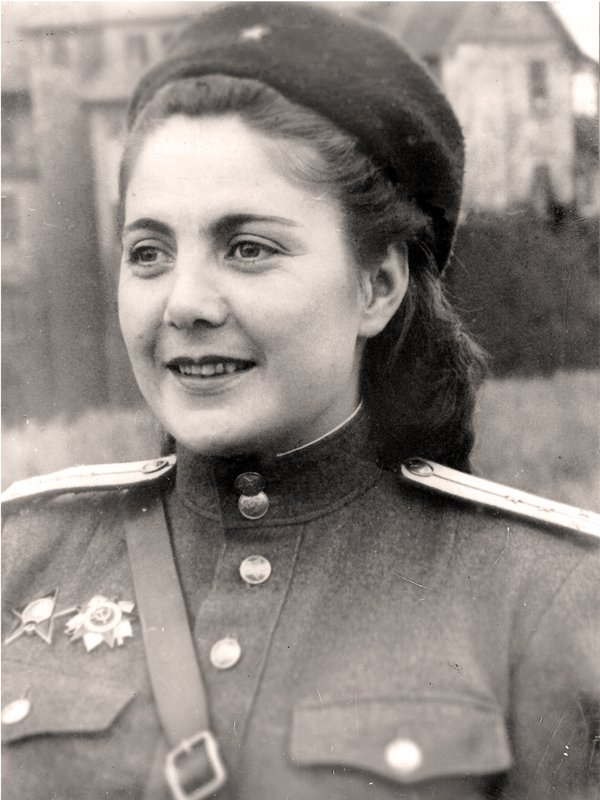
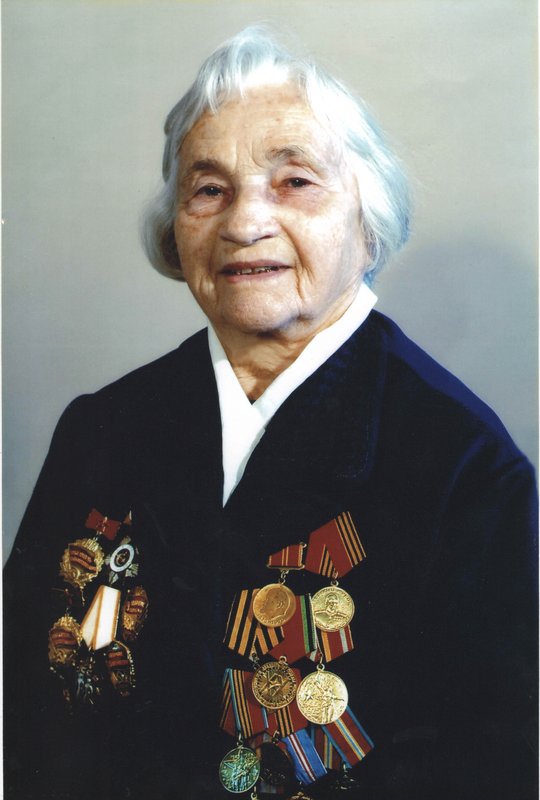
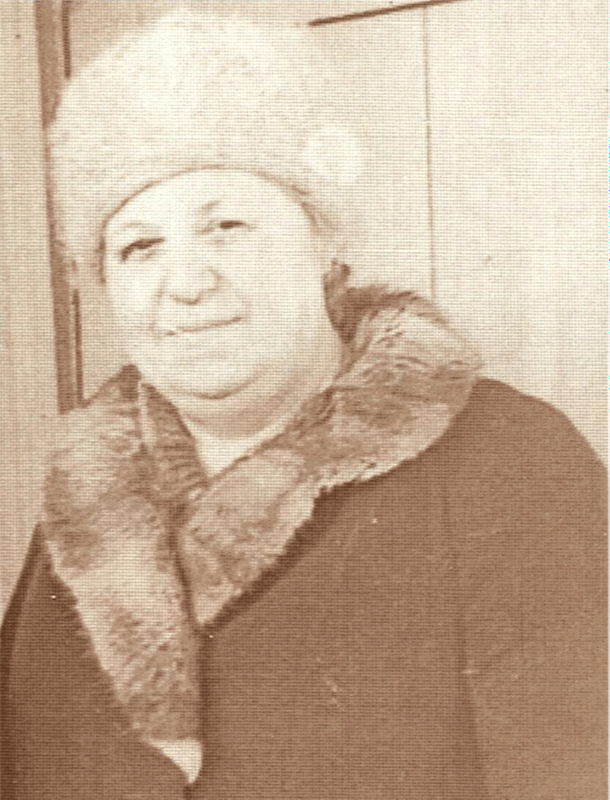
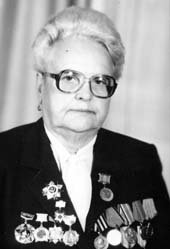
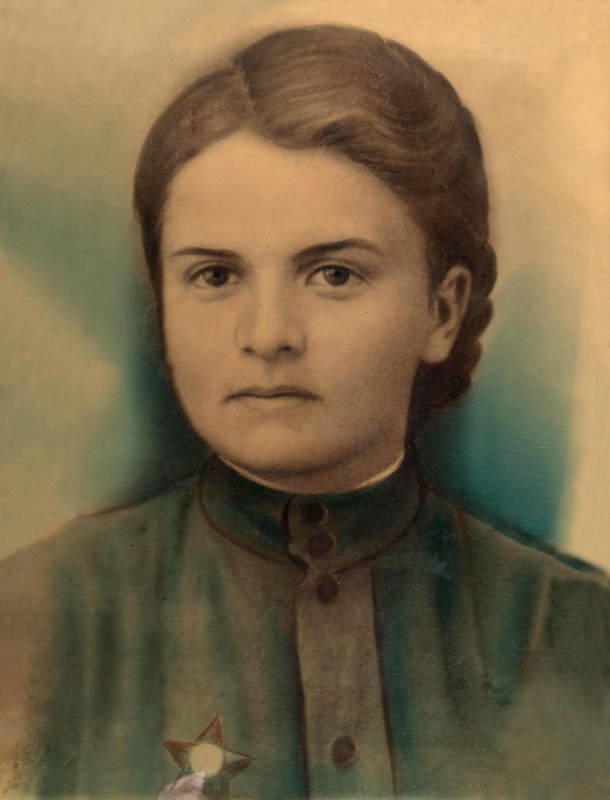
Doschinskaya Olga Petrovna
Doschinskaya Olga Petrovna_x000D_
_x000D_
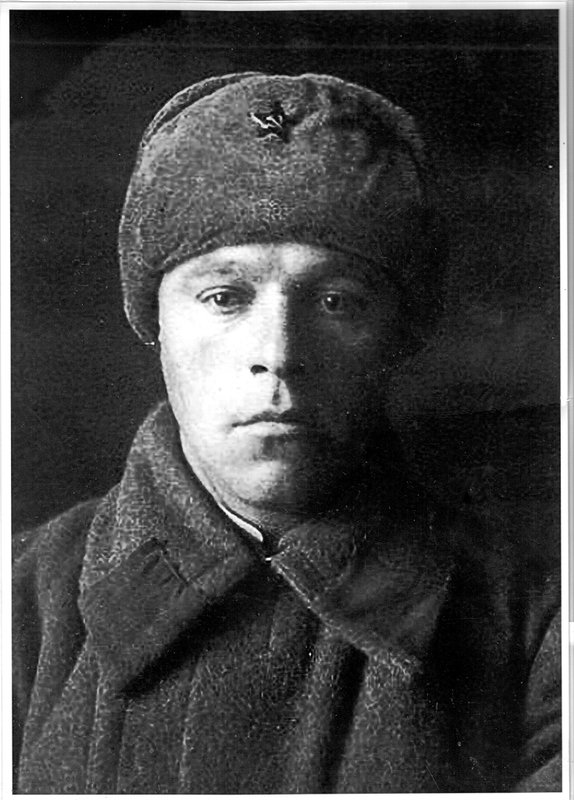
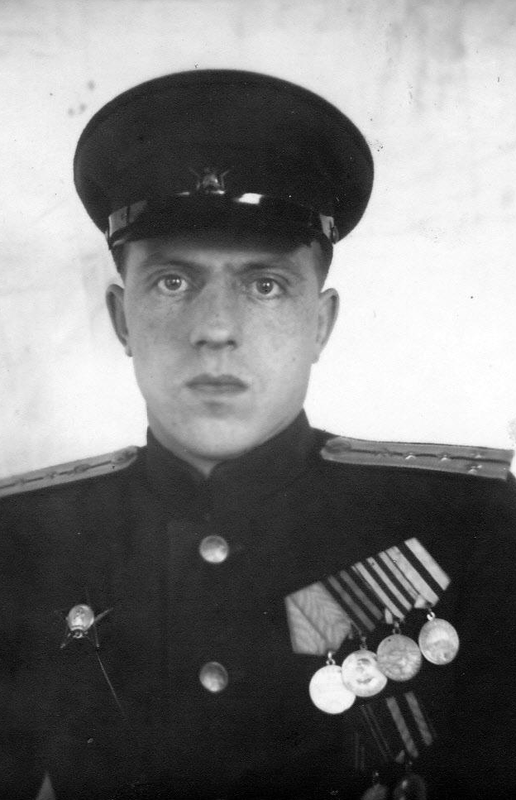
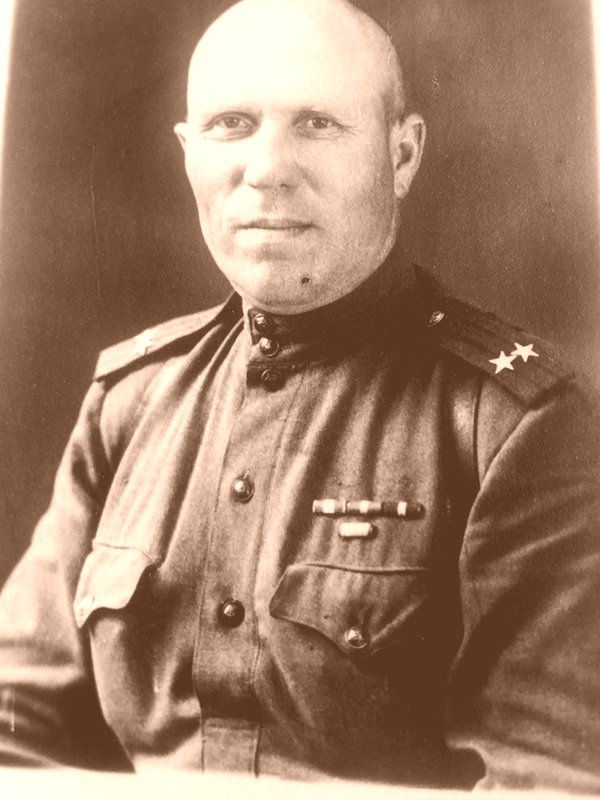
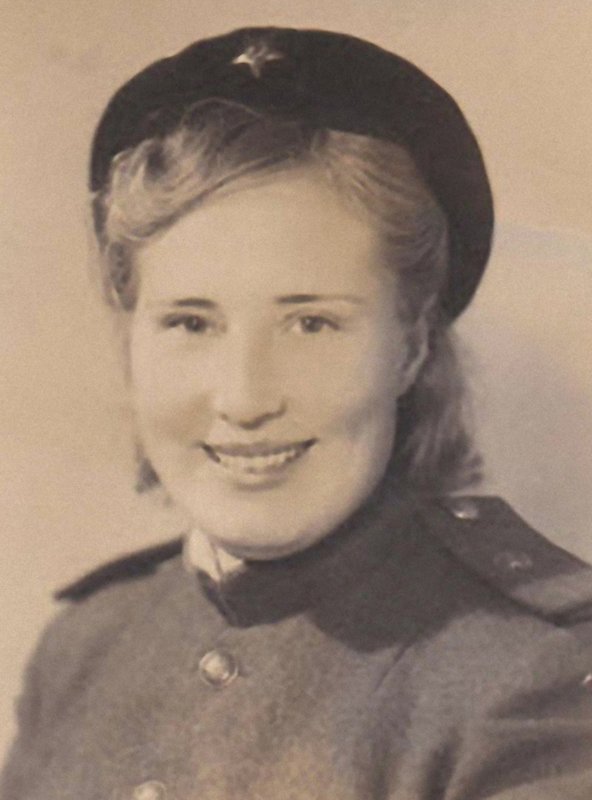
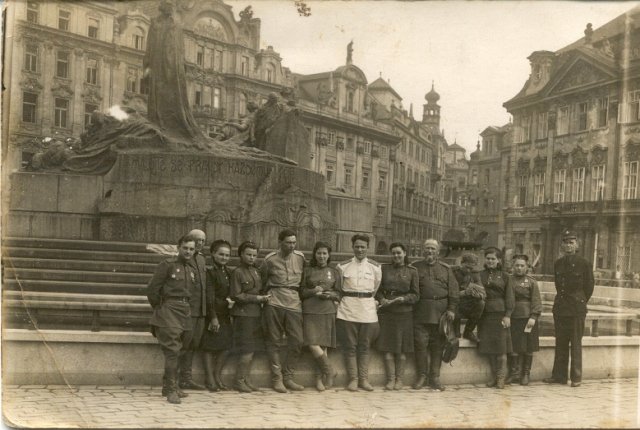
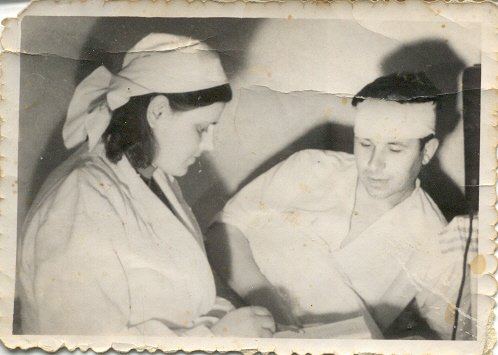
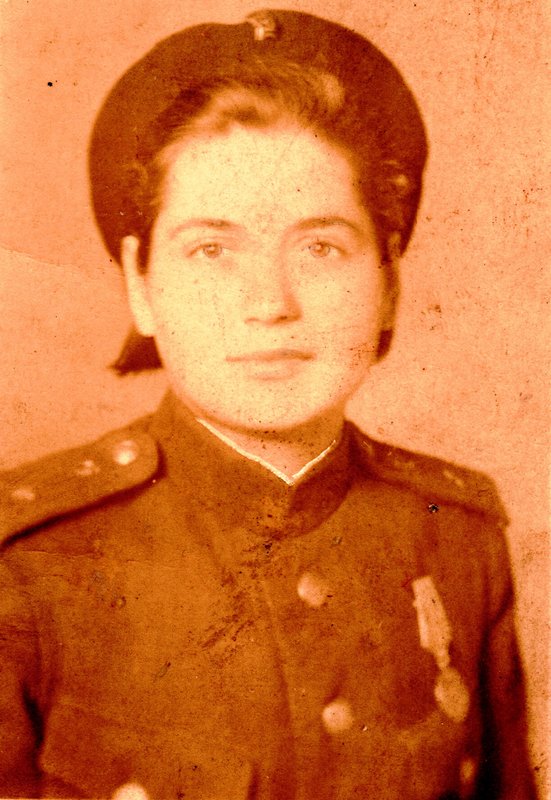
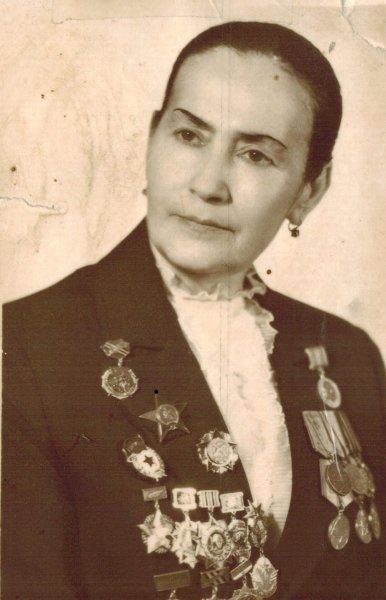
The subject of my essay was not chosen by chance. Since childhood, I have heard many unique stories from my great-grandmother about distant and near relatives during the great Patriotic war. The family archive has preserved many documents and diary entries, orders and medals of my relatives. Last year, unfortunately, I lost my great-grandmother Olga Petrovna Doschinskaya, who was a witness of those times. I set a goal – to collect everything together, to systematize the material, to show the contribution of my ancestors to the defeat of fascism. Before me, my mother Nadezhda Chernyshova did this. I decided to continue my research on the genealogy of the Doschinsky, Serpukhov, and Chernyshov families. When writing the work, I visited the Krasnodar military enlistment office, where I was given the characteristics and certificates of veterans of the great Patriotic war Nadezhda Petrovna and Sergey Pavlovich Serpukhov. I had to work with the diary entries of my great-great-grandmother Nadezhda Petrovna Serpukhova. Three years ago, when I visited my great-grandmother Olga Petrovna Doschinskaya in Krasnodar when she was still alive, I recorded her memories of the life of relatives during the great Patriotic war. The work was quite long and painstaking. However, I believe that I did everything possible to restore the overall picture. I think that my research will help my descendants to re-comprehend the tragedy of the events of the 1940s, to study. There are fewer and fewer participants in the great Patriotic war-direct and direct creators of Victory, who bore on their shoulders the incredibly heavy burden of that harsh time: wounds and age take their toll. However, over time, people's interest in events more than seventy years ago does not weaken, but, on the contrary, increases. The military past appears as a time of great endurance and unparalleled heroism. The great cannot be forgotten. Time will never erase the great Patriotic war from the memory of generations. The years 1941-1945 were included in the biography of the Soviet people as heroic years, full of events of world-historical significance. They were a severe test of people's viability. For four years, gigantic battles continued on the Soviet-German front – the main front of the battle against fascism. It was here that the destinies and independence of the peoples of the earth and the future of all mankind were at stake. The Victory in the great Patriotic war was won at the cost of 20 million lives of Soviet people and the incredible effort of the physical and spiritual forces of the people of our country. The terrible and heroic years of the great Patriotic war are moving further into the past. But the memory of those who blocked the path of fascism and, having crushed its chosen hordes, defended their Fatherland and saved world civilization, will live forever in our grateful hearts of all progressive humanity. * * * My great-great-grandmother, Olga Petrovna Doschinskaya, born in 1926, lived in the city of Krasnodar. In 2019, at the age of 93, she died of natural causes. "When the war started," says great – great-grandmother Olya, " I was 15, my sister Nadia was 18, and Feodora was 19. Everyone submitted a voluntary application to the military enlistment office with a request to be sent to the front, but they did not take me and Nadia, because we were very small and thin. We lived in an orphanage that was destroyed, and my sister Nadia and I scattered to the huts of the population. I, Nadia and Fenya got to Baba Ganna, she still had four children, and her husband went to the front. The Germans entered, drove everyone out of their huts and houses, and began to select young girls and women to be taken to Germany to work. So, my older sister Feodora was sent to a concentration camp in the first weeks of the war and was a prisoner of war until 1945. In 1945, it was liberated by the Soviet Army. Nadya and I lived with Baba Ganna, who was often visited by partisans. All the children were sitting on a huge Russian stove, hiding from the Germans, and eating very sparsely, since all the pigs and chickens were taken by the Germans. One day an old teacher came and suggested that one of the children run to the forest to join the partisans in the Batki detachment. Nadezhda was the oldest and weakest, but she volunteered to go to the forest. It was winter, Nadia went to the forest and was able to find the signs of the squad, completed the task. I came home with a young partisan Sergey Serpukhov. All my youth, my sister and Sergey were scouts in a partisan detachment. Before the arrival of the Soviet Army in the village of Bronniki, where I lived, I occasionally helped my sister, but mostly on the farm Baba Ganna. We baked bread for the partisans and provided them with vegetables and fruits. And when our Soviet Army came, I went to work as a hospital nurse. With medical units I reached Berlin, I have orders and medals, many of them I took out from the battlefield, one of them, Ivan, I married. Now I live in the city of Krasnodar, still alive, but very ill, had seven operations. My sisters and their husbands are already dead. The military enlistment office gave them free marble monuments. How hard it was to live, scary and difficult! There are a lot of sick and injured people, there are not enough bandages, and there are almost no medicines. We operated in field tents under lamps, starved. The wounded were given at least some soup, and themselves – what remains. I still get goosebumps when I remember the terrible lacerations, inhuman torments and moans. Beautiful young men were dying; they didn't have time to bury them, and you would lock your teeth and bind up a handsome man who no longer had arms or legs, and his face was paralyzed. When I remember-everything is before my eyes, as it was yesterday. I still can't move away from this horror. Listen to this, great-grandchild. It's a shame that now, instead of a real story, young people are interested in detectives, mocking the Holy places. And we lived like this. As I said, the Soviet Army liberated our village of Broniki. I went to the hospital to help the sick. I was entrusted first to wash the floors, wash the bandages. Then I got used to it – reluctantly, I could hide my pain from the wounded, I stopped fainting at the sight of lacerations, huge pools of blood, and I was entrusted to do bandages, duty. Here I am on duty, I hear the moans of patients, and one-a very quiet and rare moan. I went to the patient-a young Lieutenant is lying, wincing from pain and does not look me in the eye, all burning – high temperature. I ran to find the doctor, to do this, we need to go around all the tents. Our doctor Nikitina Allochka could do everything, because she was an assistant to the famous doctor who was killed, Pavel Ivanovich Kolesnikov. He performed operations in a field tent, bullets whizzing around, and Pavel Ivanovich won't even blink an eye. Just look at us, and the horror takes, was not afraid of anything and kept discipline in strictness. A few days ago, a bomb fell directly into the tent with the red cross. Everyone died. Allochka and the other nurses and I were in other tents. With great difficulty, the remains of our dear Pavel Ivanovich's body were pieced together and buried with honor. All the wounded and seriously ill people were crying their eyes out. He saved all their lives, and he died as a hero. After that, our now-surgeon, Alla, began to perform operations. She was 30 years old, and we were 13-16 years old. We stayed there for about a month. Then they sent Nikolai Mefodyevich bulb to the place of the doctor. This doctor was almost like Pavel Ivanovich in everything-gray-haired, strict, did not spare himself, was always near patients, performed operations. So, I found Allochka, we quickly brought down the Lieutenant's temperature, made bandages and calmed down as best we could. Meanwhile, the fighting continued, the German retreated, and we followed our troops closely. I had to pull a lot of fighters out of the battlefield: I drag them like a bag, the man almost does not move, but says: "Leave me, little sister! You won't make it!" And I'm 1 meter 52 centimeters tall, small, skinny, I drag and cry, sit down, cry a lot, and again I drag on myself and drag. And there, near the hospital, they will notice me and help me, give me back and go back to the field for the wounded. So, I dragged a huge red-haired guy, gave it to him, and ran away. And the next day I sweep the floor, I hear a moan and a call: "Sister!", I quickly ran, I look-lies all in blood, the head is wounded, all bandages are stained with blood, and smiling says: "You are my fairy Savior!" So, it remained in my memory. Many people considered me their Savior, thanked me, offered my hand and heart, but this red-haired Ivan got into my heart. Already near Berlin, a red-haired soldier is being brought in, almost a corpse, and I immediately recognized him as the red-haired Ivan. Fate has brought us together again. Barely left him, and he went back to the front. We have already equipped a hospital and were not located in tents, but all in schools and in homes. But there was still a shortage of bandages, medicines, and food. Operations were performed live: in the teeth of a sick piece of wood, so as not to break the teeth from the pain. Tears choked, but it was forbidden to cry. We smiled and sang songs in the evenings. I was already an experienced, real nurse. I remember that on New year's eve they built a Christmas tree from an ordinary tree, decorated it with cotton wool, syringes, and patients made various toys from medical supplies. We even organized an evening of Amateur performances, which was attended by doctors, nurses, nurses, and patients. It was a lot of fun. As a gift to the sick, we sang songs and danced to the sound of spoons. The patients ' eyes shone and smiles appeared on their haggard faces. It was beautiful. But the fighting continued, explosions and gunfire were heard, and the German retreated reluctantly. Nurses and nurses washed bandages, rolled them up, and also washed the bed and clothes. Everyone got it, but we were healthy, young and very much believed in a happy future, in the victory of the Soviet people over fascism. And this faith helped us survive the war. As I remember now, there is a battle going on, the ground is "torn apart" from the explosions of bombs and shells. We, young girls who are not engaged in operations, crawled and climbed on this moaning, blood-soaked, with the roots of trees and bushes turned out, and searched, picked up, dragged on ourselves the crippled, already insensible fighters. A soldier lies with his eyes closed and moans, I tell him: "Kasatik, let's go! Get up, help me carry you!", and he can't hear or see anything from the concussion, his leg is broken. What to do? No time to think, I dragged him closer to the hospital. We fall, get up again, and he tries to help me with one of his legs and cries, saying: "I'm almost a corpse, leave me, maybe you can save someone else..." I cry and drag, there are a hundred meters left, now they have already seen me, helped me. And again, I'm on the front line, on the battlefield, for the next patient. And so, every day. A beautiful young soldier is lying there, holding his torn stomach with his hands, all the intestines are lying outside, but he is still alive. Reluctantly, I shoved the spilled entrails in, then carefully tied up his shirt so that I could pull him out alive. I hear the whoosh of bullets, I Crouch down, I already knew which bullet was flying past, and which was mine. But fate saved me from death. During the three years of the war, I was wounded seven times by shrapnel from a bullet or grenade. I had a lot of operations, as I earned by carrying the wounded, herniated spine and abdominal cavity. Already in Berlin, a fragment hit the spine. I thought I wouldn't go. The fragment was successfully removed, and I started walking again and helping my sisters. I look, my red-haired Ivan is lying-again all in bandages. We immediately recognized each other, met as family, and decided not to part again until the day we died. So, I got married. We lived in love and harmony for ten years. Then he died of his wounds, which never stopped whining. And I was left alone with my sores and memories.