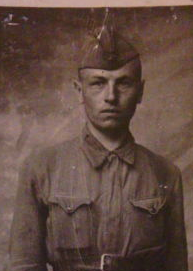
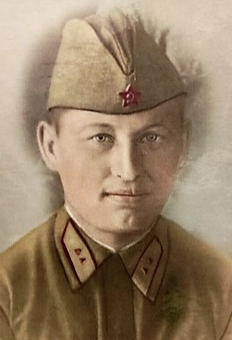
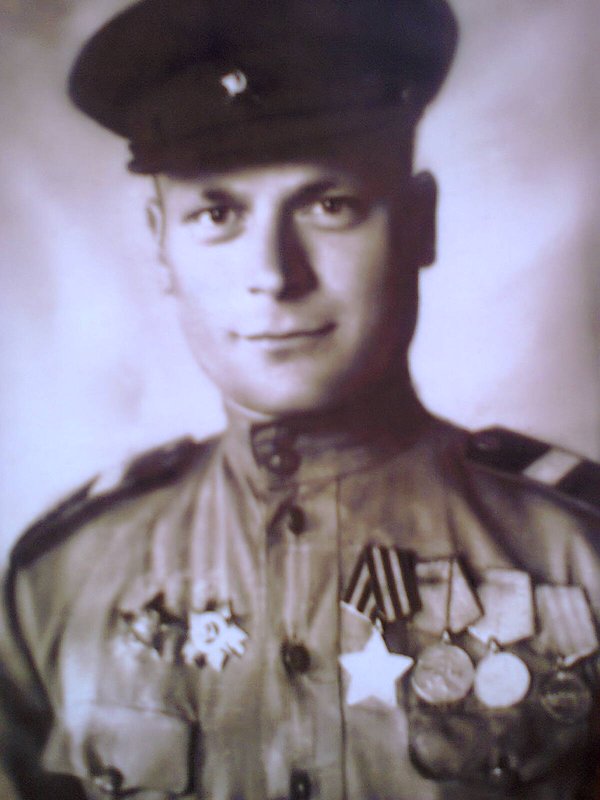
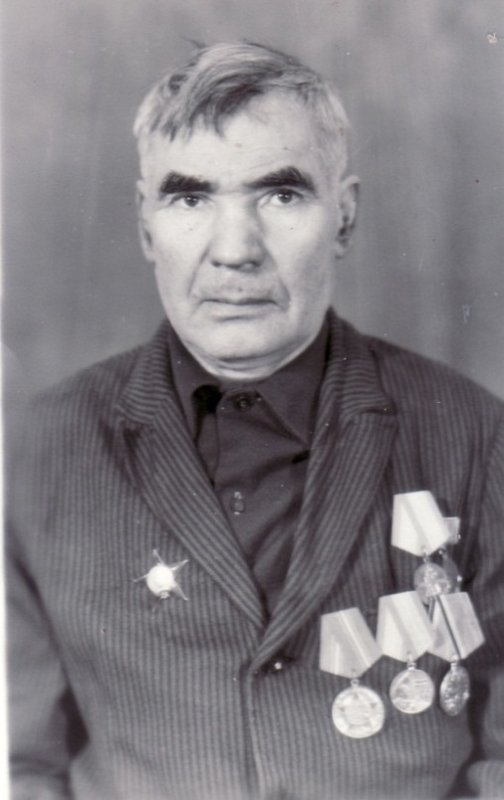
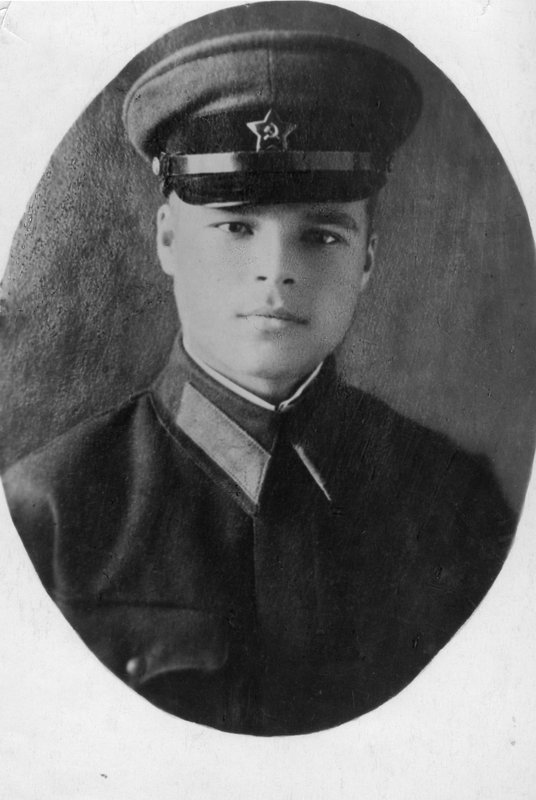
Kupriyanov Sergey Grigorievich
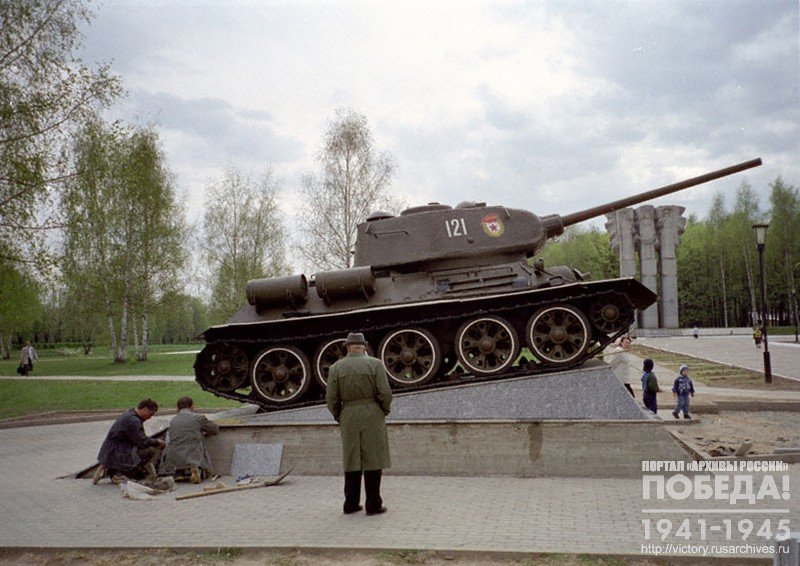
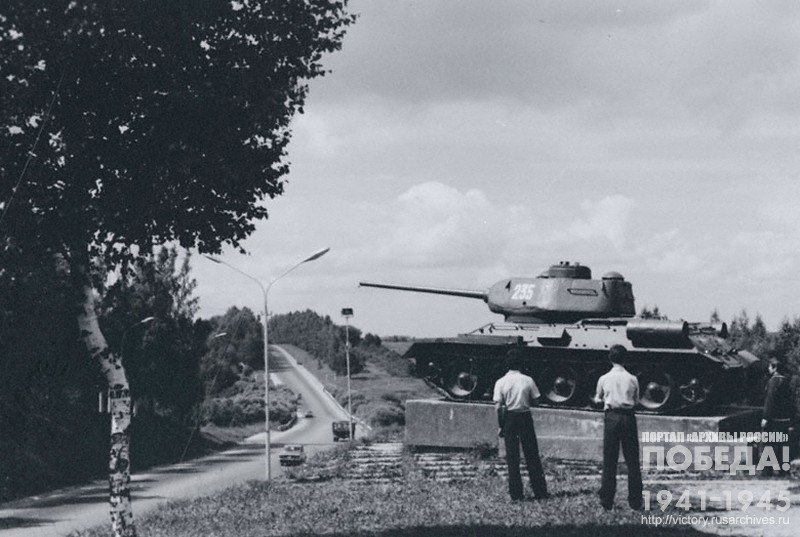
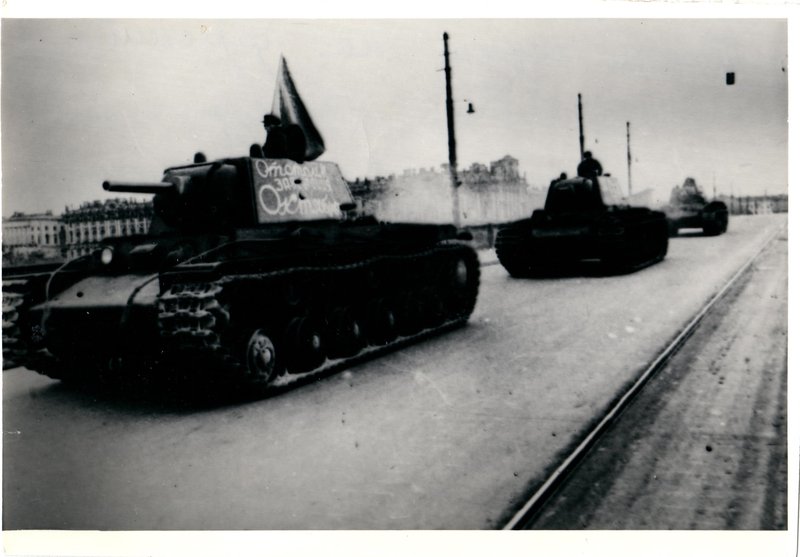
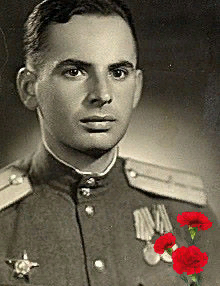
Type of troops: Armored and mechanized troops Everyone knew my grandfather in the village of Kargashino. Yes, and how could it be otherwise, if the veteran of war and labor Sergei Grigorievich Kupriyanov for 43 years worked as a blacksmith on a local collective farm? And even earlier, drafted into the army in 1939, he went through the entire war. Only these two entries were in his work book. Kupriyanov Sergei Grigorievich was born on September 4, 1919 in the village of Kargashino, Zubovo-Polyansky district of the Mordovian Autonomous Soviet Socialist Republic. The childhood and youth of Sergei Grigorievich fell on the difficult twenties and thirties. A large peasant family could hardly make ends meet. Therefore, he did not have to study much: he barely finished four classes - he began to help his father, worked in the field. This is how his life went until he was drafted into the Army in 1939. He first served in Belarus, in the then forming 25th Tank Brigade. Here I received the profession of a tank driver and the rank of sergeant. When the war began, my grandfather, along with other driver-mechanics, was sent to Kharkov, to the factory for new tanks. But it so happened that they did not have time to receive the tanks - the plant had to be urgently evacuated to the rear. And the tankers who came for them were sent to Kazan, to a tank school, to study domestic and foreign combat vehicles, including German ones. After completing their training, they were sent to Baku, where the formation of the 25th tank brigade continued. Sergei Grigorievich received his first baptism of fire in the North Caucasus. By that time, new T-34s came to the brigade and our troops went on the offensive. Sergei Grigorievich remembered well the cities that they liberated: Armavir, Kropotkin, Tikhoretsk, Krasnodar ... Then they went to Novorossiysk. 1943 The battles for this one were fierce. In this battle Sergei Grigorievich, in addition to being burned, was also wounded. He was sent to the hospital. Having recovered, he fought again, this time as part of a rifle division. Was at Stalingrad, then at Rzhev. He fought in neighboring Finland, liberated our Arctic, Murmansk, and reached Norway, where he celebrated on November 7, 1944. At the beginning of 1945, our powerful offensive began - and here it is, the German border. They advanced along the coast of the Baltic Sea and reached the Oder. Here, near the Oder, the soldiers from Kargashin met the Victory Day. Many men in the village, including Sergei Grigorievich's father, died at the front, mostly women worked on the collective farm. Then my grandfather went to talk to the chairman of the collective farm and decide where to start. It turned out that the village most of all needed building materials, especially brick, which was nowhere to be found at that time, so he and his friend Fyodor Yakurin decided to set up their own production of bricks on the collective farm. And they did it! The brick was excellent! In 1950, the farm, which is called desperately, needed a blacksmith. Kupriyanov took up this position and worked there until the end of his career. Sergei Grigorievich was buried in the village of Kargashino on 09.12.1993. In 2014, the military commissariat of the Zubovo-Polyansky district erected a monument to Sergei Grigorievich Kupriyanov as a veteran of the Great Patriotic War.