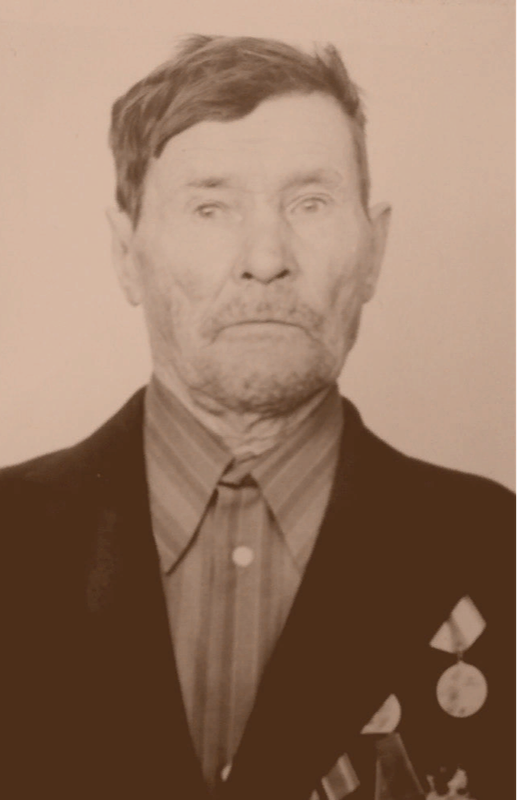
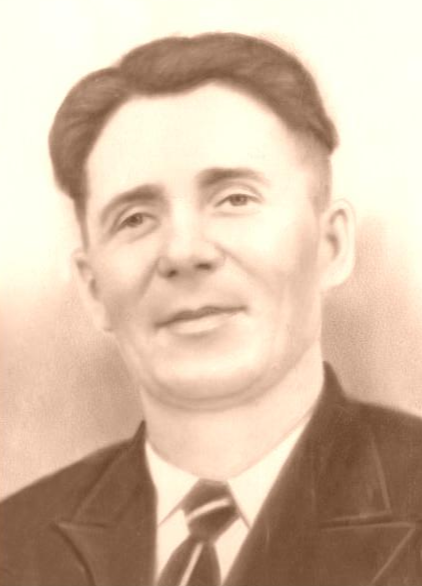
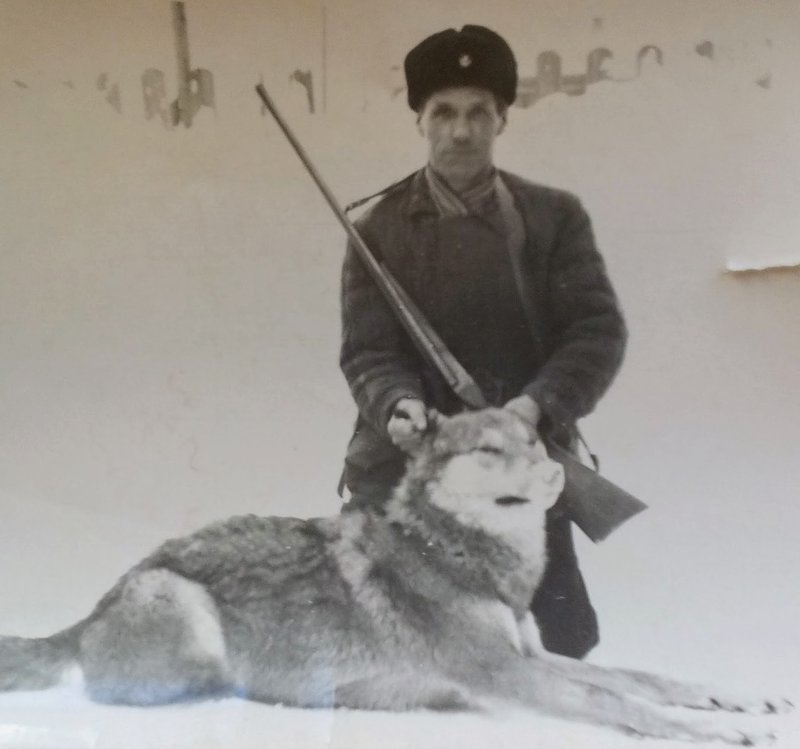
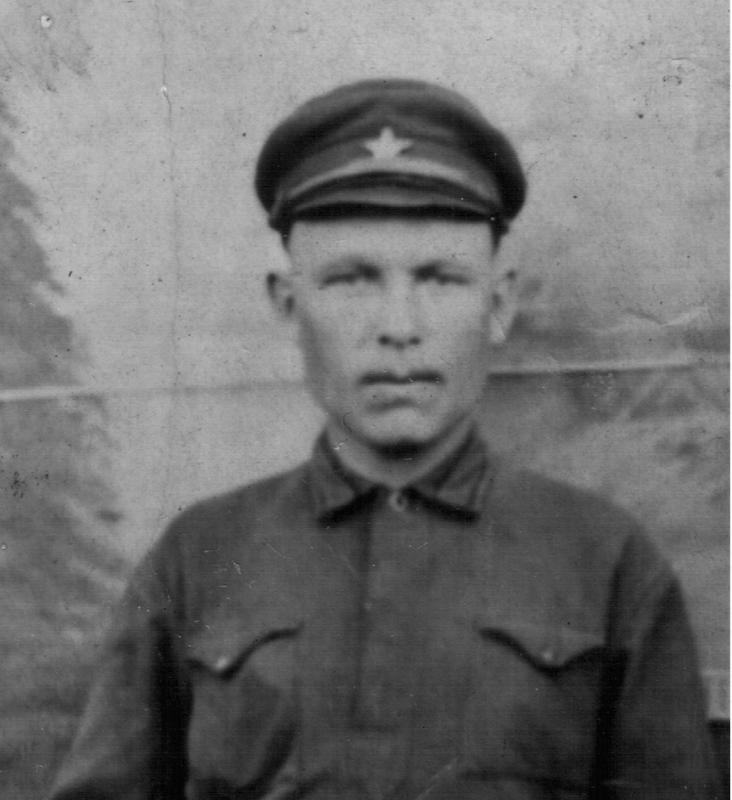
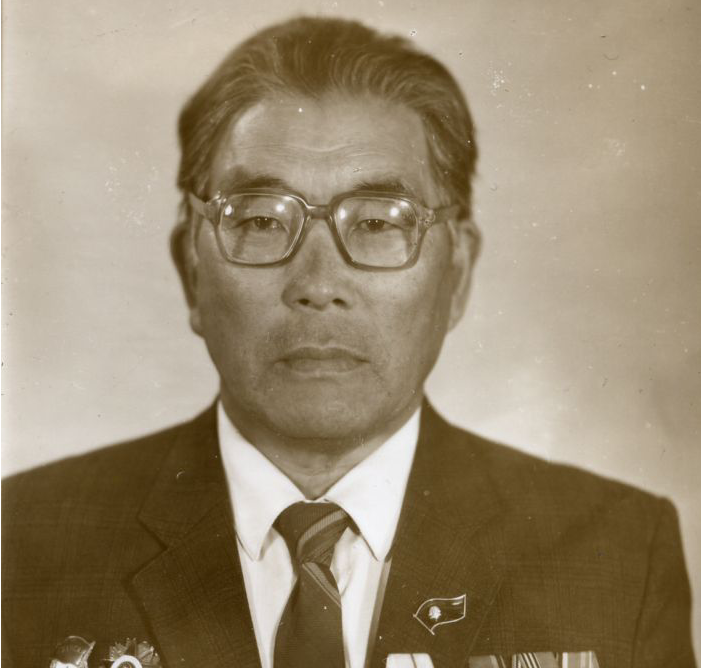
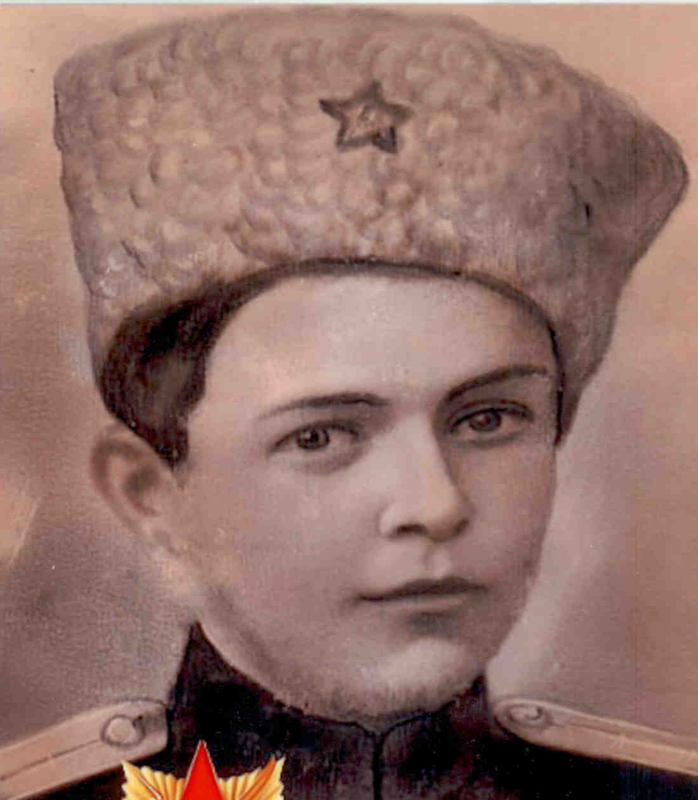
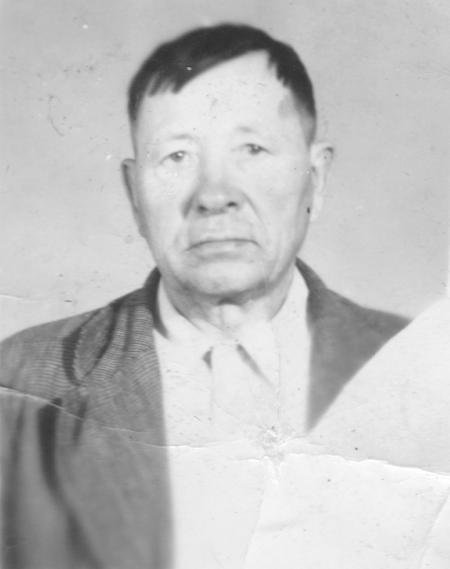
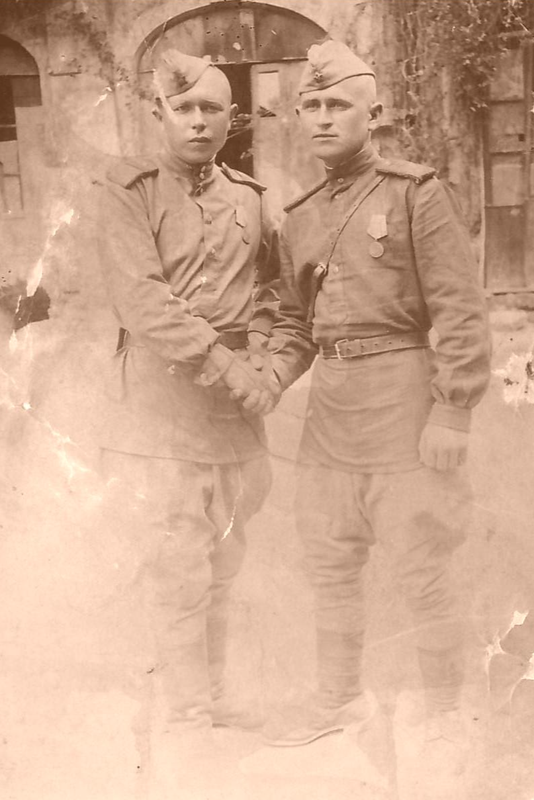
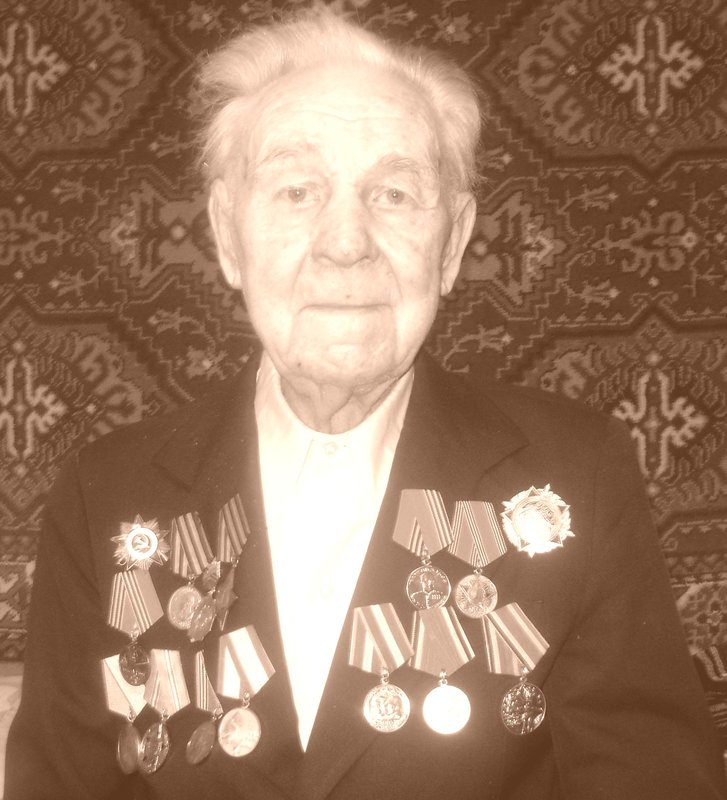
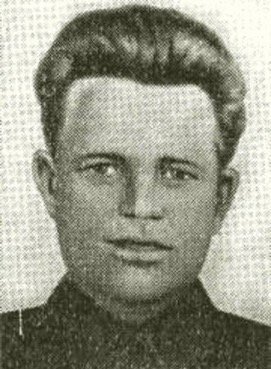
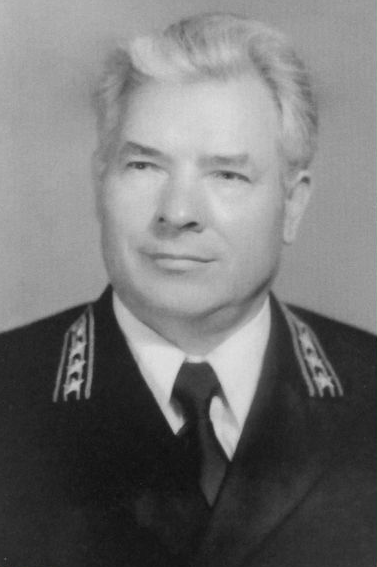
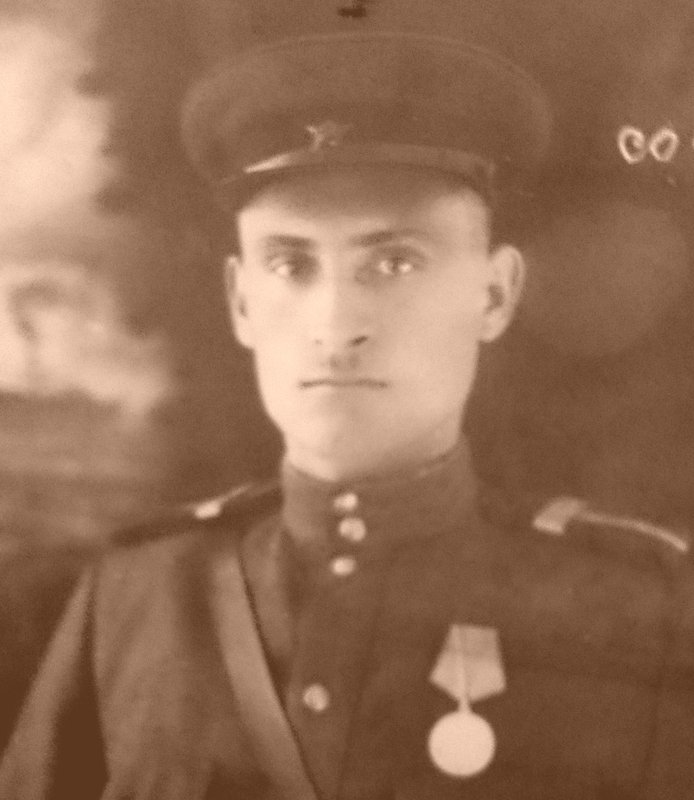
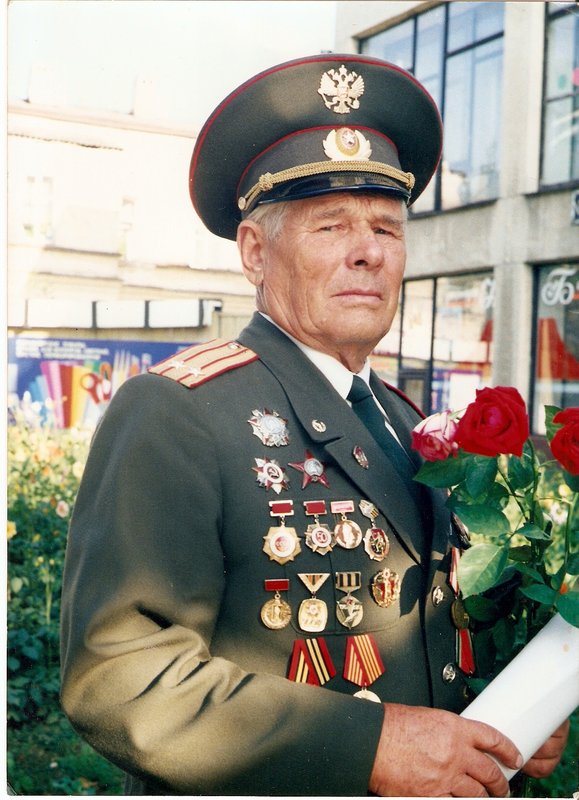
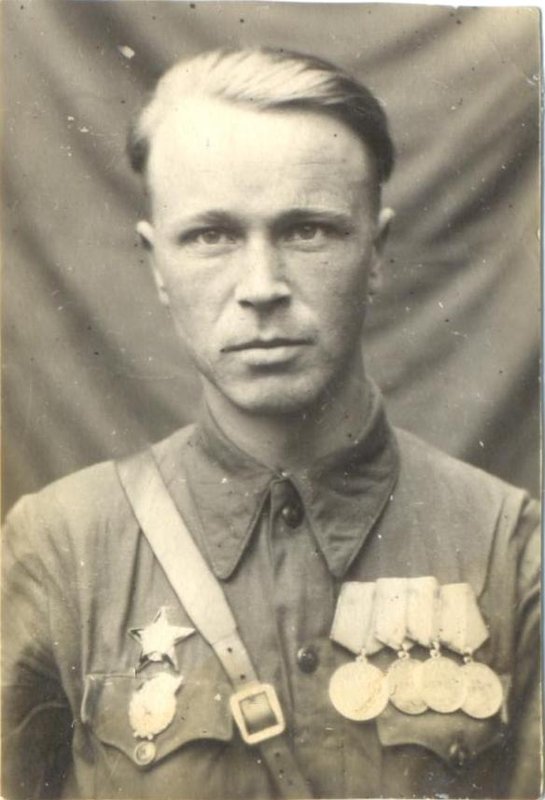
Klemenov Nikolay Vasilievich
Military rank is Petty Officer (Starshina). Branch of troops is Ground troops. Subdivision: 102nd Rifle Far East Novgorod-Severskaya Order of Lenin Red Banner Order of Suvorov Division.
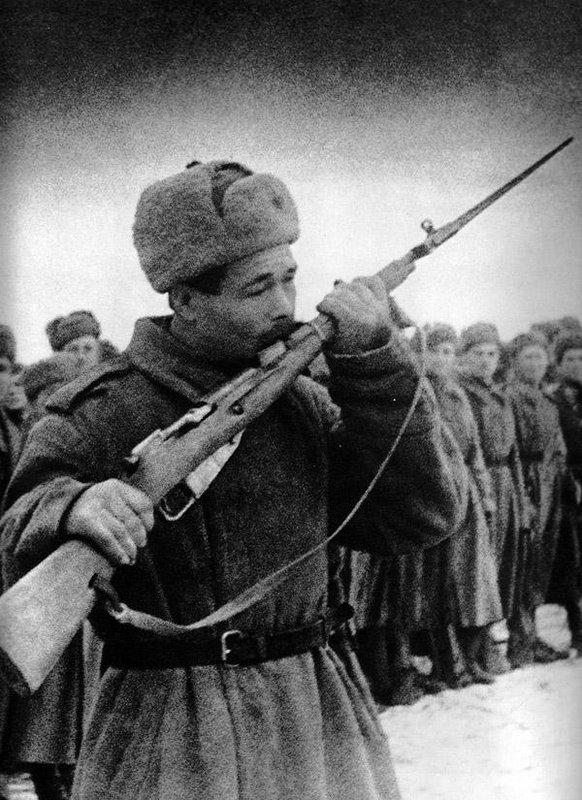
Nikolay Klemenov was born in 1921, in the village Staroklenskoy of Pervomaisky district of the Tambov region. His childhood was difficult, because in the first years after the October Revolution and the Civil war, his father, like many others, was dispossessed and took away things and wheat. Since he was considered to be well-off at that time, because he had a stone house, earned it all by his work, serving in the military Navy in tsarist times. My great-grandfather's father served in the Navy on the gunboat “Koreets”, and was a participant in the battle of Port-Arthur in the Russian-Japanese war of 1904-1905. In this area the cruiser "Varyag" together with the gunboat" Koreets" took their last battle against the Japanese squadron. In this battle the sailors showed a great heroism, knowing that everyone would die. On the appeal to them of the Japanese about the surrender of ships and captivity, they decided to leave the port and take the fight. The cruiser "Varyag", which has got many shell-holes, has died. After numerous holes and destructions received in the battle with the Japanese squadron, the crew of the gunboat "Korean" decided to blow it up to prevent the ship from falling to the enemy. After the loss of the boat, foreign ships that were watching the battle picked up the remaining crew at sea, so that was a way how my great grandpa remained alive. Upon the Russian-Japanese war ending, the surviving crews of the ships “Varyag” and “Koreets” were invited to the Winter Palace for their bravery in the battle of Port-Arthur, and all the lower ranks were presented with awards and gifts, a kitchen kit, on behalf of the Tsar. The fate of the father was difficult, after the war, he again continued to serve in the military Navy, participated in the Revolution of 1917, and was an anarchist, like many sailors of that time. Great-grandfather's father did not take part in the Civil war. After dispossetion of kulaks, he was arrested, as he was well-off for that time. He was brought to Michurinsk after arresting, where he met a sailor friend who worked in the Cheka (full name was the All-Russian Extraordinary Commission for Combating Counter-Revolution, Speculation, and Sabotage). After interrogation, he has released him. He remembered when he was a little boy there was a severe famine, he and his father took a horse from the collective farm and went to city of Chaplygin. His father kept 10 British pounds and when they arrived at the Bank and handed them over, they were given some document. Afterwards they went to the warehouse, where they were given food that was enough for the family to live all year. Drafted into the army in 1939, he got to serve in the Far East. According to his stories, the soldiers were poorly fed and were plump from hunger. Since he had seven classes of education, he was appointed a company Sergeant. When the Great Patriotic War began, the Germans reached Moscow, and his division was moved under Moscow. According to his memories, the fighting under Moscow was very heavy, there were heavy losses; sometimes it reached the point that our trenches and the German ones were close each other, the machine guns were clogged with sand and only grenades were repulsed. He received the first Order of the Red Banner for destroying the German headquarters during reconnaissance. My great-grandfather was first slightly wounded in the leg in winter of 1942. After treatment with the health support battalion, he returned to the front again. According to his story, during the winter offensive, they had to pass through a field where General Belov's Cavalry corps passed through the German rear. He came out on a German tank column, the field looked terrible, and it was all littered with dead soldiers and horses, such a number of dead he noticed for the first time. The first city they liberated was Spas-Demensk in the Kaluga region. For the liberation of the city, he was awarded the Medal "For Courage". There was such a case in his life. In the summer of 1942, being on the defensive, where a stream flowed near the trenches below in the thickets, he went to the stream to collect drinking water in a thermos. Suddenly, a German soldier appeared not far from him, who also came for water taking. He froze with surprise, but after a while, recovering, he sat down near him and began to collect water. Having collected water, they parted in different directions. When he was asked why he didn’t shoot, he replied that we had come for water. This is what happened to him. During the German offensive, he was seriously wounded in the arm, heading to the rear with other wounded soldiers. A car was stuck near them. He and other soldiers began to push it, the car drove, and then he opened the door of the car and got into it. The officer sitting in front grabbed a gun and began to shout: "I'll shoot you, get out of the car." Suddenly another voice sounded: "Belay that, there is a place, let him stay." He looked at the officer, who was nearby, it was a General wounded in the head. So this case saved his life. Being already in the medical battalion, he learned that the German offensive was heavy, just few survived. After this incident, his mother received a notification from the unit that he was missing in actions. In 1943 after this severe wound and hospital treatment, he arrived home. In such a way the war ended for him.