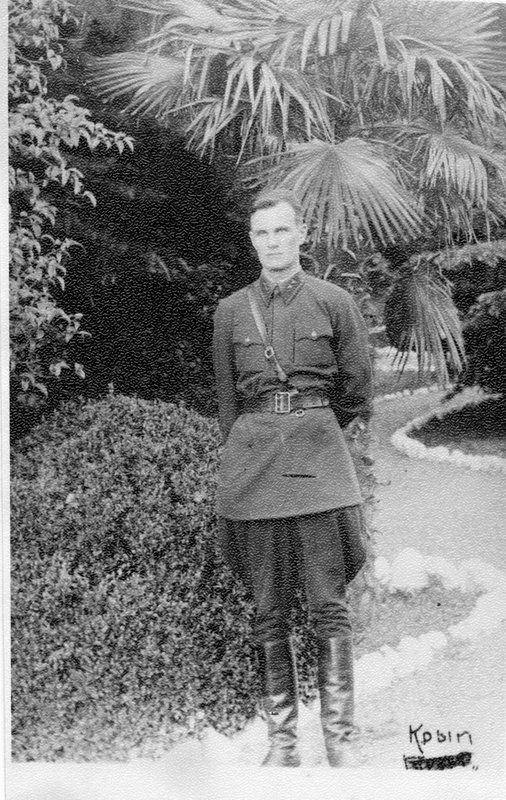
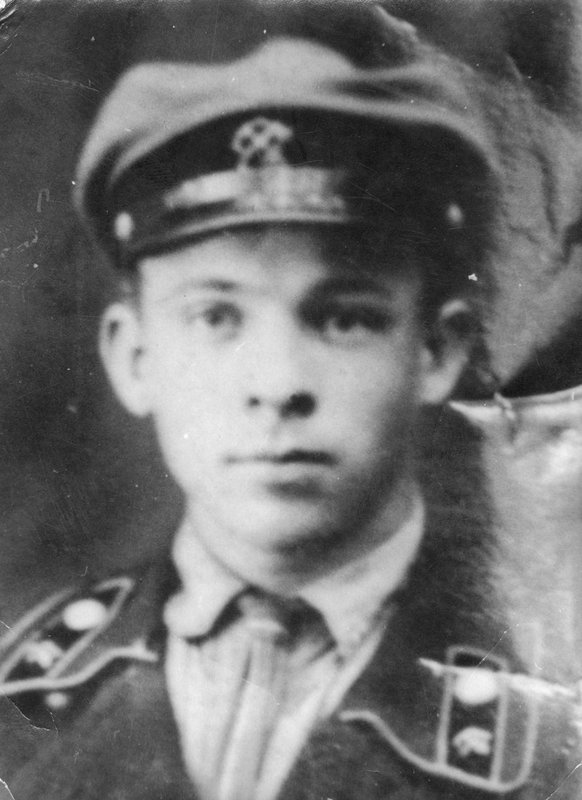
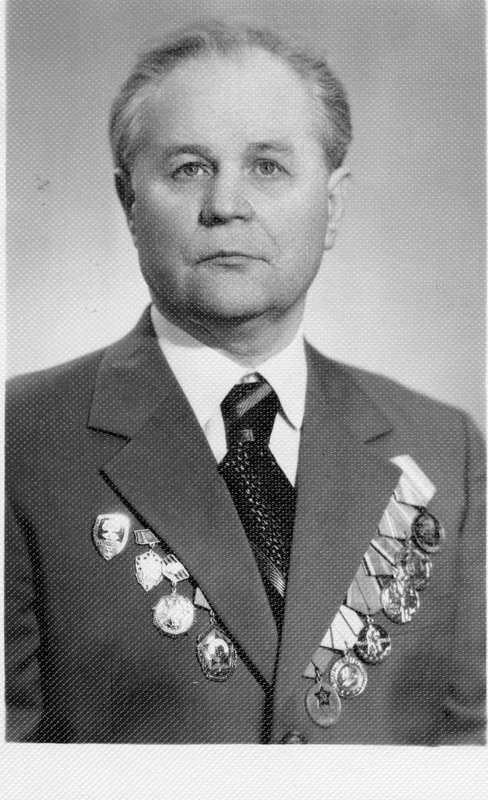
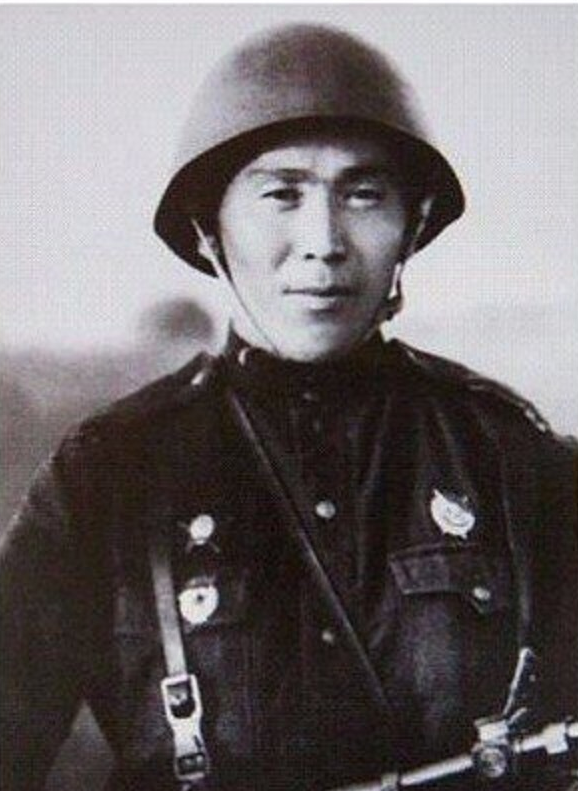
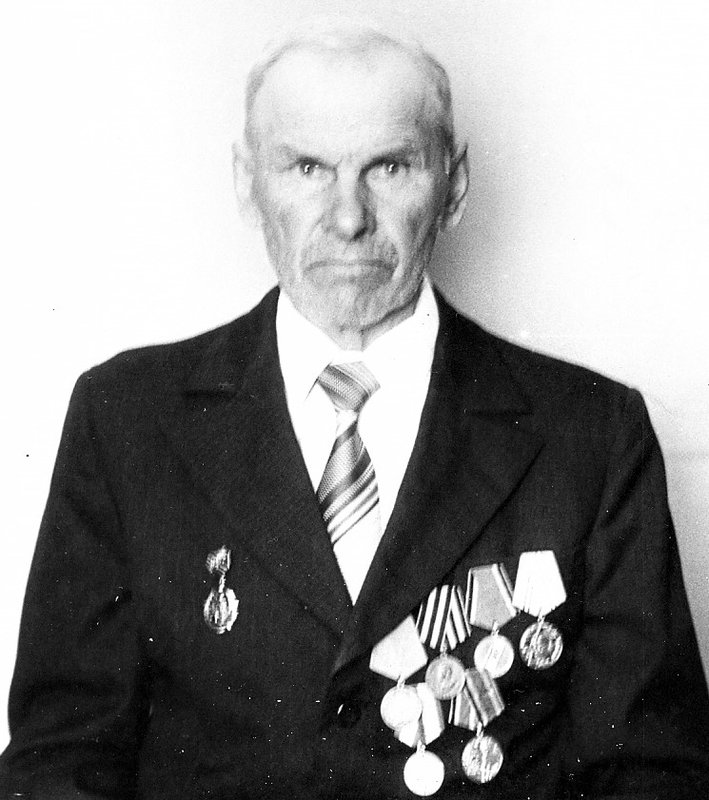
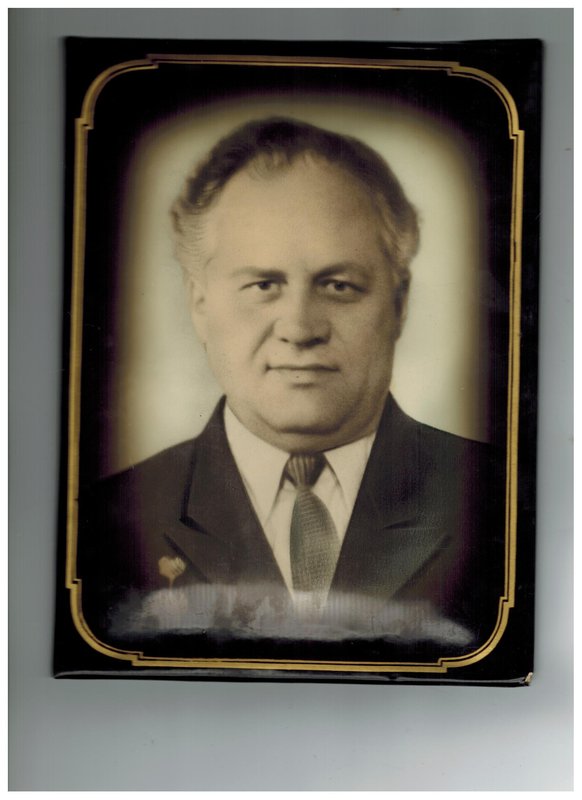
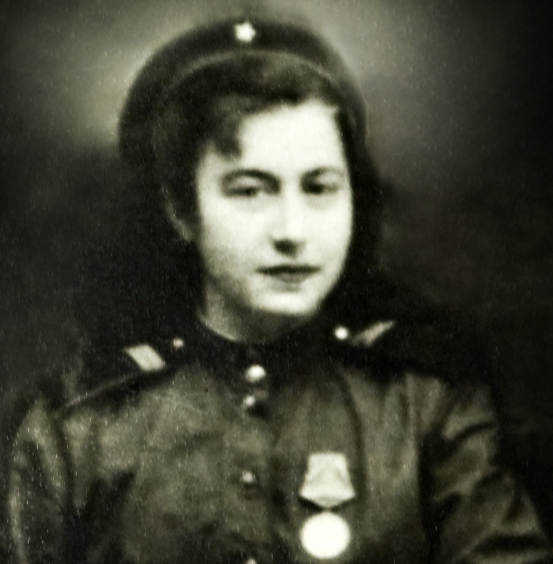
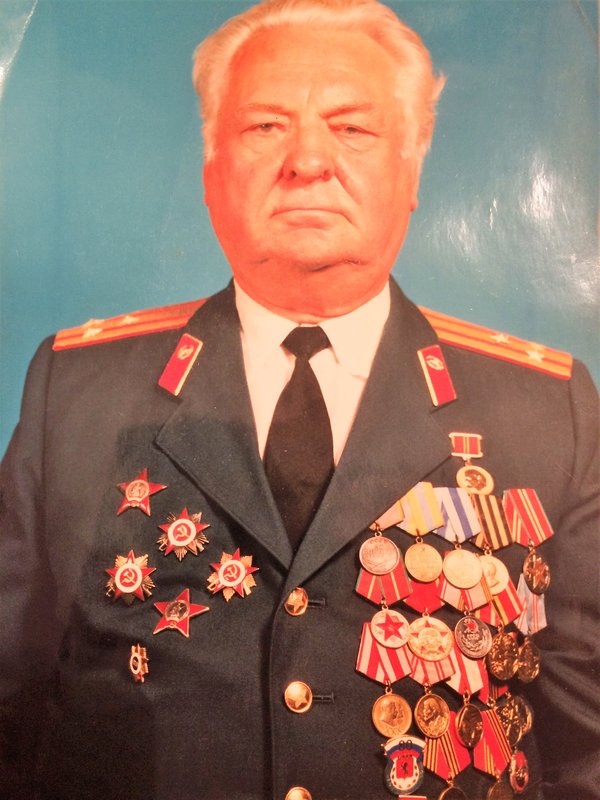
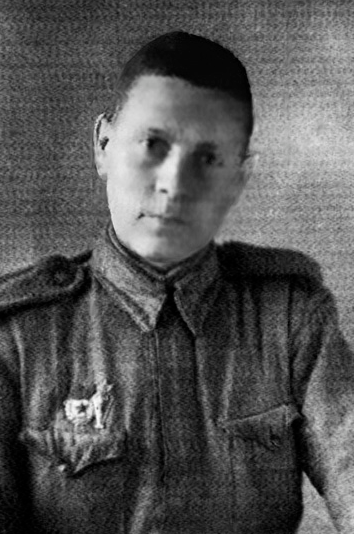
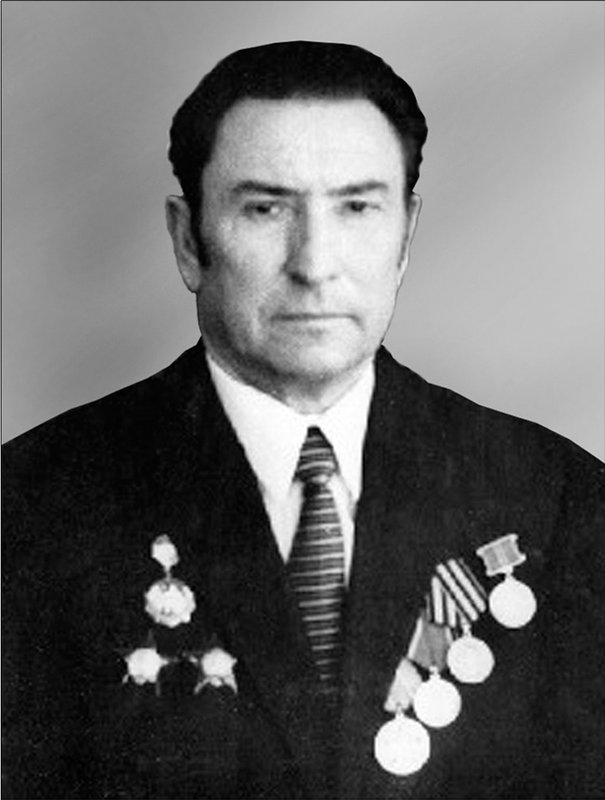
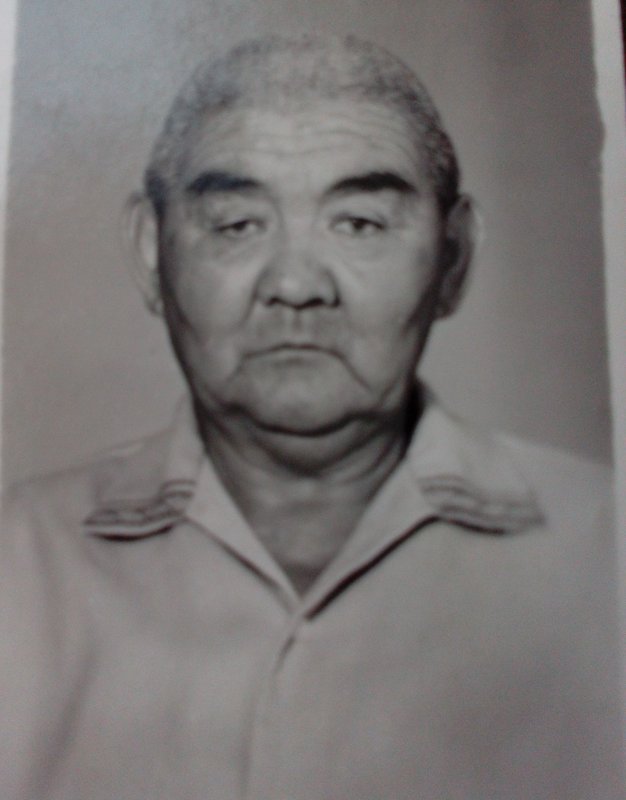
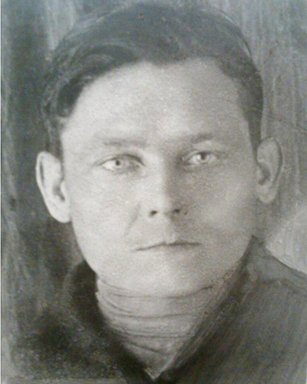
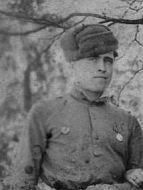
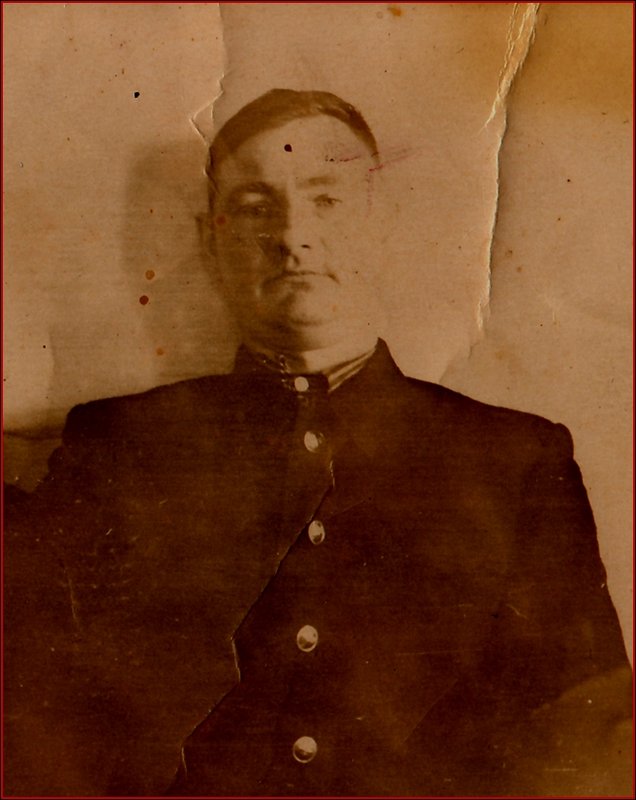
Ivashkin Serafim Semenovich
Rank: Major. Branch of the service: Ground Forces, Air Force (except naval aviation), coastal service, NKVD troops, border troops. Svetlana Mikhailovna Erendzhenova, journalist, editor-in-chief of the Kalmyk University newspaper. The hero of my essay, Serafim Semenovich Ivashkin, worked at the Kalmyk State University at the Department of History for about ten years. It is noteworthy that all his former colleagues remember this man with great warmth. Serafim Ivashkin, Mordvin-Moksha by nationality, was born on July 7, 1918 in the village of Mordovskoe Maskino in a family of middle peasants. The Ivashkins had nine children. Mother - Ivashkina Alexandra Slivenovna. Father - Semyon Ivashkin, the breadwinner of the family, died in 1932. Until the age of 11, Seraphim was illiterate, worked as a shepherd. The autobiography says: "In 1929 he entered high school, which he graduated (with a break) in 1939". In search of work, 19-year-old Seraphim went to the Far East, where he worked as a miner at the Artyomovsk mines of the Primorsky Territory from January 1937 to August 1938. In 1938, Seraphim joined the ranks of the Komsomol. When he returned, in 1939 he graduated from the workers' faculty as an external student at the preparatory courses at the Mordovian State Pedagogical Institute (Saransk, Mordovian Autonomous Soviet Socialist Republic) and began teaching at the elementary seven-year school in the village of Novye Pichingushi, Elnikovsky district of the Mordovian Autonomous Soviet Socialist Republic. In November 1939, Seraphim was drafted into the Red Army. January 1940 - July 26, 1941 - cadet of the Smolensk rifle and machine gun school (Kalinin military district). In the rank of lieutenant, Serafim Ivashkin in September 1941 defends the Motherland as part of the 285th Infantry Division on the Leningrad Front. The brave and shrewd Ivashkin was appointed company commander, assistant chief of staff of the regiment for reconnaissance. “Working as the chief of staff of the 2nd battalion of 1017th rifle regiment, during the battles for the village of Larionov Ostrov from September 9 to 13, 1941, he proved himself to be a brave and brave commander,” says S. S. Ivashkin's submission. to the Order of the Red Star. - When during the first attack of our units, the commander of the 2nd battalion Kondratyev was killed (September 9, 1941) comrade. Ivashkin took command of the battalion, led the battalion boldly into a frontal attack on the Nazis entrenched in Larionov Island, covered by tanks, and was the first to occupy the village of Larionov Island with his unit. Gathering his fighters comrade Ivashkin took them further to Posadnikov Island. Being at this time wounded by a fragment of an enemy mine in the side on September 11, 1941, Comrade Ivashkin did not leave the battlefield, although he felt hard. In the battles for the Pogostye station, Comrade Ivashkin, performing the duties of an assistant chief for intelligence, on behalf of the regiment commander was with the soldiers in the 1st battalion. During the battles from 9 to 13 October 1941, he also acted boldly, attacking in the main direction of Art. Pogost and on October 13, 1941, together with the 9th company attached to the 1st battalion, occupied the station. As Assistant Chief of Staff for Intelligence, Comrade Ivashkin significantly improved the work of the regimental intelligence, took part in it personally. In the battle of Pogostye since 10/27/41, personally participating com. Ivashkin was wounded again. " The Military Council of the Army concluded: "Worthy of being nominated for a government award, the Order of the Red Star." The second wound mentioned in the Submission is severe: a blind bullet wound to the left shoulder blade. Hit a bullet a few centimeters lower ... For about two months Serafim Ivashkin was treated at the hospital, and only after the war did he learn that then he was awarded the Order of the Red Star. Seraphim received another serious wound, in the head. He was considered dead and placed in a tent with the dead. In the morning, the funeral team was surprised to find signs of life in him. Medical battalion, infirmary, healed. Back in line. From archival materials it is known that by the Decree of the Supreme Soviet of the USSR of September 1, 1943 for the exemplary fulfillment of combat missions of the command on the front of the fight against the German invaders and the valor and courage shown at the same time, Captain Ivashkin Serafim Semyonovich, deputy commander of a rifle battalion, 391 rifle regiment of 170 rifle division was awarded the Order of the Red Star. At that moment, Serafim Ivashkin did not know that this was his second order. From the award list: “During the execution of a combat mission to occupy the village. Stepanovka On July 23, 1943, the commander of the 3rd rifle battalion was killed. Comrade Ivashkin immediately took command of the battalion and resolutely, with skillful leadership, led him into battle. After personal, successfully executed orders to suppress the enemy machine-gun points, which hindered the advance, Comrade. Ivashkin raised the personnel in a counterattack and with small losses occupied the village. Stepanovka. Pursuing the retreating enemy, the 3rd battalion in front of the village of Ilyinskoye met stubborn resistance. The enemy launched 2 counterattacks with the support of artillery and tanks. Under the skilful command of Captain Ivashkin, the battalion successfully repelled the enemy's counterattacks, went over to the attack, and with heavy losses for the enemy occupied the village of Ilyinskoye.Worthy of a government award with the Order of the Red Star. Serafim Ivashkin went through the entire war: from start to finish, received five wounds, and celebrated Victory Day in Germany. He was demobilized on December 1, 1945. Ivashkin's colleague, Honored Professor of KalmSU V.B. Ubushaev also notes that it was very difficult for Serafim Semyonovich to talk about the war. “Only once at my house over a cup of tea, in a confidential conversation, he told me about a bullet wound to the head,” says Vladimir Badakhaevich. - It happened in a fight between Captain Ivashkin and a German lieutenant colonel, when they came face to face. Ivashkin defeated the enemy, but at the same time received a serious wound in the head. The fascist officer turned out to be a "bird of high flight", and the command awarded Ivashkin with an award. The military concussion constantly reminded Serafim Semyonovich, he suffered from it, but this did not affect his teaching and scientific activities. He was always demanding of both students and himself. " After demobilization, Seraphim returned to Mordovia, graduated from the regional school (Saransk, Mordovian ASSR), as well as the correspondence department of the history faculty of the Mordovian State Pedagogical Institute named after A.I. Polezhaeva (Saransk). For a year he worked as a propagandist for the Maidan District Party Committee, then as an inspector of schools in the Saransk District Committee of the Mordovian Autonomous Soviet Socialist Republic. In the summer of 1947 S.S. Ivashkin married Anna Vasilievna Simakova. On February 20, 1948, in the village of Kochelaevo, their daughter Lyubov was born. From April 2, 1949 - to August 18, 1958 S.S. Ivashkin - Senior Researcher, then Head of the Central State Archives of the Mordovian Autonomous Soviet Socialist Republic. While working at the State Archives, Serafim Semenovich took up scientific activities. One fact from the memoirs of Vladimir Ivashkin is indicative: “From the trophy“ good ”, my father brought a little from Germany. Some kind of spoon, some kind of knife, a saber in a scabbard with a black handle, which I later gave to my nephew in the village. So, trifles, "souvenirs". But the main thing that was not a trifle for him was that he brought a PRINTING MACHINE. At that time, it was of considerable value and deficit, especially for the writing fraternity, for a novice scientist - for sure! To convert the font from German to Russian, I had to sell my father's jacket: there was no extra money in the family. I remember how a silent, quiet master with a soldering iron came to our house and during the work he clarified everything, "the machine is registered with the relevant authorities or not." His father reassured him with a smile, admonished him, and he still doubted, sighed all the time, but neatly did his job. During 1953-1956 Serafim Semenovich studied in graduate school. On January 24, 1956, he defended his Ph.D. thesis, and by the decision of the Council of the Moscow State Historical and Archival Institute, he was awarded the academic degree of Candidate of Historical Sciences. In 1958, Serafim Semenovich moved to the city of Semipalatinsk (Kazakh SSR), where from 1958 to 1972 he worked at the Semipalatinsk Pedagogical Institute named after N.K. Krupskaya head of the department of history. 03/25/1970 he was awarded the medal "For Valiant Labor". In the second half of 1972 S.S. Ivashkin moved to Elista. At Kalmyk State University, Serafim Semyonovich worked for nine years as head of the department of the history of Soviet society. All the years of teaching activity S.S. Ivashkin continued to engage in scientific work. The description provided by the leadership of the Kalmyk State University of the Higher Attestation Commission under the Council of Ministers of the USSR said: “... Professor S.S. Ivashkin. takes an active part in the social life of the university, was elected a member of the party bureau of the faculty and the party committee of the university. Since working at the university, he has successfully led a scientific circle at the Department of History of the USSR, has been actively involved in the military-patriotic and international education of student youth, is a member of the presidium of the Elista city branch of the society for the protection of historical and cultural monuments, and leads the primary organization of this society at the university. His social and scientific work was awarded with the Lenin Diploma and the badge "Excellence in Higher Education". By the decision of the Supreme Attestation Commission under the Council of Ministers of the USSR on February 23, 1979 (protocol No. 7), Serafim Ivashkin was awarded the degree of Doctor of Historical Sciences. List of scientific works of S.S. Ivashkin included 33 printed and handwritten works on the history of the development of agriculture in the USSR. At the same time, at least a third of the works concern agriculture in Kazakhstan. By the decision of the Higher Attestation Commission under the Council of Ministers of the USSR on October 3, 1980, he was awarded the academic title of professor. Serafim Semenovich was highly appreciated in the university community. Serafim Semyonovich worked almost until the last day of his life. On January 12, 1994, he was gone, but the memory of a worthy man is alive, who during the Great Patriotic War, not sparing himself, defended our fatherland, and then worked hard for many years at the Higher School.